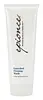
This wash off mask is made with Limnanthes Alba Seed Oil and Petrolatum for a rinse-off hydration boost.
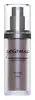
This anti-aging serum is formulated around Niacinamide and Tetrahexyldecyl Ascorbate to soften the look of wrinkles and strengthen the skin barrier.

What's inside
What's inside
 Key Ingredients
Benefits
Concerns
Ingredients Side-by-side
Water
Skin ConditioningLimnanthes Alba Seed Oil
Skin Conditioning



Petrolatum
Emollient

Butylene Glycol
Humectant
Glycerin
Humectant
Cetearyl Alcohol
Emollient



Butyrospermum Parkii Butter
Skin Conditioning
Laureth-23
Cleansing
Hydrogenated Polyisobutene
EmollientC10-30 Cholesterol/Lanosterol Esters
Emulsifying
Carthamus Tinctorius Seed Oil
Masking
Ceteth-20
CleansingCetearyl Glucoside
Emulsifying
Acrylates/C10-30 Alkyl Acrylate Crosspolymer
Emulsion StabilisingCetyl Esters
Emollient
Citrus Aurantium Dulcis Peel Oil
Masking
Citrus Limon Peel Oil
Masking


Cymbopogon Citratus Leaf/Stem Oil
Masking
Disodium EDTA
ChelatingEthylene Brassylate
MaskingGlyceryl Stearate
Emollient
Lavandula Hybrida Oil
Emollient
Linalool
Perfuming
Linalyl Acetate
Masking
Litsea Cubeba Fruit Oil
Masking
Menthol
Masking
Octanal
Perfuming
Olea Europaea Fruit Oil
Masking
PEG-100 Stearate
Surfactant
Persea Gratissima Oil
Skin Conditioning
Phenoxyethanol
Preservative
Phoenix Dactylifera Fruit Extract
EmollientPhosphatidylcholine
EmulsifyingPhytosterols
Skin Conditioning
PPG-2 Myristyl Ether Propionate
Emollient
Salix Alba Bark Extract
Astringent

Sodium Hyaluronate
Humectant


Triethanolamine
BufferingBlue 1 Lake
Cosmetic ColorantWater, Limnanthes Alba Seed Oil, Petrolatum, Butylene Glycol, Glycerin, Cetearyl Alcohol, Butyrospermum Parkii Butter, Laureth-23, Hydrogenated Polyisobutene, C10-30 Cholesterol/Lanosterol Esters, Carthamus Tinctorius Seed Oil, Ceteth-20, Cetearyl Glucoside, Acrylates/C10-30 Alkyl Acrylate Crosspolymer, Cetyl Esters, Citrus Aurantium Dulcis Peel Oil, Citrus Limon Peel Oil, Cymbopogon Citratus Leaf/Stem Oil, Disodium EDTA, Ethylene Brassylate, Glyceryl Stearate, Lavandula Hybrida Oil, Linalool, Linalyl Acetate, Litsea Cubeba Fruit Oil, Menthol, Octanal, Olea Europaea Fruit Oil, PEG-100 Stearate, Persea Gratissima Oil, Phenoxyethanol, Phoenix Dactylifera Fruit Extract, Phosphatidylcholine, Phytosterols, PPG-2 Myristyl Ether Propionate, Salix Alba Bark Extract, Sodium Hyaluronate, Triethanolamine, Blue 1 Lake
Water
Skin ConditioningPropanediol
Solvent
Niacinamide
Smoothing




Glycerin
Humectant
Trisiloxane
Skin Conditioning
Tetrahexyldecyl Ascorbate
Antioxidant

PEG-7 Glyceryl Cocoate
Emulsifying
Oryza Sativa Bran Extract
Skin Conditioning
Bidens Pilosa Extract
HumectantBixa Orellana Seed Extract
MaskingButylene Glycol
Humectant
Caprylic/Capric Triglyceride
Masking
Caprylyl Glycol
Emollient
Crithmum Maritimum Extract
Skin ConditioningCucumis Melo Fruit Extract
Skin ConditioningDisodium EDTA
ChelatingElaeis Guineensis Oil
Emollient
Ethylhexylglycerin
Skin ConditioningGlyceryl Stearate
Emollient
Gossypium Herbaceum Seed Oil
Skin Conditioning
Helianthus Annuus Extract
Emollient
Hexylene Glycol
EmulsifyingHydrogenated Vegetable Oil
Emollient
Hydroxyethyl Acrylate/Sodium Acryloyldimethyl Taurate Copolymer
Emulsion StabilisingHydroxypropyltrimonium Maltodextrin Crosspolymer
SurfactantLentinus Edodes Extract
Skin ConditioningLinum Usitatissimum Seed Oil
Perfuming
PEG-100 Stearate
Surfactant
Phenoxyethanol
Preservative
Raspberry Seed Oil/Tocopheryl Succinate Aminopropanediol Esters
Skin Conditioning
Rosmarinus Officinalis Leaf Extract
AntimicrobialSodium Hyaluronate
Humectant
Tocopherol
Antioxidant
Tocopheryl Linoleate/Oleate
Antioxidant
Water, Propanediol, Niacinamide, Glycerin, Trisiloxane, Tetrahexyldecyl Ascorbate, PEG-7 Glyceryl Cocoate, Oryza Sativa Bran Extract, Bidens Pilosa Extract, Bixa Orellana Seed Extract, Butylene Glycol, Caprylic/Capric Triglyceride, Caprylyl Glycol, Crithmum Maritimum Extract, Cucumis Melo Fruit Extract, Disodium EDTA, Elaeis Guineensis Oil, Ethylhexylglycerin, Glyceryl Stearate, Gossypium Herbaceum Seed Oil, Helianthus Annuus Extract, Hexylene Glycol, Hydrogenated Vegetable Oil, Hydroxyethyl Acrylate/Sodium Acryloyldimethyl Taurate Copolymer, Hydroxypropyltrimonium Maltodextrin Crosspolymer, Lentinus Edodes Extract, Linum Usitatissimum Seed Oil, PEG-100 Stearate, Phenoxyethanol, Raspberry Seed Oil/Tocopheryl Succinate Aminopropanediol Esters, Rosmarinus Officinalis Leaf Extract, Sodium Hyaluronate, Tocopherol, Tocopheryl Linoleate/Oleate
Ingredients Explained
These ingredients are found in both products.
Ingredients higher up in an ingredient list are typically present in a larger amount.
Butylene Glycol (or BG) is used within cosmetic products for a few different reasons:
Overall, Butylene Glycol is a safe and well-rounded ingredient that works well with other ingredients.
Though this ingredient works well with most skin types, some people with sensitive skin may experience a reaction such as allergic rashes, closed comedones, or itchiness.
Learn more about Butylene GlycolDisodium EDTA is a chelating agent. It grabs onto and deactivates metal ions that sneak into your products from water, packaging, or air.
This ingredient mainly works behind the scenes and helps with:
On top of that, this ingredient can counteract the effects of hard water by binding to the minerals in it.
One thing worth knowing is that Disodium EDTA has been shown to be a mild penetration enhancer. It can help other ingredients absorb into skin more effectively which can be a double-edged sword (great for actives, but can also make the active too strong if you have sensitive skin).
Clinical patch testing showed no significant skin irritation at typical use concentrations and minimal dermal absorption.
You'll most likely see this ingredient near the end of an ingredient list. It's typically found in concentrations less than 1%.
Learn more about Disodium EDTAGlycerin (or glycerol) is a compound naturally found in your skin. It's a powerhouse humectant that pulls water into the stratum corneum.
Topically, glycerin does several things at once:
Your skin makes glycerin on its own (mostly from sebaceous oil breakdown) and shuttles it to your outermost layer of skin, or your epidermis, via aquaporin-3.
Aquaporin-3 is a transporter that is essential for normal skin hydration, elasticity, and repair. Interestingly, mice lacking in AQP3 have dry and less elastic skin that can be fully corrected with glycerin.
This ingredient is non-irritating, plays well with almost every ingredient, and works across all skin types. Typical use is anywhere between 3-10% but can go up to 79% in some leave-on products.
Just know very high concentrations (>40%) can feel tacky in low humidity.
Glycerin is the name for this ingredient in American English. British English uses Glycerol/Glycerine.
Learn more about GlycerinGlyceryl Stearate is made by reacting glycerin with stearic acid (typically sourced from plant oils like palm or coconut). It's an emulsifier, emollient, and mild occlusive.
Emulsifiers help ingredients like oil and water stay mixed so your formula stays nicely blended and uniform in texture.
This ingredient is typically used in concentrations between 1-10%. Studies have found it to be non-sensitizing, non-phototoxic, and non-photoallergenic.
A close cousin of this ingredient is Glyceryl Stearate SE ("self-emulsifying"). This just has a small amount of sodium or potassium stearate added so it can emulsify without a co-emulsifier.
Since this ingredient is an ester of a C18 fatty acid, it may not be fungal acne safe. The Malassezia yeast can potentially metabolize within the C11-C24 range.
Fun fact: The human body also creates Glyceryl Stearate naturally.
Learn more about Glyceryl StearatePeg-100 Stearate is an emollient and emulsifier. As an emollient, it helps keep skin soft by trapping moisture in. On the other hand, emulsifiers help prevent oil and water from separating in a product.
PEGS are a hydrophilic polyether compound . There are 100 ethylene oxide monomers in Peg-100 Stearate. Peg-100 Stearate is polyethylene glycol ester of stearic acid.
Phenoxyethanol is one of the most widely used preservatives in skincare (and for good reason!).
It has a large spectrum of antimicrobial activity and especially effective bacteria, yeast, and mold while only having a weak effect on your skin's natural microbiome.
On a cellular level, it disrupts the cell membranes of microbes by poking holes that make the cell leak. This shuts down the chemical reactions the microbe needs to make energy so it can no longer survive.
Another perk of this ingredient is that it stays functional across a wide pH range (3-10).
You'll often see it paired with boosters like Ethylhexylglycerin; one study showed that a 1:9 ratio of Ethylhexylglycerin to Phenoxyethanol damages bacterial membranes as effectively as doubling the Phenoxyethanol concentration on its own.
Typical use concentrations range from 0.3-1% depending on the formula, and this ingredient is capped at 1% int the EU.
Safety-wise, the fear mongering does not hold up to the evidence. The EU's Scientific Committee on Consumer Safety and FDA consider it safe as a preservative at up to 1%, including for children of all ages.
Adverse systemic effects only showed up in animal studies at exposures roughly 200x higher than what people get from cosmetics. And despite its very widespread use, this ingredient is a rare sensitizer and allergic reactions are uncommon.
Learn more about PhenoxyethanolSodium Hyaluronate is the salt form of hyaluronic acid. It is a long sugar chain that is naturally found in your skin, joints, and connective tissue that maintains hydration and elasticity.
In skincare, it works as a humectant. It pulls water from the environment and deeper layers of skin and binds it to the surface.
Interestingly, the size of the molecule affects its behavior:
Some clinical evidence links low molecular weight versions to improved wrinkle depth, elasticity, anti-inflammatory effects, and barrier repair.
Many serums use a blend of both weights so you can get surface hydration plus longer-lasting and deeper effects.
You'll typically see concentrations between 0.1-2% for this ingredient.
Learn more about Sodium HyaluronateWater. It's the most common cosmetic ingredient of all. You'll usually see it at the top of ingredient lists, meaning that it makes up the largest part of the product.
So why is it so popular? Water most often acts as a solvent - this means that it helps dissolve other ingredients into the formulation.
You'll also recognize water as that liquid we all need to stay alive. If you see this, drink a glass of water. Remember to stay hydrated!
Learn more about Water

