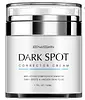
This brightening treatment is formulated around Glycyrrhiza Uralensis Root Extract and Niacinamide to fade the look of dark spots and brighten dull-looking skin.
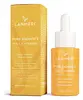
This brightening serum is formulated around Ascorbic Acid and Ferulic Acid to brighten dull-looking skin and fade the look of dark spots.

What's inside
What's inside
 Key Ingredients
Benefits
Concerns
No concerns
Ingredients Side-by-side
Water
Skin ConditioningButylene Glycol
Humectant

Phragmites Communis Extract
Skin ConditioningGlycyrrhiza Uralensis Root Extract
Skin Conditioning

Salvia Miltiorrhiza Root Extract
Skin ConditioningAngelica Polymorpha Sinensis Root Extract
Skin ConditioningLycium Chinense Root Extract
Skin ConditioningCornus Officinalis Fruit Extract
Skin ConditioningPropylene Glycol
Humectant

Niacinamide
Smoothing








Ethylhexyl Palmitate
Emollient


Glycerin
Humectant
Cyclomethicone
Emollient
Paraffinum Liquidum
Emollient

Sodium Polyglutamate
HumectantMaltodextrin
Absorbent
Calcium Pantothenate
Xanthan Gum
EmulsifyingUrea
Buffering
Caprylyl Glycol
Emollient
Magnesium Lactate
BufferingPapain
Skin Conditioning
Ethylhexylglycerin
Skin ConditioningPotassium Lactate
BufferingAlanine
Masking
Proline
Skin Conditioning
Magnesium Chloride
Serine
Masking
Sodium Citrate
BufferingCetearyl Alcohol
Emollient
Dimethicone
Emollient
Butyrospermum Parkii Butter
Skin Conditioning
Betaine
Humectant
PEG-100 Stearate
Surfactant
Glyceryl Stearate
Emollient
Ceteareth-21
EmollientPropanediol
Solvent
Biosaccharide Gum-1
Humectant
Glycol
Humectant3-O-Ethyl Ascorbic Acid
Skin Conditioning
4-Butylresorcinol
Antioxidant

Alpha-Arbutin
Antioxidant
Tranexamic Acid
Astringent
Tocopherol
Antioxidant
Laurocapram
Skin ConditioningSteareth-2
EmulsifyingPhenoxyethanol
Preservative
Morinda Citrifolia Fruit Extract
Skin Conditioning
Lactobacillus/Punica Granatum Fruit Ferment Extract
Antioxidant
Polyacrylamide
C13-14 Isoparaffin
Emollient
Laureth-7
EmulsifyingCarbomer
Emulsion StabilisingArginine
Masking
Methylparaben
Preservative

Hydroxyethylcellulose
Emulsion StabilisingPropylparaben
Preservative
Disodium EDTA
Caramel
Cosmetic ColorantCitric Acid
Buffering
Parfum
Masking

Rosmarinic Acid
Antioxidant
Water, Butylene Glycol, Phragmites Communis Extract, Glycyrrhiza Uralensis Root Extract, Salvia Miltiorrhiza Root Extract, Angelica Polymorpha Sinensis Root Extract, Lycium Chinense Root Extract, Cornus Officinalis Fruit Extract, Propylene Glycol, Niacinamide, Ethylhexyl Palmitate, Glycerin, Cyclomethicone, Paraffinum Liquidum, Sodium Polyglutamate, Maltodextrin, Calcium Pantothenate, Xanthan Gum, Urea, Caprylyl Glycol, Magnesium Lactate, Papain, Ethylhexylglycerin, Potassium Lactate, Alanine, Proline, Magnesium Chloride, Serine, Sodium Citrate, Cetearyl Alcohol, Dimethicone, Butyrospermum Parkii Butter, Betaine, PEG-100 Stearate, Glyceryl Stearate, Ceteareth-21, Propanediol, Biosaccharide Gum-1, Glycol, 3-O-Ethyl Ascorbic Acid, 4-Butylresorcinol, Alpha-Arbutin, Tranexamic Acid, Tocopherol, Laurocapram, Steareth-2, Phenoxyethanol, Morinda Citrifolia Fruit Extract, Lactobacillus/Punica Granatum Fruit Ferment Extract, Polyacrylamide, C13-14 Isoparaffin, Laureth-7, Carbomer, Arginine, Methylparaben, Hydroxyethylcellulose, Propylparaben, Disodium EDTA, Caramel, Citric Acid, Parfum, Rosmarinic Acid
Water
Skin ConditioningAscorbic Acid
Antioxidant
Butylene Glycol
Humectant
Glycerin
Humectant
Tocopherol
Antioxidant
Ferulic Acid
Antimicrobial
Tranexamic Acid
Astringent
Hydroxypropyl Tetrahydropyrantriol
Skin ConditioningNiacinamide
Smoothing
Dimethylmethoxy Chromanol
Antioxidant
Ergothioneine
Antioxidant
Ectoin
Skin Conditioning
4-Butylresorcinol
Antioxidant
Glutathione
Alpha-Arbutin
Antioxidant
Hyaluronic Acid
Humectant
Tremella Fuciformis Sporocarp Extract
Antioxidant
Glyceryl Caprylate
EmollientCaprylyl Glycol
Emollient
Water, Ascorbic Acid, Butylene Glycol, Glycerin, Tocopherol, Ferulic Acid, Tranexamic Acid, Hydroxypropyl Tetrahydropyrantriol, Niacinamide, Dimethylmethoxy Chromanol, Ergothioneine, Ectoin, 4-Butylresorcinol, Glutathione, Alpha-Arbutin, Hyaluronic Acid, Tremella Fuciformis Sporocarp Extract, Glyceryl Caprylate, Caprylyl Glycol
Reviews
Ingredients Explained
These ingredients are found in both products.
Ingredients higher up in an ingredient list are typically present in a larger amount.
This ingredient is also known as rucinol. It's an antioxidant and one of the best-studied tyrosinase inhibitors (skin brightener) in cosmetic chemistry.
This ingredient works in a few complimentary ways:
In head-to-head biochemical assays, it outperformed kojic acid, arbutin, and even hydroquinone at slowing melanin production.
Clinically, 0.1% has shown to improve melasma visibly after just 4 weeks. Another liposome-encapsulated version performed similarly well and an Indian study on 0.3% showed significant melasma reduction over 8 weeks with no adverse events reported.
This ingredient is generally well-tolerated. A very small amount of people have experienced mild dryness or peeling at a higher concentration (0.3%).
According to a manufacturer, this ingredient is sensitive to air. Good formulations should account for this to keep your rucinol effective.
Be sure to also check out Thiamidol, another "hydroquinone alternative".
Learn more about 4-ButylresorcinolAlpha-Arbutin is a brightening active used to fade dark spots, melasma, and post-acne marks. Structurally, it is a hydroquinone with a sugar molecule attached (but is much gentler than raw hydroquinone).
It has a pretty elegant way of working; it slots into tyrosinase, or the key enzyme that your skin uses to make melanin), and competitively blocks it so your skin produces less pigment over time.
There are two forms of arbutin and alpha is the better one to reach for: it works at lower amounts, absorbs into skin more easily, and has a strong safety record.
The science backs this up too: lab and animal studies confirm it lowers melanin by blocking tyosinase and the more you use (up to a point), the more it works.
Human studies look good too.
A 2024 trial found a cream with 5% alpha-arbutin and 2% kojic acid worked about as well as a prescription melasma cream but with fewer side effects. Another study showed 2% alpha-arbutin paired with 10% Trihydroxybenzoic Acid Glucoside and sunscreen faded dark spots and melasma without causing irritation.
Concentration-wise, most serums land in the 1-2% range.
The EU's Scientific Committee on Consumer Safety concluded that alpha-arbutin is safe in face creams up to 2% and body lotions up to 0.5%.
Overall, this is a well-studied and low-irritation brightener that's a great pick for anyone dealing with uneven skin tone. It also pairs well with vitamin C, niacinamide, and sunscreen.
Learn more about Alpha-ArbutinButylene Glycol (or BG) is used within cosmetic products for a few different reasons:
Overall, Butylene Glycol is a safe and well-rounded ingredient that works well with other ingredients.
Though this ingredient works well with most skin types, some people with sensitive skin may experience a reaction such as allergic rashes, closed comedones, or itchiness.
Learn more about Butylene GlycolCaprylyl Glycol is a humectant, skin conditioner, emollient, and preservative booster derived from either caprylic acid or synthetically created.
Typical use levels vary from 0.3-1% as a preservative booster and go up to 2% to condition skin.
Because it is not a free-fatty acid, this ingredient is fungal acne safe (there's nothing for Malassezia to feed on).
Learn more about Caprylyl GlycolGlycerin (or glycerol) is a compound naturally found in your skin. It's a powerhouse humectant that pulls water into the stratum corneum.
Topically, glycerin does several things at once:
Your skin makes glycerin on its own (mostly from sebaceous oil breakdown) and shuttles it to your outermost layer of skin, or your epidermis, via aquaporin-3.
Aquaporin-3 is a transporter that is essential for normal skin hydration, elasticity, and repair. Interestingly, mice lacking in AQP3 have dry and less elastic skin that can be fully corrected with glycerin.
This ingredient is non-irritating, plays well with almost every ingredient, and works across all skin types. Typical use is anywhere between 3-10% but can go up to 79% in some leave-on products.
Just know very high concentrations (>40%) can feel tacky in low humidity.
Glycerin is the name for this ingredient in American English. British English uses Glycerol/Glycerine.
Learn more about GlycerinNiacinamide is a multitasking form of vitamin B3 that strengthens the skin barrier, reduces pores and dark spots, regulates oil, and improves signs of aging.
And the best part? It's gentle and well-tolerated by most skin types, including sensitive and reactive skin.
You might have heard of "niacin flush", or the reddening of skin that causes itchiness. Niacinamide has not been found to cause this.
In very rare cases, some individuals may not be able to tolerate niacinamide at all or experience an allergic reaction to it.
If you are experiencing flaking, irritation, and dryness with this ingredient, be sure to double check all your products as this ingredient can be found in all categories of skincare.
When incorporating niacinamide into your routine, look out for concentration amounts. Typically, 5% niacinamide provides benefits such as fading dark spots. However, if you have sensitive skin, it is better to begin with a smaller concentration.
When you apply niacinamide to your skin, your body converts it into nicotinamide adenine dinucleotide (NAD). NAD is an essential coenzyme that is already found in your cells as "fuel" and powers countless biological processes.
In your skin, NAD helps repair cell damage, produce new healthy cells, support collagen production, strengthen the skin barrier, and fight environmental stressors (like UV and pollution).
Our natural NAD levels start to decline with age, leading to slower skin repair, visible aging, and a weaker skin barrier. By providing your skin niacinamide, you're recharging your skin's NAD levels. This leads to stronger, healthier, and younger looking skin.
Another name for vitamin B3 is nicotinamide. This vitamin is water-soluble and our bodies don't store it. We obtain Vitamin B3 from either food or skincare. Meat, fish, wheat, yeast, and leafy greens contain vitamin B3.
The type of niacinamide used in skincare is synthetically created.
Learn more about NiacinamideTocopherol is a fat-soluble antioxidant known as Vitamin E.
You'll find this ingredient in the vast majority of skincare (for good reason). It works to neutralize free radicals, or unstable molecules generated by UV exposure, pollution, and other environmental stressors, before they can cause oxidative damage to your skin cells.
Topically applied tocopherol has been shown to protect against UV damage by ramping up the skin's own natural defense enzymes.
It also acts as a skin conditioning agent; some studies show that regular topical use can improve the skin's water-binding capacity over 2-4 weeks.
This ingredient is especially loved for being a team player. When combined with Vitamin C, the photoprotective effect of both ingredients roughly doubles and the combo also helps reduce UV-induced DNA damage.
This ingredient has some brightening potential but it's more of a prevention ingredient than spot-fader. Cell studies show it can slow down melanin production but it's worth noting that it's not the most powerful brightener out there.
In formulations, it also serves as a stabilizer that helps protect other oxidation-prone ingredients from degrading.
Concentrations usually range from 0.1-1% in most leave-on products.
Learn more about TocopherolTranexamic Acid (TXA) is a synthetic lysine derivative that is becoming one of the most exciting brightening ingredients in skincare.
Originally used in medicine as an anti-hemorrhagic agent, its skin brightening potential was discovered by accident; patients taking it orally started noticing their melasma was fading.
Unlike most brighteners that target tyrosinase (the enzyme that synthesizes melanin), TXA works further upstream. It basically blocks your cells from receiving the signal to produce pigment.
This makes it one of the rare actives that works on three pathways at once:
This makes it effective for treating melasma, post-inflammatory hyperpigmentation (PIH), and sun-induced dark spots.
The most effective cosmetic concentration sits between 2-5% and going higher doesn't boost results.
Side effects are generally mild; occasional irritation, flaking, or dryness have been reported at the start of use. Overall, this ingredient is pretty well tolerated, even by sensitive skin types.
Another perk of this ingredient is that it does not cause photosensitivity, so it's safe to use in the AM and PM.
Learn more about Tranexamic AcidWater. It's the most common cosmetic ingredient of all. You'll usually see it at the top of ingredient lists, meaning that it makes up the largest part of the product.
So why is it so popular? Water most often acts as a solvent - this means that it helps dissolve other ingredients into the formulation.
You'll also recognize water as that liquid we all need to stay alive. If you see this, drink a glass of water. Remember to stay hydrated!
Learn more about Water

