Eminence Organics Marine Flower Peptide Serum Versus Eminence Organics Marine Flower Peptide Night Cream
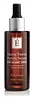
This anti-aging serum is formulated around Aloe Barbadensis Leaf Juice and Camellia Sinensis Leaf Extract to soften the look of wrinkles and hydrate skin.
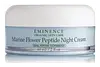
This night moisturizer is formulated around Aloe Barbadensis Leaf Juice to hydrate skin.

What's inside
What's inside
 Key Ingredients
Benefits
Concerns
Ingredients Side-by-side
Aloe Barbadensis Leaf Juice
Skin Conditioning


Bambusa Vulgaris Leaf Extract
Skin ConditioningOryza Sativa Extract
Absorbent

Camellia Sinensis Leaf Extract
Antimicrobial



Vitis Vinifera Seed Oil
Emollient


Calendula Officinalis Flower Oil
Masking


Prunus Armeniaca Kernel Oil
Masking

Jasminum Officinale Flower Extract
Masking
Honey
Humectant
Maltodextrin
Absorbent
Glycerin
Humectant

Zea Mays Silk Extract
Skin ConditioningHeptyl Glucoside
SurfactantHamamelis Virginiana Extract
Antiseborrhoeic
Cassia Angustifolia Seed Polysaccharide
Skin Conditioning1,2-Hexanediol
Skin Conditioning
Caprylyl Glycol
Emollient
Hydroxyethylcellulose
Emulsion StabilisingCollagen Extract
Skin Conditioning
Algae Extract
Emollient
Hydrolyzed Rice Protein
Skin ConditioningBulbine Frutescens Leaf Juice
Skin ConditioningSodium Benzoate
Masking
Potassium Sorbate
Preservative
Citric Acid
Buffering
Chondrus Crispus Extract
Skin Conditioning
Hydrogenated Starch Hydrolysate
HumectantSucrose
Humectant
Corallina Officinalis Extract
Skin Conditioning
Arbutin
Antioxidant
Tropolone
Skin ConditioningFucus Vesiculosus Extract
Emollient
Citrus Aurantium Dulcis Peel Oil
Masking
Morinda Citrifolia Fruit Extract
Skin Conditioning
Arginine
Masking
Euterpe Oleracea Fruit Extract
Citrus Limon Fruit Extract
Masking
Malpighia Emarginata Fruit Extract
Skin ConditioningPhyllanthus Emblica Fruit Extract
HumectantAdansonia Digitata Seed Oil
Emollient
Myrciaria Dubia Fruit Extract
Skin ConditioningDaucus Carota Sativa Root Extract
Skin Conditioning
Cocos Nucifera Water
Masking
Lycium Barbarum Fruit Extract
Astringent
Tapioca Starch
Thioctic Acid
Antioxidant
Aloe Barbadensis Leaf Juice, Bambusa Vulgaris Leaf Extract, Oryza Sativa Extract, Camellia Sinensis Leaf Extract, Vitis Vinifera Seed Oil, Calendula Officinalis Flower Oil, Prunus Armeniaca Kernel Oil, Jasminum Officinale Flower Extract, Honey, Maltodextrin, Glycerin, Zea Mays Silk Extract, Heptyl Glucoside, Hamamelis Virginiana Extract, Cassia Angustifolia Seed Polysaccharide, 1,2-Hexanediol, Caprylyl Glycol, Hydroxyethylcellulose, Collagen Extract, Algae Extract, Hydrolyzed Rice Protein, Bulbine Frutescens Leaf Juice, Sodium Benzoate, Potassium Sorbate, Citric Acid, Chondrus Crispus Extract, Hydrogenated Starch Hydrolysate, Sucrose, Corallina Officinalis Extract, Arbutin, Tropolone, Fucus Vesiculosus Extract, Citrus Aurantium Dulcis Peel Oil, Morinda Citrifolia Fruit Extract, Arginine, Euterpe Oleracea Fruit Extract, Citrus Limon Fruit Extract, Malpighia Emarginata Fruit Extract, Phyllanthus Emblica Fruit Extract, Adansonia Digitata Seed Oil, Myrciaria Dubia Fruit Extract, Daucus Carota Sativa Root Extract, Cocos Nucifera Water, Lycium Barbarum Fruit Extract, Tapioca Starch, Thioctic Acid
Aloe Barbadensis Leaf Juice
Skin Conditioning
Oryza Sativa
Calendula Officinalis Flower Extract
Masking
Zea Mays Silk Extract
Skin ConditioningCamellia Sinensis Leaf Extract
Antimicrobial
Glycerin
Humectant
Jasminum Officinale Flower Extract
Masking
Vitis Vinifera Seed Oil
Emollient
Prunus Armeniaca Kernel Oil
Masking
Helianthus Annuus Seed Oil
Emollient
Butyrospermum Parkii Butter
Skin Conditioning
Water
Skin ConditioningCetearyl Alcohol
Emollient
Hydrolyzed Rice Protein
Skin ConditioningGlyceryl Stearate
Emollient
Hydrolyzed Plukenetia Volubilis Seed Extract
Emulsion StabilisingAlteromonas Ferment Filtrate
HumectantAphanizomenon Flos-Aquae Extract
HumectantSodium Acrylates Copolymer
Lecithin
Emollient
Hydroxyacetophenone
Antioxidant
Tocopheryl Acetate
Antioxidant
Citrus Aurantium Dulcis Peel Oil
Masking
1,2-Hexanediol
Skin Conditioning
Caprylyl Glycol
Emollient
Hydrogenated Starch Hydrolysate
HumectantButylene Glycol
Humectant
Xanthan Gum
EmulsifyingOcimum Basilicum Oil
Masking
Guaiazulene
Antimicrobial
Tetrasodium Glutamate Diacetate
ChelatingIron Oxides
Bambusa Vulgaris Extract
Skin Conditioning
Caramel
Cosmetic ColorantEuterpe Oleracea Fruit Extract
Citrus Limon Peel
MaskingMalpighia Glabra Fruit Extract
Skin ConditioningEmblica Officinalis Fruit
Skin ConditioningAdansonia Digitata Seed Oil
Emollient
Myrciaria Dubia Fruit Extract
Skin ConditioningDaucus Carota Sativa Root Extract
Skin Conditioning
Cocos Nucifera Oil
Masking
Milk
Skin Conditioning
Lycium Barbarum Fruit Extract
Astringent
Tapioca Starch
Aloe Barbadensis Leaf Juice, Oryza Sativa, Calendula Officinalis Flower Extract, Zea Mays Silk Extract, Camellia Sinensis Leaf Extract, Glycerin, Jasminum Officinale Flower Extract, Vitis Vinifera Seed Oil, Prunus Armeniaca Kernel Oil, Helianthus Annuus Seed Oil, Butyrospermum Parkii Butter, Water, Cetearyl Alcohol, Hydrolyzed Rice Protein, Glyceryl Stearate, Hydrolyzed Plukenetia Volubilis Seed Extract, Alteromonas Ferment Filtrate, Aphanizomenon Flos-Aquae Extract, Sodium Acrylates Copolymer, Lecithin, Hydroxyacetophenone, Tocopheryl Acetate, Citrus Aurantium Dulcis Peel Oil, 1,2-Hexanediol, Caprylyl Glycol, Hydrogenated Starch Hydrolysate, Butylene Glycol, Xanthan Gum, Ocimum Basilicum Oil, Guaiazulene, Tetrasodium Glutamate Diacetate, Iron Oxides, Bambusa Vulgaris Extract, Caramel, Euterpe Oleracea Fruit Extract, Citrus Limon Peel, Malpighia Glabra Fruit Extract, Emblica Officinalis Fruit, Adansonia Digitata Seed Oil, Myrciaria Dubia Fruit Extract, Daucus Carota Sativa Root Extract, Cocos Nucifera Oil, Milk, Lycium Barbarum Fruit Extract, Tapioca Starch
Ingredients Explained
These ingredients are found in both products.
Ingredients higher up in an ingredient list are typically present in a larger amount.
1,2-Hexanediol is a synthetic liquid and another multi-functional powerhouse.
It is a:
- Humectant, drawing moisture into the skin
- Emollient, helping to soften skin
- Solvent, dispersing and stabilizing formulas
- Preservative booster, enhancing the antimicrobial activity of other preservatives
This ingredient is also known as Baobab Seed Oil. Like most plant oils, it works by sitting on the skin's surface to slow water loss and keep skin soft.
The fatty acid content of this oil is roughly 25-36% linoleic acid, 20-30% oleic acid, and 25-30% palmitic acid. Plus, it has smaller amounts of stearic and linolenic acid.
Linoleic acid is the most abundant fatty acid naturally found in your epidermis and your skin uses it to build ceramides.
Baobab seed oil also brings some Vitamin E that provides mild antioxidant activity and helps keep the oil itself stable.
An actual human study that ran a 48-hour occlusive patch test found this ingredient caused no significant irritation.
Because this ingredient is full of C16-18 fatty acids that Malassezia feeds on, this ingredient may not be fungal acne safe.
Learn more about Adansonia Digitata Seed OilAloe Barbadensis Leaf Juice is the filtered, stabilized liquid pressed from the inner gel of the aloe vera leaf.
In cosmetics, it shows up as either soothing active or a water-replacement base. It is roughly 98-99% water and the last 1-2% is an interesting mix of polysaccharides, amino acids, vitamins, minerals, and enzymes.
The polysaccharides do most of the work: they bind water at the skin surface for a light, non-greasy hydration boost. And one of the polysaccharides, glycomannan, is linked to fibroblast stimulation + collagen synthesis. This is also why aloe has such a long track record in wound and burn healing.
This ingredient is also calming with anti-inflammatory and mild antimicrobial activity, making it a great pick for sensitive, irritated, or post-sun skin.
Realistic expectations matter though; the solid evidence is mostly limited to hydration, soothing, and wound support. Deeper claims about anti-aging or sun protection are not well backed, and science reviews note it does not prevent radiation-induced skin injury.
Because it plays well with almost everything, it's commonly used as a base alongside other actives like niacinamide or vitamin C.
Typical usage concentrations range from 0.5% (where hydration benefits already show up) all the way to 90%+ (where it replaces water as the main base).
The safety for this ingredient is well-establish as well. Overall, this is a great supporting ingredient for those who want a boost in hydration.
Learn more about Aloe Barbadensis Leaf JuiceCamellia Sinensis Leaf Extract (tea extract) is one of the most well-researched plant extracts in skincare with an impressive resume.
Black tea, green tea, and oolong tea are all harvested from the Camellia Sinensis plant.
Studies show green tea extract and its catechins (like epigallocatechin gallate (EGCG)) help your skin cells product energy more efficiently and reducing the number of free-radicals that can damage your skin from the inside.
In lab-grown skin models, this translated to younger, healthier, and stronger skin.
There's also good sun protection data; researchers saw less DNA damage and redness on human skin when green tea was applied before UVB exposure. And the more they applied, the better the protection.
Needless to say, this ingredient shouldn't replace your sunscreen. But it is a great supportive ingredient that you can already find in many sunscreens and antioxidant serums.
A 2009 study found a 2% green tea lotion was effective for mild-to-moderate acne thanks to its anti-inflammatory and mild antimicrobial activity.
The quality of the extract matters a lot here:
Good extracts contain 50-90% catechins while lower quality ones are mostly there for marketing. We recommend reaching out to the brand if you have questions about the quality or source of their ingredients.
Human Repeated Insult Patch Testing showed no irritation or sensitization at use concentrations (0.86% in leave-on products and up to 30% as leaf water).
Learn more about Camellia Sinensis Leaf ExtractCaprylyl Glycol is a humectant, skin conditioner, emollient, and preservative booster derived from either caprylic acid or synthetically created.
Typical use levels vary from 0.3-1% as a preservative booster and go up to 2% to condition skin.
Because it is not a free-fatty acid, this ingredient is fungal acne safe (there's nothing for Malassezia to feed on).
Learn more about Caprylyl GlycolCitrus Aurantium Dulcis Peel Oil is oil from the peel of an orange fruit.
Limonene and linalool make up the majority of oils from citrus peels. Limonene has a "citrus" fragrance. Citrus peels also contain flavonoids, which have anti-inflammatory properties.
Citrus peel is also a rich source of flavonoids. Flavonoids are natural antioxidants and help protect your skin against damage. Flavonoids are a group of compounds naturally found in vegetables and fruits.
The term 'fragrance' is not regulated in many countries. In many cases, it is up to the brand to define this term. For instance, many brands choose to label themselves as "fragrance-free" because they are not using synthetic fragrances. However, their products may still contain ingredients such as essential oils that are considered a fragrance.
Learn more about Citrus Aurantium Dulcis Peel OilDaucus Carota Sativa Root Extract comes from the root commonly known as carrot (the orange kind we eat!).
This extract contains beta-carotene, a pigment responsible for giving plants the orange color. Beta-carotene is a potent antioxidant. Antioxidants may help reduce the signs of aging.
Beta-carotene is the reason we turn orange if we eat too many carrots.
It should be noted coming into contact with the leaves of wild carrots can cause skin irritation. The sap causes phytophotodermatitis, or sensitivity exposed to sunlight.
This ingredient is created using the edible parts of the carrot.
Learn more about Daucus Carota Sativa Root ExtractThis extract comes from the Cabbage Palm, AKA the Açaí berry! It has skin soothing and antioxidant properties.
Acai berries are rich in antioxidants, including ferulic acid (The famous vitamin C stabilizer). Antioxidants protect your skin against damaging free-radical molecules.
You can also find carbohydrates, lipids, proteins, minerals, vitamin A, and Vitamin C in these berries.
Learn more about Euterpe Oleracea Fruit ExtractGlycerin (or glycerol) is a compound naturally found in your skin. It's a powerhouse humectant that pulls water into the stratum corneum.
Topically, glycerin does several things at once:
Your skin makes glycerin on its own (mostly from sebaceous oil breakdown) and shuttles it to your outermost layer of skin, or your epidermis, via aquaporin-3.
Aquaporin-3 is a transporter that is essential for normal skin hydration, elasticity, and repair. Interestingly, mice lacking in AQP3 have dry and less elastic skin that can be fully corrected with glycerin.
This ingredient is non-irritating, plays well with almost every ingredient, and works across all skin types. Typical use is anywhere between 3-10% but can go up to 79% in some leave-on products.
Just know very high concentrations (>40%) can feel tacky in low humidity.
Glycerin is the name for this ingredient in American English. British English uses Glycerol/Glycerine.
Learn more about GlycerinHydrogenated Starch Hydrolysate is a made up of a mixture of sugar alcohols (like sorbitol) and is created by hydrogenating corn, wheat, or potato starch.
It acts as a humectant and draws water to the skin to keep it hydrated. Generally, this is a well-tolerated and non-irritating ingredient.
Hydrolyzed Rice Protein is protein extracted from rice. This ingredient is rich in antioxidants and peptides.
Studies show this ingredient may help with blocking the melanin creation process when skin is exposed to UV.
Jasmine flower extract is a fragrance. The flower also has antioxidant and antimicrobial properties.
The antioxidant activity in Jasmine comes from flavonoids - a compound found in many plants. While antioxidants are great - Jasmine flowers also contain coumarin, a known EU allergen.
This ingredient can also help mask unpleasant scents from other ingredients.
Learn more about Jasminum Officinale Flower ExtractLycium Barbarum Fruit Extract comes from the Goji Berry. Goji berries are native to China and can be found across Eurasia.
Goji berries contain polysaccharides, carotenoids and flavonoids. Antioxidants help your body fight off free-radical molecules. These molecules are unstable and may damage your skin. By making free-radicals more stable, antioxidants can help with anti-aging.
Polysaccharides help hydrate the top layer of skin due to its ability to mimic natural carbohydrates.
Learn more about Lycium Barbarum Fruit ExtractThis extract comes from the camu camu berry and is known for its exceptionally high vitamin C content.
This ingredient is also known as Apricot kernel oil, and it comes form the seed kernels of apricot (a member of the Rosaceae family like almond, peach, cherry, and plum).
It's mostly made up of triglycerides: oleic acid (43.9-78.5%), linoleic acid (9.7-37%), and palmitic acid (4.9-7.3%). These numbers vary depending on the variety of Prunus and the ripeness of the fruit; oleic tends to go up at late harvest while linoleic goes down.
Vitamin E is also prevalent in this ingredient and the most dominant form is gamma-tocopherol.
These compounds give the ingredient emollient and skin conditioning properties that keep the skin soft and hydrated.
There's no regulatory maximum cap for this ingredient so you'll see it across a huge concentration range (100% as a single ingredient facial oil).
On allergies: refined cosmetic-grade oils carry almost no protein. The CIR notes that people allergic to a food generally do not react to the refined oil because the allergenic protein does not partition into it (though cold-pressed grades retain more).
However, it's worth patch testing if you have a stone fruit or tree nut allergy because manufacturer processes for removing the protein can vary.
Malassezia lacks the cytosolic fatty acid synthase gene so the yeast cannot make palmitate on its own and instead uses lipases and phospholipases to release fatty acids from host lipids. Since apricot kernel oil is entirely C16-18 (right in the usable range of C11-24), this ingredient may not be fungal acne safe.
Old rabbit-ear testing did assign this ingredient a comedogenic rating of 1-2. The original author has stated that testing on rabbit ears is not an ideal model for human comedogenicity.
Human testing has proved that any finished product with a comedogenic ingredient won't automatically make you break out; it really comes down to concentration, formula, and your skin.
Just know high-oleic oils tend to feel heavier on oily skin so it's worth patch testing.
Learn more about Prunus Armeniaca Kernel OilTapioca starch is a thickening agent and is made from the cassava root, also known as yucca.
According to a manufacturer, it is an excellent talc replacement.
It is gluten-free.
Learn more about Tapioca StarchVitis Vinifera Seed Oil comes from the grape vine. Grape seeds are a byproduct of creating grape juice or wine.
The components of grape seeds have many skin benefits. Research has found it to be antimicrobial and anti-inflammatory. It also contains many potent antioxidants such as Vitamin E , Vitamin C, proanthocyanidins, polyphenols, flavonoids, and anthocyanins. Proanthocyanidin has been shown to help even out skin tone.
Antioxidants help fight free-radical molecules. Free-radical molecules are capable of damaging our cells and other genetic material. Antioxidants help stabilize free-radicals by donating extra electrons. Grape seed extract may help reduce the signs of aging.
The antimicrobial properties of grape seed may help treat acne. However, more research is needed to support this claim.
Grape seed has also been found to help absorb UV rays. Grape seed extract should not replace your sunscreen.
The fatty acids of grape seed oil give it emollient properties. Emollients help soothe and soften your skin by creating a film. This film traps moisture within, keeping your skin hydrated.
Learn more about Vitis Vinifera Seed OilThis ingredient is also known as corn silk extract.


