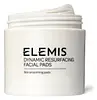
This smoothing exfoliating pad uses a pre-saturated pad with Lactic Acid and Lactococcus Ferment Lysate to refine skin texture and brighten dull-looking skin.
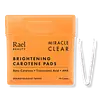
This brightening toner pad uses a pre-saturated pad with Niacinamide and Tranexamic Acid to brighten dull-looking skin and fade the look of dark spots.


What's inside
What's inside
 Key Ingredients
Benefits
Concerns
Ingredients Side-by-side
Water
Skin ConditioningButylene Glycol
Humectant

Lactococcus Ferment Lysate
Skin Conditioning
Polysorbate 20
Emulsifying

Methyl Gluceth-20
Humectant
Lactic Acid
Buffering









Phenoxyethanol
Preservative
Betaine
Humectant
Propylene Glycol
Humectant
Disodium EDTA
Benzoic Acid
Masking
Sodium Hydroxide
BufferingParfum
Masking

Dehydroacetic Acid
Preservative
Tromethamine
BufferingEthylhexylglycerin
Skin ConditioningPapain
Skin Conditioning
Saponins
CleansingSodium Benzoate
Masking
Sodium Chloride
MaskingGlycerin
Humectant
Behenyl Alcohol
Emollient
Butyrospermum Parkii Butter
Skin Conditioning

Hydrogenated Castor Oil
Emollient
Stearyl Alcohol
Emollient
Poria Cocos Extract
Skin ConditioningProtease
Exfoliating
Saponaria Officinalis Leaf/Root Extract
Skin ConditioningSubtilisin
Skin ConditioningTocopheryl Acetate
Antioxidant

Water, Butylene Glycol, Lactococcus Ferment Lysate, Polysorbate 20, Methyl Gluceth-20, Lactic Acid, Phenoxyethanol, Betaine, Propylene Glycol, Disodium EDTA, Benzoic Acid, Sodium Hydroxide, Parfum, Dehydroacetic Acid, Tromethamine, Ethylhexylglycerin, Papain, Saponins, Sodium Benzoate, Sodium Chloride, Glycerin, Behenyl Alcohol, Butyrospermum Parkii Butter, Hydrogenated Castor Oil, Stearyl Alcohol, Poria Cocos Extract, Protease, Saponaria Officinalis Leaf/Root Extract, Subtilisin, Tocopheryl Acetate
Water
Skin ConditioningDipropylene Glycol
HumectantGlycerin
Humectant
Niacinamide
Smoothing

Methylpropanediol
Solvent1,2-Hexanediol
Skin Conditioning
Hydroxyacetophenone
Antioxidant
Betaine
Humectant
Allantoin
Skin Conditioning
Tranexamic Acid
Astringent
Propanediol
Solvent
Carbomer
Emulsion StabilisingEthylhexylglycerin
Skin ConditioningCaprylyl Glycol
Emollient
Tromethamine
BufferingPolyglyceryl-10 Isostearate
Skin Conditioning
Sodium Citrate
BufferingPolyglyceryl-10 Oleate
Skin Conditioning
Gluconolactone
Skin Conditioning
Hydroxypropyl Methylcellulose
Emulsion StabilisingSodium Phytate
Xanthan Gum
EmulsifyingButylene Glycol
Humectant
Arginine
Masking
Caffeine
Skin Conditioning
Cynanchum Atratum Extract
Skin ConditioningAlthaea Rosea Flower Extract
Skin ConditioningTocopherol
Antioxidant
Citric Acid
Buffering
Lactobacillus/Rye Flour Ferment
Skin ConditioningLactobacillus/Soymilk Ferment Filtrate
Skin ConditioningBacillus/Soybean Ferment Extract
Skin ConditioningGlycine Max Oil
Emollient
Pentylene Glycol
Skin Conditioning
Daucus Carota Sativa Root Extract
Skin Conditioning
Madecassoside
Antioxidant
Sodium Hyaluronate
Humectant
Hydroxypropyltrimonium Hyaluronate
Folic Acid
Skin ConditioningPantothenic Acid
Skin ConditioningBeta-Carotene
Skin ConditioningPyridoxine
Skin ConditioningHydrolyzed Hyaluronic Acid
Humectant
Sodium Acetylated Hyaluronate
Humectant
Thiamine Hcl
MaskingHyaluronic Acid
Humectant
Cyanocobalamin
Skin ConditioningHydrolyzed Sodium Hyaluronate
Skin Conditioning
Riboflavin
Cosmetic ColorantSodium Hyaluronate Crosspolymer
Humectant
Potassium Hyaluronate
Skin ConditioningWater, Dipropylene Glycol, Glycerin, Niacinamide, Methylpropanediol, 1,2-Hexanediol, Hydroxyacetophenone, Betaine, Allantoin, Tranexamic Acid, Propanediol, Carbomer, Ethylhexylglycerin, Caprylyl Glycol, Tromethamine, Polyglyceryl-10 Isostearate, Sodium Citrate, Polyglyceryl-10 Oleate, Gluconolactone, Hydroxypropyl Methylcellulose, Sodium Phytate, Xanthan Gum, Butylene Glycol, Arginine, Caffeine, Cynanchum Atratum Extract, Althaea Rosea Flower Extract, Tocopherol, Citric Acid, Lactobacillus/Rye Flour Ferment, Lactobacillus/Soymilk Ferment Filtrate, Bacillus/Soybean Ferment Extract, Glycine Max Oil, Pentylene Glycol, Daucus Carota Sativa Root Extract, Madecassoside, Sodium Hyaluronate, Hydroxypropyltrimonium Hyaluronate, Folic Acid, Pantothenic Acid, Beta-Carotene, Pyridoxine, Hydrolyzed Hyaluronic Acid, Sodium Acetylated Hyaluronate, Thiamine Hcl, Hyaluronic Acid, Cyanocobalamin, Hydrolyzed Sodium Hyaluronate, Riboflavin, Sodium Hyaluronate Crosspolymer, Potassium Hyaluronate
Reviews
Ingredients Explained
These ingredients are found in both products.
Ingredients higher up in an ingredient list are typically present in a larger amount.
Betaine is a humectant. Like hyaluronic acid, it helps attract and retain moisture in the skin. It’s known for being gentle and for helping the skin maintain balanced hydration.
Betaine is mainly used to improve hydration and support calmer skin. It helps skin cells regulate water balance because it functions as an osmolyte.
Some studies suggest betaine may support making skin tone more even.
Fun fact: Betaine naturally exists in the skin and the body. In cosmetic products, it can be either plant-derived (most commonly from sugar beets) or synthetically produced for consistency and stability.
Betaine is also known as trimethylglycine.
Learn more about BetaineButylene Glycol (or BG) is used within cosmetic products for a few different reasons:
Overall, Butylene Glycol is a safe and well-rounded ingredient that works well with other ingredients.
Though this ingredient works well with most skin types, some people with sensitive skin may experience a reaction such as allergic rashes, closed comedones, or itchiness.
Learn more about Butylene GlycolEthylhexylglycerin is created from glycerin. It is a multitasker ingredient that:
The CIR Expert Panel found minimal skin absorption or sensitization of any kind in a safety assessment. Though this ingredient is considered well-tolerated, a small number of cases of allergic dermatitis have been published since 2002. Just be sure to patch test if you are unsure.
Industry-reported use ranges from 8% in rinse-off products and 2% in leave-on formulations.
Learn more about EthylhexylglycerinGlycerin (or glycerol) is a compound naturally found in your skin. It's a powerhouse humectant that pulls water into the stratum corneum.
Topically, glycerin does several things at once:
Your skin makes glycerin on its own (mostly from sebaceous oil breakdown) and shuttles it to your outermost layer of skin, or your epidermis, via aquaporin-3.
Aquaporin-3 is a transporter that is essential for normal skin hydration, elasticity, and repair. Interestingly, mice lacking in AQP3 have dry and less elastic skin that can be fully corrected with glycerin.
This ingredient is non-irritating, plays well with almost every ingredient, and works across all skin types. Typical use is anywhere between 3-10% but can go up to 79% in some leave-on products.
Just know very high concentrations (>40%) can feel tacky in low humidity.
Glycerin is the name for this ingredient in American English. British English uses Glycerol/Glycerine.
Learn more about GlycerinTromethamine (aka THAM) is a synthetic amino acid that shows up in skincare as a helper ingredient.
It functions as a pH adjuster to help neutralize acidic ingredients and set a formula's pH to the right spot.
This matters a lot because a lot of actives (like vitamin C) needs a specific pH to work well and feel comfortable on skin.
Concentration use ranges from 0.1-1.0% depending on the formula.
Learn more about TromethamineWater. It's the most common cosmetic ingredient of all. You'll usually see it at the top of ingredient lists, meaning that it makes up the largest part of the product.
So why is it so popular? Water most often acts as a solvent - this means that it helps dissolve other ingredients into the formulation.
You'll also recognize water as that liquid we all need to stay alive. If you see this, drink a glass of water. Remember to stay hydrated!
Learn more about Water

