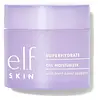
This barrier-repair moisturizer is formulated around Niacinamide and Squalane to strengthen the skin barrier and hydrate skin.
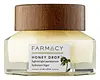
This calming moisturizer is formulated around Honey Extract and Propolis Extract to calm redness and hydrate skin.

What's inside
What's inside
 Key Ingredients
Benefits
Concerns
No concerns
Ingredients Side-by-side
Water
Skin ConditioningButylene Glycol
Humectant

Glycerin
Humectant
Dimethicone
Emollient
PEG-240/Hdi Copolymer Bis-Decyltetradeceth-20 Ether
StabilisingNiacinamide
Smoothing









Trehalose
Humectant
Squalane
Emollient
Centella Asiatica Extract
Cleansing
Tremella Fuciformis Sporocarp Extract
Antioxidant
Tocopheryl Acetate
Antioxidant
Tocopherol
Antioxidant
Propanediol
Solvent
1,2-Hexanediol
Skin Conditioning
Gellan Gum
Acrylates/C10-30 Alkyl Acrylate Crosspolymer
Emulsion StabilisingCaprylhydroxamic Acid
Tromethamine
BufferingSodium Chloride
MaskingSodium Citrate
BufferingPotassium Laurate
EmulsifyingSodium Benzoate
Masking
Potassium Sorbate
Preservative
Phenoxyethanol
Preservative
Ethylhexylglycerin
Skin ConditioningWater, Butylene Glycol, Glycerin, Dimethicone, PEG-240/Hdi Copolymer Bis-Decyltetradeceth-20 Ether, Niacinamide, Trehalose, Squalane, Centella Asiatica Extract, Tremella Fuciformis Sporocarp Extract, Tocopheryl Acetate, Tocopherol, Propanediol, 1,2-Hexanediol, Gellan Gum, Acrylates/C10-30 Alkyl Acrylate Crosspolymer, Caprylhydroxamic Acid, Tromethamine, Sodium Chloride, Sodium Citrate, Potassium Laurate, Sodium Benzoate, Potassium Sorbate, Phenoxyethanol, Ethylhexylglycerin
Water
Skin ConditioningGlycereth-26
Humectant
Glycerin
Humectant
C13-15 Alkane
SolventAlcohol Denat.
Antimicrobial




Camellia Japonica Seed Oil
Emollient

Methyl Gluceth-20
Humectant
Echinacea Purpurea Root Extract
MoisturisingHoney Extract
Humectant
Propolis Extract
Skin Conditioning
Royal Jelly Extract
Skin Conditioning
Hydrolyzed Hyaluronic Acid
Humectant
Hydrolyzed Sodium Hyaluronate
Skin Conditioning
Sodium Hyaluronate
Humectant
Theobroma Grandiflorum Seed Butter
Skin Conditioning
Limnanthes Alba Seed Oil
Skin Conditioning
Paeonia Suffruticosa Root Extract
Skin ProtectingScutellaria Baicalensis Root Extract
Astringent
Allantoin
Skin Conditioning
Melia Azadirachta Flower Extract
Skin ConditioningLactobacillus/Soybean Ferment Extract
Skin ConditioningMelia Azadirachta Leaf Extract
Skin ConditioningImperata Cylindrica Root Extract
Skin ConditioningViscum Album Leaf Extract
SoothingSolanum Melongena Fruit Extract
Skin ConditioningOcimum Basilicum Flower/Leaf Extract
TonicCoccinia Indica Fruit Extract
Skin Conditioning
Adenosine
Skin Conditioning
Betaine
Humectant
Capryloyl Glycerin/Sebacic Acid Copolymer
Skin ConditioningCurcuma Longa Root Extract
Antioxidant
Aloe Barbadensis Flower Extract
EmollientCorallina Officinalis Extract
Skin Conditioning
Ocimum Sanctum Leaf Extract
Skin ConditioningEclipta Prostrata Extract
Skin Conditioning
Aroma

Sorbitan Olivate
Emulsifying
Sucrose Stearate
EmollientAcrylates/C10-30 Alkyl Acrylate Crosspolymer
Emulsion StabilisingDisodium EDTA
Glyceryl Polyacrylate
Agar
MaskingCalcium Alginate
MaskingMica
Cosmetic ColorantCI 77492
Cosmetic ColorantPropanediol
Solvent
1,2-Hexanediol
Skin Conditioning
Diheptyl Succinate
EmollientButylene Glycol
Humectant
Carbomer
Emulsion StabilisingHydroxyacetophenone
Antioxidant
Tromethamine
BufferingCetearyl Olivate
Phenoxyethanol
Preservative
Caprylyl Glycol
Emollient
Water, Glycereth-26, Glycerin, C13-15 Alkane, Alcohol Denat., Camellia Japonica Seed Oil, Methyl Gluceth-20, Echinacea Purpurea Root Extract, Honey Extract, Propolis Extract, Royal Jelly Extract, Hydrolyzed Hyaluronic Acid, Hydrolyzed Sodium Hyaluronate, Sodium Hyaluronate, Theobroma Grandiflorum Seed Butter, Limnanthes Alba Seed Oil, Paeonia Suffruticosa Root Extract, Scutellaria Baicalensis Root Extract, Allantoin, Melia Azadirachta Flower Extract, Lactobacillus/Soybean Ferment Extract, Melia Azadirachta Leaf Extract, Imperata Cylindrica Root Extract, Viscum Album Leaf Extract, Solanum Melongena Fruit Extract, Ocimum Basilicum Flower/Leaf Extract, Coccinia Indica Fruit Extract, Adenosine, Betaine, Capryloyl Glycerin/Sebacic Acid Copolymer, Curcuma Longa Root Extract, Aloe Barbadensis Flower Extract, Corallina Officinalis Extract, Ocimum Sanctum Leaf Extract, Eclipta Prostrata Extract, Aroma, Sorbitan Olivate, Sucrose Stearate, Acrylates/C10-30 Alkyl Acrylate Crosspolymer, Disodium EDTA, Glyceryl Polyacrylate, Agar, Calcium Alginate, Mica, CI 77492, Propanediol, 1,2-Hexanediol, Diheptyl Succinate, Butylene Glycol, Carbomer, Hydroxyacetophenone, Tromethamine, Cetearyl Olivate, Phenoxyethanol, Caprylyl Glycol
Reviews
Ingredients Explained
These ingredients are found in both products.
Ingredients higher up in an ingredient list are typically present in a larger amount.
1,2-Hexanediol is a synthetic liquid and another multi-functional powerhouse.
It is a:
- Humectant, drawing moisture into the skin
- Emollient, helping to soften skin
- Solvent, dispersing and stabilizing formulas
- Preservative booster, enhancing the antimicrobial activity of other preservatives
Acrylates/C10-30 Alkyl Acrylate Crosspolymer is a synthetic polymer. It is used to thicken, emulsify, and improve the texture of products.
As an emulsifier, it helps stabilize oil-in-water emulsions to give products an elegant feel when applied.
It can also form a thin protective film on skin. One study found that a formula using this polymer helped slow down how quickly other ingredients (like DEET) were absorbed through skin.
A 2024 study of over 1,300 patients confirmed that sensitization to this ingredient is rare. It is also non-mutagenic and has a clean track record.
Learn more about Acrylates/C10-30 Alkyl Acrylate CrosspolymerButylene Glycol (or BG) is used within cosmetic products for a few different reasons:
Overall, Butylene Glycol is a safe and well-rounded ingredient that works well with other ingredients.
Though this ingredient works well with most skin types, some people with sensitive skin may experience a reaction such as allergic rashes, closed comedones, or itchiness.
Learn more about Butylene GlycolGlycerin (or glycerol) is a compound naturally found in your skin. It's a powerhouse humectant that pulls water into the stratum corneum.
Topically, glycerin does several things at once:
Your skin makes glycerin on its own (mostly from sebaceous oil breakdown) and shuttles it to your outermost layer of skin, or your epidermis, via aquaporin-3.
Aquaporin-3 is a transporter that is essential for normal skin hydration, elasticity, and repair. Interestingly, mice lacking in AQP3 have dry and less elastic skin that can be fully corrected with glycerin.
This ingredient is non-irritating, plays well with almost every ingredient, and works across all skin types. Typical use is anywhere between 3-10% but can go up to 79% in some leave-on products.
Just know very high concentrations (>40%) can feel tacky in low humidity.
Glycerin is the name for this ingredient in American English. British English uses Glycerol/Glycerine.
Learn more about GlycerinPhenoxyethanol is one of the most widely used preservatives in skincare (and for good reason!).
It has a large spectrum of antimicrobial activity and especially effective bacteria, yeast, and mold while only having a weak effect on your skin's natural microbiome.
On a cellular level, it disrupts the cell membranes of microbes by poking holes that make the cell leak. This shuts down the chemical reactions the microbe needs to make energy so it can no longer survive.
Another perk of this ingredient is that it stays functional across a wide pH range (3-10).
You'll often see it paired with boosters like Ethylhexylglycerin; one study showed that a 1:9 ratio of Ethylhexylglycerin to Phenoxyethanol damages bacterial membranes as effectively as doubling the Phenoxyethanol concentration on its own.
Typical use concentrations range from 0.3-1% depending on the formula, and this ingredient is capped at 1% int the EU.
Safety-wise, the fear mongering does not hold up to the evidence. The EU's Scientific Committee on Consumer Safety and FDA consider it safe as a preservative at up to 1%, including for children of all ages.
Adverse systemic effects only showed up in animal studies at exposures roughly 200x higher than what people get from cosmetics. And despite its very widespread use, this ingredient is a rare sensitizer and allergic reactions are uncommon.
Learn more about PhenoxyethanolPropanediol is an all-star ingredient. It softens, hydrates, and smooths the skin.
It’s often used to:
Propanediol is not likely to cause sensitivity and considered safe to use. It is derived from corn or petroleum with a clear color and no scent.
Learn more about PropanediolTromethamine (aka THAM) is a synthetic amino acid that shows up in skincare as a helper ingredient.
It functions as a pH adjuster to help neutralize acidic ingredients and set a formula's pH to the right spot.
This matters a lot because a lot of actives (like vitamin C) needs a specific pH to work well and feel comfortable on skin.
Concentration use ranges from 0.1-1.0% depending on the formula.
Learn more about TromethamineWater. It's the most common cosmetic ingredient of all. You'll usually see it at the top of ingredient lists, meaning that it makes up the largest part of the product.
So why is it so popular? Water most often acts as a solvent - this means that it helps dissolve other ingredients into the formulation.
You'll also recognize water as that liquid we all need to stay alive. If you see this, drink a glass of water. Remember to stay hydrated!
Learn more about Water

