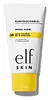
This chemical sunscreen covers most of the UV range, lighter on the deep UVA that drives aging.
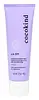
This hybrid sunscreen covers the full UV range and blocks ~97% of UVB at SPF 30.

What's inside
What's inside
 Key Ingredients
Benefits
Concerns
Ingredients Side-by-side
Butyl Methoxydibenzoylmethane 3%
UV Absorber
Homosalate 9%
Skin Conditioning
Ethylhexyl Salicylate 5%
UV Absorber
Octocrylene 7%
UV Absorber

Water
Skin ConditioningGlycerin
Humectant


Polyglyceryl-3 Distearate
Emulsifying

CI 77163
Cosmetic Colorant
Niacinamide
Smoothing









Aluminum Starch Octenylsuccinate
Absorbent
Trehalose
Humectant
Silica
Abrasive
Panthenol
Skin Conditioning
Sodium Hyaluronate
Humectant
Squalane
Emollient
Aloe Barbadensis Leaf Juice
Skin Conditioning
Glyceryl Stearate Citrate
Emollient
Cetearyl Olivate
Sorbitan Olivate
Emulsifying
Stearyl Caprylate
EmollientStearic Acid
Cleansing
Palmitic Acid
Emollient
Dimethicone
Emollient
Cetearyl Alcohol
Emollient

Stearyl Heptanoate
Emollient
Polyacrylate-13
Polyisobutene
Polysorbate 20
Emulsifying
Ethylhexyl Hydroxystearate
Emollient
Sorbitan Isostearate
Emulsifying
Triethoxycaprylylsilane
Acrylates/Polytrimethylsiloxymethacrylate Copolymer
Skin ConditioningCaprylyl Glycol
Emollient
Ethylhexylglycerin
Skin ConditioningPotassium Sorbate
Preservative
Phenoxyethanol
Preservative
Disodium EDTA
Sodium Benzoate
Masking
Citric Acid
Buffering
Iron Oxides
Butyl Methoxydibenzoylmethane 3%, Homosalate 9%, Ethylhexyl Salicylate 5%, Octocrylene 7%, Water, Glycerin, Polyglyceryl-3 Distearate, CI 77163, Niacinamide, Aluminum Starch Octenylsuccinate, Trehalose, Silica, Panthenol, Sodium Hyaluronate, Squalane, Aloe Barbadensis Leaf Juice, Glyceryl Stearate Citrate, Cetearyl Olivate, Sorbitan Olivate, Stearyl Caprylate, Stearic Acid, Palmitic Acid, Dimethicone, Cetearyl Alcohol, Stearyl Heptanoate, Polyacrylate-13, Polyisobutene, Polysorbate 20, Ethylhexyl Hydroxystearate, Sorbitan Isostearate, Triethoxycaprylylsilane, Acrylates/Polytrimethylsiloxymethacrylate Copolymer, Caprylyl Glycol, Ethylhexylglycerin, Potassium Sorbate, Phenoxyethanol, Disodium EDTA, Sodium Benzoate, Citric Acid, Iron Oxides
Zinc Oxide 10.5%
Cosmetic Colorant
Homosalate 10%
Skin Conditioning
Water
Skin ConditioningCaprylic/Capric Triglyceride
Masking
Glyceryl Stearate Se
Emulsifying
Coconut Alkanes
Emollient
Glycerin
Humectant
Coco-Caprylate/Caprate
Emollient
Decyl Glucoside
Cleansing
Oryza Sativa Starch
AbsorbentMusa Sapientum Flower Extract
Skin ConditioningPolyhydroxystearic Acid
Emulsifying
Polyglyceryl-3 Polyricinoleate
Emulsifying
Isostearic Acid
Cleansing
Lecithin
Emollient
Xanthan Gum
EmulsifyingHydroxyethylcellulose
Emulsion StabilisingCaprylyl Glycol
Emollient
Caprylhydroxamic Acid
Sodium Benzoate
Masking
Citric Acid
Buffering
Disodium Phosphate
BufferingSodium Phosphate
BufferingZinc Oxide 10.5%, Homosalate 10%, Water, Caprylic/Capric Triglyceride, Glyceryl Stearate Se, Coconut Alkanes, Glycerin, Coco-Caprylate/Caprate, Decyl Glucoside, Oryza Sativa Starch, Musa Sapientum Flower Extract, Polyhydroxystearic Acid, Polyglyceryl-3 Polyricinoleate, Isostearic Acid, Lecithin, Xanthan Gum, Hydroxyethylcellulose, Caprylyl Glycol, Caprylhydroxamic Acid, Sodium Benzoate, Citric Acid, Disodium Phosphate, Sodium Phosphate
Reviews
Ingredients Explained
These ingredients are found in both products.
Ingredients higher up in an ingredient list are typically present in a larger amount.
Caprylyl Glycol is a humectant, skin conditioner, emollient, and preservative booster derived from either caprylic acid or synthetically created.
Typical use levels vary from 0.3-1% as a preservative booster and go up to 2% to condition skin.
Because it is not a free-fatty acid, this ingredient is fungal acne safe (there's nothing for Malassezia to feed on).
Learn more about Caprylyl GlycolCitric Acid is an alpha hydroxy acid (AHA) naturally found in citrus fruits like oranges, lemons, and limes.
Like other AHAs, citric acid can exfoliate skin by breaking down the bonds that hold dead skin cells together. This helps reveal smoother and brighter skin underneath.
However, this exfoliating effect only happens at high concentrations (20%) which can be hard to find in cosmetic products.
Due to this, citric acid is usually included in small amounts as a pH adjuster. This helps keep products slightly more acidic and compatible with skin's natural pH.
In skincare formulas, citric acid can:
While it can provide some skin benefits, research shows lactic acid and glycolic acid are generally more effective and less irritating exfoliants.
Most citric acid used in skincare today is made by fermenting sugars (usually from molasses). This synthetic version is identical to the natural citrus form but easier to stabilize and use in formulations.
Read more about some other popular AHA's here:
Learn more about Citric AcidGlycerin (or glycerol) is a compound naturally found in your skin. It's a powerhouse humectant that pulls water into the stratum corneum.
Topically, glycerin does several things at once:
Your skin makes glycerin on its own (mostly from sebaceous oil breakdown) and shuttles it to your outermost layer of skin, or your epidermis, via aquaporin-3.
Aquaporin-3 is a transporter that is essential for normal skin hydration, elasticity, and repair. Interestingly, mice lacking in AQP3 have dry and less elastic skin that can be fully corrected with glycerin.
This ingredient is non-irritating, plays well with almost every ingredient, and works across all skin types. Typical use is anywhere between 3-10% but can go up to 79% in some leave-on products.
Just know very high concentrations (>40%) can feel tacky in low humidity.
Glycerin is the name for this ingredient in American English. British English uses Glycerol/Glycerine.
Learn more about GlycerinHomosalate is an oil-soluble organic UVB filter that has been a sunscreen staple for decades. Its job is to absorb UVB rays (~295-315 nm) and protect your skin against sunburn,
This is one of the more photostable organic UV filters; it holds up pretty well under UV and a 2022 quantum-chemistry study found it stays stable in sunlight.
It's actually so reliable that formulators often pair it with shakier ingredients like oxybenzone and avobenzone. Formulators also use it to help dissolve the other UV filters into the oil phase.
One thing to keep in mind: "stable" isn't the same as "strong". On its own, homosalate is actually a pretty weak UV filter so it's better off as a helpful team player that helps boost overall SPF protection.
The safety picture is a bit nuanced but not scary.
This ingredient has a long track record of being gentle and regulators agree it isn't an irritant; EU's Scientific Committee on Consumer Safety found that homosalate is not considered a skin irritant and doesn't raise eye-irritation flags either.
There's talk about homosalate because your skin absorbs a little bit of it into your bloodstream. A 2020 FDA-backed study found homosalate showed up in people's blood levels at the level where the FDA decides to double check.
The EU's Scientific Committee on Consumer Safety (SCCS) also found small amounts in blood and breast milk. They estimated that about 5% of what you apply gets absorbed through the skin.
Due to the debate about whether it might mess with hormones, the SCCS recommended a maximum limit of 0.5% in most products of 7.3% in face creams/pump sprays.
One important thing to keep in mind: in the US, Homosalate is currently labeled "non-GRASE" by the FDA. This sounds alarming but really just means the FDA wants more data to confirm it's safe. It's not confidently saying this ingredient is harmful.
As of now, homosalate is still completely legal and widely used while that research gets done.
The current maximum limits are:
Learn more about HomosalateSodium Benzoate is a preservative. It's used in both cosmetic and food products to inhibit the growth of mold and bacteria. It is typically produced synthetically.
Both the US FDA and EU Health Committee have approved the use of sodium benzoate. In the US, levels of 0.1% (of the total product) are allowed.
Sodium benzoate works as a preservative by inhibiting the growth of bacteria inside of cells. It prevents the cell from fermenting a type of sugar using an enzyme called phosphofructokinase.
It is the salt of benzoic acid. Foods containing sodium benzoate include soda, salad dressings, condiments, fruit juices, wines, and snack foods.
Studies for using ascorbic acid and sodium benzoate in cosmetics are lacking, especially in skincare routines with multiple steps.
We always recommend speaking with a professional, such as a dermatologist, if you have any concerns.
Learn more about Sodium BenzoateWater. It's the most common cosmetic ingredient of all. You'll usually see it at the top of ingredient lists, meaning that it makes up the largest part of the product.
So why is it so popular? Water most often acts as a solvent - this means that it helps dissolve other ingredients into the formulation.
You'll also recognize water as that liquid we all need to stay alive. If you see this, drink a glass of water. Remember to stay hydrated!
Learn more about Water

