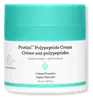
This anti-aging moisturizer is formulated around Sclerocarya Birrea Seed Oil and Sh-Oligopeptide-1 to soften the look of wrinkles and hydrate skin.
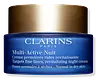
This night moisturizer is formulated around Butyrospermum Parkii Butter to hydrate skin.


What's inside
What's inside
 Key Ingredients
Benefits
Concerns
Ingredients Side-by-side
Water
Skin ConditioningDicaprylyl Carbonate
EmollientGlycerin
Humectant


Cetearyl Alcohol
Emollient






Cetearyl Olivate
Sorbitan Olivate
Emulsifying
Sclerocarya Birrea Seed Oil
Humectant
Bacillus/Folic Acid Ferment Filtrate Extract
Antioxidant
Nymphaea Alba Root Extract
Skin ConditioningSh-Oligopeptide-1
Skin Conditioning

Sh-Oligopeptide-2
Skin Conditioning
Sh-Polypeptide-1
Skin Conditioning
Sh-Polypeptide-9
Skin Conditioning
Sh-Polypeptide-11
Copper Palmitoyl Heptapeptide-14
Skin Conditioning
Heptapeptide-15 Palmitate
Skin Conditioning
Palmitoyl Tetrapeptide-7
Skin Conditioning
Palmitoyl Tripeptide-1
Skin Conditioning
Alanine
Masking
Arginine
Masking
Glycine
Buffering
Histidine
Humectant
Isoleucine
Skin ConditioningPhenylalanine
Masking
Proline
Skin Conditioning
Serine
Masking
Threonine
Valine
MaskingAcetyl Glutamine
Skin ConditioningCoconut Alkanes
Emollient
Coco-Caprylate/Caprate
Emollient
Sodium Hyaluronate
Humectant

Aspartic Acid
Masking
Linoleic Acid
Cleansing

Linolenic Acid
Cleansing

Lecithin
Emollient
Butylene Glycol
Humectant
Polyvinyl Alcohol
Sodium Lactate
Buffering
Sodium PCA
Humectant
PCA
Humectant
Sorbitan Isostearate
Emulsifying
Carbomer
Emulsion StabilisingPolysorbate 20
Emulsifying
Polysorbate 60
Emulsifying
Lactic Acid/Glycolic Acid Copolymer
Skin ConditioningHydroxyethyl Acrylate/Sodium Acryloyldimethyl Taurate Copolymer
Emulsion StabilisingXanthan Gum
EmulsifyingIsomalt
Humectant1,2-Hexanediol
Skin Conditioning
Caprylyl Glycol
Emollient
Chlorphenesin
Antimicrobial
Phenoxyethanol
Preservative
Tocopherol
Antioxidant

Sodium Benzoate
Masking
Phenylpropanol
Masking
Glyceryl Caprylate
EmollientSymphytum Officinale Callus Culture Extract
Skin ConditioningWater, Dicaprylyl Carbonate, Glycerin, Cetearyl Alcohol, Cetearyl Olivate, Sorbitan Olivate, Sclerocarya Birrea Seed Oil, Bacillus/Folic Acid Ferment Filtrate Extract, Nymphaea Alba Root Extract, Sh-Oligopeptide-1, Sh-Oligopeptide-2, Sh-Polypeptide-1, Sh-Polypeptide-9, Sh-Polypeptide-11, Copper Palmitoyl Heptapeptide-14, Heptapeptide-15 Palmitate, Palmitoyl Tetrapeptide-7, Palmitoyl Tripeptide-1, Alanine, Arginine, Glycine, Histidine, Isoleucine, Phenylalanine, Proline, Serine, Threonine, Valine, Acetyl Glutamine, Coconut Alkanes, Coco-Caprylate/Caprate, Sodium Hyaluronate, Aspartic Acid, Linoleic Acid, Linolenic Acid, Lecithin, Butylene Glycol, Polyvinyl Alcohol, Sodium Lactate, Sodium PCA, PCA, Sorbitan Isostearate, Carbomer, Polysorbate 20, Polysorbate 60, Lactic Acid/Glycolic Acid Copolymer, Hydroxyethyl Acrylate/Sodium Acryloyldimethyl Taurate Copolymer, Xanthan Gum, Isomalt, 1,2-Hexanediol, Caprylyl Glycol, Chlorphenesin, Phenoxyethanol, Tocopherol, Sodium Benzoate, Phenylpropanol, Glyceryl Caprylate, Symphytum Officinale Callus Culture Extract
Water
Skin ConditioningCetearyl Isononanoate
Emollient
Glycerin
Humectant
Isononyl Isononanoate
EmollientPropanediol
Solvent
Cetearyl Alcohol
Emollient
Sucrose Polystearate
EmollientButyrospermum Parkii Butter
Skin Conditioning
Cetearyl Glucoside
Emulsifying
Sodium Stearoyl Glutamate
CleansingParfum
Masking
Cellulose
Absorbent
Cetyl Palmitate
Emollient
Dipsacus Sylvestris Extract
Skin ConditioningCaprylyl Glycol
Emollient
Carbomer
Emulsion StabilisingEthylhexylglycerin
Skin ConditioningTocopheryl Acetate
Antioxidant
Disodium EDTA
ChelatingSodium Hyaluronate
Humectant
Actinidia Chinensis Fruit Extract
EmollientButylene Glycol
Humectant
Marrubium Vulgare Extract
Skin ConditioningHedychium Coronarium Root Extract
MaskingPhenethyl Alcohol
MaskingFurcellaria Lumbricalis Extract
Skin ConditioningSodium Citrate
BufferingCitric Acid
Buffering
Lactic Acid/Glycolic Acid Copolymer
Skin ConditioningLapsana Communis Flower/Leaf/Stem Extract
Skin ConditioningMaris Sal
Skin ConditioningHeptapeptide-15 Palmitate
Skin Conditioning
Polyvinyl Alcohol
Copper Palmitoyl Heptapeptide-14
Skin Conditioning
Water, Cetearyl Isononanoate, Glycerin, Isononyl Isononanoate, Propanediol, Cetearyl Alcohol, Sucrose Polystearate, Butyrospermum Parkii Butter, Cetearyl Glucoside, Sodium Stearoyl Glutamate, Parfum, Cellulose, Cetyl Palmitate, Dipsacus Sylvestris Extract, Caprylyl Glycol, Carbomer, Ethylhexylglycerin, Tocopheryl Acetate, Disodium EDTA, Sodium Hyaluronate, Actinidia Chinensis Fruit Extract, Butylene Glycol, Marrubium Vulgare Extract, Hedychium Coronarium Root Extract, Phenethyl Alcohol, Furcellaria Lumbricalis Extract, Sodium Citrate, Citric Acid, Lactic Acid/Glycolic Acid Copolymer, Lapsana Communis Flower/Leaf/Stem Extract, Maris Sal, Heptapeptide-15 Palmitate, Polyvinyl Alcohol, Copper Palmitoyl Heptapeptide-14
Reviews
Ingredients Explained
These ingredients are found in both products.
Ingredients higher up in an ingredient list are typically present in a larger amount.
Butylene Glycol (or BG) is used within cosmetic products for a few different reasons:
Overall, Butylene Glycol is a safe and well-rounded ingredient that works well with other ingredients.
Though this ingredient works well with most skin types, some people with sensitive skin may experience a reaction such as allergic rashes, closed comedones, or itchiness.
Learn more about Butylene GlycolCaprylyl Glycol is a humectant, skin conditioner, emollient, and preservative booster derived from either caprylic acid or synthetically created.
Typical use levels vary from 0.3-1% as a preservative booster and go up to 2% to condition skin.
Because it is not a free-fatty acid, this ingredient is fungal acne safe (there's nothing for Malassezia to feed on).
Learn more about Caprylyl GlycolCarbomer is a synthetic thickening and gelling agent. It's basically the ingredient that gives a lot of serums, gels, creams, and sunscreens their smooth, non-sticky texture.
Although legally permitted at very high levels, carbomers are normally used at concentrations below 1%.
It also needs to be neutralized to actually thicken, and because it is a large molecule, it doesn't really penetrate the skin barrier.
Allergy-wise, the risk is very low. Clinical studies show carbomers have low potential for skin irritation/sensitization even at concentrations up to 100%.
A 2024 UK study patch-tested 1,302 patients and found true allergy to the parent group of carbomer to be rare with no confirmed relevant reactions.
Learn more about CarbomerCetearyl alcohol is a waxy mixture of two fatty alcohols: cetyl alcohol and stearyl alcohol. It is an emollient and emulsifier.
Despite having "alcohol" in its name, it has nothing to do with drying solvent alcohols; the FDA also allows "alcohol-free" products to contain fatty alcohols like this ingredient.
It plays several roles in a formula:
Typical use levels for this ingredient sit around 1-10% and the Cosmetic Ingredient Review Expert Panel has affirmed safety at concentrations up to 25% in leave-on products.
Multiple assessments have found it to be non-irritating and non-sensitizing to most people.
However, there have been some cases of allergic contact dermatitis in patients with chronically compromised skin barriers.
Cetearyl alcohol has a comedogenic rating of 2 and irritancy rating of 1. Both of these numbers come from the 1989 study that used rabbit ears; a "2" means mildly comedogenic and a "1" means low irritancy.
Here's the catch: rabbit skin is more sensitive than human skin and throws a lot of false positives. A 1996 reappraisal found that ingredients rated 1-2 in the rabbit ear tests are generally safe for humans.
Remember comedogenic ratings are unable to assess the entire formula of a product or how it will react on your skin. Just be sure to patch test if you are unsure about certain ingredients.
This ingredient is not fungal acne safe. Cetearyl alcohol is a fatty alcohol with chain lengths that fall within the range that Malassezia can metabolize.
A 2019 study has also observed Malassezia growth in the presence of this ingredient, confirming it to be not-fungal acne safe.
Learn more about Cetearyl AlcoholThis peptide is the copper salt and formed by reacting palmitic acid and heptapeptide-14.
This uses a high-tech delivery system called The Cosmetic Drone, where the peptide is enclosed in a shell made from Lactic Acid/Glycolic Acid Copolymer and Polyvinyl Alcohol. Another peptide on the outside guides the capsule to fibroblast cells, the collagen-producing cells in the skin.
Once it reaches the fibroblasts, Copper Palmitoyl Heptapeptide-14 boosts the production of collagen and elastin.
This advanced system works at an incredibly low concentration of just 0.001%.
Learn more about Copper Palmitoyl Heptapeptide-14Glycerin (or glycerol) is a compound naturally found in your skin. It's a powerhouse humectant that pulls water into the stratum corneum.
Topically, glycerin does several things at once:
Your skin makes glycerin on its own (mostly from sebaceous oil breakdown) and shuttles it to your outermost layer of skin, or your epidermis, via aquaporin-3.
Aquaporin-3 is a transporter that is essential for normal skin hydration, elasticity, and repair. Interestingly, mice lacking in AQP3 have dry and less elastic skin that can be fully corrected with glycerin.
This ingredient is non-irritating, plays well with almost every ingredient, and works across all skin types. Typical use is anywhere between 3-10% but can go up to 79% in some leave-on products.
Just know very high concentrations (>40%) can feel tacky in low humidity.
Glycerin is the name for this ingredient in American English. British English uses Glycerol/Glycerine.
Learn more about GlycerinHeptapeptide-15 Palmitate is a synthetic targeting peptide. It's made up of seven amino acids with a palmitic acid tail attached.
This fatty acid attachment increases the molecule's hydrophobicity, improves stability, reduces enzyme degradation, and enhances its ability to cross the skin's lipid barrier (this is a common challenge for peptides).
As a targeting peptide, it sits on the outer shell of an encapsulated ingredient system and seeks out receptors on collagen and elastin producing cells in skin.
Once it binds, the cell internalizes the capsule and releases the active payload inside; it essentially acts as a GPS guiding ingredients to the right place.
It also mimicks the skin's natural growth factors to support skin firmness by upping production of collagen, elastin, glycosaminoglycans (GAGs).
Most of the evidence for this ingredient comes from manufacturer in vitro data, so independent clinical trials are still limited. However, the underlying mechanism is well-supported by the broader cosmetic peptide literature.
Fungal acne note:
Usually a palmitic acid component can feed Malassezia in unbound form, but here is is covalently bonded to the peptide. This means it is very difficult for Malassezia to access, and therefore very unlikely to cause fungal acne.
This ingredient is a combination of two AHAs, lactic acid and glycolic acid. It has exfoliating properties
We don't have a description for Polyvinyl Alcohol yet.
Sodium Hyaluronate is the salt form of hyaluronic acid. It is a long sugar chain that is naturally found in your skin, joints, and connective tissue that maintains hydration and elasticity.
In skincare, it works as a humectant. It pulls water from the environment and deeper layers of skin and binds it to the surface.
Interestingly, the size of the molecule affects its behavior:
Some clinical evidence links low molecular weight versions to improved wrinkle depth, elasticity, anti-inflammatory effects, and barrier repair.
Many serums use a blend of both weights so you can get surface hydration plus longer-lasting and deeper effects.
You'll typically see concentrations between 0.1-2% for this ingredient.
Learn more about Sodium HyaluronateWater. It's the most common cosmetic ingredient of all. You'll usually see it at the top of ingredient lists, meaning that it makes up the largest part of the product.
So why is it so popular? Water most often acts as a solvent - this means that it helps dissolve other ingredients into the formulation.
You'll also recognize water as that liquid we all need to stay alive. If you see this, drink a glass of water. Remember to stay hydrated!
Learn more about Water

