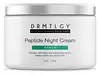
This anti-aging night moisturizer is formulated around Palmitoyl Tripeptide-1 and Palmitoyl Tripeptide-5 to soften the look of wrinkles.
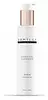
This mild gel cleanser is made to cleanse without leaving your skin tight or dry.

What's inside
What's inside
 Key Ingredients
Benefits
Concerns
Ingredients Side-by-side
Water
Skin ConditioningGlyceryl Stearate
Emollient

Propanediol
Solvent

C12-15 Alkyl Benzoate
AntimicrobialGlycerin
Humectant
Isopropyl Palmitate
Emollient


Undecane
EmollientButyrospermum Parkii Butter
Skin Conditioning
Caprylic/Capric Triglyceride
Masking
Cetyl Alcohol
Emollient
Dimethicone
Emollient
PEG-100 Stearate
Surfactant
Palmitoyl Dipeptide-5 Diaminobutyroyl Hydroxythreonine
Skin Conditioning
Palmitoyl Tripeptide-1
Skin Conditioning

Palmitoyl Tripeptide-5
Skin Conditioning
Palmitoyl Tetrapeptide-7
Skin Conditioning
Trifluoroacetyl Tripeptide-2
Skin Conditioning
Tetradecyl Aminobutyroylvalylaminobutyric Urea Trifluoroacetate
Skin ConditioningCeramide NP
Skin Conditioning


Ceramide AP
Skin Conditioning
Ceramide EOP
Skin Conditioning
Phytosphingosine
Skin Conditioning
Cholesterol
Emollient
Tridecane
Perfuming

Allantoin
Skin Conditioning
Tocopherol
Antioxidant



Glycol Distearate
Emollient
Potassium Cetyl Phosphate
EmulsifyingButylene Glycol
Humectant
Ethylhexylglycerin
Skin ConditioningAcrylates/C10-30 Alkyl Acrylate Crosspolymer
Emulsion StabilisingCarbomer
Emulsion StabilisingPolysorbate 20
Emulsifying
Dextran
Magnesium Chloride
Phenoxyethanol
Preservative
Disodium EDTA
ChelatingSodium Hydroxide
BufferingSodium Lauroyl Lactylate
EmulsifyingXanthan Gum
EmulsifyingWater, Glyceryl Stearate, Propanediol, C12-15 Alkyl Benzoate, Glycerin, Isopropyl Palmitate, Undecane, Butyrospermum Parkii Butter, Caprylic/Capric Triglyceride, Cetyl Alcohol, Dimethicone, PEG-100 Stearate, Palmitoyl Dipeptide-5 Diaminobutyroyl Hydroxythreonine, Palmitoyl Tripeptide-1, Palmitoyl Tripeptide-5, Palmitoyl Tetrapeptide-7, Trifluoroacetyl Tripeptide-2, Tetradecyl Aminobutyroylvalylaminobutyric Urea Trifluoroacetate, Ceramide NP, Ceramide AP, Ceramide EOP, Phytosphingosine, Cholesterol, Tridecane, Allantoin, Tocopherol, Glycol Distearate, Potassium Cetyl Phosphate, Butylene Glycol, Ethylhexylglycerin, Acrylates/C10-30 Alkyl Acrylate Crosspolymer, Carbomer, Polysorbate 20, Dextran, Magnesium Chloride, Phenoxyethanol, Disodium EDTA, Sodium Hydroxide, Sodium Lauroyl Lactylate, Xanthan Gum
Water
Skin ConditioningDecyl Glucoside
Cleansing
Cocamidopropyl Hydroxysultaine
Cleansing
Cocamidopropyl Betaine
Cleansing
Cocamide Mipa
Emulsifying
PEG-150 Pentaerythrityl Tetrastearate
Emulsifying
Glycol Distearate
Emollient
Aloe Barbadensis Leaf Extract
Emollient
Cucumis Sativus Fruit Extract
Emollient
Kaempferia Galanga Root Extract
Skin ConditioningSalvia Sclarea Extract
AntiseborrhoeicCitrus Aurantium Dulcis Peel Oil
Masking

Prunus Amygdalus Dulcis Oil
Skin Conditioning
Citrus Grandis Peel Oil
Masking

Citrus Aurantifolia Oil
Cleansing
Zingiber Officinale Root Oil
Masking
Citrus Aurantium Bergamia Fruit Oil
Masking
Mentha Piperita Oil
Masking
Sodium Hyaluronate
Humectant
Saccharide Isomerate
Humectant
Panthenol
Skin Conditioning
Glycerin
Humectant
Disodium Laureth Sulfosuccinate
CleansingDisodium Lauryl Sulfosuccinate
CleansingPEG-6 Caprylic/Capric Glycerides
EmulsifyingDisodium EDTA
ChelatingCitric Acid
Buffering
Sodium Hydroxide
BufferingMethylchloroisothiazolinone
Preservative
Methylisothiazolinone
Preservative
Water, Decyl Glucoside, Cocamidopropyl Hydroxysultaine, Cocamidopropyl Betaine, Cocamide Mipa, PEG-150 Pentaerythrityl Tetrastearate, Glycol Distearate, Aloe Barbadensis Leaf Extract, Cucumis Sativus Fruit Extract, Kaempferia Galanga Root Extract, Salvia Sclarea Extract, Citrus Aurantium Dulcis Peel Oil, Prunus Amygdalus Dulcis Oil, Citrus Grandis Peel Oil, Citrus Aurantifolia Oil, Zingiber Officinale Root Oil, Citrus Aurantium Bergamia Fruit Oil, Mentha Piperita Oil, Sodium Hyaluronate, Saccharide Isomerate, Panthenol, Glycerin, Disodium Laureth Sulfosuccinate, Disodium Lauryl Sulfosuccinate, PEG-6 Caprylic/Capric Glycerides, Disodium EDTA, Citric Acid, Sodium Hydroxide, Methylchloroisothiazolinone, Methylisothiazolinone
Ingredients Explained
These ingredients are found in both products.
Ingredients higher up in an ingredient list are typically present in a larger amount.
Disodium EDTA is a chelating agent. It grabs onto and deactivates metal ions that sneak into your products from water, packaging, or air.
This ingredient mainly works behind the scenes and helps with:
On top of that, this ingredient can counteract the effects of hard water by binding to the minerals in it.
One thing worth knowing is that Disodium EDTA has been shown to be a mild penetration enhancer. It can help other ingredients absorb into skin more effectively which can be a double-edged sword (great for actives, but can also make the active too strong if you have sensitive skin).
Clinical patch testing showed no significant skin irritation at typical use concentrations and minimal dermal absorption.
You'll most likely see this ingredient near the end of an ingredient list. It's typically found in concentrations less than 1%.
Learn more about Disodium EDTAGlycerin (or glycerol) is a compound naturally found in your skin. It's a powerhouse humectant that pulls water into the stratum corneum.
Topically, glycerin does several things at once:
Your skin makes glycerin on its own (mostly from sebaceous oil breakdown) and shuttles it to your outermost layer of skin, or your epidermis, via aquaporin-3.
Aquaporin-3 is a transporter that is essential for normal skin hydration, elasticity, and repair. Interestingly, mice lacking in AQP3 have dry and less elastic skin that can be fully corrected with glycerin.
This ingredient is non-irritating, plays well with almost every ingredient, and works across all skin types. Typical use is anywhere between 3-10% but can go up to 79% in some leave-on products.
Just know very high concentrations (>40%) can feel tacky in low humidity.
Glycerin is the name for this ingredient in American English. British English uses Glycerol/Glycerine.
Learn more about GlycerinGlycol Distearate is an emulsifier and emollient that adds a "pearly" appearance to formulations.
That lustrous look you see in many shampoos is due to this ingredient: when cooled, it crystallizes into small platelets that reflect light to give products that rich, shimmering look.
This ingredient is considered safe at present practices of use and concentration and repeated insult patch test with 50% Glycol Distearate on 125 subjects found no evidence of skin irritation, hypersensitivity, or acute toxicity.
Typical use concentrations range from 0.1-10%.
Because it's an ester of stearic acid, it falls into the range that Malassezia likes to metabolize. This ingredient may not be fungal acne safe.
Learn more about Glycol DistearateSodium Hydroxide is also known as lye or caustic soda. It is used to adjust the pH of products; many ingredients require a specific pH to be effective.
In small amounts, sodium hydroxide is considered safe to use. However, large amounts may cause chemical burns due to its high alkaline.
Your skin has a natural pH and acid mantle. This acid mantle helps prevent harmful bacteria from breaking through. The acid mantle also helps keep your skin hydrated.
"Alkaline" refers to a high pH level. A low pH level would be considered acidic.
Learn more about Sodium HydroxideWater. It's the most common cosmetic ingredient of all. You'll usually see it at the top of ingredient lists, meaning that it makes up the largest part of the product.
So why is it so popular? Water most often acts as a solvent - this means that it helps dissolve other ingredients into the formulation.
You'll also recognize water as that liquid we all need to stay alive. If you see this, drink a glass of water. Remember to stay hydrated!
Learn more about Water

