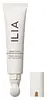
DRMTLGY Luminous Eye Corrector SPF 41 Versus Ilia Bright Start Retinol Alternative Brightening Eye Cream
This anti-aging eye moisturizer is formulated around Ceramide NP and Palmitoyl Tripeptide-5 to soften the look of wrinkles and strengthen the skin barrier.
This anti-aging eye moisturizer is formulated around Caffeine and Acetyl Hexapeptide-8 to soften the look of wrinkles.

What's inside
What's inside
 Key Ingredients
Benefits
Concerns
Ingredients Side-by-side
Water
Skin ConditioningDimethicone
Emollient

Butyloctyl Salicylate
Skin Conditioning

Propanediol
Solvent

Caprylic/Capric Triglyceride
Masking
Isododecane
EmollientPolymethylsilsesquioxane/Trimethylsiloxysilicate
Dimethicone Crosspolymer
Emulsion Stabilising
Polyglyceryl-4 Isostearate
Emulsifying

Cetyl PEG/PPG-10/1 Dimethicone
Emulsifying
Hexyl Laurate
Emollient
Polyhydroxystearic Acid
Emulsifying
Sodium Chloride
Masking1,2-Hexanediol
Skin Conditioning
Coco-Caprylate/Caprate
Emollient
Dimethicone/Vinyl Dimethicone Crosspolymer
Skin Conditioning
Polyphenylsilsesquioxane
Glycerin
Humectant
Caprylhydroxamic Acid
ChelatingCitrullus Lanatus Fruit Extract
Skin Conditioning
Polyglyceryl-6 Polyricinoleate
Emulsifying
Lens Esculenta Fruit Extract
Skin ConditioningTremella Fuciformis Sporocarp Extract
Antioxidant

Dilinoleic Acid/Butanediol Copolymer
Disodium Stearoyl Glutamate
CleansingPyrus Malus Fruit Extract
Skin Conditioning
Silica
Abrasive


Trisodium Ethylenediamine Disuccinate
ChelatingCastor Oil/Ipdi Copolymer

Sodium Lactate
Buffering
Sodium PCA
Humectant
Butylene Glycol
Humectant
Sodium Lauroyl Lactylate
EmulsifyingPolygonum Aviculare Extract
EmollientCarbomer
Emulsion StabilisingCeramide NP
Skin Conditioning

Palmitoyl Tripeptide-5
Skin Conditioning

Ceramide AP
Skin Conditioning
Phytosphingosine
Skin Conditioning
Cholesterol
Emollient
Polysorbate 20
Emulsifying
Xanthan Gum
EmulsifyingPalmitoyl Tripeptide-1
Skin Conditioning
Palmitoyl Tetrapeptide-7
Skin Conditioning
Ceramide EOP
Skin Conditioning
CI 77492
Cosmetic ColorantCI 77491
Cosmetic ColorantCI 77499
Cosmetic ColorantZinc Oxide
Cosmetic Colorant
Titanium Dioxide
Cosmetic Colorant
Water, Dimethicone, Butyloctyl Salicylate, Propanediol, Caprylic/Capric Triglyceride, Isododecane, Polymethylsilsesquioxane/Trimethylsiloxysilicate, Dimethicone Crosspolymer, Polyglyceryl-4 Isostearate, Cetyl PEG/PPG-10/1 Dimethicone, Hexyl Laurate, Polyhydroxystearic Acid, Sodium Chloride, 1,2-Hexanediol, Coco-Caprylate/Caprate, Dimethicone/Vinyl Dimethicone Crosspolymer, Polyphenylsilsesquioxane, Glycerin, Caprylhydroxamic Acid, Citrullus Lanatus Fruit Extract, Polyglyceryl-6 Polyricinoleate, Lens Esculenta Fruit Extract, Tremella Fuciformis Sporocarp Extract, Dilinoleic Acid/Butanediol Copolymer, Disodium Stearoyl Glutamate, Pyrus Malus Fruit Extract, Silica, Trisodium Ethylenediamine Disuccinate, Castor Oil/Ipdi Copolymer, Sodium Lactate, Sodium PCA, Butylene Glycol, Sodium Lauroyl Lactylate, Polygonum Aviculare Extract, Carbomer, Ceramide NP, Palmitoyl Tripeptide-5, Ceramide AP, Phytosphingosine, Cholesterol, Polysorbate 20, Xanthan Gum, Palmitoyl Tripeptide-1, Palmitoyl Tetrapeptide-7, Ceramide EOP, CI 77492, CI 77491, CI 77499, Zinc Oxide, Titanium Dioxide
Water
Skin ConditioningCaprylic/Capric Triglyceride
Masking
Persea Gratissima Oil
Skin Conditioning

Propanediol
Solvent
Glycerin
Humectant
Pentylene Glycol
Skin Conditioning
Cetearyl Alcohol
Emollient

Candelilla/Jojoba/Rice Bran Polyglyceryl-3 Esters
Emulsifying
Jojoba Oil/Macadamia Seed Oil Esters
Skin Conditioning
Brassica Campestris/Aleurites Fordi Oil Copolymer
Skin Conditioning
Silica
Abrasive
Glyceryl Stearate
Emollient
Sodium Polyacryloyldimethyl Taurate
Emulsion StabilisingBehenyl Alcohol
Emollient
Caffeine
Skin Conditioning
Moringa Oil/Hydrogenated Moringa Oil Esters
Skin Conditioning
Sodium Stearoyl Lactylate
EmulsifyingMica
Cosmetic ColorantHydroxyacetophenone
Antioxidant
Caprylyl Glycol
Emollient
1,2-Hexanediol
Skin Conditioning
Squalene
Emollient
Caprylic/Capric/Succinic Triglyceride
EmollientXanthan Gum
EmulsifyingCitric Acid
Buffering

Sodium Phytate
ChelatingPhytosteryl Macadamiate
Skin Conditioning
Persea Gratissima Fruit Extract
EmollientCrithmum Maritimum Extract
Skin ConditioningPhytosterols
Skin Conditioning
Tocopherol
Antioxidant

Acetyl Hexapeptide-8
Humectant
Sodium Citrate
BufferingCI 77891
Cosmetic ColorantCI 77491
Cosmetic ColorantWater, Caprylic/Capric Triglyceride, Persea Gratissima Oil, Propanediol, Glycerin, Pentylene Glycol, Cetearyl Alcohol, Candelilla/Jojoba/Rice Bran Polyglyceryl-3 Esters, Jojoba Oil/Macadamia Seed Oil Esters, Brassica Campestris/Aleurites Fordi Oil Copolymer, Silica, Glyceryl Stearate, Sodium Polyacryloyldimethyl Taurate, Behenyl Alcohol, Caffeine, Moringa Oil/Hydrogenated Moringa Oil Esters, Sodium Stearoyl Lactylate, Mica, Hydroxyacetophenone, Caprylyl Glycol, 1,2-Hexanediol, Squalene, Caprylic/Capric/Succinic Triglyceride, Xanthan Gum, Citric Acid, Sodium Phytate, Phytosteryl Macadamiate, Persea Gratissima Fruit Extract, Crithmum Maritimum Extract, Phytosterols, Tocopherol, Acetyl Hexapeptide-8, Sodium Citrate, CI 77891, CI 77491
Reviews
Ingredients Explained
These ingredients are found in both products.
Ingredients higher up in an ingredient list are typically present in a larger amount.
1,2-Hexanediol is a synthetic liquid and another multi-functional powerhouse.
It is a:
- Humectant, drawing moisture into the skin
- Emollient, helping to soften skin
- Solvent, dispersing and stabilizing formulas
- Preservative booster, enhancing the antimicrobial activity of other preservatives
Caprylic/Capric Triglyceride (aka MCT Oil) is a lightweight emollient, solvent, and texture enhancer. It is considered a skin-softener by helping to prevent moisture loss.
Though it behaves like an oil, it is not technically one due to its chemical composition. One perk of this ingredient is that it is very stable, resistant to oxidation, and unlikely to go rancid.
In practice, that translates to a long shelf life and a consistently elegant skin feel.
While there is an assumption Caprylic Triglyceride can clog pores due to it being derived from coconut oil, there is no research supporting this. Just patch test if you have concerns.
Fractionated coconut oil and MCT Oil are both listed as Caprylic/Capric Triglyceride according to INCI. This is because INCI names are based on the ingredient’s final chemical composition and not its marketing name or source.
This ingredient is treated as the gold standard fungal acne safe oil. Even though it is coconut derived, the problematic lauric acid is stripped out.
This leaves just caprylic (C8) and capric (C10) acid. These chain lengths actually trend antifungal; a 2020 study found caprylic acid was enough to disrupt Malassezia furfur cell membrane, with a caprylic acid derivative damaging membrane structures at concentrations as low as 0.2%.
Learn more about Caprylic/Capric TriglycerideCi 77491 is also hydrated iron III oxide. It's sole purpose is to give a red/pink hue to products.
Iron III oxides are classified as inorganic chemicals for coloring.
Synthetically created Ci 77491 is considered safer than those naturally found. This is because the synthetically created version may contain less impurities. Iron oxides are generally non-toxic and non-allergenic.
Learn more about CI 77491Glycerin (or glycerol) is a compound naturally found in your skin. It's a powerhouse humectant that pulls water into the stratum corneum.
Topically, glycerin does several things at once:
Your skin makes glycerin on its own (mostly from sebaceous oil breakdown) and shuttles it to your outermost layer of skin, or your epidermis, via aquaporin-3.
Aquaporin-3 is a transporter that is essential for normal skin hydration, elasticity, and repair. Interestingly, mice lacking in AQP3 have dry and less elastic skin that can be fully corrected with glycerin.
This ingredient is non-irritating, plays well with almost every ingredient, and works across all skin types. Typical use is anywhere between 3-10% but can go up to 79% in some leave-on products.
Just know very high concentrations (>40%) can feel tacky in low humidity.
Glycerin is the name for this ingredient in American English. British English uses Glycerol/Glycerine.
Learn more about GlycerinPropanediol is an all-star ingredient. It softens, hydrates, and smooths the skin.
It’s often used to:
Propanediol is not likely to cause sensitivity and considered safe to use. It is derived from corn or petroleum with a clear color and no scent.
Learn more about PropanediolSilica, also known as silicon dioxide, is a naturally occurring mineral. It is used as a fine, spherical, and porous powder in cosmetics.
Though it has exfoliant properties, the function of silica varies depending on the product.
The unique structure of silica enhances the spreadability and adds smoothness, making it a great texture enhancer.
It is also used as an active carrier, emulsifier, and mattifier due to its ability to absorb excess oil.
In some products, tiny microneedles called spicules are made from silica or hydrolyzed sponge. When you rub them in, they lightly polish away dead skin layers and enhance the penetration of active ingredients.
Learn more about SilicaWater. It's the most common cosmetic ingredient of all. You'll usually see it at the top of ingredient lists, meaning that it makes up the largest part of the product.
So why is it so popular? Water most often acts as a solvent - this means that it helps dissolve other ingredients into the formulation.
You'll also recognize water as that liquid we all need to stay alive. If you see this, drink a glass of water. Remember to stay hydrated!
Learn more about WaterXanthan gum is used as a stabilizer and thickener within cosmetic products. It helps give products a sticky, thick feeling - preventing them from being too runny.
On the technical side of things, xanthan gum is a polysaccharide - a combination consisting of multiple sugar molecules bonded together.
Xanthan gum is a pretty common and great ingredient. It is a natural, non-toxic, non-irritating ingredient that is also commonly used in food products.
Learn more about Xanthan Gum

