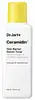
This barrier-repair toner is formulated around Panthenol and Ceramide NP to strengthen the skin barrier and hydrate skin.
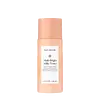
This brightening toner is formulated around Potassium Azeloyl Diglycinate and Glycyrrhiza Glabra Root Extract to fade the look of dark spots and brighten dull-looking skin.


What's inside
What's inside
 Key Ingredients
Benefits
Concerns
Ingredients Side-by-side
Water
Skin ConditioningDipropylene Glycol
HumectantBetaine
Humectant


Propanediol
Solvent
Alcohol Denat.
Antimicrobial




Glycosyl Trehalose
Emulsion StabilisingGlycerin
Humectant
1,2-Hexanediol
Skin Conditioning
Panthenol
Skin Conditioning
Pentylene Glycol
Skin Conditioning
Erythritol
Humectant
Hydrogenated Starch Hydrolysate
HumectantTriethylhexanoin
MaskingDiphenyl Dimethicone
Emollient
Polyglyceryl-10 Myristate
Skin Conditioning
Ceramide NP
Skin Conditioning

Sucrose Distearate
Emollient
Ethylhexylglycerin
Skin ConditioningSodium Hyaluronate
Humectant
Theobroma Cacao Seed Extract
Antioxidant
Pelargonium Graveolens Flower Oil
Masking



Olea Europaea Fruit Oil
Masking
Citrus Aurantium Bergamia Fruit Oil
Masking
C12-14 Pareth-12
EmulsifyingHydrogenated Lecithin
Emulsifying
Acrylates/C10-30 Alkyl Acrylate Crosspolymer
Emulsion StabilisingTromethamine
BufferingCarbomer
Emulsion StabilisingGlyceryl Polymethacrylate
Glyceryl Stearate
Emollient
Dextrin
AbsorbentSalvia Officinalis Oil
Masking
Citronellol
Perfuming
Disodium EDTA
CI 19140
Cosmetic ColorantWater, Dipropylene Glycol, Betaine, Propanediol, Alcohol Denat., Glycosyl Trehalose, Glycerin, 1,2-Hexanediol, Panthenol, Pentylene Glycol, Erythritol, Hydrogenated Starch Hydrolysate, Triethylhexanoin, Diphenyl Dimethicone, Polyglyceryl-10 Myristate, Ceramide NP, Sucrose Distearate, Ethylhexylglycerin, Sodium Hyaluronate, Theobroma Cacao Seed Extract, Pelargonium Graveolens Flower Oil, Olea Europaea Fruit Oil, Citrus Aurantium Bergamia Fruit Oil, C12-14 Pareth-12, Hydrogenated Lecithin, Acrylates/C10-30 Alkyl Acrylate Crosspolymer, Tromethamine, Carbomer, Glyceryl Polymethacrylate, Glyceryl Stearate, Dextrin, Salvia Officinalis Oil, Citronellol, Disodium EDTA, CI 19140
Water
Skin ConditioningIsopropyl Palmitate
Emollient
Sorbitol
Humectant
Triethylhexanoin
MaskingMethyl Glucose Dioleate
Emollient
Glycerin
Humectant
Propanediol
Solvent
Squalane
Emollient
Hydrogenated Polyisobutene
EmollientPotassium Azeloyl Diglycinate
Skin Conditioning


Saccharomyces Ferment
Skin Conditioning
Vitis Vinifera Fruit Extract
Skin ConditioningGlycyrrhiza Glabra Root Extract
Bleaching
Hydrogenated Lecithin
Emulsifying
Arginine
Masking
Oryza Sativa Extract
Absorbent
Oryza Sativa Bran Oil
Emollient
Gluconolactone
Skin Conditioning



Zea Mays Starch
Absorbent
Lauryl Glucoside
CleansingCalcium Gluconate
HumectantTocopherol
Antioxidant
Acacia Senegal Gum
MaskingPolyquaternium-39
Polyglyceryl-6 Laurate
Emulsifying
Polyglyceryl-4 Caprate
EmulsifyingMyristyl Glucoside
CleansingAcrylates/C10-30 Alkyl Acrylate Crosspolymer
Emulsion StabilisingPolyquaternium-51
Skin Conditioning
Xanthan Gum
EmulsifyingTetrasodium Glutamate Diacetate
Ethylhexylglycerin
Skin ConditioningPotassium Sorbate
Preservative
Sodium Benzoate
Masking
Sodium Hydroxide
BufferingPhenoxyethanol
Preservative
Water, Isopropyl Palmitate, Sorbitol, Triethylhexanoin, Methyl Glucose Dioleate, Glycerin, Propanediol, Squalane, Hydrogenated Polyisobutene, Potassium Azeloyl Diglycinate, Saccharomyces Ferment, Vitis Vinifera Fruit Extract, Glycyrrhiza Glabra Root Extract, Hydrogenated Lecithin, Arginine, Oryza Sativa Extract, Oryza Sativa Bran Oil, Gluconolactone, Zea Mays Starch, Lauryl Glucoside, Calcium Gluconate, Tocopherol, Acacia Senegal Gum, Polyquaternium-39, Polyglyceryl-6 Laurate, Polyglyceryl-4 Caprate, Myristyl Glucoside, Acrylates/C10-30 Alkyl Acrylate Crosspolymer, Polyquaternium-51, Xanthan Gum, Tetrasodium Glutamate Diacetate, Ethylhexylglycerin, Potassium Sorbate, Sodium Benzoate, Sodium Hydroxide, Phenoxyethanol
Reviews
Ingredients Explained
These ingredients are found in both products.
Ingredients higher up in an ingredient list are typically present in a larger amount.
Acrylates/C10-30 Alkyl Acrylate Crosspolymer is a synthetic polymer. It is used to thicken, emulsify, and improve the texture of products.
As an emulsifier, it helps stabilize oil-in-water emulsions to give products an elegant feel when applied.
It can also form a thin protective film on skin. One study found that a formula using this polymer helped slow down how quickly other ingredients (like DEET) were absorbed through skin.
A 2024 study of over 1,300 patients confirmed that sensitization to this ingredient is rare. It is also non-mutagenic and has a clean track record.
Learn more about Acrylates/C10-30 Alkyl Acrylate CrosspolymerEthylhexylglycerin is created from glycerin. It is a multitasker ingredient that:
The CIR Expert Panel found minimal skin absorption or sensitization of any kind in a safety assessment. Though this ingredient is considered well-tolerated, a small number of cases of allergic dermatitis have been published since 2002. Just be sure to patch test if you are unsure.
Industry-reported use ranges from 8% in rinse-off products and 2% in leave-on formulations.
Learn more about EthylhexylglycerinGlycerin (or glycerol) is a compound naturally found in your skin. It's a powerhouse humectant that pulls water into the stratum corneum.
Topically, glycerin does several things at once:
Your skin makes glycerin on its own (mostly from sebaceous oil breakdown) and shuttles it to your outermost layer of skin, or your epidermis, via aquaporin-3.
Aquaporin-3 is a transporter that is essential for normal skin hydration, elasticity, and repair. Interestingly, mice lacking in AQP3 have dry and less elastic skin that can be fully corrected with glycerin.
This ingredient is non-irritating, plays well with almost every ingredient, and works across all skin types. Typical use is anywhere between 3-10% but can go up to 79% in some leave-on products.
Just know very high concentrations (>40%) can feel tacky in low humidity.
Glycerin is the name for this ingredient in American English. British English uses Glycerol/Glycerine.
Learn more about GlycerinHydrogenated Lecithin is a more stable version of lecithin.
It's made by taking lecithin (a phospholipid commonly found in soybeans and egg yolks) and hydrogenating it. This just means the unsaturated fatty acids are turned into saturated ones so they don't go bad as easily.
This ingredient is an emollient, emulsifier, and penetration enhancer. As an emollient, it helps soften and hydrate skin by trapping moisture within. As an emulsifier, it prevents oil and water ingredients from separating.
Hydrogenated Lecithin can form tiny spherical structures made of phospholipid bilayers called liposomes. These liposomes are able to capture compounds inside their structure and deliver them through the skin barrier.
Because phospholipids are a natural component of our cell membranes, this ingredient is inherently compatible with skin.
A 2021 study found lecithin-based surfactants were less harsh and more tolerable comared to Sodium Lauryl Sulfate (SLS).
Learn more about Hydrogenated LecithinPropanediol is an all-star ingredient. It softens, hydrates, and smooths the skin.
It’s often used to:
Propanediol is not likely to cause sensitivity and considered safe to use. It is derived from corn or petroleum with a clear color and no scent.
Learn more about PropanediolTriethylhexanoin is created from glycerin and 2-ethylhexanoic acid. It is a solvent and emollient.
As a solvent, Triethylhexanoin helps dissolve ingredients to stable bases or help evenly distribute ingredients throughout the product.
It is also an emollient and helps condition the skin.
Learn more about TriethylhexanoinWater. It's the most common cosmetic ingredient of all. You'll usually see it at the top of ingredient lists, meaning that it makes up the largest part of the product.
So why is it so popular? Water most often acts as a solvent - this means that it helps dissolve other ingredients into the formulation.
You'll also recognize water as that liquid we all need to stay alive. If you see this, drink a glass of water. Remember to stay hydrated!
Learn more about Water

