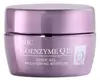
This brightening moisturizer is formulated around Ascorbyl Glucoside and Squalane to brighten dull-looking skin and soften the look of wrinkles.
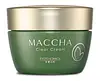
This brightening moisturizer is formulated around Magnesium Ascorbyl Phosphate and Alpha-Arbutin to brighten dull-looking skin and fade the look of dark spots.

What's inside
What's inside
 Key Ingredients
Benefits
Concerns
Ingredients Side-by-side
Water
Skin ConditioningButylene Glycol
Humectant

Glycerin
Humectant
Ascorbyl Glucoside
Antioxidant



Olea Europaea Fruit Oil
Masking





Pentylene Glycol
Skin Conditioning
Squalane
Emollient
Hydrogenated Lecithin
Emulsifying
Potassium Hydroxide
BufferingCarbomer
Emulsion StabilisingBetaine
Humectant
Acrylates/C10-30 Alkyl Acrylate Crosspolymer
Emulsion StabilisingCetearyl Alcohol
Emollient


Tocopherol
Antioxidant


Ubiquinone
Antioxidant
Glycosyl Trehalose
Emulsion StabilisingHydrogenated Starch Hydrolysate
HumectantGlyceryl Stearate
Emollient
PEG-100 Stearate
Surfactant
Polyglyceryl-10 Myristate
Skin Conditioning
Stearyl Glycyrrhetinate
Skin ConditioningCetearyl Glucoside
Emulsifying
Phytosterols
Skin Conditioning
Bellis Perennis Flower Extract
Skin ConditioningSodium Hyaluronate
Humectant
Placental Protein
HumectantSoluble Collagen
Humectant
Olea Europaea Leaf Extract
Perfuming
Morus Alba Root Extract
BleachingSodium Riboflavin Phosphate
Skin ConditioningCyanocobalamin
Skin ConditioningPhenoxyethanol
Preservative
Water, Butylene Glycol, Glycerin, Ascorbyl Glucoside, Olea Europaea Fruit Oil, Pentylene Glycol, Squalane, Hydrogenated Lecithin, Potassium Hydroxide, Carbomer, Betaine, Acrylates/C10-30 Alkyl Acrylate Crosspolymer, Cetearyl Alcohol, Tocopherol, Ubiquinone, Glycosyl Trehalose, Hydrogenated Starch Hydrolysate, Glyceryl Stearate, PEG-100 Stearate, Polyglyceryl-10 Myristate, Stearyl Glycyrrhetinate, Cetearyl Glucoside, Phytosterols, Bellis Perennis Flower Extract, Sodium Hyaluronate, Placental Protein, Soluble Collagen, Olea Europaea Leaf Extract, Morus Alba Root Extract, Sodium Riboflavin Phosphate, Cyanocobalamin, Phenoxyethanol
Water
Skin ConditioningGlycerin
Humectant
Squalane
Emollient
Olea Europaea Fruit Oil
Masking
Pentylene Glycol
Skin Conditioning
Octyldodecanol
Emollient
Cetyl Alcohol
Emollient
Butylene Glycol
Humectant
Magnesium Ascorbyl Phosphate
Antioxidant

3-Glyceryl Ascorbate
Antioxidant
Trisodium Ascorbyl Palmitate Phosphate
Antioxidant
Ascorbyl Tetraisopalmitate
Antioxidant
Ascorbyl Glucoside
Antioxidant
Sodium Hyaluronate
Humectant
Hydrolyzed Hyaluronic Acid
Humectant
Sodium Acetylated Hyaluronate
Humectant
Soluble Collagen
Humectant
Hydrolyzed Collagen
Emollient
Succinoyl Atelocollagen
Skin Conditioning
Placental Protein
HumectantAlpha-Arbutin
Antioxidant
Allantoin
Skin Conditioning
Dipotassium Glycyrrhizate
Humectant
Camellia Sinensis Leaf Powder
Camellia Sinensis Leaf Extract
Antimicrobial
Aphanothece Sacrum Polysaccharide
AbsorbentPolyquaternium-51
Skin Conditioning
Pyrus Cydonia Seed Extract
MaskingVitis Vinifera Seed Oil
Emollient
Arginine
Masking
Sorbitan Isostearate
Emulsifying
Butyrospermum Parkii Butter
Skin Conditioning
Maltodextrin
Absorbent
Polysorbate 60
Emulsifying
Hydrogenated Lecithin
Emulsifying
Sorbitol
Humectant
Gardenia Jasminoides Fruit Extract
Cosmetic ColorantHydrolyzed Gardenia Florida Extract
Antioxidant
Chlorophyllin-Copper Complex
Antioxidant
Carbomer
Emulsion StabilisingHydroxyethyl Acrylate/Sodium Acryloyldimethyl Taurate Copolymer
Emulsion Stabilising1,2-Hexanediol
Skin Conditioning
Caffeine
Skin Conditioning
Tocopherol
Antioxidant
Phenoxyethanol
Preservative
Linalool
Perfuming

Water, Glycerin, Squalane, Olea Europaea Fruit Oil, Pentylene Glycol, Octyldodecanol, Cetyl Alcohol, Butylene Glycol, Magnesium Ascorbyl Phosphate, 3-Glyceryl Ascorbate, Trisodium Ascorbyl Palmitate Phosphate, Ascorbyl Tetraisopalmitate, Ascorbyl Glucoside, Sodium Hyaluronate, Hydrolyzed Hyaluronic Acid, Sodium Acetylated Hyaluronate, Soluble Collagen, Hydrolyzed Collagen, Succinoyl Atelocollagen, Placental Protein, Alpha-Arbutin, Allantoin, Dipotassium Glycyrrhizate, Camellia Sinensis Leaf Powder, Camellia Sinensis Leaf Extract, Aphanothece Sacrum Polysaccharide, Polyquaternium-51, Pyrus Cydonia Seed Extract, Vitis Vinifera Seed Oil, Arginine, Sorbitan Isostearate, Butyrospermum Parkii Butter, Maltodextrin, Polysorbate 60, Hydrogenated Lecithin, Sorbitol, Gardenia Jasminoides Fruit Extract, Hydrolyzed Gardenia Florida Extract, Chlorophyllin-Copper Complex, Carbomer, Hydroxyethyl Acrylate/Sodium Acryloyldimethyl Taurate Copolymer, 1,2-Hexanediol, Caffeine, Tocopherol, Phenoxyethanol, Linalool
Ingredients Explained
These ingredients are found in both products.
Ingredients higher up in an ingredient list are typically present in a larger amount.
Ascorbyl Glucoside (AA-2G) is one of the most stable vitamin C derivatives out there.
It's made by attaching a glucose molecule to ascorbic acid; this glucose "cap" shields the vitamin C from air, light, heat, and metal ions that normally cause pure ascorbic acid to oxidize.
Once on your skin, the enzyme alpha-glucosidase snips off the glucose and gradually releases active ascorbic acid right where it's needed. Basically, it behaves like a slow-release pro-vitamin C with less of a stinging that high-strength ascorbic acid can cause.
The research supports the classic vitamin C benefits as well. In lab and human studies, AA-2G slowed down the skin's production of melanin (the pigment behind dark spots) and helped shield skin cells against sun damage better than ascorbyl phosphate.
These studies also showed AA-2G released vitamin C over a longer period.
A frequently cited manufacturer trial found that a 2% AA-2G face cream significantly improved wrinkle depth and skin roughness after 45 days.
And in 2009, a clinical trial showed it meaningfully lightened dark patches on the gums compared to a placebo.
There's also collagen-synthesis support (since vitamin C is a required cofactor for that) and an antioxidant effect too.
Typical usage is usually between 0.5-5% and most studies/products land around 2%.
AA-2G performs best when formulated at a mildly acidic pH (~5-7) which is much gentler than the pH that pure vitamin C demands (~2.5-3.5).
Just one thing worth knowing: the in-skin conversation rate is only about 55-60% by weight. So a 5% AA-2G product delivers roughly 2.75-3% of actual active vitamin C. On top of that, skin absorption is relatively low because the ingredient is water-soluble.
Learn more about Ascorbyl GlucosideButylene Glycol (or BG) is used within cosmetic products for a few different reasons:
Overall, Butylene Glycol is a safe and well-rounded ingredient that works well with other ingredients.
Though this ingredient works well with most skin types, some people with sensitive skin may experience a reaction such as allergic rashes, closed comedones, or itchiness.
Learn more about Butylene GlycolCarbomer is a synthetic thickening and gelling agent. It's basically the ingredient that gives a lot of serums, gels, creams, and sunscreens their smooth, non-sticky texture.
Although legally permitted at very high levels, carbomers are normally used at concentrations below 1%.
It also needs to be neutralized to actually thicken, and because it is a large molecule, it doesn't really penetrate the skin barrier.
Allergy-wise, the risk is very low. Clinical studies show carbomers have low potential for skin irritation/sensitization even at concentrations up to 100%.
A 2024 UK study patch-tested 1,302 patients and found true allergy to the parent group of carbomer to be rare with no confirmed relevant reactions.
Learn more about CarbomerGlycerin (or glycerol) is a compound naturally found in your skin. It's a powerhouse humectant that pulls water into the stratum corneum.
Topically, glycerin does several things at once:
Your skin makes glycerin on its own (mostly from sebaceous oil breakdown) and shuttles it to your outermost layer of skin, or your epidermis, via aquaporin-3.
Aquaporin-3 is a transporter that is essential for normal skin hydration, elasticity, and repair. Interestingly, mice lacking in AQP3 have dry and less elastic skin that can be fully corrected with glycerin.
This ingredient is non-irritating, plays well with almost every ingredient, and works across all skin types. Typical use is anywhere between 3-10% but can go up to 79% in some leave-on products.
Just know very high concentrations (>40%) can feel tacky in low humidity.
Glycerin is the name for this ingredient in American English. British English uses Glycerol/Glycerine.
Learn more about GlycerinHydrogenated Lecithin is a more stable version of lecithin.
It's made by taking lecithin (a phospholipid commonly found in soybeans and egg yolks) and hydrogenating it. This just means the unsaturated fatty acids are turned into saturated ones so they don't go bad as easily.
This ingredient is an emollient, emulsifier, and penetration enhancer. As an emollient, it helps soften and hydrate skin by trapping moisture within. As an emulsifier, it prevents oil and water ingredients from separating.
Hydrogenated Lecithin can form tiny spherical structures made of phospholipid bilayers called liposomes. These liposomes are able to capture compounds inside their structure and deliver them through the skin barrier.
Because phospholipids are a natural component of our cell membranes, this ingredient is inherently compatible with skin.
A 2021 study found lecithin-based surfactants were less harsh and more tolerable comared to Sodium Lauryl Sulfate (SLS).
Learn more about Hydrogenated LecithinThis ingredient is also known as olive oil. It has been used in skincare for centuries and science largely backs up its reputation as a nourishing emollient.
The main components of olive oil are oleic acid (55-83%), linoleic acid (3.5-20%), and palmitic acid (7-20%). Oleic acid promotes skin regeneration and helps regulate inflammatory responses.
Squalene is also naturally present in olive oil and exhibits moisturizing and antioxidant properties.
The polyphenols in olive oil also show anti-aging promise; one clinical study found a measurable improvement in skin appearance after 30 days of topical serum use.
Just be aware that applying olive oil directly to skin can weaken the barrier and cause redness. One study with volunteers found even people without sensitive skin experienced a significant reduction in stratum corneum integrity and induced mild erythema.
It's best to use this ingredient as part of a carefully crafted formula (instead of putting it on skin directly from the bottle).
Because it has a 0-2 on the comedogenic scale, it is low risk for acne-prone skin. Just remember the overall formulation of a product matters more than a few ingredients with comedogenic ratings.
This ingredient may not be fungal acne safe because of the oleic and palmitic acid content. These fall within the C11-24 fatty acid range that the Malassezia yeast can metabolize to grow.
Overall, olive oil is a well-studied and nourishing skincare ingredient.
Learn more about Olea Europaea Fruit OilPentylene Glycol (1,2-pentanediol) is a multitasking little diol with three main roles in a formula:
Research on alkanediols (the family pentylene glycol belongs to) show they work by disrupting microbial cell membranes. This disruption helps the primary preservative system in a product work more effectively at lower doses.
On the safety side, the Cosmetic Ingredient Review Expert Panel has concluded this ingredient to be safe as used in current cosmetic practices + concentrations.
Typical use levels in a formula run about 1-5%.
Learn more about Pentylene GlycolPhenoxyethanol is one of the most widely used preservatives in skincare (and for good reason!).
It has a large spectrum of antimicrobial activity and especially effective bacteria, yeast, and mold while only having a weak effect on your skin's natural microbiome.
On a cellular level, it disrupts the cell membranes of microbes by poking holes that make the cell leak. This shuts down the chemical reactions the microbe needs to make energy so it can no longer survive.
Another perk of this ingredient is that it stays functional across a wide pH range (3-10).
You'll often see it paired with boosters like Ethylhexylglycerin; one study showed that a 1:9 ratio of Ethylhexylglycerin to Phenoxyethanol damages bacterial membranes as effectively as doubling the Phenoxyethanol concentration on its own.
Typical use concentrations range from 0.3-1% depending on the formula, and this ingredient is capped at 1% int the EU.
Safety-wise, the fear mongering does not hold up to the evidence. The EU's Scientific Committee on Consumer Safety and FDA consider it safe as a preservative at up to 1%, including for children of all ages.
Adverse systemic effects only showed up in animal studies at exposures roughly 200x higher than what people get from cosmetics. And despite its very widespread use, this ingredient is a rare sensitizer and allergic reactions are uncommon.
Learn more about PhenoxyethanolWe don't have a description for Placental Protein yet.
Sodium Hyaluronate is the salt form of hyaluronic acid. It is a long sugar chain that is naturally found in your skin, joints, and connective tissue that maintains hydration and elasticity.
In skincare, it works as a humectant. It pulls water from the environment and deeper layers of skin and binds it to the surface.
Interestingly, the size of the molecule affects its behavior:
Some clinical evidence links low molecular weight versions to improved wrinkle depth, elasticity, anti-inflammatory effects, and barrier repair.
Many serums use a blend of both weights so you can get surface hydration plus longer-lasting and deeper effects.
You'll typically see concentrations between 0.1-2% for this ingredient.
Learn more about Sodium HyaluronateSoluble collagen is a large, water-loving protein typically extracted from cattle hides or marine sources like fish skin.
In cosmetics, it works purely as a humectant and film-former.
Despite the marketing that surrounds the word "collagen", its molecule is far too large to penetrate skin so it can't rebuild the collagen in your dermis.
Instead, it sits on the surface and binds water to help reduce transepidermal water loss and leave skin feeling soft, plump, and temporarily tightened.
Suppliers commonly recommend using it around 3-6% though industry data shows concentrations are often much lower (down to a fraction of a percent).
This ingredient has been found safe to use in cosmetics with no reported irritation, sensitization, or phototoxicity.
Learn more about Soluble CollagenSqualane is the hydrogenated and shelf-stable form of squalene (a lipid that naturally occurs in human sebum).
It is an emollient and skin conditioning agent that is able to integrate seamlessly into the skin's lipid barrier without clogging pores.
This is due to how structurally similar it is to what your skin already produces.
Though it is mostly an emollient that helps soften and hydrate skin, it also has some humectant and occlusive action. Humectants help the skin retain moisture while occlusives seal it in, making squalane a triple-threat moisturizer.
Research shows it has antioxidant capabilities that help protect against stressors like UV exposure, specifically UVA induced oxidative stress. This study also found that it supports collagen biosynthesis in human dermal fibroblasts.
No clinical study has reported significant adverse effects and irritation reactions are very rare from this ingredient (even at 100% concentration).
Overall, it's a fantastic ingredient for hydration and is suitable for all skin types.
This depends on the source. Squalane can be derived from both plants and animals. Most squalane used in skincare comes from plants.
Please note: the source of squalane is only known if disclosed by the brand. We recommend reaching out to the brand if you have any questions about their squalane.
Read more about squalene with an "e".
Though squalane is often called an oil, it’s technically not one. It is a hydrocarbon, meaning it is only made of carbon and hydrogen. True oils are triglycerides and made of fatty acids and glycerol.
The term “oil-free” isn’t regulated so companies can define it however they want. Some exclude all oils, while others just avoid mineral oil or comedogenic oils.
Squalane has a comedogenic rating of 1 from the original 1972 study that tested raw ingredients under occlusion on rabbit ears. This system is not standardized or peer-reviewed, and using the raw ingredients is very different from how diluted cosmetic formulations are used on human skin.
A comedogenic rating of 1 means it is "unlikely to clog pores" according to the original rating system.
The overall formula of a product matters more than the individual ingredients on whether or not it will cause clogged pores.
Learn more about SqualaneTocopherol is a fat-soluble antioxidant known as Vitamin E.
You'll find this ingredient in the vast majority of skincare (for good reason). It works to neutralize free radicals, or unstable molecules generated by UV exposure, pollution, and other environmental stressors, before they can cause oxidative damage to your skin cells.
Topically applied tocopherol has been shown to protect against UV damage by ramping up the skin's own natural defense enzymes.
It also acts as a skin conditioning agent; some studies show that regular topical use can improve the skin's water-binding capacity over 2-4 weeks.
This ingredient is especially loved for being a team player. When combined with Vitamin C, the photoprotective effect of both ingredients roughly doubles and the combo also helps reduce UV-induced DNA damage.
This ingredient has some brightening potential but it's more of a prevention ingredient than spot-fader. Cell studies show it can slow down melanin production but it's worth noting that it's not the most powerful brightener out there.
In formulations, it also serves as a stabilizer that helps protect other oxidation-prone ingredients from degrading.
Concentrations usually range from 0.1-1% in most leave-on products.
Learn more about TocopherolWater. It's the most common cosmetic ingredient of all. You'll usually see it at the top of ingredient lists, meaning that it makes up the largest part of the product.
So why is it so popular? Water most often acts as a solvent - this means that it helps dissolve other ingredients into the formulation.
You'll also recognize water as that liquid we all need to stay alive. If you see this, drink a glass of water. Remember to stay hydrated!
Learn more about Water

