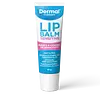
This calming lip moisturizer is formulated around Ricinus Communis Seed Oil and 4-T-Butylcyclohexanol to calm redness and hydrate lips.
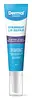
This hydrating lip mask is formulated around Ricinus Communis Seed Oil and Urea to hydrate lips and strengthen the lip barrier.

What's inside
What's inside
 Key Ingredients
Benefits
Concerns
Ingredients Side-by-side
Ricinus Communis Seed Oil
Masking




Octyldodecanol
Emollient
Bis-Diglyceryl Polyacyladipate-2
Emollient
Cera Alba
Emollient


Euphorbia Cerifera Wax
Helianthus Annuus Seed Wax
Skin Conditioning
Isostearyl Alcohol
Emollient
Hexyldecanol
Emollient
Pentylene Glycol
Skin Conditioning
Boswellia Serrata Gum
Masking
Tocopherol
Antioxidant





Helianthus Annuus Seed Oil
Emollient
4-T-Butylcyclohexanol
Masking

Rebaudioside A
Skin ConditioningBisabolol
Antioxidant
Cetylhydroxyproline Palmitamide
Skin ConditioningHydroxyphenyl Propamidobenzoic Acid
Skin ConditioningStearic Acid
Cleansing
Brassica Campestris Sterols
EmollientAscorbyl Palmitate
Antioxidant
Zingiber Officinale Root Extract
Masking
Aroma
Ricinus Communis Seed Oil, Octyldodecanol, Bis-Diglyceryl Polyacyladipate-2, Cera Alba, Euphorbia Cerifera Wax, Helianthus Annuus Seed Wax, Isostearyl Alcohol, Hexyldecanol, Pentylene Glycol, Boswellia Serrata Gum, Tocopherol, Helianthus Annuus Seed Oil, 4-T-Butylcyclohexanol, Rebaudioside A, Bisabolol, Cetylhydroxyproline Palmitamide, Hydroxyphenyl Propamidobenzoic Acid, Stearic Acid, Brassica Campestris Sterols, Ascorbyl Palmitate, Zingiber Officinale Root Extract, Aroma
Octyldodecanol
Emollient
Ricinus Communis Seed Oil
Masking
Water
Skin ConditioningVp/Eicosene Copolymer
Bis-Diglyceryl Polyacyladipate-2
Emollient
PEG-30 Dipolyhydroxystearate
Emulsifying
Glycerin
Humectant
Hydrogenated Castor Oil
Emollient
Urea
Buffering

Glycolic Acid
Buffering





Cera Alba
Emollient
Silica
Abrasive
Cetearyl Ethylhexanoate
Emollient
Sodium Hyaluronate
Humectant
Bakuchiol
Antimicrobial
Parfum
Masking
Hydroxyacetophenone
Antioxidant
Sodium Lactate
Buffering
Sodium PCA
Humectant
Tocopheryl Acetate
Antioxidant
Hydrolyzed Collagen
Emollient
Ascorbyl Tetraisopalmitate
Antioxidant
Ceramide NP
Skin Conditioning
Portulaca Pilosa Extract
Skin ConditioningCeramide AP
Skin Conditioning
Phytosphingosine
Skin Conditioning
Lactic Acid
Buffering
Carbomer
Emulsion StabilisingPalmitoyl Tripeptide-38
Skin Conditioning
Ceramide EOP
Skin Conditioning
Sucrose Cocoate
Emulsifying

Xanthan Gum
EmulsifyingRebaudioside A
Skin ConditioningSorbitan Isostearate
Emulsifying
Sodium Lauroyl Lactylate
EmulsifyingCholesterol
Emollient
Sodium Hydroxide
BufferingPhenoxyethanol
Preservative
Ethylhexylglycerin
Skin ConditioningBenzyl Alcohol
Perfuming

Potassium Sorbate
Preservative
Sodium Benzoate
Masking
Benzyl Salicylate
Perfuming
Citronellol
Perfuming
Geraniol
Perfuming
Linalool
Perfuming
Octyldodecanol, Ricinus Communis Seed Oil, Water, Vp/Eicosene Copolymer, Bis-Diglyceryl Polyacyladipate-2, PEG-30 Dipolyhydroxystearate, Glycerin, Hydrogenated Castor Oil, Urea, Glycolic Acid, Cera Alba, Silica, Cetearyl Ethylhexanoate, Sodium Hyaluronate, Bakuchiol, Parfum, Hydroxyacetophenone, Sodium Lactate, Sodium PCA, Tocopheryl Acetate, Hydrolyzed Collagen, Ascorbyl Tetraisopalmitate, Ceramide NP, Portulaca Pilosa Extract, Ceramide AP, Phytosphingosine, Lactic Acid, Carbomer, Palmitoyl Tripeptide-38, Ceramide EOP, Sucrose Cocoate, Xanthan Gum, Rebaudioside A, Sorbitan Isostearate, Sodium Lauroyl Lactylate, Cholesterol, Sodium Hydroxide, Phenoxyethanol, Ethylhexylglycerin, Benzyl Alcohol, Potassium Sorbate, Sodium Benzoate, Benzyl Salicylate, Citronellol, Geraniol, Linalool
Reviews
Ingredients Explained
These ingredients are found in both products.
Ingredients higher up in an ingredient list are typically present in a larger amount.
Bis-Diglyceryl Polyacyladipate-2 is a synthetic emollient that works as a lanolin substitute.
This ingredient is a great vegan option for those avoiding animal-derived ingredients.
It mostly stays on the surface of skin where it helps hydrate due to its large molecular size and low water solubility.
Due to it being derived from fatty acids, this ingredient may not be Malassezia or fungal acne safe.
Learn more about Bis-Diglyceryl Polyacyladipate-2This is another name for beeswax; it's a natural wax produced by honey bees to build their honeycomb.
Because it forms a protective layer on your skin, it can help lock in moisture and reduce water loss. It is also widely used as a thickener and emulsifier in lip balms and lotions. Research suggests beeswax containing moisturizers can support skin barrier integrity.
In comedogenic testing, Beeswax scored a 0-2, which is on the low end. Whether or not a product clogs your pores really comes down to the formula as a whole (not any single ingredient on its own) and your skin.
Beeswax is not vegan since it is animal-derived. It cannot be removed with water, but can be taken off with an oil cleanser.
People with a known Propolis allergy also report to have reactions from beeswax.
Beeswax's wax esters are derived primarily from palmitic and oleic acid (C16 and C18:1). Both of these fall within the C11-C24 feeding window.
The Malassezia yeast can potentially cleave these esters and release usable fatty acids, so this ingredient may not be fungal acne safe. However, not everyone will react to this ingredient.
Learn more about Cera AlbaOctyldodecanol is a fatty alcohol sourced from plant oils like coconut or palm (or made synthetically).
It is:
You'll likely see this in many BHA products because this is the go-to solvent for salicylic acid.
This ingredient is typically used at levels between 2-20%.
Regarding fungal acne:
In 2019, this ingredient was tested against multiple Malassezia species (the yeast that causes fungal acne) and showed no growth.
We don't have a description for Rebaudioside A yet.
This ingredient is also known as castor oil. It is a skin conditioning ingredient.
The star component of castor oil is ricinoleic acid, an unusual fatty acid that makes up ~80-92% of its composition.
In skincare, it is an emollient that dries down to a solid film with water-binding properties. This helps keep skin hydrated and helps reduce transepidermal water loss (TEWL).
A 2026 dermatology review pulls together its broader uses:
Human clinical testing found this ingredient to be non-irritating and non-sensitizing.
Because castor oil contains fatty acids in the C11-24 range, this ingredient may not be fungal acne safe.
At this time, the literature does not support castor oil in regrowing hair. A 2022 systematic review found no strong evidence that it supports hair growth and only weak evidence that it improves hair shine.
Castor oil itself carries "perfuming" and "masking" function tags according to the official CosIng database. This is because of its mild odor and odor-dampening properties.
Learn more about Ricinus Communis Seed Oil

