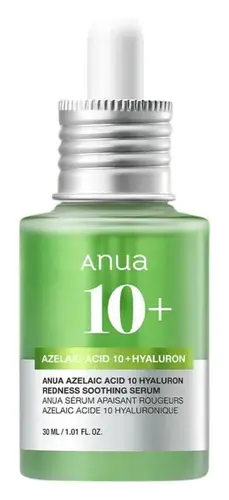
This oil-control moisturizer is formulated around Niacinamide to balance excess oil and clear breakouts.
This barrier-repair moisturizer is formulated around Panthenol and Ceramide NP to strengthen the skin barrier and calm redness.

What's inside
What's inside
 Key Ingredients
Benefits
Concerns
Ingredients Side-by-side
Water
Skin ConditioningDisodium EDTA
ChelatingGlycerin
Humectant


Acrylates/C10-30 Alkyl Acrylate Crosspolymer
Emulsion StabilisingCarbomer
Emulsion StabilisingCetyl Alcohol
Emollient



Stearyl Alcohol
Emollient
Glyceryl Stearate
Emollient
PEG-100 Stearate
Surfactant
C12-15 Alkyl Benzoate
AntimicrobialPhenoxyethanol
Preservative
Caprylyl Glycol
Emollient
Dimethicone
Emollient
BHT
Antioxidant
Aminomethyl Propanol
BufferingNiacinamide
Smoothing









Silica
Abrasive
Cetearyl Isononanoate
Emollient
Polymnia Sonchifolia Root Extract
Skin ConditioningDipropylene Glycol
HumectantPicea Abies Extract
Skin ConditioningPropanediol
Solvent
Pyrus Malus Fruit Extract
Skin Conditioning
Cicer Arietinum Seed Extract
Skin ConditioningPunica Granatum Extract
AstringentMaltodextrin
Absorbent
Xylitol
Humectant
Sodium Carboxymethyl Betaglucan
Sodium Hyaluronate
Humectant
Bisabolol
Antioxidant
Parfum
Masking



Citronellol
Perfuming
Hexyl Cinnamal
Perfuming
Limonene
Perfuming
Linalool
Perfuming
Water, Disodium EDTA, Glycerin, Acrylates/C10-30 Alkyl Acrylate Crosspolymer, Carbomer, Cetyl Alcohol, Stearyl Alcohol, Glyceryl Stearate, PEG-100 Stearate, C12-15 Alkyl Benzoate, Phenoxyethanol, Caprylyl Glycol, Dimethicone, BHT, Aminomethyl Propanol, Niacinamide, Silica, Cetearyl Isononanoate, Polymnia Sonchifolia Root Extract, Dipropylene Glycol, Picea Abies Extract, Propanediol, Pyrus Malus Fruit Extract, Cicer Arietinum Seed Extract, Punica Granatum Extract, Maltodextrin, Xylitol, Sodium Carboxymethyl Betaglucan, Sodium Hyaluronate, Bisabolol, Parfum, Citronellol, Hexyl Cinnamal, Limonene, Linalool
Water
Skin ConditioningC10-18 Triglycerides
Emollient
Panthenol
Skin Conditioning
Propanediol
Solvent
Butyrospermum Parkii Butter
Skin Conditioning
Caprylic/Capric Triglyceride
Masking
Dicaprylyl Ether
Emollient
Cetearyl Alcohol
Emollient
Helianthus Annuus Seed Oil
Emollient
Polysorbate 60
Emulsifying
Ethylhexyl Stearate
Emollient
Coco-Caprylate
Emollient
Glyceryl Stearate
Emollient
Sodium PCA
Humectant
Hydroxyethyl Urea
Humectant
Cellulose
Absorbent
Zinc PCA
Humectant
Ceramide NP
Skin Conditioning
Ammonium Polyacryloyldimethyl Taurate
Emulsion Stabilising1,2-Hexanediol
Skin Conditioning
Caprylyl Glycol
Emollient
Bisabolol
Antioxidant
Sodium Benzoate
Masking
Pentaerythrityl Tetra-Di-T-Butyl Hydroxyhydrocinnamate
Antioxidant
Potassium Sorbate
Preservative
Sodium Gluconate
ChelatingLactic Acid
Buffering
Water, C10-18 Triglycerides, Panthenol, Propanediol, Butyrospermum Parkii Butter, Caprylic/Capric Triglyceride, Dicaprylyl Ether, Cetearyl Alcohol, Helianthus Annuus Seed Oil, Polysorbate 60, Ethylhexyl Stearate, Coco-Caprylate, Glyceryl Stearate, Sodium PCA, Hydroxyethyl Urea, Cellulose, Zinc PCA, Ceramide NP, Ammonium Polyacryloyldimethyl Taurate, 1,2-Hexanediol, Caprylyl Glycol, Bisabolol, Sodium Benzoate, Pentaerythrityl Tetra-Di-T-Butyl Hydroxyhydrocinnamate, Potassium Sorbate, Sodium Gluconate, Lactic Acid
Ingredients Explained
These ingredients are found in both products.
Ingredients higher up in an ingredient list are typically present in a larger amount.
Bisabolol is a gentle skin conditioner, antioxidant, and soothing ingredient.
It's primary claim to fame is soothing and research shows topically applied bisabolol can quiet the chemical messengers that cause your skin to become inflamed, helping to sooth any irritation.
A clinical study found that applying 0.5% bisabolol daily for 8 weeks produced an average 9% decrease in skin pigmentation. Researchers found it can also suppress the process that leads to excess melanin production in skin.
In vitro studies found that bisabolol combined with propylene glycol significantly increased skin permeability by increasing lipid fluidity in the stratum corneum.
You'll likely see use concentrations quite low, usually 0.1-0.2%.
Overall, this is a well-tolerated ingredient that works well in formulas designed for sensitive, reactive, or post-procedure skin.
Learn more about BisabololCaprylyl Glycol is a humectant, skin conditioner, emollient, and preservative booster derived from either caprylic acid or synthetically created.
Typical use levels vary from 0.3-1% as a preservative booster and go up to 2% to condition skin.
Because it is not a free-fatty acid, this ingredient is fungal acne safe (there's nothing for Malassezia to feed on).
Learn more about Caprylyl GlycolGlyceryl Stearate is made by reacting glycerin with stearic acid (typically sourced from plant oils like palm or coconut). It's an emulsifier, emollient, and mild occlusive.
Emulsifiers help ingredients like oil and water stay mixed so your formula stays nicely blended and uniform in texture.
This ingredient is typically used in concentrations between 1-10%. Studies have found it to be non-sensitizing, non-phototoxic, and non-photoallergenic.
A close cousin of this ingredient is Glyceryl Stearate SE ("self-emulsifying"). This just has a small amount of sodium or potassium stearate added so it can emulsify without a co-emulsifier.
Since this ingredient is an ester of a C18 fatty acid, it may not be fungal acne safe. The Malassezia yeast can potentially metabolize within the C11-C24 range.
Fun fact: The human body also creates Glyceryl Stearate naturally.
Learn more about Glyceryl StearatePropanediol is an all-star ingredient. It softens, hydrates, and smooths the skin.
It’s often used to:
Propanediol is not likely to cause sensitivity and considered safe to use. It is derived from corn or petroleum with a clear color and no scent.
Learn more about PropanediolWater. It's the most common cosmetic ingredient of all. You'll usually see it at the top of ingredient lists, meaning that it makes up the largest part of the product.
So why is it so popular? Water most often acts as a solvent - this means that it helps dissolve other ingredients into the formulation.
You'll also recognize water as that liquid we all need to stay alive. If you see this, drink a glass of water. Remember to stay hydrated!
Learn more about Water