

What's inside
What's inside
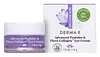 Key Ingredients
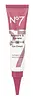
Benefits
Concerns
Ingredients Side-by-side
Water
Skin ConditioningGlycerin
Humectant


Caprylic/Capric Triglyceride
Masking
Macadamia Ternifolia Seed Oil
Emollient

Stearic Acid
Cleansing
Cetyl Alcohol
Emollient
Glyceryl Stearate
Emollient
Hydroxypropyl Cyclodextrin
MaskingPalmitoyl Tripeptide-38
Skin Conditioning


Acetyl Hexapeptide-8
Humectant
Panthenol
Skin Conditioning

Pinus Pinaster Bark Extract
Antioxidant
Acacia Seyal Gum Extract
HumectantTocopheryl Acetate
Antioxidant

Retinyl Palmitate
Skin Conditioning

Ascorbyl Palmitate
Antioxidant
Hamamelis Virginiana Extract
Antiseborrhoeic


Aesculus Hippocastanum Seed Extract
Skin ConditioningCamellia Sinensis Leaf Extract
Antimicrobial

Chamomilla Recutita Flower Extract
Masking
Simmondsia Chinensis Seed Oil
Emollient
Allantoin
Skin Conditioning
Dimethicone
Emollient
Xanthan Gum
EmulsifyingZinc Oxide
Cosmetic Colorant

Potassium Sorbate
Preservative
Phenoxyethanol
Preservative
Ethylhexylglycerin
Skin ConditioningWater, Glycerin, Caprylic/Capric Triglyceride, Macadamia Ternifolia Seed Oil, Stearic Acid, Cetyl Alcohol, Glyceryl Stearate, Hydroxypropyl Cyclodextrin, Palmitoyl Tripeptide-38, Acetyl Hexapeptide-8, Panthenol, Pinus Pinaster Bark Extract, Acacia Seyal Gum Extract, Tocopheryl Acetate, Retinyl Palmitate, Ascorbyl Palmitate, Hamamelis Virginiana Extract, Aesculus Hippocastanum Seed Extract, Camellia Sinensis Leaf Extract, Chamomilla Recutita Flower Extract, Simmondsia Chinensis Seed Oil, Allantoin, Dimethicone, Xanthan Gum, Zinc Oxide, Potassium Sorbate, Phenoxyethanol, Ethylhexylglycerin
Water
Skin ConditioningGlycerin
Humectant
Cyclopentasiloxane
Emollient
Butyrospermum Parkii Butter
Skin Conditioning
Cyclohexasiloxane
Emollient
Butylene Glycol
Humectant
Cetearyl Alcohol
Emollient
Alcohol Denat.
Antimicrobial

Polyacrylamide
Glyceryl Stearate
Emollient
Stearic Acid
Cleansing
Palmitic Acid
Emollient
PEG-100 Stearate
Surfactant
Phenoxyethanol
Preservative
Boron Nitride
Absorbent
C13-14 Isoparaffin
Emollient
Methylparaben
Preservative
Pentylene Glycol
Skin Conditioning
Ascorbyl Glucoside
Antioxidant
Propylene Glycol
Humectant
Laureth-7
EmulsifyingTocopheryl Acetate
Antioxidant
Ethylparaben
Preservative
Hibiscus Abelmoschus Extract
MaskingSaccharomyces Cerevisiae Extract
Skin Conditioning
Retinyl Palmitate
Skin Conditioning
Hydrolyzed Hyaluronic Acid
Humectant
Tetrasodium EDTA
Sorbitan Laurate
Emulsifying
Polysorbate 20
Emulsifying
Potassium Hydroxide
BufferingPanax Ginseng Root Extract
Emollient
3-Aminopropane Sulfonic Acid
SurfactantCalcium Hydroxymethionine
Skin ConditioningCarbomer
Emulsion StabilisingHydroxyethylcellulose
Emulsion StabilisingDimethylmethoxy Chromanol
Antioxidant
Xanthan Gum
EmulsifyingAcetyl Dipeptide-1 Cetyl Ester
Skin Conditioning
Morus Alba Leaf Extract
Skin ConditioningEthylhexylglycerin
Skin ConditioningTocopherol
Antioxidant
Palmitoyl Tripeptide-1
Skin Conditioning
Palmitoyl Tetrapeptide-7
Skin Conditioning
Water, Glycerin, Cyclopentasiloxane, Butyrospermum Parkii Butter, Cyclohexasiloxane, Butylene Glycol, Cetearyl Alcohol, Alcohol Denat., Polyacrylamide, Glyceryl Stearate, Stearic Acid, Palmitic Acid, PEG-100 Stearate, Phenoxyethanol, Boron Nitride, C13-14 Isoparaffin, Methylparaben, Pentylene Glycol, Ascorbyl Glucoside, Propylene Glycol, Laureth-7, Tocopheryl Acetate, Ethylparaben, Hibiscus Abelmoschus Extract, Saccharomyces Cerevisiae Extract, Retinyl Palmitate, Hydrolyzed Hyaluronic Acid, Tetrasodium EDTA, Sorbitan Laurate, Polysorbate 20, Potassium Hydroxide, Panax Ginseng Root Extract, 3-Aminopropane Sulfonic Acid, Calcium Hydroxymethionine, Carbomer, Hydroxyethylcellulose, Dimethylmethoxy Chromanol, Xanthan Gum, Acetyl Dipeptide-1 Cetyl Ester, Morus Alba Leaf Extract, Ethylhexylglycerin, Tocopherol, Palmitoyl Tripeptide-1, Palmitoyl Tetrapeptide-7
Ingredients Explained
These ingredients are found in both products.
Ingredients higher up in an ingredient list are typically present in a larger amount.
Ethylhexylglycerin is created from glycerin. It is a multitasker ingredient that:
The CIR Expert Panel found minimal skin absorption or sensitization of any kind in a safety assessment. Though this ingredient is considered well-tolerated, a small number of cases of allergic dermatitis have been published since 2002. Just be sure to patch test if you are unsure.
Industry-reported use ranges from 8% in rinse-off products and 2% in leave-on formulations.
Learn more about EthylhexylglycerinGlycerin (or glycerol) is a compound naturally found in your skin. It's a powerhouse humectant that pulls water into the stratum corneum.
Topically, glycerin does several things at once:
Your skin makes glycerin on its own (mostly from sebaceous oil breakdown) and shuttles it to your outermost layer of skin, or your epidermis, via aquaporin-3.
Aquaporin-3 is a transporter that is essential for normal skin hydration, elasticity, and repair. Interestingly, mice lacking in AQP3 have dry and less elastic skin that can be fully corrected with glycerin.
This ingredient is non-irritating, plays well with almost every ingredient, and works across all skin types. Typical use is anywhere between 3-10% but can go up to 79% in some leave-on products.
Just know very high concentrations (>40%) can feel tacky in low humidity.
Glycerin is the name for this ingredient in American English. British English uses Glycerol/Glycerine.
Learn more about GlycerinGlyceryl Stearate is made by reacting glycerin with stearic acid (typically sourced from plant oils like palm or coconut). It's an emulsifier, emollient, and mild occlusive.
Emulsifiers help ingredients like oil and water stay mixed so your formula stays nicely blended and uniform in texture.
This ingredient is typically used in concentrations between 1-10%. Studies have found it to be non-sensitizing, non-phototoxic, and non-photoallergenic.
A close cousin of this ingredient is Glyceryl Stearate SE ("self-emulsifying"). This just has a small amount of sodium or potassium stearate added so it can emulsify without a co-emulsifier.
Since this ingredient is an ester of a C18 fatty acid, it may not be fungal acne safe. The Malassezia yeast can potentially metabolize within the C11-C24 range.
Fun fact: The human body also creates Glyceryl Stearate naturally.
Learn more about Glyceryl StearatePhenoxyethanol is a preservative that has germicide, antimicrobial, and aromatic properties. Studies show that phenoxyethanol can prevent microbial growth. By itself, it has a scent that is similar to that of a rose.
It's often used in formulations along with Caprylyl Glycol to preserve the shelf life of products.
Retinyl palmitate is a form of retinoid. Retinoids are the superstar class of anti-aging ingredients that include tretinoin and retinol.
This particular ingredient has had a bumpy year with its rise and fall in popularity.
First, Retinyl palmitate is created from palmitic acid and retinol. It is a retinol ester and considered one of the weaker forms of retinoid.
This is because all retinoids have to be converted to Tretinoin, AKA retinoic acid. Retinyl Palmitate is pretty far down the line and has to go through multiple conversions before its effects are seen.
Due to this long and ineffective conversion line, the benefits of Retinyl Palmitate are debated.
Studies show Retinyl Palmitate to help:
Dermatologists say this ingredient is ineffective because it isn't used in high enough concentrations in cosmetics.
This ingredient used to be found in sunscreens to boost the efficacy of sunscreen filters.
The downfall of Retinyl Palmitate was due to released reports about the ingredient being correlated to sun damage and skin tumors.
While there is a study showing this ingredient to cause DNA damage when exposed to UV-A, there is no concrete proof of it being linked to skin cancer. It is safe to use when used correctly.
All retinoids increase your skin's sensitivity to the sun in the first few months of usage. Be especially careful with reapplying sunscreen when using any form of retinoid.
Currently, this ingredient is still allowed in cosmetics all over the world. In Canada, cosmetics must have a warning label stating the product to contain Retinyl Palmitate
Fun fact: This ingredient is often added to low-fat milk to increase the levels of Vitamin A.
Learn more about Retinyl PalmitateStearic Acid is a fatty acid that is already found in your skin. It's one of the free fatty acids that works alongside ceramides and cholesterols to maintain your barrier.
In cosmetics, it is a multitasker:
Safety-wise, the CIR Expert Panel has concluded it to be safe in cosmetics when formulated to be non-irritating and non-sensitizing.
Free stearic acid is a C18 fatty acid that the Malassezia yeast can substrate, so this ingredient may not be fungal acne safe.
Learn more about Stearic AcidTocopheryl Acetate is AKA Vitamin E. It is an antioxidant and protects your skin from free radicals. Free radicals damage the skin by breaking down collagen.
One study found using Tocopheryl Acetate with Vitamin C decreased the number of sunburned cells.
Tocopheryl Acetate is commonly found in both skincare and dietary supplements.
Learn more about Tocopheryl AcetateWater. It's the most common cosmetic ingredient of all. You'll usually see it at the top of ingredient lists, meaning that it makes up the largest part of the product.
So why is it so popular? Water most often acts as a solvent - this means that it helps dissolve other ingredients into the formulation.
You'll also recognize water as that liquid we all need to stay alive. If you see this, drink a glass of water. Remember to stay hydrated!
Learn more about WaterXanthan gum is used as a stabilizer and thickener within cosmetic products. It helps give products a sticky, thick feeling - preventing them from being too runny.
On the technical side of things, xanthan gum is a polysaccharide - a combination consisting of multiple sugar molecules bonded together.
Xanthan gum is a pretty common and great ingredient. It is a natural, non-toxic, non-irritating ingredient that is also commonly used in food products.
Learn more about Xanthan Gum
