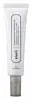
This anti-aging eye moisturizer is formulated around Portulaca Oleracea Extract and Copper Tripeptide-1 to soften the look of wrinkles and hydrate skin.
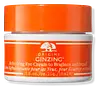
This brightening eye moisturizer is formulated around Panax Ginseng Root Extract and Caffeine to brighten dull-looking skin and hydrate skin.


What's inside
What's inside
 Key Ingredients
Benefits
Concerns
Ingredients Side-by-side
Water
Skin ConditioningGlycerin
Humectant


1,2-Hexanediol
Skin Conditioning
Butylene Glycol
Humectant
Portulaca Oleracea Extract
Skin Conditioning

Tromethamine
BufferingSodium PCA
Humectant
Carbomer
Emulsion StabilisingHydroxyethyl Acrylate/Sodium Acryloyldimethyl Taurate Copolymer
Emulsion StabilisingPolyglyceryl-10 Laurate
Skin Conditioning

Simmondsia Chinensis Seed Oil
Emollient
Argania Spinosa Kernel Oil
Emollient

Propanediol
Solvent
Ethylhexylglycerin
Skin ConditioningTocopherol
Antioxidant



Phaseolus Angularis Seed Extract
Antioxidant
Xanthan Gum
EmulsifyingSorbitan Isostearate
Emulsifying
Perilla Frutescens Extract
Skin ConditioningChaenomeles Sinensis Fruit Extract
Antioxidant
Diospyros Kaki Leaf Extract
Skin Protecting
Cinnamomum Cassia Bark Extract
Masking
Artemisia Princeps Leaf Extract
Skin ConditioningChrysanthellum Indicum Extract
Skin Conditioning
Camellia Sinensis Leaf Extract
Antimicrobial
Copper Tripeptide-1
Skin Conditioning
Oligopeptide-32
Antiseborrhoeic
Oligopeptide-29
Antioxidant
Acetyl Hexapeptide-8
Humectant
Caffeine
Skin Conditioning
Niacinamide
Smoothing


Hydrogenated Lecithin
Emulsifying
Water, Glycerin, 1,2-Hexanediol, Butylene Glycol, Portulaca Oleracea Extract, Tromethamine, Sodium PCA, Carbomer, Hydroxyethyl Acrylate/Sodium Acryloyldimethyl Taurate Copolymer, Polyglyceryl-10 Laurate, Simmondsia Chinensis Seed Oil, Argania Spinosa Kernel Oil, Propanediol, Ethylhexylglycerin, Tocopherol, Phaseolus Angularis Seed Extract, Xanthan Gum, Sorbitan Isostearate, Perilla Frutescens Extract, Chaenomeles Sinensis Fruit Extract, Diospyros Kaki Leaf Extract, Cinnamomum Cassia Bark Extract, Artemisia Princeps Leaf Extract, Chrysanthellum Indicum Extract, Camellia Sinensis Leaf Extract, Copper Tripeptide-1, Oligopeptide-32, Oligopeptide-29, Acetyl Hexapeptide-8, Caffeine, Niacinamide, Hydrogenated Lecithin
Water
Skin ConditioningButylene Glycol
Humectant
PEG-100 Stearate
Surfactant
Dimethicone
Emollient
Silica
Abrasive
Cetyl Ricinoleate
Emollient
Olea Europaea Fruit Oil
Masking

Glycerin
Humectant
Panax Ginseng Root Extract
Emollient
Coffea Arabica Seed Oil
Masking
Caffeine
Skin Conditioning
Citrus Aurantium Dulcis Peel Extract
Emulsion Stabilising
Aminopropyl Ascorbyl Phosphate
Antioxidant
Caprylic/Capric Triglyceride
Masking
Hypnea Musciformis Extract
Skin Protecting
Gelidiella Acerosa Extract
Skin Protecting
Sigesbeckia Orientalis Extract
Skin ConditioningAscophyllum Nodosum Extract
Skin Conditioning
Chrysanthellum Indicum Extract
Skin Conditioning
Asparagopsis Armata Extract
Skin Protecting
Cucumis Sativus Fruit Extract
Emollient
Pyrus Malus Fruit Extract
Skin Conditioning
Scutellaria Baicalensis Root Extract
Astringent
Molasses Extract
Skin ConditioningButyrospermum Parkii Butter
Skin Conditioning
Simmondsia Chinensis Seed Oil
Emollient
Sodium Hyaluronate
Humectant
Niacinamide
Smoothing
Linoleic Acid
Cleansing
Phytosphingosine
Skin Conditioning
Tocopheryl Acetate
Antioxidant
Methyl Trimethicone
Skin Conditioning
Trehalose
Humectant
Tribehenin
Emollient
Inulin
Skin Conditioning
Sorbitol
Humectant
Ethylhexylglycerin
Skin ConditioningCaprylyl Glycol
Emollient
Tocopherol
Antioxidant
Myristyl Alcohol
Emollient
Hydrogenated Lecithin
Emulsifying
Jojoba Wax PEG-120 Esters
Surfactant
Carbomer
Emulsion StabilisingBehenyl Alcohol
Emollient
Sodium Hydroxide
BufferingBHT
Antioxidant
Hydroxyacetophenone
Antioxidant
Sodium Metabisulfite
Antioxidant
Sodium Sulfite
Preservative
Disodium EDTA
Phenoxyethanol
Preservative
Chlorphenesin
Antimicrobial
Sorbic Acid
Preservative
Potassium Sorbate
Preservative
Mica
Cosmetic ColorantCI 77891
Cosmetic ColorantCI 77491
Cosmetic ColorantCI 77492
Cosmetic ColorantCI 77163
Cosmetic Colorant
Water, Butylene Glycol, PEG-100 Stearate, Dimethicone, Silica, Cetyl Ricinoleate, Olea Europaea Fruit Oil, Glycerin, Panax Ginseng Root Extract, Coffea Arabica Seed Oil, Caffeine, Citrus Aurantium Dulcis Peel Extract, Aminopropyl Ascorbyl Phosphate, Caprylic/Capric Triglyceride, Hypnea Musciformis Extract, Gelidiella Acerosa Extract, Sigesbeckia Orientalis Extract, Ascophyllum Nodosum Extract, Chrysanthellum Indicum Extract, Asparagopsis Armata Extract, Cucumis Sativus Fruit Extract, Pyrus Malus Fruit Extract, Scutellaria Baicalensis Root Extract, Molasses Extract, Butyrospermum Parkii Butter, Simmondsia Chinensis Seed Oil, Sodium Hyaluronate, Niacinamide, Linoleic Acid, Phytosphingosine, Tocopheryl Acetate, Methyl Trimethicone, Trehalose, Tribehenin, Inulin, Sorbitol, Ethylhexylglycerin, Caprylyl Glycol, Tocopherol, Myristyl Alcohol, Hydrogenated Lecithin, Jojoba Wax PEG-120 Esters, Carbomer, Behenyl Alcohol, Sodium Hydroxide, BHT, Hydroxyacetophenone, Sodium Metabisulfite, Sodium Sulfite, Disodium EDTA, Phenoxyethanol, Chlorphenesin, Sorbic Acid, Potassium Sorbate, Mica, CI 77891, CI 77491, CI 77492, CI 77163
Reviews
Ingredients Explained
These ingredients are found in both products.
Ingredients higher up in an ingredient list are typically present in a larger amount.
Butylene Glycol (or BG) is used within cosmetic products for a few different reasons:
Overall, Butylene Glycol is a safe and well-rounded ingredient that works well with other ingredients.
Though this ingredient works well with most skin types, some people with sensitive skin may experience a reaction such as allergic rashes, closed comedones, or itchiness.
Learn more about Butylene GlycolCaffeine is a naturally occurring plant compound found in coffee beans, tea leaves, cocoa pods, and guarana.
As an antioxidant, caffeine protects your skin from free radical damage caused by UV exposure and envionrmnetal stressors.
Early research also shows that caffeine can help calm redness, soothe irritated skin, and support hair growth by stimulating microcirculation in the scalp.
You might have seen eye creams marketing caffeine as a depuffing ingredient. This is because it is a vasoconstrictor meaning it can temporarily constrict blood vessels, though clinical evidence for this specific use is still limited.
Most skincare products contain this ingredient at concentrations between 1-6%. It is able to penetrate skin easily regardless of skin type or thickness.
Just so you know, a very small number of case reports describe caffeine-induced allergy. This ingredient is generally well-tolerated, non-irritating, and non-sensitizing for the majority of people.
Learn more about CaffeineCarbomer is a synthetic thickening and gelling agent. It's basically the ingredient that gives a lot of serums, gels, creams, and sunscreens their smooth, non-sticky texture.
Although legally permitted at very high levels, carbomers are normally used at concentrations below 1%.
It also needs to be neutralized to actually thicken, and because it is a large molecule, it doesn't really penetrate the skin barrier.
Allergy-wise, the risk is very low. Clinical studies show carbomers have low potential for skin irritation/sensitization even at concentrations up to 100%.
A 2024 UK study patch-tested 1,302 patients and found true allergy to the parent group of carbomer to be rare with no confirmed relevant reactions.
Learn more about CarbomerThis ingredient is also known as golden chamomile extract. It is rich in antioxidants and has skin conditioning properties.
It has an interesting effect on capillary health and has been shown to strengthen capillaries/improve blood flow in the skin. A 2005 study using a cream with this ingredient significantly reduced redness and rosacea severity over 12 weeks with minimal side effects.
French patent research also backs up the anti-inflammatory and circulation supporting properties at concentrations of 0.01-2%.
Learn more about Chrysanthellum Indicum ExtractEthylhexylglycerin is created from glycerin. It is a multitasker ingredient that:
The CIR Expert Panel found minimal skin absorption or sensitization of any kind in a safety assessment. Though this ingredient is considered well-tolerated, a small number of cases of allergic dermatitis have been published since 2002. Just be sure to patch test if you are unsure.
Industry-reported use ranges from 8% in rinse-off products and 2% in leave-on formulations.
Learn more about EthylhexylglycerinGlycerin (or glycerol) is a compound naturally found in your skin. It's a powerhouse humectant that pulls water into the stratum corneum.
Topically, glycerin does several things at once:
Your skin makes glycerin on its own (mostly from sebaceous oil breakdown) and shuttles it to your outermost layer of skin, or your epidermis, via aquaporin-3.
Aquaporin-3 is a transporter that is essential for normal skin hydration, elasticity, and repair. Interestingly, mice lacking in AQP3 have dry and less elastic skin that can be fully corrected with glycerin.
This ingredient is non-irritating, plays well with almost every ingredient, and works across all skin types. Typical use is anywhere between 3-10% but can go up to 79% in some leave-on products.
Just know very high concentrations (>40%) can feel tacky in low humidity.
Glycerin is the name for this ingredient in American English. British English uses Glycerol/Glycerine.
Learn more about GlycerinHydrogenated Lecithin is a more stable version of lecithin.
It's made by taking lecithin (a phospholipid commonly found in soybeans and egg yolks) and hydrogenating it. This just means the unsaturated fatty acids are turned into saturated ones so they don't go bad as easily.
This ingredient is an emollient, emulsifier, and penetration enhancer. As an emollient, it helps soften and hydrate skin by trapping moisture within. As an emulsifier, it prevents oil and water ingredients from separating.
Hydrogenated Lecithin can form tiny spherical structures made of phospholipid bilayers called liposomes. These liposomes are able to capture compounds inside their structure and deliver them through the skin barrier.
Because phospholipids are a natural component of our cell membranes, this ingredient is inherently compatible with skin.
A 2021 study found lecithin-based surfactants were less harsh and more tolerable comared to Sodium Lauryl Sulfate (SLS).
Learn more about Hydrogenated LecithinNiacinamide is a multitasking form of vitamin B3 that strengthens the skin barrier, reduces pores and dark spots, regulates oil, and improves signs of aging.
And the best part? It's gentle and well-tolerated by most skin types, including sensitive and reactive skin.
You might have heard of "niacin flush", or the reddening of skin that causes itchiness. Niacinamide has not been found to cause this.
In very rare cases, some individuals may not be able to tolerate niacinamide at all or experience an allergic reaction to it.
If you are experiencing flaking, irritation, and dryness with this ingredient, be sure to double check all your products as this ingredient can be found in all categories of skincare.
When incorporating niacinamide into your routine, look out for concentration amounts. Typically, 5% niacinamide provides benefits such as fading dark spots. However, if you have sensitive skin, it is better to begin with a smaller concentration.
When you apply niacinamide to your skin, your body converts it into nicotinamide adenine dinucleotide (NAD). NAD is an essential coenzyme that is already found in your cells as "fuel" and powers countless biological processes.
In your skin, NAD helps repair cell damage, produce new healthy cells, support collagen production, strengthen the skin barrier, and fight environmental stressors (like UV and pollution).
Our natural NAD levels start to decline with age, leading to slower skin repair, visible aging, and a weaker skin barrier. By providing your skin niacinamide, you're recharging your skin's NAD levels. This leads to stronger, healthier, and younger looking skin.
Another name for vitamin B3 is nicotinamide. This vitamin is water-soluble and our bodies don't store it. We obtain Vitamin B3 from either food or skincare. Meat, fish, wheat, yeast, and leafy greens contain vitamin B3.
The type of niacinamide used in skincare is synthetically created.
Learn more about NiacinamideJojoba oil is one of the most well-studied plant-derived ingredients in cosmetics. It is an emollient with a special structure.
Because it is made up of 97-98% wax esters, it closely mirrors the linear monoesters found in human sebum. This makes it skin compatible, non-greasy, and lightweight.
Unlike other plant oils, jojoba wax doesn't easily penetrate skin. It mostly works in the uppermost layers as an emollient. This just means it forms a light barrier on the skin to help retain moisture.
Formulations with jojoba esters up to 90% reduced transepidermal water loss (TEWL) and increased barrier recovery by 81% (outperforming bisabolol at 47%).
Besides barrier support, the science also suggests jojoba to have anti-inflammatory effects and potential applications for skin infections, aging, and wound healing.
Fun fact: Indigenous cultures have used jojoba as a moisturizer and to help treat burns for centuries.
Fungal acne: The Malassezia yeast is known to metabolize fatty acids in the C11-24 range and jojoba's dominant fatty acid components fall into this range. This ingredient may not be fungal acne safe.
Learn more about Simmondsia Chinensis Seed OilTocopherol is a fat-soluble antioxidant known as Vitamin E.
You'll find this ingredient in the vast majority of skincare (for good reason). It works to neutralize free radicals, or unstable molecules generated by UV exposure, pollution, and other environmental stressors, before they can cause oxidative damage to your skin cells.
Topically applied tocopherol has been shown to protect against UV damage by ramping up the skin's own natural defense enzymes.
It also acts as a skin conditioning agent; some studies show that regular topical use can improve the skin's water-binding capacity over 2-4 weeks.
This ingredient is especially loved for being a team player. When combined with Vitamin C, the photoprotective effect of both ingredients roughly doubles and the combo also helps reduce UV-induced DNA damage.
This ingredient has some brightening potential but it's more of a prevention ingredient than spot-fader. Cell studies show it can slow down melanin production but it's worth noting that it's not the most powerful brightener out there.
In formulations, it also serves as a stabilizer that helps protect other oxidation-prone ingredients from degrading.
Concentrations usually range from 0.1-1% in most leave-on products.
Learn more about TocopherolWater. It's the most common cosmetic ingredient of all. You'll usually see it at the top of ingredient lists, meaning that it makes up the largest part of the product.
So why is it so popular? Water most often acts as a solvent - this means that it helps dissolve other ingredients into the formulation.
You'll also recognize water as that liquid we all need to stay alive. If you see this, drink a glass of water. Remember to stay hydrated!
Learn more about Water

