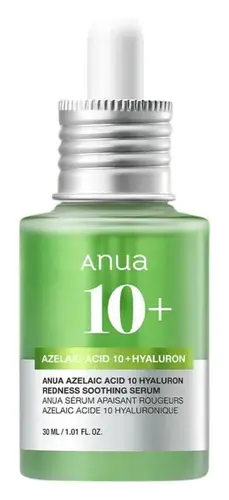
This hydrating serum is formulated around Rosa Damascena Flower Water and Niacinamide to hydrate skin and calm redness.
This hydrating serum is formulated around Niacinamide and Persea Gratissima Oil to hydrate skin and calm redness.

What's inside
What's inside
 Key Ingredients
Benefits
Concerns
Ingredients Side-by-side
Rosa Damascena Flower Water
Masking

Dipropylene Glycol
HumectantNeopentyl Glycol Diheptanoate
EmollientWater
Skin ConditioningGlycereth-26
Humectant
1,2-Hexanediol
Skin Conditioning
Niacinamide
Smoothing









Tuber Magnatum Extract
Skin ConditioningTocopherol
Antioxidant

Hydroxyethyl Urea
Humectant
Butylene Glycol
Humectant
Persea Gratissima Oil
Skin Conditioning




Betaine
Humectant
Glycerin
Humectant
Panthenol
Skin Conditioning
Helianthus Annuus Seed Oil
Emollient
Sorbitol
Humectant
Dipotassium Glycyrrhizate
Humectant
Disodium EDTA
ChelatingTocopheryl Acetate
Antioxidant
Adenosine
Skin Conditioning
Bifida Ferment Lysate
Skin Conditioning
Camellia Japonica Seed Oil
Emollient
Hibiscus Esculentus Fruit Extract
Skin ConditioningMacadamia Ternifolia Seed Oil
Emollient
Oenothera Biennis Oil
Emollient
Olea Europaea Fruit Oil
Masking
Glycine Soja Oil
Emollient
Arginine
Masking
Bellis Perennis Flower Extract
Skin ConditioningCarbomer
Emulsion StabilisingFreesia Refracta Extract
Skin ConditioningHouttuynia Cordata Extract
Skin Conditioning
Leontopodium Alpinum Extract
Skin ConditioningLilium Candidum Flower Extract
Skin ConditioningMorus Alba Bark Extract
Skin ConditioningNelumbo Nucifera Flower Extract
Skin ConditioningOcimum Basilicum Flower/Leaf/Stem Extract
TonicPanax Ginseng Root Extract
Emollient
Saussurea Involucrata Extract
HumectantChamomilla Recutita Flower Extract
Masking
Hibiscus Sabdariffa Flower Extract
Skin ConditioningLavandula Angustifolia Flower Extract
Cleansing

Melissa Officinalis Leaf Extract
Skin ConditioningMentha Piperita Leaf Extract
Skin ConditioningMentha Rotundifolia Leaf Extract
TonicMonarda Didyma Leaf Extract
Skin ConditioningRosa Centifolia Flower Extract
Astringent
Rosmarinus Officinalis Leaf Extract
AntimicrobialSalvia Officinalis Leaf Extract
CleansingSparassis Crispa Extract
Emulsion StabilisingSodium Palmitoyl Proline
Skin ConditioningPotassium Sorbate
Preservative
Avena Sativa Kernel Extract
Abrasive
Hippophae Rhamnoides Fruit Oil
Skin Protecting
Hydrolyzed Hyaluronic Acid
Humectant
Salvia Hispanica Seed Extract
Emollient
Centella Asiatica Extract
Cleansing
Hamamelis Virginiana Extract
Antiseborrhoeic
Portulaca Oleracea Extract
Skin Conditioning
Scutellaria Baicalensis Root Extract
Astringent
Bixa Orellana Seed Oil
Emollient
Nymphaea Alba Flower Extract
Skin ConditioningParfum
Masking
Hexyl Cinnamal
Perfuming
Limonene
Perfuming
Linalool
Perfuming
Citronellol
Perfuming
Rosa Damascena Flower Water, Dipropylene Glycol, Neopentyl Glycol Diheptanoate, Water, Glycereth-26, 1,2-Hexanediol, Niacinamide, Tuber Magnatum Extract, Tocopherol, Hydroxyethyl Urea, Butylene Glycol, Persea Gratissima Oil, Betaine, Glycerin, Panthenol, Helianthus Annuus Seed Oil, Sorbitol, Dipotassium Glycyrrhizate, Disodium EDTA, Tocopheryl Acetate, Adenosine, Bifida Ferment Lysate, Camellia Japonica Seed Oil, Hibiscus Esculentus Fruit Extract, Macadamia Ternifolia Seed Oil, Oenothera Biennis Oil, Olea Europaea Fruit Oil, Glycine Soja Oil, Arginine, Bellis Perennis Flower Extract, Carbomer, Freesia Refracta Extract, Houttuynia Cordata Extract, Leontopodium Alpinum Extract, Lilium Candidum Flower Extract, Morus Alba Bark Extract, Nelumbo Nucifera Flower Extract, Ocimum Basilicum Flower/Leaf/Stem Extract, Panax Ginseng Root Extract, Saussurea Involucrata Extract, Chamomilla Recutita Flower Extract, Hibiscus Sabdariffa Flower Extract, Lavandula Angustifolia Flower Extract, Melissa Officinalis Leaf Extract, Mentha Piperita Leaf Extract, Mentha Rotundifolia Leaf Extract, Monarda Didyma Leaf Extract, Rosa Centifolia Flower Extract, Rosmarinus Officinalis Leaf Extract, Salvia Officinalis Leaf Extract, Sparassis Crispa Extract, Sodium Palmitoyl Proline, Potassium Sorbate, Avena Sativa Kernel Extract, Hippophae Rhamnoides Fruit Oil, Hydrolyzed Hyaluronic Acid, Salvia Hispanica Seed Extract, Centella Asiatica Extract, Hamamelis Virginiana Extract, Portulaca Oleracea Extract, Scutellaria Baicalensis Root Extract, Bixa Orellana Seed Oil, Nymphaea Alba Flower Extract, Parfum, Hexyl Cinnamal, Limonene, Linalool, Citronellol
Water
Skin ConditioningDipropylene Glycol
HumectantNeopentyl Glycol Diheptanoate
EmollientGlycereth-26
Humectant
1,2-Hexanediol
Skin Conditioning
Niacinamide
Smoothing
Sorbitol
Humectant
Hydroxyethyl Urea
Humectant
Persea Gratissima Oil
Skin Conditioning
Salvia Hispanica Seed Extract
Emollient
Ocimum Basilicum Flower/Leaf/Stem Extract
TonicBetaine
Humectant
Avena Sativa Kernel Extract
Abrasive
Butylene Glycol
Humectant
Tuber Magnatum Extract
Skin ConditioningGlycerin
Humectant
Helianthus Annuus Seed Oil
Emollient
Tocopheryl Acetate
Antioxidant
Disodium EDTA
ChelatingDipotassium Glycyrrhizate
Humectant
Adenosine
Skin Conditioning
Sodium Palmitoyl Proline
Skin ConditioningBifida Ferment Lysate
Skin Conditioning
Nymphaea Alba Flower Extract
Skin ConditioningHydrolyzed Hyaluronic Acid
Humectant
Glycine Soja Oil
Emollient
Saussurea Involucrata Extract
HumectantPanax Ginseng Root Extract
Emollient
Nelumbo Nucifera Flower Extract
Skin ConditioningMorus Alba Bark Extract
Skin ConditioningLilium Candidum Flower Extract
Skin ConditioningLeontopodium Alpinum Extract
Skin ConditioningHouttuynia Cordata Extract
Skin Conditioning
Freesia Refracta Extract
Skin ConditioningCarbomer
Emulsion StabilisingBellis Perennis Flower Extract
Skin ConditioningArginine
Masking
Potassium Sorbate
Preservative
Bixa Orellana Seed Oil
Emollient
Tocopherol
Antioxidant
Parfum
Masking
Linalool
Perfuming
Hexyl Cinnamal
Perfuming
Limonene
Perfuming
Citronellol
Perfuming
Water, Dipropylene Glycol, Neopentyl Glycol Diheptanoate, Glycereth-26, 1,2-Hexanediol, Niacinamide, Sorbitol, Hydroxyethyl Urea, Persea Gratissima Oil, Salvia Hispanica Seed Extract, Ocimum Basilicum Flower/Leaf/Stem Extract, Betaine, Avena Sativa Kernel Extract, Butylene Glycol, Tuber Magnatum Extract, Glycerin, Helianthus Annuus Seed Oil, Tocopheryl Acetate, Disodium EDTA, Dipotassium Glycyrrhizate, Adenosine, Sodium Palmitoyl Proline, Bifida Ferment Lysate, Nymphaea Alba Flower Extract, Hydrolyzed Hyaluronic Acid, Glycine Soja Oil, Saussurea Involucrata Extract, Panax Ginseng Root Extract, Nelumbo Nucifera Flower Extract, Morus Alba Bark Extract, Lilium Candidum Flower Extract, Leontopodium Alpinum Extract, Houttuynia Cordata Extract, Freesia Refracta Extract, Carbomer, Bellis Perennis Flower Extract, Arginine, Potassium Sorbate, Bixa Orellana Seed Oil, Tocopherol, Parfum, Linalool, Hexyl Cinnamal, Limonene, Citronellol
Reviews
Ingredients Explained
These ingredients are found in both products.
Ingredients higher up in an ingredient list are typically present in a larger amount.
1,2-Hexanediol is a synthetic liquid and another multi-functional powerhouse.
It is a:
- Humectant, drawing moisture into the skin
- Emollient, helping to soften skin
- Solvent, dispersing and stabilizing formulas
- Preservative booster, enhancing the antimicrobial activity of other preservatives
Adenosine is a purine nucleoside that your body already makes in every cell. In skincare, it acts mainly as a skin conditioning and anti-aging agent.
The way it works is fairly well mapped out:
Your skin has cells called fibroblasts that build collagen (the stuff that keeps skin firm and smooth). Adenosine basically flips a switch on these cells that tells them to get to work making more collagen and other proteins. These cells slow down on their own as skin ages, so Adenosine helps give them a little nudge to keep going.
The clinical backing is pretty solid too.
A blind, randomized, placebo-controlled trial of 126 women aged 45-65 tested a 0.1% cream twice daily and found real improvements in crow's feet and frown lines using a precise 3D skin-mapping technique; these changes showed up by week 3 and held at 2 months.
A later study using Adenosine-loaded dissolving microneedle patches reported gains in wrinkle depth, dermal density, elasticity, and hydration.
On concentrations, South Korea's Ministry of Food and Drug Safety has set 0.04% as the approved functional anti-wrinkle level. You'll typically see this ingredient used somewhere in the 0.04-0.1% range since it works at low doses.
This ingredient has been found safe for cosmetics with the data showing no irritation or sensitization.
Overall, this is a great ingredient for any anti-aging routine and has no photosensitizing effect, so it suits both AM and PM use.
Learn more about AdenosineArginine is a semi-essential amino acid. This just means our bodies can product a bit on its own, but sometimes needs a little boost from food sources.
It is a part of your skin's natural moisturizing factor (NMF), or the water-loving molecules in your outermost layer of skin (stratum corneum) that keeps everything hydrated and happy.
Here's an interesting thing about Arginine: your skin converts it into urea through the Krebs-Henseleit urea cycle. Urea is one of the most effective humectants your skin naturally produces.
A clinical study showed applying 2.5% arginine hydrochloride to atopic dermatitis skin showed significant urea levels in the stratum corneum and improved moisture in just four weeks.
Arginine is also a precursor to nitric oxide; nitric oxide improves microcirculation and supports wound healing and collagen synthesis.
One study found that an amino acid complex containing Arginine reduced skin irritation, improved hydration, and accelerated skin repair in clinical / in-vivo studies.
Arginine itself is an amino acid and not a fatty acid, oil, or ester. On its own, it's not a direct food source for Malassezia, or the yeast that causes fungal acne.
Learn more about ArginineAvena Sativa Kernel Extract is is derived from colloidal oatmeal. Besides being a healthy breakfast, oats have many benefits in skincare too.
This ingredient helps sooth, hydrate, and protect the skin. The starches in colloidal oatmeal are able to bind water, keeping the skin hydrated.
The cellulose and fiber in colloidal oatmeal help reduce inflammation. This can also help the skin feel softer.
Colloidal Oatmeal is also an antioxidant. Antioxidants protect our skin from free-radical damage.
Oatmeal also contains beneficial compounds:
This ingredient is created by mixing grounded oatmeal and a liquid base.
Learn more about Avena Sativa Kernel ExtractDaisy extract has antioxidant and anti-inflammatory properties.
A study from 2021 found this extract to protect the skin against UV-A damage. This should not replace your sunscreen!
Betaine is a humectant. Like hyaluronic acid, it helps attract and retain moisture in the skin. It’s known for being gentle and for helping the skin maintain balanced hydration.
Betaine is mainly used to improve hydration and support calmer skin. It helps skin cells regulate water balance because it functions as an osmolyte.
Some studies suggest betaine may support making skin tone more even.
Fun fact: Betaine naturally exists in the skin and the body. In cosmetic products, it can be either plant-derived (most commonly from sugar beets) or synthetically produced for consistency and stability.
Betaine is also known as trimethylglycine.
Learn more about BetaineBifida Ferment Lysate is a postbiotic ingredient made by fermenting Bifidobacterium to extract a nutrient-rich mix of peptides, amino acids, vitamins, organic acids, and polysaccharides.
These components are basically the building blocks that your skin already uses to stay hydrated, repair itself, and maintain its barrier. That's why this ingredient helps your skin hold onto moisture and stay resilient against irritation.
One in-vitro study found that this ingredient tells your skin cells to produce more of the proteins (filaggrin, loricrin, and involucrin) for building a strong and healthy barrier. This study also found this ingredient to be a solid antioxidant that helped neutralize damage against UV and pollution.
A study with people from 2010 found that sensitive, reactive skin using a cream with 10% of this ingredient for a month became noticeably less dry, less reactive, and harder to irritate compared to the group using a plain cream.
In short, this ingredient is a well-tolerated ingredient that can help with barrier repair, antioxidant protection, and calming reactive skin.
This ingredient is generally considered fungal acne (Malassezia) safe; Bifidobacterium is a bacterium, not a yeast or fungus.
The fungal acne concern with fermented ingredients mainly applies to yeast-derived ferments like Saccharomyces and Galactomyces, because those are in the same kingdom as Malassezia and could theoretically contain residual compounds that feed it.
Bifida is a completely different organism, so on its own it doesn't provide a food source for the Malassezia yeast that causes fungal acne.
Learn more about Bifida Ferment LysateBixa Orellana Seed Oil is an oil and isn't fungal acne safe.
Butylene Glycol (or BG) is used within cosmetic products for a few different reasons:
Overall, Butylene Glycol is a safe and well-rounded ingredient that works well with other ingredients.
Though this ingredient works well with most skin types, some people with sensitive skin may experience a reaction such as allergic rashes, closed comedones, or itchiness.
Learn more about Butylene GlycolCarbomer is a synthetic thickening and gelling agent. It's basically the ingredient that gives a lot of serums, gels, creams, and sunscreens their smooth, non-sticky texture.
Although legally permitted at very high levels, carbomers are normally used at concentrations below 1%.
It also needs to be neutralized to actually thicken, and because it is a large molecule, it doesn't really penetrate the skin barrier.
Allergy-wise, the risk is very low. Clinical studies show carbomers have low potential for skin irritation/sensitization even at concentrations up to 100%.
A 2024 UK study patch-tested 1,302 patients and found true allergy to the parent group of carbomer to be rare with no confirmed relevant reactions.
Learn more about CarbomerCitronellol is used to add fragrance/parfum to a product. It is often derived from plants such as roses. In fact, it can be found in many essential oils including geranium, lavender, neroli, and more. The scent of Citronellol is often described as "fresh, grassy, and citrus-like".
Since the Citronellol molecule is already unstable, Citronellol becomes irritating on the skin when exposed to air.
Citronellol is a modified terpene. Terpenes are unsaturated hydrocarbons found in plants. They make up the primary part of essential oils.
Citronellol is not able to be absorbed into deeper layers of the skin. It has low permeability,
Citronellol is also a natural insect repellent.
Learn more about CitronellolDipotassium Glycyrrhizate comes from licorice root.
Extracts of licorice have demonstrated to have antibacterial, anti‐inflammatory, antiviral, antioxidant properties.
One component, glabridin, has extra potent antioxidant and soothing properties. It has also been found to block pigmentation from UVB rays in guinea pigs.
Licorice Root also contains a flavonoid. Flavonoids are a natural substance from in plants. Flavonoids also have antioxidant properties.
Another component, glycyrrhizin, has been found to have anti-inflammatory and antimicrobial benefits. This may make licorice root extract effective at treating acne. However, more research is needed to support this.
Liquiritin is one of the flavone compounds found in licorice. It has been found to help lighten skin by preventing tyrosinase from reacting with tyrosine. When the two react, protein is converted to melanin. Melanin is the substance in your body that gives your features pigmentation.
Licorice root is native to Southern Europe and Asia. It has been used in traditional Chinese medicine to help with respiratory issues.
Learn more about Dipotassium GlycyrrhizateDipropylene Glycol is a synthetically created humectant, stabilizer, and solvent.
This ingredient helps:
Dipropylene glycol is technically an alcohol, but it belongs to the glycol family (often considered part of the ‘good’ alcohols). This means it is hydrating and gentle on skin unlike drying solvent alcohols like denatured alcohol.
As a masking agent, Dipropylene Glycol can be used to cover the smell of other ingredients. However, it does not have a scent.
Studies show Dipropylene Glycol is considered safe to use in skincare.
Learn more about Dipropylene GlycolDisodium EDTA is a chelating agent. It grabs onto and deactivates metal ions that sneak into your products from water, packaging, or air.
This ingredient mainly works behind the scenes and helps with:
On top of that, this ingredient can counteract the effects of hard water by binding to the minerals in it.
One thing worth knowing is that Disodium EDTA has been shown to be a mild penetration enhancer. It can help other ingredients absorb into skin more effectively which can be a double-edged sword (great for actives, but can also make the active too strong if you have sensitive skin).
Clinical patch testing showed no significant skin irritation at typical use concentrations and minimal dermal absorption.
You'll most likely see this ingredient near the end of an ingredient list. It's typically found in concentrations less than 1%.
Learn more about Disodium EDTAWe don't have a description for Freesia Refracta Extract yet.
Glycereth-26 is a synthetic ingredient and polyethylene glycol ether of Glycerin. Glycerin is already naturally found in your skin and helps keep your skin moisturized.
It is a humectant and helps add texture to products. It can make your product thicker.
As a humectant, it helps draw moisture from the air to your skin. This helps your skin stay hydrated.
Learn more about Glycereth-26Glycerin (or glycerol) is a compound naturally found in your skin. It's a powerhouse humectant that pulls water into the stratum corneum.
Topically, glycerin does several things at once:
Your skin makes glycerin on its own (mostly from sebaceous oil breakdown) and shuttles it to your outermost layer of skin, or your epidermis, via aquaporin-3.
Aquaporin-3 is a transporter that is essential for normal skin hydration, elasticity, and repair. Interestingly, mice lacking in AQP3 have dry and less elastic skin that can be fully corrected with glycerin.
This ingredient is non-irritating, plays well with almost every ingredient, and works across all skin types. Typical use is anywhere between 3-10% but can go up to 79% in some leave-on products.
Just know very high concentrations (>40%) can feel tacky in low humidity.
Glycerin is the name for this ingredient in American English. British English uses Glycerol/Glycerine.
Learn more about GlycerinGlycine Soja Oil is a plant-derived oil from soybean seeds. Like other oils, it is rich in essential fatty acids (mostly linoleic and oleic) that support skin hydration and barrier function.
The fatty acids are able to integrate into the lipid matrix of the stratum corneum to help soften skin and reduce water loss.
On top of that, soybean oil is rich in vitamins like vitamin E, a potent antioxidant.
Research on soybean's active components also point to anti-inflammatory, collagen-stimulating, antioxidant activity, and protection against UV-induced oxidative damage.
Most of this research applies to the broader soybean plant and not just the oil fraction alone.
This ingredient does carry a comedogenic rating of 3 from the old rabbit-ear assay. Just remember testing finished products in humans showed that formulas built with "comedogenic" ingredients are not necessarily comedogenic themselves. It's worth patch testing if you're breakout prone, and always listen to your skin.
Because this ingredient is a saturated triglyceride, it may not be fungal acne safe. This is because Malassezia breaks down sebum triglycerides into fatty acids it can consume, making this ingredient a possible source for the yeast.
Learn more about Glycine Soja OilHelianthus Annuus Seed Oil is a plant oil derived from the seeds of a sunflower.
It is rich in fatty acids, primarily linoleic acid and oleic acid. This gives it emollient and skin conditioning properties.
The reason this ingredient is so effective is because it forms a thin film on the skin that reduces transepidermal water loss (TEWL) while supplying linoleic acid to the stratum corneum to improve barrier strength.
The high linoleic acid content is particularly noteworthy for acne-prone skin.
Research suggests that acne-prone skin tends to be deficient in linoleic acid in sebum. Topical application may help replenish this to support a healthier follicular environment and less comedone-promoting sebum.
One randomized study found sunflower seed oil preserved skin barrier integrity in adult volunteers with and without atopic dermatitis (outperforming olive oil).
This ingredient is well-studied, gentle, and an effective emollient suitable for most skin types.
On fungal acne: This ingredient may not be Fungal acne (Malassezia folliculitis) safe. This is because it contains fatty acids with carbon chain lengths in the C11-C24 range.
Learn more about Helianthus Annuus Seed OilHexyl Cinnamal is a fragrance ingredient with a similar scent to jasmine. It can be naturally found in chamomile essential oil.
This ingredient is a known EU allergen and may sensitize the skin. The EU requires this ingredient to be listed separately on an ingredients list.
Hexyl Cinnamal is not water soluble but is soluble in oils.
Learn more about Hexyl CinnamalHouttuynia Cordata Extract is more commonly known as Heart Leaf, Fish Mint, or Chameleon plant.
The components found in Heart Leaf give it antioxidant, hydrating, antimicrobial, and anti-inflammatory properties.
Heart Leaf is rich in flavonoids such as quercetin, apigenin, and more. It also contains polysaccharides, the most common type of carbs in food.
Flavonoids have been shown to be effective antioxidants. They help neutralize free-radical molecules. Free-radical molecules are unstable molecules that may damage our skin cells and DNA. The flavonoids in Heart Leaf also help soothe the skin.
Polysaccharides are naturally found in our skin. They play a role in hydrating and repairing the top layer of skin. The polysaccharides in Heart Leaf help moisturize our skin.
Studies show decanoyl acetaldehyde, a component of Heart Leaf oil, is effective at killing bacteria.
The name 'Fish Mint' comes from the herb's natural fishy smell. Is is native to southeast Asia and used throughout the continent for traditional cooking and medicine.
Learn more about Houttuynia Cordata ExtractHydrolyzed Hyaluronic Acid is hyaluronic acid (HA) that is broken down into lower molecular weight fragments.
It's a humectant that pulls and holds water in the skin to help with hydration, plumpness, and reduce transepidermal water loss.
Because hydrolyzed hyaluronic acid is smaller in size, it can slip past your outermost layer of skin more easily than full-sized HA.
Most formulations will combine all sizes to get the best of both worlds.
Typical usage levels range from 0.01-1%. Any percentage higher than 2% might become goopy and tacky.
Learn more about Hydrolyzed Hyaluronic AcidWe don't have a description for Leontopodium Alpinum Extract yet.
We don't have a description for Lilium Candidum Flower Extract yet.
Limonene is the compound that gives citrus peel its smell.
In skincare, it shows up as a standalone fragrance ingredient or as a natural compound of citrus and other essential oils.
You'll typically see this ingredient used in very small amounts; anything above 0.001% in a leave-on product or 0.01% in a rinse-off has to be named on the label in the EU. The citrus oils that carry it sit around 0.5-1% in a finished formula.
Fresh limonene is a weak allergen; the real issue is that it slowly reacts with air and then breaks down from oxidation to create hydroperoxides (which are strong sensitizers). This is why suppliers are required to keep the peroxide value below 20 mmol.
Positive reactions in people being investigated for eczema vary:
It's worth skipping if you have a known fragrance allergy or a compromised barrier, but the risk is low for most people.
Older or long-opened products are also more likely to bother you than fresh ones due to oxidation.
Learn more about LimoneneLinalool is a small, naturally occurring scent molecule found in plants like lavender, coriander, bergamot, and more.
It is one of the two most-used fragrance ingredients in cosmetics and added purely for smell. Since it's not used for a skin benefit, there's no "effective dose". Concentration depends on the fragrance load of the product.
The EU requires it to be named on the label above 0.001% in leave-on and 0.01% in rinse-off products.
Fresh linalool is a weak sensitizer but air exposure turns some of it into hydroperoxides, which are strong sensitizers. Those oxidation products are the actual allergy concern.
Patch-test clinics see positive reactions to linalool hydroperoxides in about 4% to 12% of dermatitis patients depending on country and test concentration.
Resassuringly, one analytical study found hydroperoxide levels in real fragranced products to be orders of magnitude below what induced sensitization in animal studies with no evidence of oxidation building up during normal storage.
The practical takeaway is that linalool is fine for most people but worth avoiding if you have a confirmed fragrance contact allergy or a badly compromised barrier.
Products stored a long time after opening are also the high-risk scenario since that is when oxidation happens.
The scent of linalool is described as floral, spicy tropical, and citrus-like.
Learn more about LinaloolWe don't have a description for Morus Alba Bark Extract yet.
Nelumbo Nucifera Flower Extract is also known as Lotus Flower Extract and it's mainly valued as an antioxidant + soothing ingredient for skincare.
It's rich in polyphenols and flavonoids that protect skin against radical damage from UV rays and pollution.
Lab studies on human skin show it calms inflammation by reducing inflammatory signals in skin cells without causing cell damage.
Cell and formulation studies also point to whitening/brightening + anti-wrinkle effects; the extracts from the leaf, seed, and flower showed measurable elastase (wrinkle-related enzyme) and tyrosinase (pigment related enzyme) inhibition.
A cream containing lotus extract also no significant irritation and stayed stable over a month of storage.
Typical usage in cosmetics is usually on the lower end (~0.5-5%) depending on the formula.
Allergy-wise, this ingredient is considered low risk and often included in products made for sensitive/irritated skin. But like any plant extract, it carries a small possibility of contact allergy in people sensitive to plant extracts.
Learn more about Nelumbo Nucifera Flower ExtractNeopentyl Glycol Diheptanoate is a lightweight synthetic emollient that also helps improve how a product feels and spreads.
In a formula, it's a workhorse that:
The Cosmetic Ingredient Review panel has concluded this ingredient to be safe in cosmetics and found to be a non-ocular (eye) irritant at 100% in rabbits.
Usage levels vary depending on product type; industry surveys report it around 2.2% in baby products, 19.5% in hair sprays, and 1-20% in skincare.
Learn more about Neopentyl Glycol DiheptanoateNiacinamide is a multitasking form of vitamin B3 that strengthens the skin barrier, reduces pores and dark spots, regulates oil, and improves signs of aging.
And the best part? It's gentle and well-tolerated by most skin types, including sensitive and reactive skin.
You might have heard of "niacin flush", or the reddening of skin that causes itchiness. Niacinamide has not been found to cause this.
In very rare cases, some individuals may not be able to tolerate niacinamide at all or experience an allergic reaction to it.
If you are experiencing flaking, irritation, and dryness with this ingredient, be sure to double check all your products as this ingredient can be found in all categories of skincare.
When incorporating niacinamide into your routine, look out for concentration amounts. Typically, 5% niacinamide provides benefits such as fading dark spots. However, if you have sensitive skin, it is better to begin with a smaller concentration.
When you apply niacinamide to your skin, your body converts it into nicotinamide adenine dinucleotide (NAD). NAD is an essential coenzyme that is already found in your cells as "fuel" and powers countless biological processes.
In your skin, NAD helps repair cell damage, produce new healthy cells, support collagen production, strengthen the skin barrier, and fight environmental stressors (like UV and pollution).
Our natural NAD levels start to decline with age, leading to slower skin repair, visible aging, and a weaker skin barrier. By providing your skin niacinamide, you're recharging your skin's NAD levels. This leads to stronger, healthier, and younger looking skin.
Another name for vitamin B3 is nicotinamide. This vitamin is water-soluble and our bodies don't store it. We obtain Vitamin B3 from either food or skincare. Meat, fish, wheat, yeast, and leafy greens contain vitamin B3.
The type of niacinamide used in skincare is synthetically created.
Learn more about NiacinamideThis ingredient is also known as white water lily extract and used in skincare as an antioxidant and skin conditioning ingredient.
It's rich in polyphenols and flavonoids that help calm irritation and protect skin from environmental damage.
Studies show it can also support wound healing and even out skin tone/radiance over time.
Its dermatological benefits include anti-aging, anti-inflammatory, antibacterial, and skin-brightening effects. A cream with 3% extract meaningfully reduced inflammation markers on skin and a separate wound-healing study used 5% concentrations.
At this time, there's no meaningful documentation of it being a common contact allergen in patch-test literature, but (as with any plant extract), individual sensitivity is always possible.
Learn more about Nymphaea Alba Flower ExtractWe don't have a description for Ocimum Basilicum Flower/Leaf/Stem Extract yet.
Ginseng root is a well-loved ingredient in Asian skincare for good reason. It hydrates the skin, soothes irritation, and helps even out skin tone.
In traditional East Asian medicine, ginseng has been used for centuries both as food and as a healing remedy, and modern research continues to confirm its skin benefits.
One of the standout features of ginseng is its ability to improve blood circulation and oxygen delivery to the skin, bringing a fresh supply of nutrients to support overall skin health. It also has antioxidant and anti-inflammatory properties. This helps to protect your skin against damage from UV exposure, pollution, and daily stress.
Additionally, studies suggest that ginseng may help reduce hyperpigmentation by inhibiting tyrosinase, the enzyme involved in melanin production.
There are different types of ginseng used in skincare, and while they all share core benefits, their potency can vary.
Most products use fresh or white ginseng because it’s more affordable. However, red ginseng, produced by steaming the root, contains higher levels of ginsenosides, which are compounds with proven anti-aging effects. These ginsenosides help reduce the appearance of wrinkles and improve skin elasticity.
Note: All forms of ginseng are listed simply as “Panax ginseng” in ingredient lists. We recommend reaching out to the brand if you have questions about which type of ginseng is used in their ingredients.
For general antioxidant benefits, any ginseng extract will do, but for wrinkle care or firmer skin, red or fermented ginseng is often more effective.
In short, ginseng is a powerhouse ingredient that supports hydration, radiance, and resilience.
Learn more about Panax Ginseng Root ExtractParfum is a catch-all term for an ingredient or more that is used to give a scent to products.
Also called "fragrance", this ingredient can be a blend of hundreds of chemicals or plant oils. This means every product with "fragrance" or "parfum" in the ingredients list is a different mixture.
For instance, Habanolide is a proprietary trade name for a specific aroma chemical. When used as a fragrance ingredient in cosmetics, most aroma chemicals fall under the broad labeling category of “FRAGRANCE” or “PARFUM” according to EU and US regulations.
The term 'parfum' or 'fragrance' is not regulated in many countries. In many cases, it is up to the brand to define this term.
For instance, many brands choose to label themselves as "fragrance-free" because they are not using synthetic fragrances. However, their products may still contain ingredients such as essential oils that are considered a fragrance by INCI standards.
One example is Calendula flower extract. Calendula is an essential oil that still imparts a scent or 'fragrance'.
Depending on the blend, the ingredients in the mixture can cause allergies and sensitivities on the skin. Some ingredients that are known EU allergens include linalool and citronellol.
Parfum can also be used to mask or cover an unpleasant scent.
The bottom line is: not all fragrances/parfum/ingredients are created equally. If you are worried about fragrances, we recommend taking a closer look at an ingredient. And of course, we always recommend speaking with a professional.
Learn more about ParfumThis ingredient is also known as Avocado oil. It's the cold-pressed oil from the flesh of the avocado fruit packed with fatty acids (mostly oleic acid).
The rich fatty acid profile allows it to function as a skin conditioning agent and emollient; it helps soften and smooth skin while reducing water loss.
Preclinical research has found that topical avocado oil increased collagen synthesis and reduced inflammation during wound healing, giving it some skin-repairing credibility.
The unsaponifiable fraction of the oil is also interesting: studies on avocado unsaponifiables showed that it helped skin produce more collagen and other structural compounds that support healing.
The CIR Expert Panel has found this ingredient to be non-irritating in formulations.
This ingredient may not be fungal acne safe. This is because the oleic acid content falls within the range that Malassezia can use as a food source.
This ingredient does have a comedogenic rating of 0-3, but this doesn't mean a formula with this ingredient will clog pores. Human testing has proved that any finished product with a comedogenic ingredient won't automatically make you break out; it really comes down to concentration, formula, and your skin.
Learn more about Persea Gratissima OilPotassium Sorbate is a preservative used to prevent yeast and mold in products. It is commonly found in both cosmetic and food products.
This ingredient comes from potassium salt derived from sorbic acid. Sorbic acid is a natural antibiotic and effective against fungus.
Both potassium sorbate and sorbic acid can be found in baked goods, cheeses, dried meats, dried fruit, ice cream, pickles, wine, yogurt, and more.
You'll often find this ingredient used with other preservatives.
Learn more about Potassium SorbateThis ingredient comes from chia seeds (the same ones you put in your smoothie!). It has emollient and skin conditioning properties due to its rich concentration of linoleic acid and polyunsaturated fatty acids.
One small clinical study of 10 people found that a 4% chia seed oil formulation significantly improved skin hydration and soothed itchiness in 8 weeks. Another study showed using a chia seed extract enriched with vitamin F told skin cells to produce more of their own hydration factors.
There's also some lab evidence that chia seed extract, when paired with pomegranate extract, may help reduce excess pigment production.
Learn more about Salvia Hispanica Seed ExtractThis ingredient is also known as snow lotus. It has humectant, or skin hydrating, properties.
We don't have a description for Sodium Palmitoyl Proline yet.
Sorbitol is a sugar alcohol. It is a hydrating and moisturizing agent created from the reduction process of glucose.
Most sorbitol is usually made from potato starch. It is also found in fruits such as apples and pears.
As a humectant, Sorbitol helps draw water to the skin. This helps keep the skin hydrated. Sorbitol also helps create a thicker texture in products. You might find sorbitol in your toothpaste and other gels.
It is a non-irritating ingredient that is great for those with dry skin.
Sorbitol is a prebiotic. It helps promote the growth of healthy bacteria on your skin. The bacteria on your skin form a microbiome. This microbiome helps protect your skin from infection and harmful bacteria.
Learn more about SorbitolTocopherol is a fat-soluble antioxidant known as Vitamin E.
You'll find this ingredient in the vast majority of skincare (for good reason). It works to neutralize free radicals, or unstable molecules generated by UV exposure, pollution, and other environmental stressors, before they can cause oxidative damage to your skin cells.
Topically applied tocopherol has been shown to protect against UV damage by ramping up the skin's own natural defense enzymes.
It also acts as a skin conditioning agent; some studies show that regular topical use can improve the skin's water-binding capacity over 2-4 weeks.
This ingredient is especially loved for being a team player. When combined with Vitamin C, the photoprotective effect of both ingredients roughly doubles and the combo also helps reduce UV-induced DNA damage.
This ingredient has some brightening potential but it's more of a prevention ingredient than spot-fader. Cell studies show it can slow down melanin production but it's worth noting that it's not the most powerful brightener out there.
In formulations, it also serves as a stabilizer that helps protect other oxidation-prone ingredients from degrading.
Concentrations usually range from 0.1-1% in most leave-on products.
Learn more about TocopherolTocopheryl Acetate is a stable, shelf-friendly form of vitamin E.
Formulators love it because plain vitamin E oxidizes quickly once it hits air. This acetate version stays stable and resists going off, helping to extend a product's shelf life.
It's actually inactive on its own and works like a slow-release "storage" form; the enzymes in your skin called esterases gradually convert it into active vitamin E over time.
One in vivo study showed 5% of the acetate in the living layer of the epidermis converted to vitamin E after 5 days of application. This study also found the skin gained protection against UV damage even though the conversion was slow and small.
Once converted, vitamin E acts as a skin's main fat-soluble antioxidant that fights free radicals to protect skin from damage.
Topical vitamin E generally boosts the skin's photoprotection, and it reduced UV-damage in animal models.
This ingredient has some brightening potential but it's more of a prevention ingredient than spot-fader. Cell studies show it can slow down melanin production but it's worth noting that it's not the most powerful brightener out there.
Overall, it has a pretty solid safety profile and has been found to be non-irritating and non-comedogenic. Allergic reactions may happen but stay rare due to how widely the ingredient gets used.
The concentration will vary depending on the formula; industry data shows 0.1% in baby lotions, 3% in lipsticks, and 5% in foot powders. You can also find this ingredient at 100% in a pure vitamin E oil.
Most leave-on skincare keeps it at the lower end, often between 0.5-1%.
Learn more about Tocopheryl AcetateWe don't have a description for Tuber Magnatum Extract yet.
Water. It's the most common cosmetic ingredient of all. You'll usually see it at the top of ingredient lists, meaning that it makes up the largest part of the product.
So why is it so popular? Water most often acts as a solvent - this means that it helps dissolve other ingredients into the formulation.
You'll also recognize water as that liquid we all need to stay alive. If you see this, drink a glass of water. Remember to stay hydrated!
Learn more about Water