
What's inside
What's inside
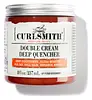 Benefits
Concerns
Ingredients Side-by-side
Water
Skin ConditioningCetearyl Alcohol
Emollient




Behentrimonium Chloride
Preservative
Propanediol
Solvent

Hydroxypropyl Starch Phosphate
Cetyl Esters
Emollient
Parfum
Masking



Guar Hydroxypropyltrimonium Chloride
Skin ConditioningSelaginella Lepidophylla Extract
EmollientCarapa Guaianensis Seed Oil
Skin Conditioning
Aloe Barbadensis Leaf Juice
Skin Conditioning

Ocimum Basilicum Leaf Extract
Skin ConditioningPiper Nigrum Seed Extract
RefreshingRosmarinus Officinalis Leaf Extract
AntimicrobialSalvia Officinalis Leaf Extract
CleansingHelianthus Annuus Seed Oil
Emollient
Prunus Armeniaca Kernel Oil
Masking
Persea Gratissima Oil
Skin Conditioning
Butyrospermum Parkii Butter
Skin Conditioning
Panthenol
Skin Conditioning
Ethylhexylglycerin
Skin ConditioningCitric Acid
Buffering

Disodium EDTA
Sodium Hydroxide
BufferingPotassium Sorbate
Preservative
Sodium Benzoate
Masking
Glycerin
Humectant
Phenoxyethanol
Preservative
Linalool
Perfuming

Limonene
Perfuming
Water, Cetearyl Alcohol, Behentrimonium Chloride, Propanediol, Hydroxypropyl Starch Phosphate, Cetyl Esters, Parfum, Guar Hydroxypropyltrimonium Chloride, Selaginella Lepidophylla Extract, Carapa Guaianensis Seed Oil, Aloe Barbadensis Leaf Juice, Ocimum Basilicum Leaf Extract, Piper Nigrum Seed Extract, Rosmarinus Officinalis Leaf Extract, Salvia Officinalis Leaf Extract, Helianthus Annuus Seed Oil, Prunus Armeniaca Kernel Oil, Persea Gratissima Oil, Butyrospermum Parkii Butter, Panthenol, Ethylhexylglycerin, Citric Acid, Disodium EDTA, Sodium Hydroxide, Potassium Sorbate, Sodium Benzoate, Glycerin, Phenoxyethanol, Linalool, Limonene
Water
Skin ConditioningRicinus Communis Seed Oil
Masking
Cetearyl Alcohol
Emollient
Dicaprylyl Carbonate
EmollientBehentrimonium Chloride
Preservative
Orbignya Speciosa Kernel Oil
Emollient
Panthenol
Skin Conditioning
Simmondsia Chinensis Seed Oil
Emollient
Astrocaryum Murumuru Seed Butter
Emollient
Cucurbita Pepo Seed Extract
Skin ConditioningOpuntia Tuna Fruit Extract
Skin ConditioningRibes Nigrum Fruit Extract
Astringent
Psidium Guajava Fruit Extract
AstringentBrassica Oleracea Acephala Leaf Extract
HumectantLentinus Edodes Extract
Skin ConditioningHydroxypropylgluconamide
HumectantHydroxypropylammonium Gluconate
HumectantHydrolyzed Hemp Seed Extract
Skin ConditioningHydrolyzed Rice Protein
Skin ConditioningButyrospermum Parkii Butter
Skin Conditioning
Glycerin
Humectant
Polyquaternium-10
Guar Hydroxypropyltrimonium Chloride
Skin ConditioningEthylhexylglycerin
Skin ConditioningTartaric Acid
Buffering
Citric Acid
Buffering
Disodium EDTA
Sodium Benzoate
Masking
Potassium Sorbate
Preservative
Phenoxyethanol
Preservative
Sodium Hydroxide
BufferingBenzyl Alcohol
Perfuming
Linalool
Perfuming
Limonene
Perfuming
Geraniol
Perfuming
Citronellol
Perfuming
Parfum
Masking
Water, Ricinus Communis Seed Oil, Cetearyl Alcohol, Dicaprylyl Carbonate, Behentrimonium Chloride, Orbignya Speciosa Kernel Oil, Panthenol, Simmondsia Chinensis Seed Oil, Astrocaryum Murumuru Seed Butter, Cucurbita Pepo Seed Extract, Opuntia Tuna Fruit Extract, Ribes Nigrum Fruit Extract, Psidium Guajava Fruit Extract, Brassica Oleracea Acephala Leaf Extract, Lentinus Edodes Extract, Hydroxypropylgluconamide, Hydroxypropylammonium Gluconate, Hydrolyzed Hemp Seed Extract, Hydrolyzed Rice Protein, Butyrospermum Parkii Butter, Glycerin, Polyquaternium-10, Guar Hydroxypropyltrimonium Chloride, Ethylhexylglycerin, Tartaric Acid, Citric Acid, Disodium EDTA, Sodium Benzoate, Potassium Sorbate, Phenoxyethanol, Sodium Hydroxide, Benzyl Alcohol, Linalool, Limonene, Geraniol, Citronellol, Parfum
Reviews
Ingredients Explained
These ingredients are found in both products.
Ingredients higher up in an ingredient list are typically present in a larger amount.
This ingredient is a preservative and often used for it's anti-static properties. You'll most likely see this ingredient in hair conditioners.
It does not cause irritation or sensitization in leave-on products at 1-5%.
This ingredient is also known as shea butter. It is a plant-derived extract from the nuts of the Africa shea tree and one of the most well-studied emollients.
Because it has a high concentration of fatty acids (primarily oleic, stearic, and linoleic) it is able to form a protective barrier on the skin's surface. This helps seal in moisture and prevents transepidermal water loss (TEWL).
In vitro research found an increase in skin hydration by 58% and a decrease in TEWL by 37.8% after 24 hours of applying this ingredient (pretty impressive for a single ingredient!).
Besides hydration, shea butter also contains triterpenes that have anti-inflammatory potential. In particule, lupeol cinnamate has shown the highest anti-inflammatory activity in vivo.
Shea butter also contains vitamins A and E which may contribute to antioxidant activity.
While Shea Butter has an SPF rating of about 3-4, it is not a sunscreen replacement.
This ingredient may not be fungal acne safe because its fatty acids fall within the C11-C24 range that the Malassezia yeast can metabolize.
Learn more about Butyrospermum Parkii ButterCetearyl alcohol is a waxy mixture of two fatty alcohols: cetyl alcohol and stearyl alcohol. It is an emollient and emulsifier.
Despite having "alcohol" in its name, it has nothing to do with drying solvent alcohols; the FDA also allows "alcohol-free" products to contain fatty alcohols like this ingredient.
It plays several roles in a formula:
Typical use levels for this ingredient sit around 1-10% and the Cosmetic Ingredient Review Expert Panel has affirmed safety at concentrations up to 25% in leave-on products.
Multiple assessments have found it to be non-irritating and non-sensitizing to most people.
However, there have been some cases of allergic contact dermatitis in patients with chronically compromised skin barriers.
Cetearyl alcohol has a comedogenic rating of 2 and irritancy rating of 1. Both of these numbers come from the 1989 study that used rabbit ears; a "2" means mildly comedogenic and a "1" means low irritancy.
Here's the catch: rabbit skin is more sensitive than human skin and throws a lot of false positives. A 1996 reappraisal found that ingredients rated 1-2 in the rabbit ear tests are generally safe for humans.
Remember comedogenic ratings are unable to assess the entire formula of a product or how it will react on your skin. Just be sure to patch test if you are unsure about certain ingredients.
This ingredient is not fungal acne safe. Cetearyl alcohol is a fatty alcohol with chain lengths that fall within the range that Malassezia can metabolize.
A 2019 study has also observed Malassezia growth in the presence of this ingredient, confirming it to be not-fungal acne safe.
Learn more about Cetearyl AlcoholCitric Acid is an alpha hydroxy acid (AHA) naturally found in citrus fruits like oranges, lemons, and limes.
Like other AHAs, citric acid can exfoliate skin by breaking down the bonds that hold dead skin cells together. This helps reveal smoother and brighter skin underneath.
However, this exfoliating effect only happens at high concentrations (20%) which can be hard to find in cosmetic products.
Due to this, citric acid is usually included in small amounts as a pH adjuster. This helps keep products slightly more acidic and compatible with skin's natural pH.
In skincare formulas, citric acid can:
While it can provide some skin benefits, research shows lactic acid and glycolic acid are generally more effective and less irritating exfoliants.
Most citric acid used in skincare today is made by fermenting sugars (usually from molasses). This synthetic version is identical to the natural citrus form but easier to stabilize and use in formulations.
Read more about some other popular AHA's here:
Learn more about Citric AcidDisodium EDTA is a chelating agent. It grabs onto and deactivates metal ions that sneak into your products from water, packaging, or air.
This ingredient mainly works behind the scenes and helps with:
On top of that, this ingredient can counteract the effects of hard water by binding to the minerals in it.
One thing worth knowing is that Disodium EDTA has been shown to be a mild penetration enhancer. It can help other ingredients absorb into skin more effectively which can be a double-edged sword (great for actives, but can also make the active too strong if you have sensitive skin).
Clinical patch testing showed no significant skin irritation at typical use concentrations and minimal dermal absorption.
You'll most likely see this ingredient near the end of an ingredient list. It's typically found in concentrations less than 1%.
Learn more about Disodium EDTAEthylhexylglycerin is created from glycerin. It is a multitasker ingredient that:
The CIR Expert Panel found minimal skin absorption or sensitization of any kind in a safety assessment. Though this ingredient is considered well-tolerated, a small number of cases of allergic dermatitis have been published since 2002. Just be sure to patch test if you are unsure.
Industry-reported use ranges from 8% in rinse-off products and 2% in leave-on formulations.
Learn more about EthylhexylglycerinGlycerin (or glycerol) is a compound naturally found in your skin. It's a powerhouse humectant that pulls water into the stratum corneum.
Topically, glycerin does several things at once:
Your skin makes glycerin on its own (mostly from sebaceous oil breakdown) and shuttles it to your outermost layer of skin, or your epidermis, via aquaporin-3.
Aquaporin-3 is a transporter that is essential for normal skin hydration, elasticity, and repair. Interestingly, mice lacking in AQP3 have dry and less elastic skin that can be fully corrected with glycerin.
This ingredient is non-irritating, plays well with almost every ingredient, and works across all skin types. Typical use is anywhere between 3-10% but can go up to 79% in some leave-on products.
Just know very high concentrations (>40%) can feel tacky in low humidity.
Glycerin is the name for this ingredient in American English. British English uses Glycerol/Glycerine.
Learn more about GlycerinThis ingredient is derived from guar gum. It is a skin conditioning agent that creates a thin, breathable film to reduce water loss during cleansing.
This leaves the skin feeling soft rather than stripped and also contributes to a creamier lather.
Due to the large molecule size, this ingredient is unlikely to penetrate skin.
Learn more about Guar Hydroxypropyltrimonium ChlorideLimonene is a fragrance that adds scent and taste to a formulation.
It's found in the peel oil of citrus fruits and other plants such as lavender and eucalyptus. The scent of limonene is generally described as "sweet citrus".
Limonene acts as an antioxidant, meaning it helps neutralize free radicals.
When exposed to air, oxidized limonene may sensitize the skin. Because of this, limonene is often avoided by people with sensitive skin.
The term 'fragrance' is not regulated in many countries. In many cases, it is up to the brand to define this term. For instance, many brands choose to label themselves as "fragrance-free" because they are not using synthetic fragrances. However, their products may still contain ingredients such as essential oils that are considered a fragrance.
Learn more about LimoneneLinalool is a fragrance and helps add scent to products. It's derived from common plants such as cinnamon, mint, citrus, and lavender.
Like Limonene, this ingredient oxidizes when exposed to air. Oxidized linalool can cause allergies and skin sensitivity.
This ingredient has a scent that is floral, spicy tropical, and citrus-like.
Learn more about LinaloolPanthenol is a common ingredient that helps hydrate and soothe the skin. It is found naturally in our skin and hair.
There are two forms of panthenol: D and L.
D-panthenol is also known as dexpanthenol. Most cosmetics use dexpanthenol or a mixture of D and L-panthenol.
Panthenol is famous due to its ability to go deeper into the skin's layers. Using this ingredient has numerous pros (and no cons):
Like hyaluronic acid, panthenol is a humectant. Humectants are able to bind and hold large amounts of water to keep skin hydrated.
This ingredient works well for wound healing. It works by increasing tissue in the wound and helps close open wounds.
Once oxidized, panthenol converts to pantothenic acid. Panthothenic acid is found in all living cells.
This ingredient is also referred to as pro-vitamin B5.
Learn more about PanthenolParfum is a catch-all term for an ingredient or more that is used to give a scent to products.
Also called "fragrance", this ingredient can be a blend of hundreds of chemicals or plant oils. This means every product with "fragrance" or "parfum" in the ingredients list is a different mixture.
For instance, Habanolide is a proprietary trade name for a specific aroma chemical. When used as a fragrance ingredient in cosmetics, most aroma chemicals fall under the broad labeling category of “FRAGRANCE” or “PARFUM” according to EU and US regulations.
The term 'parfum' or 'fragrance' is not regulated in many countries. In many cases, it is up to the brand to define this term.
For instance, many brands choose to label themselves as "fragrance-free" because they are not using synthetic fragrances. However, their products may still contain ingredients such as essential oils that are considered a fragrance by INCI standards.
One example is Calendula flower extract. Calendula is an essential oil that still imparts a scent or 'fragrance'.
Depending on the blend, the ingredients in the mixture can cause allergies and sensitivities on the skin. Some ingredients that are known EU allergens include linalool and citronellol.
Parfum can also be used to mask or cover an unpleasant scent.
The bottom line is: not all fragrances/parfum/ingredients are created equally. If you are worried about fragrances, we recommend taking a closer look at an ingredient. And of course, we always recommend speaking with a professional.
Learn more about ParfumPhenoxyethanol is a preservative that has germicide, antimicrobial, and aromatic properties. Studies show that phenoxyethanol can prevent microbial growth. By itself, it has a scent that is similar to that of a rose.
It's often used in formulations along with Caprylyl Glycol to preserve the shelf life of products.
Potassium Sorbate is a preservative used to prevent yeast and mold in products. It is commonly found in both cosmetic and food products.
This ingredient comes from potassium salt derived from sorbic acid. Sorbic acid is a natural antibiotic and effective against fungus.
Both potassium sorbate and sorbic acid can be found in baked goods, cheeses, dried meats, dried fruit, ice cream, pickles, wine, yogurt, and more.
You'll often find this ingredient used with other preservatives.
Learn more about Potassium SorbateSodium Benzoate is a preservative. It's used in both cosmetic and food products to inhibit the growth of mold and bacteria. It is typically produced synthetically.
Both the US FDA and EU Health Committee have approved the use of sodium benzoate. In the US, levels of 0.1% (of the total product) are allowed.
Sodium benzoate works as a preservative by inhibiting the growth of bacteria inside of cells. It prevents the cell from fermenting a type of sugar using an enzyme called phosphofructokinase.
It is the salt of benzoic acid. Foods containing sodium benzoate include soda, salad dressings, condiments, fruit juices, wines, and snack foods.
Studies for using ascorbic acid and sodium benzoate in cosmetics are lacking, especially in skincare routines with multiple steps.
We always recommend speaking with a professional, such as a dermatologist, if you have any concerns.
Learn more about Sodium BenzoateSodium Hydroxide is also known as lye or caustic soda. It is used to adjust the pH of products; many ingredients require a specific pH to be effective.
In small amounts, sodium hydroxide is considered safe to use. However, large amounts may cause chemical burns due to its high alkaline.
Your skin has a natural pH and acid mantle. This acid mantle helps prevent harmful bacteria from breaking through. The acid mantle also helps keep your skin hydrated.
"Alkaline" refers to a high pH level. A low pH level would be considered acidic.
Learn more about Sodium HydroxideWater. It's the most common cosmetic ingredient of all. You'll usually see it at the top of ingredient lists, meaning that it makes up the largest part of the product.
So why is it so popular? Water most often acts as a solvent - this means that it helps dissolve other ingredients into the formulation.
You'll also recognize water as that liquid we all need to stay alive. If you see this, drink a glass of water. Remember to stay hydrated!
Learn more about Water
