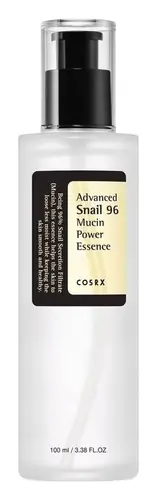
COSRX Shield Fit All Green Comfort Sun SPF50+ PA++++ Versus Mary & May Vegan Peptide Bakuchiol Sun Stick SPF 50+ PA++++
This hybrid sunscreen covers the full UV range and blocks ~98% of UVB at SPF 50.
This hybrid sunscreen covers the full UV range and blocks ~98% of UVB at SPF 50.

What's inside
What's inside
 Key Ingredients
Benefits
Concerns
Ingredients Side-by-side
Water
Skin ConditioningCyclomethicone
Emollient
Zinc Oxide
Cosmetic Colorant


Butyloctyl Salicylate
Skin Conditioning
Polyglyceryl-3 Polydimethylsiloxyethyl Dimethicone
Skin Conditioning
Isododecane
EmollientCI 77891
Cosmetic ColorantButylene Glycol
Humectant

Caprylyl Methicone
Skin Conditioning
Glycerin
Humectant
Isononyl Isononanoate
EmollientPolymethylsilsesquioxane
1,2-Hexanediol
Skin Conditioning
Tribehenin
Emollient

Disteardimonium Hectorite
StabilisingSorbitan Sesquioleate
Emulsifying
Mica
Cosmetic ColorantMagnesium Sulfate
Triethoxycaprylylsilane
Aluminum Hydroxide
EmollientStearic Acid
Cleansing
Salvia Sclarea Oil
Masking
Propylene Carbonate
SolventCentella Asiatica Extract
Cleansing



Chamomilla Recutita Flower Extract
Masking
Ethylhexylglycerin
Skin ConditioningGlyceryl Caprylate
EmollientTrihydroxystearin
Skin Conditioning
Disodium EDTA
Dipropylene Glycol
HumectantMaltodextrin
Absorbent
Moringa Oleifera Seed Extract
Skin Conditioning
Sodium Palmitoyl Proline
Skin ConditioningSnail Secretion Filtrate
Skin Conditioning
Artemisia Capillaris Extract
Water, Cyclomethicone, Zinc Oxide, Butyloctyl Salicylate, Polyglyceryl-3 Polydimethylsiloxyethyl Dimethicone, Isododecane, CI 77891, Butylene Glycol, Caprylyl Methicone, Glycerin, Isononyl Isononanoate, Polymethylsilsesquioxane, 1,2-Hexanediol, Tribehenin, Disteardimonium Hectorite, Sorbitan Sesquioleate, Mica, Magnesium Sulfate, Triethoxycaprylylsilane, Aluminum Hydroxide, Stearic Acid, Salvia Sclarea Oil, Propylene Carbonate, Centella Asiatica Extract, Chamomilla Recutita Flower Extract, Ethylhexylglycerin, Glyceryl Caprylate, Trihydroxystearin, Disodium EDTA, Dipropylene Glycol, Maltodextrin, Moringa Oleifera Seed Extract, Sodium Palmitoyl Proline, Snail Secretion Filtrate, Artemisia Capillaris Extract
Cetyl Ethylhexanoate
EmollientMethyl Methacrylate Crosspolymer
Butylene Glycol Dicaprylate/Dicaprate
EmollientSynthetic Wax
Abrasive
Vinyl Dimethicone/Methicone Silsesquioxane Crosspolymer
Isopropyl Palmitate
Emollient

Dicaprylyl Carbonate
EmollientButyloctyl Salicylate
Skin Conditioning
Diethylamino Hydroxybenzoyl Hexyl Benzoate
UV Filter
Ethylhexyl Triazone
UV Absorber
Ozokerite
Emulsion StabilisingPolysilicone-15
UV Filter
Bis-Ethylhexyloxyphenol Methoxyphenyl Triazine
UV Absorber
Bakuchiol
Antimicrobial



Vinyldimethicone
Titanium Dioxide
Cosmetic Colorant
Glyceryl Caprylate
EmollientCaprylyl Glycol
Emollient
Polyglyceryl-4 Diisostearate/Polyhydroxystearate/Sebacate
Emulsifying
Coco-Caprylate/Caprate
Emollient
Ethylhexylglycerin
Skin ConditioningPolyhydroxystearic Acid
Emulsifying
Triethoxycaprylylsilane
Aluminum Hydroxide
EmollientTocopherol
Antioxidant
Butylene Glycol
Humectant
Water
Skin Conditioning1,2-Hexanediol
Skin Conditioning
Polyglyceryl-10 Laurate
Skin Conditioning
Acetyl Hexapeptide-8
Humectant
Acetyl Octapeptide-3
Humectant
Nonapeptide-1
Skin Conditioning
Dipeptide-2
Skin Conditioning
Dipeptide-4
Skin Conditioning
Acetyl Tetrapeptide-2
Skin Conditioning
Acetyl Tetrapeptide-3
Skin Protecting
Acetyl Tetrapeptide-5
Humectant
Acetyl Tripeptide-1
Skin Conditioning
Alanine/Histidine/Lysine Polypeptide Copper Hcl
Skin Conditioning
Oligopeptide-6
Skin Conditioning
Copper Tripeptide-1
Skin Conditioning
Tripeptide-1
Skin Conditioning
Tripeptide-2
Skin Conditioning
Tripeptide-3
Skin Conditioning
Pentapeptide-3
Skin Conditioning
Hexapeptide-2
Bleaching
Hexapeptide-9
Skin Conditioning
Dipeptide Diaminobutyroyl Benzylamide Diacetate
Skin Conditioning
Palmitoyl Dipeptide-7
Skin Conditioning
Palmitoyl Tetrapeptide-7
Skin Conditioning
Palmitoyl Tripeptide-1
Skin Conditioning
Palmitoyl Tripeptide-5
Skin Conditioning
Palmitoyl Pentapeptide-4
Skin Conditioning
Palmitoyl Hexapeptide-12
Skin Conditioning
Aroma


Ultramarines
Cetyl Ethylhexanoate, Methyl Methacrylate Crosspolymer, Butylene Glycol Dicaprylate/Dicaprate, Synthetic Wax, Vinyl Dimethicone/Methicone Silsesquioxane Crosspolymer, Isopropyl Palmitate, Dicaprylyl Carbonate, Butyloctyl Salicylate, Diethylamino Hydroxybenzoyl Hexyl Benzoate, Ethylhexyl Triazone, Ozokerite, Polysilicone-15, Bis-Ethylhexyloxyphenol Methoxyphenyl Triazine, Bakuchiol, Vinyldimethicone, Titanium Dioxide, Glyceryl Caprylate, Caprylyl Glycol, Polyglyceryl-4 Diisostearate/Polyhydroxystearate/Sebacate, Coco-Caprylate/Caprate, Ethylhexylglycerin, Polyhydroxystearic Acid, Triethoxycaprylylsilane, Aluminum Hydroxide, Tocopherol, Butylene Glycol, Water, 1,2-Hexanediol, Polyglyceryl-10 Laurate, Acetyl Hexapeptide-8, Acetyl Octapeptide-3, Nonapeptide-1, Dipeptide-2, Dipeptide-4, Acetyl Tetrapeptide-2, Acetyl Tetrapeptide-3, Acetyl Tetrapeptide-5, Acetyl Tripeptide-1, Alanine/Histidine/Lysine Polypeptide Copper Hcl, Oligopeptide-6, Copper Tripeptide-1, Tripeptide-1, Tripeptide-2, Tripeptide-3, Pentapeptide-3, Hexapeptide-2, Hexapeptide-9, Dipeptide Diaminobutyroyl Benzylamide Diacetate, Palmitoyl Dipeptide-7, Palmitoyl Tetrapeptide-7, Palmitoyl Tripeptide-1, Palmitoyl Tripeptide-5, Palmitoyl Pentapeptide-4, Palmitoyl Hexapeptide-12, Aroma, Ultramarines
Reviews
Ingredients Explained
These ingredients are found in both products.
Ingredients higher up in an ingredient list are typically present in a larger amount.
1,2-Hexanediol is a synthetic liquid and another multi-functional powerhouse.
It is a:
- Humectant, drawing moisture into the skin
- Emollient, helping to soften skin
- Solvent, dispersing and stabilizing formulas
- Preservative booster, enhancing the antimicrobial activity of other preservatives
Aluminum Hydroxide is a form of aluminum. It can be naturally found in nature as the mineral gibbsite. In cosmetics, Aluminum Hydroxide is used as a colorant, pH adjuster, and absorbent.
As a colorant, Aluminum Hydroxide may add opacity, or reduce the transparency. Aluminum hydroxide is contains both basic and acidic properties.
According to manufacturers, this ingredient is an emollient and humectant. This means it helps hydrate the skin.
In medicine, this ingredient is used to help relieve heartburn and help heal ulcers.
There is currently no credible scientific evidence linking aluminum hydroxide in cosmetics to increased cancer risk.
Major health organizations allow the use of aluminum hydroxide in personal care products and have not flagged it as a carcinogenic risk at typical usage levels.
Learn more about Aluminum HydroxideButylene Glycol (or BG) is used within cosmetic products for a few different reasons:
Overall, Butylene Glycol is a safe and well-rounded ingredient that works well with other ingredients.
Though this ingredient works well with most skin types, some people with sensitive skin may experience a reaction such as allergic rashes, closed comedones, or itchiness.
Learn more about Butylene GlycolButyloctyl Salicylate is a chemical UV filter structurally similar to octisalate. It is a photostabilizer, SPF booster, emollient and solvent. This ingredient helps evenly spread out ingredients.
According to a manufacturer, it is suitable for pairing with micro Titanium Dioxide, Zinc Oxide, and pigments.
Photostabilizers help stabilize UV-filters and prevents them from degrading quickly.
Learn more about Butyloctyl SalicylateEthylhexylglycerin is created from glycerin. It is a multitasker ingredient that:
The CIR Expert Panel found minimal skin absorption or sensitization of any kind in a safety assessment. Though this ingredient is considered well-tolerated, a small number of cases of allergic dermatitis have been published since 2002. Just be sure to patch test if you are unsure.
Industry-reported use ranges from 8% in rinse-off products and 2% in leave-on formulations.
Learn more about EthylhexylglycerinGlyceryl Caprylate comes from glycerin and caprylic acid. It is an emollient, co-emulsifier, and preservative booster.
Its short C8 fatty acid chain makes it behave differently from its longer-chain emollient cousins like Glyceryl Stearate. It feels more lightweight, fast-absorbing, and silky instead of rich and waxy.
As a co-emulsifier, its "head" and "tail" sit at the oil-water interface. But overall, the short C8 tail and not being water soluble means it doesn't really have the muscle to emulsify a formula on its own. That's why you'll often see it paired with a primary emulsifier like Cetearyl Glucoside.
Interestingly, Glyceryl Caprylate acts as a preservative booster. This is because its fatty-acid backbone disrupts microbial lipid membranes. It shows excellent activity against bacteria and yeast but is weaker against mold.
Typical concentrations range from 0.5-1% and this ingredient is generally non-irritating.
Because this ingredient has a C8 fatty acid chain, it is outside the range that the Malassezia yeast metabolizes (making it fungal acne safe).
Learn more about Glyceryl CaprylateTriethoxycaprylylsilane is a silicon-based surface modifier that makes sunscreens feel silky and makeup stay put.
Its main job is to coat mineral particles like titanium dioxide, zinc oxide, and color pigments in a thin, oily layer so they spread smoothly, don't clump, and stick to skin better.
This ingredient is typically used at low levels (up to 2.5% in eyeshadow and 1% in lipstick).
Learn more about TriethoxycaprylylsilaneWater. It's the most common cosmetic ingredient of all. You'll usually see it at the top of ingredient lists, meaning that it makes up the largest part of the product.
So why is it so popular? Water most often acts as a solvent - this means that it helps dissolve other ingredients into the formulation.
You'll also recognize water as that liquid we all need to stay alive. If you see this, drink a glass of water. Remember to stay hydrated!
Learn more about Water