
What's inside
What's inside
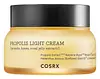 Key Ingredients
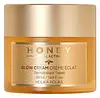
Benefits
Concerns
Ingredients Side-by-side
Propolis Extract
Skin Conditioning




Butylene Glycol
Humectant

Glycerin
Humectant
Caprylic/Capric Triglyceride
Masking
Helianthus Annuus Seed Oil
Emollient

1,2-Hexanediol
Skin Conditioning
Honey Extract
Humectant
Royal Jelly Extract
Skin Conditioning
Hydroxyethyl Acrylate/Sodium Acryloyldimethyl Taurate Copolymer
Emulsion StabilisingCassia Obtusifolia Seed Extract
Skin ConditioningCetearyl Olivate
Beeswax
Emulsion Stabilising

Cetearyl Alcohol
Emollient
Sorbitan Olivate
Emulsifying
Allantoin
Skin Conditioning
Arginine
Masking
Carbomer
Emulsion StabilisingXanthan Gum
EmulsifyingPropolis Extract, Butylene Glycol, Glycerin, Caprylic/Capric Triglyceride, Helianthus Annuus Seed Oil, 1,2-Hexanediol, Honey Extract, Royal Jelly Extract, Hydroxyethyl Acrylate/Sodium Acryloyldimethyl Taurate Copolymer, Cassia Obtusifolia Seed Extract, Cetearyl Olivate, Beeswax, Cetearyl Alcohol, Sorbitan Olivate, Allantoin, Arginine, Carbomer, Xanthan Gum
Water
Skin ConditioningMethylpropanediol
SolventGlycerin
Humectant
Phenyl Trimethicone
Skin Conditioning
1,2-Hexanediol
Skin Conditioning
Dicaprylyl Ether
Emollient
Niacinamide
Smoothing






Polyglyceryl-3 Methylglucose Distearate
Emulsifying
Dicaprylyl Carbonate
EmollientIsostearyl Alcohol
Emollient
Glyceryl Stearate
Emollient
Methyl Trimethicone
Skin Conditioning
Butylene Glycol Cocoate
Emulsifying
Ammonium Acryloyldimethyltaurate/Vp Copolymer
Silica
Abrasive
Acrylates/C10-30 Alkyl Acrylate Crosspolymer
Emulsion StabilisingSodium Stearoyl Glutamate
CleansingXanthan Gum
EmulsifyingButylene Glycol
Humectant
Tromethamine
BufferingAllantoin
Skin Conditioning
Disodium EDTA
Parfum
Masking



Honey
Humectant
Oryza Sativa Bran Oil
Emollient
Astrocaryum Murumuru Seed Butter
Emollient
Dipropylene Glycol
HumectantMelia Azadirachta Leaf Extract
Skin ConditioningEclipta Prostrata Leaf Extract
Skin ConditioningEthylcellulose
Laminaria Japonica Extract
Skin Protecting
Melia Azadirachta Flower Extract
Skin ConditioningEthylhexylglycerin
Skin ConditioningAdenosine
Skin Conditioning
Behenyl Alcohol
Emollient
Curcuma Longa Root Extract
Masking
Hydrogenated Lecithin
Emulsifying
Vaccinium Myrtillus Fruit Extract
Skin ConditioningCetearyl Alcohol
Emollient
Honey Extract
Humectant
Saccharum Officinarum Extract
MoisturisingFructooligosaccharides
Humectant
Ocimum Sanctum Leaf Extract
Skin ConditioningAmaranthus Caudatus Seed Extract
Skin Conditioning
Beta-Glucan
Skin Conditioning
Punica Granatum Fruit Extract
Antioxidant
Ulmus Davidiana Root Extract
Skin Conditioning
Centella Asiatica Extract
Cleansing
Ficus Carica Fruit Extract
Humectant
Cholesterol
Emollient
Citrus Aurantium Dulcis Fruit Extract
MaskingCitrus Limon Fruit Extract
Masking
Corallina Officinalis Extract
Skin Conditioning
Gluconic Acid
Ceramide NP
Skin Conditioning
Acer Saccharum Extract
Skin ConditioningHydrolyzed Hyaluronic Acid
Humectant
Butyrospermum Parkii Butter
Skin Conditioning
Royal Jelly Extract
Skin Conditioning
Tocopherol
Antioxidant
Phenethyl Alcohol
MaskingMaltodextrin
Absorbent
Hydrolyzed Royal Jelly Protein
Skin ConditioningWater, Methylpropanediol, Glycerin, Phenyl Trimethicone, 1,2-Hexanediol, Dicaprylyl Ether, Niacinamide, Polyglyceryl-3 Methylglucose Distearate, Dicaprylyl Carbonate, Isostearyl Alcohol, Glyceryl Stearate, Methyl Trimethicone, Butylene Glycol Cocoate, Ammonium Acryloyldimethyltaurate/Vp Copolymer, Silica, Acrylates/C10-30 Alkyl Acrylate Crosspolymer, Sodium Stearoyl Glutamate, Xanthan Gum, Butylene Glycol, Tromethamine, Allantoin, Disodium EDTA, Parfum, Honey, Oryza Sativa Bran Oil, Astrocaryum Murumuru Seed Butter, Dipropylene Glycol, Melia Azadirachta Leaf Extract, Eclipta Prostrata Leaf Extract, Ethylcellulose, Laminaria Japonica Extract, Melia Azadirachta Flower Extract, Ethylhexylglycerin, Adenosine, Behenyl Alcohol, Curcuma Longa Root Extract, Hydrogenated Lecithin, Vaccinium Myrtillus Fruit Extract, Cetearyl Alcohol, Honey Extract, Saccharum Officinarum Extract, Fructooligosaccharides, Ocimum Sanctum Leaf Extract, Amaranthus Caudatus Seed Extract, Beta-Glucan, Punica Granatum Fruit Extract, Ulmus Davidiana Root Extract, Centella Asiatica Extract, Ficus Carica Fruit Extract, Cholesterol, Citrus Aurantium Dulcis Fruit Extract, Citrus Limon Fruit Extract, Corallina Officinalis Extract, Gluconic Acid, Ceramide NP, Acer Saccharum Extract, Hydrolyzed Hyaluronic Acid, Butyrospermum Parkii Butter, Royal Jelly Extract, Tocopherol, Phenethyl Alcohol, Maltodextrin, Hydrolyzed Royal Jelly Protein
Reviews
Ingredients Explained
These ingredients are found in both products.
Ingredients higher up in an ingredient list are typically present in a larger amount.
1,2-Hexanediol is a synthetic liquid and another multi-functional powerhouse.
It is a:
- Humectant, drawing moisture into the skin
- Emollient, helping to soften skin
- Solvent, dispersing and stabilizing formulas
- Preservative booster, enhancing the antimicrobial activity of other preservatives
Allantoin is a soothing ingredient known for its protective and moisturizing properties; it's basically a quiet workhorse ingredient you can find in a huge range of cosmetics.
Though it can be derived from the comfrey plant, allantoin is produced synthetically for cosmetic products to ensure purity.
Research shows it can encourage your skin cells to turn over and renew by stimulating keratinocyte and fibroblast proliferation.
It also has mild keratolytic properties to help loosen and shed dead skin cells without being harsh.
Studies also suggest allantoin can help calm inflammation by dialing down some of the chemical signals your skin sends out when it is irritated.
This ingredient is typically used in the 0.1-0.5% range, and the FDA recognizes it as a skin protectant in OTC products up to 2%.
Overall, allantoin is a wonderful addition to most routines; it is stable across a wide pH range (~4-8), works well with other ingredients, and is considered non-sensitizing/non-irritating.
Fun fact: Allantoin is naturally occurring in comfrey root, beets, chamomile, and wheat sprouts. Our bodies even produce it as a byproduct of uric acid metabolism.
Learn more about AllantoinButylene Glycol (or BG) is used within cosmetic products for a few different reasons:
Overall, Butylene Glycol is a safe and well-rounded ingredient that works well with other ingredients.
Though this ingredient works well with most skin types, some people with sensitive skin may experience a reaction such as allergic rashes, closed comedones, or itchiness.
Learn more about Butylene GlycolCetearyl alcohol is a waxy mixture of two fatty alcohols: cetyl alcohol and stearyl alcohol. It is an emollient and emulsifier.
Despite having "alcohol" in its name, it has nothing to do with drying solvent alcohols; the FDA also allows "alcohol-free" products to contain fatty alcohols like this ingredient.
It plays several roles in a formula:
Typical use levels for this ingredient sit around 1-10% and the Cosmetic Ingredient Review Expert Panel has affirmed safety at concentrations up to 25% in leave-on products.
Multiple assessments have found it to be non-irritating and non-sensitizing to most people.
However, there have been some cases of allergic contact dermatitis in patients with chronically compromised skin barriers.
Cetearyl alcohol has a comedogenic rating of 2 and irritancy rating of 1. Both of these numbers come from the 1989 study that used rabbit ears; a "2" means mildly comedogenic and a "1" means low irritancy.
Here's the catch: rabbit skin is more sensitive than human skin and throws a lot of false positives. A 1996 reappraisal found that ingredients rated 1-2 in the rabbit ear tests are generally safe for humans.
Remember comedogenic ratings are unable to assess the entire formula of a product or how it will react on your skin. Just be sure to patch test if you are unsure about certain ingredients.
This ingredient is not fungal acne safe. Cetearyl alcohol is a fatty alcohol with chain lengths that fall within the range that Malassezia can metabolize.
A 2019 study has also observed Malassezia growth in the presence of this ingredient, confirming it to be not-fungal acne safe.
Learn more about Cetearyl AlcoholGlycerin (or glycerol) is a compound naturally found in your skin. It's a powerhouse humectant that pulls water into the stratum corneum.
Topically, glycerin does several things at once:
Your skin makes glycerin on its own (mostly from sebaceous oil breakdown) and shuttles it to your outermost layer of skin, or your epidermis, via aquaporin-3.
Aquaporin-3 is a transporter that is essential for normal skin hydration, elasticity, and repair. Interestingly, mice lacking in AQP3 have dry and less elastic skin that can be fully corrected with glycerin.
This ingredient is non-irritating, plays well with almost every ingredient, and works across all skin types. Typical use is anywhere between 3-10% but can go up to 79% in some leave-on products.
Just know very high concentrations (>40%) can feel tacky in low humidity.
Glycerin is the name for this ingredient in American English. British English uses Glycerol/Glycerine.
Learn more about GlycerinThis ingredient comes from honey made by bees. It is hydrating, antibacterial, anti-aging, and skin soothing.
Honey also contains amino acids, peptides, Vitamins A, C, and E.
The humectant property of honey draws moisture from the air to your skin. This makes it great at helping to hydrate the skin.
Honey may help reduce the signs of aging due to its antioxidant properties. Fun fact: darker honey has more antioxidants than light honey. The antibacterial property of honey may make it effective at helping to treat acne by killing acne-causing bacteria.
Many people wonder if honey extract is vegan. It is technically a byproduct from bees. This is because honey is created from the digestive enzymes in a bee's stomach.
Remember to be kind to bees :) They are important for many ecosystems and are endangered.
Learn more about Honey ExtractRoyal Jelly Extract comes from a secretion made by worker honeybees. This secretion is white and described as creamy.
This compound has antibacterial, anti-aging, and anti-inflammatory properties.
Studies show Royal Jelly to contain amino acids, fatty acids, and a variety of vitamins, including Vitamin Bs. Many of these components are antioxidants, which help with anti-aging. The fatty acids in Royal Jelly make it a hydrating ingredient.
Several animal studies show Royal Jelly to boost collagen production and reduce inflammation.
The Vitamin Bs found in Royal Jelly include:
Royal Jelly is derived from honeybees. This means it is not vegan.
Learn more about Royal Jelly ExtractXanthan gum is used as a stabilizer and thickener within cosmetic products. It helps give products a sticky, thick feeling - preventing them from being too runny.
On the technical side of things, xanthan gum is a polysaccharide - a combination consisting of multiple sugar molecules bonded together.
Xanthan gum is a pretty common and great ingredient. It is a natural, non-toxic, non-irritating ingredient that is also commonly used in food products.
Learn more about Xanthan Gum
