
What's inside
What's inside
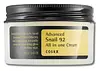 Key Ingredients
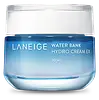
Benefits
Concerns
Ingredients Side-by-side
Snail Secretion Filtrate
Skin Conditioning





Betaine
Humectant
Caprylic/Capric Triglyceride
Masking
Butylene Glycol
Humectant
Cetearyl Olivate


Sorbitan Olivate
Emulsifying
Cetearyl Alcohol
Emollient



Carbomer
Emulsion StabilisingEthyl Hexanediol
SolventPhenoxyethanol
Preservative
Arginine
Masking
Dimethicone
Emollient
Sodium Polyacrylate
Absorbent
Sodium Hyaluronate
Humectant

Allantoin
Skin Conditioning
Palmitic Acid
Emollient
Panthenol
Skin Conditioning
Xanthan Gum
EmulsifyingStearic Acid
Cleansing
Adenosine
Skin Conditioning
Water
Skin ConditioningMyristic Acid
Cleansing
Snail Secretion Filtrate, Betaine, Caprylic/Capric Triglyceride, Butylene Glycol, Cetearyl Olivate, Sorbitan Olivate, Cetearyl Alcohol, Carbomer, Ethyl Hexanediol, Phenoxyethanol, Arginine, Dimethicone, Sodium Polyacrylate, Sodium Hyaluronate, Allantoin, Palmitic Acid, Panthenol, Xanthan Gum, Stearic Acid, Adenosine, Water, Myristic Acid
Water
Skin ConditioningPropanediol
Solvent
Glycerin
Humectant
Methyl Trimethicone
Skin Conditioning
Phenyl Trimethicone
Skin Conditioning
Caprylyl Methicone
Skin Conditioning
Ceramide AP
Skin Conditioning
1,2-Hexanediol
Skin Conditioning
Dicaprylyl Carbonate
EmollientSaccharide Isomerate
Humectant
Ammonium Acryloyldimethyltaurate/Vp Copolymer
Hydrogenated Lecithin
Emulsifying
Hydrogenated Polyisobutene
EmollientSea Water
HumectantCetearyl Alcohol
Emollient
Hydroxyethyl Acrylate/Sodium Acryloyldimethyl Taurate Copolymer
Emulsion StabilisingAcrylates/C10-30 Alkyl Acrylate Crosspolymer
Emulsion StabilisingGlyceryl Caprylate
EmollientGlyceryl Stearate
Emollient
Parfum
Masking


Tromethamine
BufferingStearic Acid
Cleansing
Ethylhexylglycerin
Skin ConditioningDisodium EDTA
Butylene Glycol
Humectant
Polyglyceryl-3 Methylglucose Distearate
Emulsifying
Sorbitan Isostearate
Emulsifying
Hyaluronic Acid
Humectant
Linalool
Perfuming
Sodium Citrate
BufferingCitric Acid
Buffering

Magnesium Sulfate
Hexyl Cinnamal
Perfuming
Calcium Chloride
AstringentBenzyl Salicylate
Perfuming
Butylphenyl Methylpropional
Perfuming
Limonene
Perfuming
Geraniol
Perfuming
Citronellol
Perfuming
Alpha-Isomethyl Ionone
Perfuming
Manganese Sulfate
Skin Conditioning
Beta Vulgaris Root Extract
Skin ConditioningTocopherol
Antioxidant


Chenopodium Quinoa Seed Extract
Skin Conditioning
Lecithin
Emollient
Zinc Sulfate
Antimicrobial
Glycine Soja Oil
Emollient
Brassica Oleracea Acephala Leaf Extract
HumectantNasturtium Officinale Extract
Perfuming
Lepidium Sativum Sprout Extract
Skin ConditioningAscorbyl Glucoside
Antioxidant
Water, Propanediol, Glycerin, Methyl Trimethicone, Phenyl Trimethicone, Caprylyl Methicone, Ceramide AP, 1,2-Hexanediol, Dicaprylyl Carbonate, Saccharide Isomerate, Ammonium Acryloyldimethyltaurate/Vp Copolymer, Hydrogenated Lecithin, Hydrogenated Polyisobutene, Sea Water, Cetearyl Alcohol, Hydroxyethyl Acrylate/Sodium Acryloyldimethyl Taurate Copolymer, Acrylates/C10-30 Alkyl Acrylate Crosspolymer, Glyceryl Caprylate, Glyceryl Stearate, Parfum, Tromethamine, Stearic Acid, Ethylhexylglycerin, Disodium EDTA, Butylene Glycol, Polyglyceryl-3 Methylglucose Distearate, Sorbitan Isostearate, Hyaluronic Acid, Linalool, Sodium Citrate, Citric Acid, Magnesium Sulfate, Hexyl Cinnamal, Calcium Chloride, Benzyl Salicylate, Butylphenyl Methylpropional, Limonene, Geraniol, Citronellol, Alpha-Isomethyl Ionone, Manganese Sulfate, Beta Vulgaris Root Extract, Tocopherol, Chenopodium Quinoa Seed Extract, Lecithin, Zinc Sulfate, Glycine Soja Oil, Brassica Oleracea Acephala Leaf Extract, Nasturtium Officinale Extract, Lepidium Sativum Sprout Extract, Ascorbyl Glucoside
Reviews
Ingredients Explained
These ingredients are found in both products.
Ingredients higher up in an ingredient list are typically present in a larger amount.
Butylene Glycol (or BG) is used within cosmetic products for a few different reasons:
Overall, Butylene Glycol is a safe and well-rounded ingredient that works well with other ingredients.
Though this ingredient works well with most skin types, some people with sensitive skin may experience a reaction such as allergic rashes, closed comedones, or itchiness.
Learn more about Butylene GlycolCetearyl alcohol is a waxy mixture of two fatty alcohols: cetyl alcohol and stearyl alcohol. It is an emollient and emulsifier.
Despite having "alcohol" in its name, it has nothing to do with drying solvent alcohols; the FDA also allows "alcohol-free" products to contain fatty alcohols like this ingredient.
It plays several roles in a formula:
Typical use levels for this ingredient sit around 1-10% and the Cosmetic Ingredient Review Expert Panel has affirmed safety at concentrations up to 25% in leave-on products.
Multiple assessments have found it to be non-irritating and non-sensitizing to most people.
However, there have been some cases of allergic contact dermatitis in patients with chronically compromised skin barriers.
Cetearyl alcohol has a comedogenic rating of 2 and irritancy rating of 1. Both of these numbers come from the 1989 study that used rabbit ears; a "2" means mildly comedogenic and a "1" means low irritancy.
Here's the catch: rabbit skin is more sensitive than human skin and throws a lot of false positives. A 1996 reappraisal found that ingredients rated 1-2 in the rabbit ear tests are generally safe for humans.
Remember comedogenic ratings are unable to assess the entire formula of a product or how it will react on your skin. Just be sure to patch test if you are unsure about certain ingredients.
This ingredient is not fungal acne safe. Cetearyl alcohol is a fatty alcohol with chain lengths that fall within the range that Malassezia can metabolize.
A 2019 study has also observed Malassezia growth in the presence of this ingredient, confirming it to be not-fungal acne safe.
Learn more about Cetearyl AlcoholStearic Acid is a fatty acid that is already found in your skin. It's one of the free fatty acids that works alongside ceramides and cholesterols to maintain your barrier.
In cosmetics, it is a multitasker:
Safety-wise, the CIR Expert Panel has concluded it to be safe in cosmetics when formulated to be non-irritating and non-sensitizing.
Free stearic acid is a C18 fatty acid that the Malassezia yeast can substrate, so this ingredient may not be fungal acne safe.
Learn more about Stearic AcidWater. It's the most common cosmetic ingredient of all. You'll usually see it at the top of ingredient lists, meaning that it makes up the largest part of the product.
So why is it so popular? Water most often acts as a solvent - this means that it helps dissolve other ingredients into the formulation.
You'll also recognize water as that liquid we all need to stay alive. If you see this, drink a glass of water. Remember to stay hydrated!
Learn more about Water

