
What's inside
What's inside
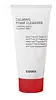 Key Ingredients
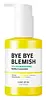
Benefits
Concerns
Ingredients Side-by-side
Water
Skin ConditioningGlycerin
Humectant


Stearic Acid
Cleansing

Myristic Acid
Cleansing
PEG-32
HumectantPotassium Hydroxide
BufferingPalmitic Acid
Emollient
Lauric Acid
Cleansing
Glyceryl Stearate
Emollient
PEG-100 Stearate
Lauramide DEA
Cocamidopropyl Betaine
Cleansing


Potassium Cocoate
Emulsifying
Salicylic Acid
Masking






Sodium Chloride
MaskingArachidic Acid
Cleansing
Lavandula Hybrida Oil
Emollient

Linalool
Perfuming


Disodium EDTA
Oleic Acid
Emollient
Limonene
Perfuming
Asiaticoside
Antioxidant



Asiatic Acid
Skin Conditioning
Madecassic Acid
Skin Conditioning
Water, Glycerin, Stearic Acid, Myristic Acid, PEG-32, Potassium Hydroxide, Palmitic Acid, Lauric Acid, Glyceryl Stearate, PEG-100 Stearate, Lauramide DEA, Cocamidopropyl Betaine, Potassium Cocoate, Salicylic Acid, Sodium Chloride, Arachidic Acid, Lavandula Hybrida Oil, Linalool, Disodium EDTA, Oleic Acid, Limonene, Asiaticoside, Asiatic Acid, Madecassic Acid
Water
Skin ConditioningCitrus Junos Fruit Extract
Skin ConditioningCitrus Reticulata Fruit Extract
Skin ProtectingDisodium Cocoamphodiacetate
CleansingGlycerin
Humectant
Potassium Cocoyl Glycinate
Coco-Betaine
Cleansing
Methyl Perfluorobutyl Ether
SolventSalix Alba Bark Extract
Astringent
Citrus Limon Fruit Extract
Masking
Hippophae Rhamnoides Fruit Extract
Skin Conditioning
Bacillus/Folic Acid/Soybean Ferment Extract
Skin ConditioningSodium Hyaluronate
Humectant
Butylene Glycol
Humectant
Mannitol
Humectant
Sucrose
Humectant
Panthenol
Skin Conditioning
Ascorbyl Glucoside
Antioxidant
Biotin
AntiseborrhoeicNiacinamide
Smoothing
Ascorbic Acid
Antioxidant
Tocopheryl Acetate
Antioxidant
Tocopherol
Antioxidant
Glutathione
Ascorbyl Tetraisopalmitate
Antioxidant
Cyanocobalamin
Skin ConditioningMenadione
MaskingLinolenic Acid
Cleansing
Pyridoxine Hcl
Skin ConditioningSodium Ascorbyl Phosphate
Antioxidant
Magnesium Ascorbyl Phosphate
Antioxidant
Tetrahexyldecyl Ascorbate
Antioxidant
Sodium Riboflavin Phosphate
Skin ConditioningCaprylyl Glycol
Emollient
Citric Acid
Buffering
Zea Mays Starch
Absorbent
Mannan
Microcrystalline Cellulose
Absorbent1,2-Hexanediol
Skin Conditioning
Benzyl Glycol
SolventEthylhexylglycerin
Skin ConditioningRaspberry Ketone
Masking
Disodium EDTA
CI 19140
Cosmetic ColorantCI 15985
Cosmetic ColorantCI 77492
Cosmetic ColorantCI 77891
Cosmetic ColorantParfum
Masking
Limonene
Perfuming
Water, Citrus Junos Fruit Extract, Citrus Reticulata Fruit Extract, Disodium Cocoamphodiacetate, Glycerin, Potassium Cocoyl Glycinate, Coco-Betaine, Methyl Perfluorobutyl Ether, Salix Alba Bark Extract, Citrus Limon Fruit Extract, Hippophae Rhamnoides Fruit Extract, Bacillus/Folic Acid/Soybean Ferment Extract, Sodium Hyaluronate, Butylene Glycol, Mannitol, Sucrose, Panthenol, Ascorbyl Glucoside, Biotin, Niacinamide, Ascorbic Acid, Tocopheryl Acetate, Tocopherol, Glutathione, Ascorbyl Tetraisopalmitate, Cyanocobalamin, Menadione, Linolenic Acid, Pyridoxine Hcl, Sodium Ascorbyl Phosphate, Magnesium Ascorbyl Phosphate, Tetrahexyldecyl Ascorbate, Sodium Riboflavin Phosphate, Caprylyl Glycol, Citric Acid, Zea Mays Starch, Mannan, Microcrystalline Cellulose, 1,2-Hexanediol, Benzyl Glycol, Ethylhexylglycerin, Raspberry Ketone, Disodium EDTA, CI 19140, CI 15985, CI 77492, CI 77891, Parfum, Limonene
Reviews
Ingredients Explained
These ingredients are found in both products.
Ingredients higher up in an ingredient list are typically present in a larger amount.
Disodium EDTA is a chelating agent. It grabs onto and deactivates metal ions that sneak into your products from water, packaging, or air.
This ingredient mainly works behind the scenes and helps with:
On top of that, this ingredient can counteract the effects of hard water by binding to the minerals in it.
One thing worth knowing is that Disodium EDTA has been shown to be a mild penetration enhancer. It can help other ingredients absorb into skin more effectively which can be a double-edged sword (great for actives, but can also make the active too strong if you have sensitive skin).
Clinical patch testing showed no significant skin irritation at typical use concentrations and minimal dermal absorption.
You'll most likely see this ingredient near the end of an ingredient list. It's typically found in concentrations less than 1%.
Learn more about Disodium EDTAGlycerin (or glycerol) is a compound naturally found in your skin. It's a powerhouse humectant that pulls water into the stratum corneum.
Topically, glycerin does several things at once:
Your skin makes glycerin on its own (mostly from sebaceous oil breakdown) and shuttles it to your outermost layer of skin, or your epidermis, via aquaporin-3.
Aquaporin-3 is a transporter that is essential for normal skin hydration, elasticity, and repair. Interestingly, mice lacking in AQP3 have dry and less elastic skin that can be fully corrected with glycerin.
This ingredient is non-irritating, plays well with almost every ingredient, and works across all skin types. Typical use is anywhere between 3-10% but can go up to 79% in some leave-on products.
Just know very high concentrations (>40%) can feel tacky in low humidity.
Glycerin is the name for this ingredient in American English. British English uses Glycerol/Glycerine.
Learn more about GlycerinLimonene is a fragrance that adds scent and taste to a formulation.
It's found in the peel oil of citrus fruits and other plants such as lavender and eucalyptus. The scent of limonene is generally described as "sweet citrus".
Limonene acts as an antioxidant, meaning it helps neutralize free radicals.
When exposed to air, oxidized limonene may sensitize the skin. Because of this, limonene is often avoided by people with sensitive skin.
The term 'fragrance' is not regulated in many countries. In many cases, it is up to the brand to define this term. For instance, many brands choose to label themselves as "fragrance-free" because they are not using synthetic fragrances. However, their products may still contain ingredients such as essential oils that are considered a fragrance.
Learn more about LimoneneWater. It's the most common cosmetic ingredient of all. You'll usually see it at the top of ingredient lists, meaning that it makes up the largest part of the product.
So why is it so popular? Water most often acts as a solvent - this means that it helps dissolve other ingredients into the formulation.
You'll also recognize water as that liquid we all need to stay alive. If you see this, drink a glass of water. Remember to stay hydrated!
Learn more about Water
