
What's inside
What's inside
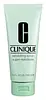 Key Ingredients
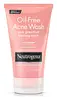
Benefits
Concerns
Ingredients Side-by-side
Water
Skin ConditioningGlyceryl Stearate
Emollient

Polyethylene
Abrasive

Hexylene Glycol
EmulsifyingDisodium Cocoamphodiacetate
CleansingDisodium Oleamido Mipa-Sulfosuccinate
CleansingMagnesium Aluminum Silicate
Absorbent
Salicylic Acid
Masking







Menthol
Masking
Stearamidoethyl Diethylamine
Oleamide Mipa
Trisodium Sulfosuccinate
BufferingSodium Sulfate

Phenoxyethanol
Preservative
Methylisothiazolinone
Preservative
CI 77891
Cosmetic ColorantEthylhexyl Salicylate
UV Absorber

Methyl Trimethicone
Skin Conditioning
Homosalate
Skin Conditioning
Butylene Glycol
Humectant

Benzophenone-3
UV Absorber
Butyloctyl Salicylate
Skin Conditioning
Neopentyl Glycol Diheptanoate
EmollientButyl Methoxydibenzoylmethane
UV Absorber
Butyrospermum Parkii Butter
Skin Conditioning

Octocrylene
UV Absorber
PEG-100 Stearate
Surfactant
Silica
Abrasive
Dipentaerythrityl Tri-Polyhydroxystearate
Emollient
Lauryl PEG-9 Polydimethylsiloxyethyl Dimethicone
Skin Conditioning
Dimethicone
Emollient
Laurdimonium Hydroxypropyl Hydrolyzed Soy Protein
Rosmarinus Officinalis Extract
AntimicrobialPerilla Ocymoides Leaf Extract
TonicPlankton Extract
Skin ConditioningCaffeine
Skin Conditioning

Potassium Cetyl Phosphate
EmulsifyingSucrose
Humectant
Styrene/Acrylates Copolymer
C30-38 Olefin/Isopropyl Maleate/Ma Copolymer
EmulsifyingCetyl Alcohol
Emollient

Vp/Eicosene Copolymer
Ethylhexylglycerin
Skin ConditioningAmmonium Acryloyldimethyltaurate/Vp Copolymer
PEG-8 Laurate
Emulsifying
Sodium Rna
Skin ConditioningLecithin
Emollient
Propyl Gallate
Antioxidant

Arginine Ferulate
Skin ConditioningTocopheryl Acetate
Antioxidant
Caprylyl Glycol
Emollient
Ascorbyl Tocopheryl Maleate
Antioxidant
Stearic Acid
Cleansing
Xanthan Gum
EmulsifyingNordihydroguaiaretic Acid
Antioxidant
Disodium EDTA
Mica
Cosmetic ColorantSodium Dehydroacetate
Preservative
Water, Glyceryl Stearate, Polyethylene, Hexylene Glycol, Disodium Cocoamphodiacetate, Disodium Oleamido Mipa-Sulfosuccinate, Magnesium Aluminum Silicate, Salicylic Acid, Menthol, Stearamidoethyl Diethylamine, Oleamide Mipa, Trisodium Sulfosuccinate, Sodium Sulfate, Phenoxyethanol, Methylisothiazolinone, CI 77891, Ethylhexyl Salicylate, Methyl Trimethicone, Homosalate, Butylene Glycol, Benzophenone-3, Butyloctyl Salicylate, Neopentyl Glycol Diheptanoate, Butyl Methoxydibenzoylmethane, Butyrospermum Parkii Butter, Octocrylene, PEG-100 Stearate, Silica, Dipentaerythrityl Tri-Polyhydroxystearate, Lauryl PEG-9 Polydimethylsiloxyethyl Dimethicone, Dimethicone, Laurdimonium Hydroxypropyl Hydrolyzed Soy Protein, Rosmarinus Officinalis Extract, Perilla Ocymoides Leaf Extract, Plankton Extract, Caffeine, Potassium Cetyl Phosphate, Sucrose, Styrene/Acrylates Copolymer, C30-38 Olefin/Isopropyl Maleate/Ma Copolymer, Cetyl Alcohol, Vp/Eicosene Copolymer, Ethylhexylglycerin, Ammonium Acryloyldimethyltaurate/Vp Copolymer, PEG-8 Laurate, Sodium Rna, Lecithin, Propyl Gallate, Arginine Ferulate, Tocopheryl Acetate, Caprylyl Glycol, Ascorbyl Tocopheryl Maleate, Stearic Acid, Xanthan Gum, Nordihydroguaiaretic Acid, Disodium EDTA, Mica, Sodium Dehydroacetate
Salicylic Acid 2%
Masking
Water
Skin ConditioningSodium C14-16 Olefin Sulfonate
Cleansing
Glycerin
Humectant
Cocamidopropyl Betaine
Cleansing
Polyethylene
Abrasive
Acrylates Copolymer
Chondrus Crispus
Masking
C12-15 Alkyl Lactate
EmollientDisodium EDTA
Cocamidopropyl Pg-Dimonium Chloride Phosphate
Citrus Grandis Fruit Extract
Astringent
Polyquaternium-7
Camellia Sinensis Leaf Extract
Antimicrobial
Ascorbyl Palmitate
Antioxidant
Neopentyl Glycol Dicaprylate/Dicaprate
EmollientAnthemis Nobilis Flower Extract
Masking
Polysorbate 20
Emulsifying
Polyvinyl Alcohol
Propylene Glycol
Humectant
Sodium Chloride
MaskingBenzalkonium Chloride
Antimicrobial
Butylene Glycol
Humectant
Sodium Benzotriazolyl Butylphenol Sulfonate
UV AbsorberAgar
MaskingAlumina
Abrasive
Mica
Cosmetic ColorantTitanium Dioxide
Cosmetic Colorant
Sodium Hydroxide
BufferingCI 15850
Cosmetic ColorantCI 16035
Cosmetic ColorantCI 60725
Cosmetic ColorantParfum
Masking
Salicylic Acid 2%, Water, Sodium C14-16 Olefin Sulfonate, Glycerin, Cocamidopropyl Betaine, Polyethylene, Acrylates Copolymer, Chondrus Crispus, C12-15 Alkyl Lactate, Disodium EDTA, Cocamidopropyl Pg-Dimonium Chloride Phosphate, Citrus Grandis Fruit Extract, Polyquaternium-7, Camellia Sinensis Leaf Extract, Ascorbyl Palmitate, Neopentyl Glycol Dicaprylate/Dicaprate, Anthemis Nobilis Flower Extract, Polysorbate 20, Polyvinyl Alcohol, Propylene Glycol, Sodium Chloride, Benzalkonium Chloride, Butylene Glycol, Sodium Benzotriazolyl Butylphenol Sulfonate, Agar, Alumina, Mica, Titanium Dioxide, Sodium Hydroxide, CI 15850, CI 16035, CI 60725, Parfum
Reviews
Ingredients Explained
These ingredients are found in both products.
Ingredients higher up in an ingredient list are typically present in a larger amount.
Butylene Glycol (or BG) is used within cosmetic products for a few different reasons:
Overall, Butylene Glycol is a safe and well-rounded ingredient that works well with other ingredients.
Though this ingredient works well with most skin types, some people with sensitive skin may experience a reaction such as allergic rashes, closed comedones, or itchiness.
Learn more about Butylene GlycolDisodium EDTA is a chelating agent. It grabs onto and deactivates metal ions that sneak into your products from water, packaging, or air.
This ingredient mainly works behind the scenes and helps with:
On top of that, this ingredient can counteract the effects of hard water by binding to the minerals in it.
One thing worth knowing is that Disodium EDTA has been shown to be a mild penetration enhancer. It can help other ingredients absorb into skin more effectively which can be a double-edged sword (great for actives, but can also make the active too strong if you have sensitive skin).
Clinical patch testing showed no significant skin irritation at typical use concentrations and minimal dermal absorption.
You'll most likely see this ingredient near the end of an ingredient list. It's typically found in concentrations less than 1%.
Learn more about Disodium EDTAMica is a naturally occurring mineral used to add shimmer and color in cosmetics. It can also help improve the texture of a product or give it an opaque, white/silver color.
Serecite is the name for very fine but ragged grains of mica.
This ingredient is often coated with metal oxides like titanium dioxide. Trace amounts of heavy metals may be found in mica, but these metals are not harmful in our personal products.
Mica has been used since prehistoric times throughout the world. Ancient Egyptian, Indian, Greek, Roman, Aztec, and Chinese civilizations have used mica.
Learn more about MicaPolyethylene is a synthetic ingredient that helps the skin retain moisture. It is a polymer.
It is also typically used within product formulations to help bind solid ingredients together and thicken oil-based ingredients. When added to balms and emulsions, it helps increase the melting point temperature.
Salicylic Acid (also known as beta hydroxy acid or BHA) is a well-known ingredient for treating skin that struggles with acne and clogged pores. It exfoliates both the skin's surface and deep within the pores to help clear out buildup, control oil, and reduce inflammation.
Unlike AHAs (alpha hydroxy acids), salicylic acid is oil-soluble. This allows it to penetrate into pores which makes it especially effective for treating blackheads and preventing future breakouts.
Salicylic acid is also known for its soothing properties. It has a similar structure to aspirin and can calm inflamed or irritated skin, making it a good option for acne-prone skin that is also sensitive.
Concentrations of 0.5-2% are recognized by the U.S. FDA as an over-the-counter topical acne product.
It can cause irritation and/or dryness if one's skin already has a compromised moisture barrier, so it's best to focus on repairing that before introducing this ingredient into your routine.
While salicylic acid does not increase sun sensitivity, it’s still important to wear sunscreen daily to protect your skin.
If you are looking for the ingredient called BHA or Butylated Hydroxyanisole, click here.
Learn more about Salicylic AcidWater. It's the most common cosmetic ingredient of all. You'll usually see it at the top of ingredient lists, meaning that it makes up the largest part of the product.
So why is it so popular? Water most often acts as a solvent - this means that it helps dissolve other ingredients into the formulation.
You'll also recognize water as that liquid we all need to stay alive. If you see this, drink a glass of water. Remember to stay hydrated!
Learn more about Water

