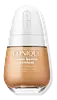
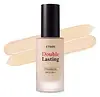
Clinique Even Better Clinical Serum Foundation Broad Spectrum SPF 25 Versus Etude House Double Lasting Foundation SPF 35 PA++


What's inside
What's inside
 Key Ingredients
Benefits
Concerns
Ingredients Side-by-side
Dimethicone
Emollient

Water
Skin ConditioningPEG-10 Dimethicone
Skin Conditioning
Butylene Glycol
Humectant

Vinyl Dimethicone/Methicone Silsesquioxane Crosspolymer

Phenyl Trimethicone
Skin Conditioning
Isododecane
EmollientButyloctyl Salicylate
Skin Conditioning

Isodecyl Isononanoate
EmollientLauryl PEG-9 Polydimethylsiloxyethyl Dimethicone
Skin Conditioning
Alcohol Denat.
Antimicrobial




Dimethicone/Vinyl Dimethicone Crosspolymer
Skin Conditioning
Hydrated Silica
Abrasive
Ascorbyl Glucoside
Antioxidant



Tetrahexyldecyl Ascorbate
Antioxidant


Magnesium Ascorbyl Phosphate
Antioxidant
Sodium Hyaluronate
Humectant
Tocopheryl Acetate
Antioxidant
Laminaria Saccharina Extract
Skin Protecting
Polygala Senega Root Extract
RefreshingBerberis Vulgaris Bark Extract
Skin ConditioningNymphaea Alba Root Extract
Skin ConditioningCamellia Sinensis Leaf Extract
Antimicrobial
Salvia Hispanica Seed Extract
Emollient
Molasses Extract
Skin ConditioningDimethoxytolyl Propylresorcinol
Antioxidant
Caffeine
Skin Conditioning
Niacinamide
Smoothing


Salicylic Acid
Masking

Linoleic Acid
Cleansing
Tocopherol
Antioxidant
Lactoperoxidase
StabilisingGlucose Oxidase
StabilisingLactobacillus Ferment
Skin Conditioning
Glycyrrhetinic Acid
Skin Conditioning
Cholesterol
Emollient
Jojoba Esters
Emollient
Glucose
Humectant
Polysilicone-11
Laureth-7
EmulsifyingTrimethylsiloxysilicate
Emollient
Sorbitan Sesquioleate
Emulsifying
Lecithin
Emollient
Xanthan Gum
EmulsifyingSilica
Abrasive
Caprylyl Glycol
Emollient
Dimethicone/PEG-10/15 Crosspolymer
Disteardimonium Hectorite
StabilisingTriethoxycaprylylsilane
Alumina
Abrasive
Propylene Carbonate
SolventDipropylene Glycol
HumectantSodium Chloride
MaskingSodium Hydroxide
BufferingCitric Acid
Buffering
Potassium Phosphate
BufferingTetrasodium EDTA
ChelatingSodium Citrate
BufferingPotassium Sorbate
Preservative
Phenoxyethanol
Preservative
Mica
Cosmetic ColorantCI 77891
Cosmetic ColorantCI 77491
Cosmetic ColorantCI 77492
Cosmetic ColorantCI 77499
Cosmetic ColorantDimethicone, Water, PEG-10 Dimethicone, Butylene Glycol, Vinyl Dimethicone/Methicone Silsesquioxane Crosspolymer, Phenyl Trimethicone, Isododecane, Butyloctyl Salicylate, Isodecyl Isononanoate, Lauryl PEG-9 Polydimethylsiloxyethyl Dimethicone, Alcohol Denat., Dimethicone/Vinyl Dimethicone Crosspolymer, Hydrated Silica, Ascorbyl Glucoside, Tetrahexyldecyl Ascorbate, Magnesium Ascorbyl Phosphate, Sodium Hyaluronate, Tocopheryl Acetate, Laminaria Saccharina Extract, Polygala Senega Root Extract, Berberis Vulgaris Bark Extract, Nymphaea Alba Root Extract, Camellia Sinensis Leaf Extract, Salvia Hispanica Seed Extract, Molasses Extract, Dimethoxytolyl Propylresorcinol, Caffeine, Niacinamide, Salicylic Acid, Linoleic Acid, Tocopherol, Lactoperoxidase, Glucose Oxidase, Lactobacillus Ferment, Glycyrrhetinic Acid, Cholesterol, Jojoba Esters, Glucose, Polysilicone-11, Laureth-7, Trimethylsiloxysilicate, Sorbitan Sesquioleate, Lecithin, Xanthan Gum, Silica, Caprylyl Glycol, Dimethicone/PEG-10/15 Crosspolymer, Disteardimonium Hectorite, Triethoxycaprylylsilane, Alumina, Propylene Carbonate, Dipropylene Glycol, Sodium Chloride, Sodium Hydroxide, Citric Acid, Potassium Phosphate, Tetrasodium EDTA, Sodium Citrate, Potassium Sorbate, Phenoxyethanol, Mica, CI 77891, CI 77491, CI 77492, CI 77499
Water
Skin ConditioningCyclopentasiloxane
Emollient
CI 77891
Cosmetic ColorantTrimethylsiloxysilicate
Emollient
Cyclohexasiloxane
Emollient
Titanium Dioxide
Cosmetic Colorant
Caprylyl Methicone
Skin Conditioning
Butylene Glycol
Humectant
PEG/PPG-18/18 Dimethicone
Emulsifying
CI 77492
Cosmetic ColorantMica
Cosmetic ColorantSodium Chloride
MaskingDimethicone/Vinyl Dimethicone Crosspolymer
Skin Conditioning
Disteardimonium Hectorite
StabilisingPolymethylsilsesquioxane
PEG-10 Dimethicone
Skin Conditioning
Alumina
Abrasive
Aluminum Hydroxide
EmollientPentylene Glycol
Skin Conditioning
1,2-Hexanediol
Skin Conditioning
CI 77491
Cosmetic ColorantTriethoxycaprylylsilane
Parfum
Masking

Caprylyl Glycol
Emollient
Glyceryl Caprylate
EmollientCI 77499
Cosmetic ColorantSimethicone
Emollient
Xanthan Gum
EmulsifyingDisodium EDTA
ChelatingMethicone
Emollient
Boron Nitride
Absorbent
Methyl Methacrylate Crosspolymer
Tin Oxide
Abrasive
Water, Cyclopentasiloxane, CI 77891, Trimethylsiloxysilicate, Cyclohexasiloxane, Titanium Dioxide, Caprylyl Methicone, Butylene Glycol, PEG/PPG-18/18 Dimethicone, CI 77492, Mica, Sodium Chloride, Dimethicone/Vinyl Dimethicone Crosspolymer, Disteardimonium Hectorite, Polymethylsilsesquioxane, PEG-10 Dimethicone, Alumina, Aluminum Hydroxide, Pentylene Glycol, 1,2-Hexanediol, CI 77491, Triethoxycaprylylsilane, Parfum, Caprylyl Glycol, Glyceryl Caprylate, CI 77499, Simethicone, Xanthan Gum, Disodium EDTA, Methicone, Boron Nitride, Methyl Methacrylate Crosspolymer, Tin Oxide
Reviews
Ingredients Explained
These ingredients are found in both products.
Ingredients higher up in an ingredient list are typically present in a larger amount.
Alumina (aka aluminum oxide) is an inorganic mineral powder refined from bauxite that works as a quiet workhorse in a formula.
It shows up often as an abrasive, absorbent, anticaking, bulking, and viscosity-controlling agent.
One of its most common jobs is acting as a pigment carrier and dispersant.
Alumina platelets are often blended with inorganic sunscreens like Titanium Dioxide (or with colorants) and then coated with a silicone such as Triethoxycaprylylsilane so the pigment spreads evenly and smoothly.
In makeup, it can also double as a light-diffusing powder or oil absorber to keep formulas from looking greasy.
The Cosmetic Ingredient Review Expert Panel has concluded alumina to be safe in present practices of use and concentration.
They note it's a stable, oxidized compound and scientific research has failed to establish links to health issues.
Concentrations vary depending on the product:
Learn more about AluminaButylene Glycol (or BG) is used within cosmetic products for a few different reasons:
Overall, Butylene Glycol is a safe and well-rounded ingredient that works well with other ingredients.
Though this ingredient works well with most skin types, some people with sensitive skin may experience a reaction such as allergic rashes, closed comedones, or itchiness.
Learn more about Butylene GlycolCaprylyl Glycol is a humectant, skin conditioner, emollient, and preservative booster derived from either caprylic acid or synthetically created.
Typical use levels vary from 0.3-1% as a preservative booster and go up to 2% to condition skin.
Because it is not a free-fatty acid, this ingredient is fungal acne safe (there's nothing for Malassezia to feed on).
Learn more about Caprylyl GlycolCi 77491 is also hydrated iron III oxide. It's sole purpose is to give a red/pink hue to products.
Iron III oxides are classified as inorganic chemicals for coloring.
Synthetically created Ci 77491 is considered safer than those naturally found. This is because the synthetically created version may contain less impurities. Iron oxides are generally non-toxic and non-allergenic.
Learn more about CI 77491CI 77492 is also hydrated iron III oxide. It's sole purpose is to give a yellow hue to products.
Iron III oxides are classified as inorganic chemicals for coloring.
Synthetically created CI 77492 is considered safer than those naturally found. This is because the synthetically created version may contain less impurities. Iron oxides are generally non-toxic and non-allergenic.
Learn more about CI 77492Ci 77499 is also hydrated iron III oxide. It is created from mixing red and black iron oxides. This helps give shades of darkness to a product.
Iron III oxides are classified as inorganic chemicals for coloring.
Ci 77891 is a white pigment from Titanium dioxide. It is naturally found in minerals such as rutile and ilmenite.
It's main function is to add a white color to cosmetics. It can also be mixed with other colors to create different shades.
Ci 77891 is commonly found in sunscreens due to its ability to block UV rays.
Learn more about CI 77891This ingredient is a silicone elastomer that works as a texture enhancer, adds a silky slip, and also helps absorb excess oil.
Because it's a large macromolecule that's insoluble in water and chemically inert, it's not expected to penetrate or be absorbed into skin.
Human patch tests with a facial lotion containing 1% of this ingredient found no sensitization.
Learn more about Dimethicone/Vinyl Dimethicone CrosspolymerDisteardimonium Hectorite comes from the clay mineral named hectorite. It is used to add thickness to a product.
It can also help stabilize a product by helping to disperse other ingredients.
Hectorite is a rare, white clay mineral.
Learn more about Disteardimonium HectoriteMica is a naturally occurring mineral used to add shimmer and color in cosmetics. It can also help improve the texture of a product or give it an opaque, white/silver color.
Serecite is the name for very fine but ragged grains of mica.
This ingredient is often coated with metal oxides like titanium dioxide. Trace amounts of heavy metals may be found in mica, but these metals are not harmful in our personal products.
Mica has been used since prehistoric times throughout the world. Ancient Egyptian, Indian, Greek, Roman, Aztec, and Chinese civilizations have used mica.
Learn more about MicaPeg-10 Dimethicone is silicone with conditioner and emulsifier properties. It mostly acts as an emollient in skincare and and humectant in haircare.
According to the manufacturer, acidic formulations decrease the stability of this ingredient. It works best in neutral or near neutral formulations.
Chances are, you eat sodium chloride every day. Sodium Chloride is also known as table salt. This ingredient has many purposes in skincare: thickener, emulsifier, and exfoliator.
You'll most likely find this ingredient in cleansers where it is used to create a gel-like texture. As an emulsifier, it also prevents ingredients from separating.
You might see people debate whether Sodium Chloride is comedogenic, but there actually haven't been any comedogenic tests done on it. Either way, the overall formulation of a product matters a lot more than any single ingredient.
You might see this ingredient used in scrubs as a primary exfoliating ingredient.
Learn more about Sodium ChlorideTriethoxycaprylylsilane is a silicon-based surface modifier that makes sunscreens feel silky and makeup stay put.
Its main job is to coat mineral particles like titanium dioxide, zinc oxide, and color pigments in a thin, oily layer so they spread smoothly, don't clump, and stick to skin better.
This ingredient is typically used at low levels (up to 2.5% in eyeshadow and 1% in lipstick).
Learn more about TriethoxycaprylylsilaneThis silicone is an emollient. Emollients create a thin film on the skin to prevent moisture from escaping.
It is not soluble in water and helps increase water-resistance in products.
According to a manufacturer, it can blend seamlessly with silicone oils, such as Cyclopentasiloxane.
Learn more about TrimethylsiloxysilicateWater. It's the most common cosmetic ingredient of all. You'll usually see it at the top of ingredient lists, meaning that it makes up the largest part of the product.
So why is it so popular? Water most often acts as a solvent - this means that it helps dissolve other ingredients into the formulation.
You'll also recognize water as that liquid we all need to stay alive. If you see this, drink a glass of water. Remember to stay hydrated!
Learn more about WaterXanthan gum is used as a stabilizer and thickener within cosmetic products. It helps give products a sticky, thick feeling - preventing them from being too runny.
On the technical side of things, xanthan gum is a polysaccharide - a combination consisting of multiple sugar molecules bonded together.
Xanthan gum is a pretty common and great ingredient. It is a natural, non-toxic, non-irritating ingredient that is also commonly used in food products.
Learn more about Xanthan Gum

