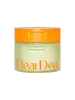
This smoothing exfoliating pad uses a pre-saturated pad with Niacinamide and Glycolic Acid to refine skin texture and refine the look of pores.
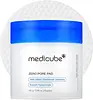
This pore-care toner pad uses a pre-saturated pad with Lactic Acid and Salicylic Acid to refine the look of pores and refine skin texture.

What's inside
What's inside
 Key Ingredients
Benefits
Concerns
Ingredients Side-by-side
Triticum Vulgare Seed Extract
BufferingMalva Sylvestris Leaf Water
Skin ConditioningButylene Glycol
Humectant

Dipropylene Glycol
HumectantGlycerin
Humectant
Niacinamide
Smoothing









Water
Skin ConditioningEthylhexylglycerin
Skin ConditioningCaprylyl Glycol
Emollient
Betaine
Humectant
Cellulose Gum
Emulsion StabilisingVinegar
Citric Acid
Buffering

Adenosine
Skin Conditioning
Disodium EDTA
ChelatingSalix Alba Bark Extract
Astringent
Cupressus Sempervirens Leaf Extract
Perfuming
Origanum Vulgare Leaf Extract
Skin ConditioningBacillus/Soybean Ferment Extract
Skin ConditioningBeta Vulgaris Root Extract
Skin ConditioningBetula Alba Bark Extract
Masking
Gold
Cosmetic ColorantBetaine Salicylate
Antimicrobial

Glycolic Acid
Buffering
Laminaria Digitata Extract
Skin Protecting

Macrocystis Pyrifera Extract
Skin Conditioning
Gelidium Cartilagineum Extract
Skin ProtectingPalmaria Palmata Extract
Skin Protecting
Spirulina Platensis Extract
Skin ProtectingTromethamine
BufferingGluconolactone
Chelating
Capryloyl Salicylic Acid
Exfoliating
Caprylic/Capric Triglyceride
Masking
Hydroxydecyl Ubiquinone
Antioxidant
Polyglyceryl-10 Oleate
Skin Conditioning
Hydrogenated Lecithin
Emulsifying
Triticum Vulgare Seed Extract, Malva Sylvestris Leaf Water, Butylene Glycol, Dipropylene Glycol, Glycerin, Niacinamide, Water, Ethylhexylglycerin, Caprylyl Glycol, Betaine, Cellulose Gum, Vinegar, Citric Acid, Adenosine, Disodium EDTA, Salix Alba Bark Extract, Cupressus Sempervirens Leaf Extract, Origanum Vulgare Leaf Extract, Bacillus/Soybean Ferment Extract, Beta Vulgaris Root Extract, Betula Alba Bark Extract, Gold, Betaine Salicylate, Glycolic Acid, Laminaria Digitata Extract, Macrocystis Pyrifera Extract, Gelidium Cartilagineum Extract, Palmaria Palmata Extract, Spirulina Platensis Extract, Tromethamine, Gluconolactone, Capryloyl Salicylic Acid, Caprylic/Capric Triglyceride, Hydroxydecyl Ubiquinone, Polyglyceryl-10 Oleate, Hydrogenated Lecithin
Water
Skin ConditioningMethylpropanediol
SolventTromethamine
BufferingLactic Acid
Buffering
Alcohol Denat.
Antimicrobial

1,2-Hexanediol
Skin Conditioning
Panthenol
Skin Conditioning
Glycereth-26
Humectant
Salicylic Acid
Masking
Ammonium Acryloyldimethyltaurate/Vp Copolymer
Betaine
Humectant
Trehalose
Humectant
Polyglyceryl-10 Laurate
Skin Conditioning
Ethylhexylglycerin
Skin ConditioningGlycerin
Humectant
Allantoin
Skin Conditioning
Polyglyceryl-10 Myristate
Skin Conditioning
Disodium EDTA
ChelatingButylene Glycol
Humectant
Sodium Hyaluronate
Humectant
Betaine Salicylate
Antimicrobial
Citrus Aurantium Dulcis Peel Oil
Masking

Citrus Limon Peel Oil
Masking
Citrus Grandis Peel Oil
Masking
Citrus Aurantium Bergamia Fruit Oil
Masking
Rosmarinus Officinalis Leaf Oil
Masking
Eucalyptus Globulus Leaf Oil
Perfuming
Lavandula Angustifolia Oil
Masking
Vitis Vinifera Fruit Extract
Skin ConditioningCitrus Aurantifolia Fruit Extract
Skin ConditioningCitrus Limon Fruit Extract
Masking
Pyrus Malus Fruit Extract
Skin Conditioning
Citrus Aurantium Dulcis Fruit Extract
MaskingEthyl Hexanediol
SolventCentella Asiatica Extract
Cleansing
Salix Alba Bark Extract
Astringent
Origanum Vulgare Leaf Extract
Skin ConditioningChamaecyparis Obtusa Leaf Extract
Skin ConditioningLactobacillus/Soybean Ferment Extract
Skin ConditioningCinnamomum Cassia Bark Extract
Masking
Scutellaria Baicalensis Root Extract
Astringent
Portulaca Oleracea Extract
Skin Conditioning
Oenothera Biennis Flower Extract
AstringentPinus Palustris Leaf Extract
TonicUlmus Davidiana Root Extract
Skin Conditioning
Pueraria Lobata Root Extract
HumectantLimonene
Perfuming
Water, Methylpropanediol, Tromethamine, Lactic Acid, Alcohol Denat., 1,2-Hexanediol, Panthenol, Glycereth-26, Salicylic Acid, Ammonium Acryloyldimethyltaurate/Vp Copolymer, Betaine, Trehalose, Polyglyceryl-10 Laurate, Ethylhexylglycerin, Glycerin, Allantoin, Polyglyceryl-10 Myristate, Disodium EDTA, Butylene Glycol, Sodium Hyaluronate, Betaine Salicylate, Citrus Aurantium Dulcis Peel Oil, Citrus Limon Peel Oil, Citrus Grandis Peel Oil, Citrus Aurantium Bergamia Fruit Oil, Rosmarinus Officinalis Leaf Oil, Eucalyptus Globulus Leaf Oil, Lavandula Angustifolia Oil, Vitis Vinifera Fruit Extract, Citrus Aurantifolia Fruit Extract, Citrus Limon Fruit Extract, Pyrus Malus Fruit Extract, Citrus Aurantium Dulcis Fruit Extract, Ethyl Hexanediol, Centella Asiatica Extract, Salix Alba Bark Extract, Origanum Vulgare Leaf Extract, Chamaecyparis Obtusa Leaf Extract, Lactobacillus/Soybean Ferment Extract, Cinnamomum Cassia Bark Extract, Scutellaria Baicalensis Root Extract, Portulaca Oleracea Extract, Oenothera Biennis Flower Extract, Pinus Palustris Leaf Extract, Ulmus Davidiana Root Extract, Pueraria Lobata Root Extract, Limonene
Reviews
Ingredients Explained
These ingredients are found in both products.
Ingredients higher up in an ingredient list are typically present in a larger amount.
Betaine is a humectant. Like hyaluronic acid, it helps attract and retain moisture in the skin. It’s known for being gentle and for helping the skin maintain balanced hydration.
Betaine is mainly used to improve hydration and support calmer skin. It helps skin cells regulate water balance because it functions as an osmolyte.
Some studies suggest betaine may support making skin tone more even.
Fun fact: Betaine naturally exists in the skin and the body. In cosmetic products, it can be either plant-derived (most commonly from sugar beets) or synthetically produced for consistency and stability.
Betaine is also known as trimethylglycine.
Learn more about BetaineBetaine Salicylate is considered a salicylic acid alternative.
Limited studies exist proving this ingredient to be a complete alternative to salicylic acid. Based on existing research, this ingredient does not penetrate as deeply and is not shown to be as effective.
However, this makes it a great choice for those with sensitive skin or need gentle BHA action.
This ingredient is created using betaine and salicylic acid.
This ingredient is oil-soluble and is most effective at a pH range of 3.8-4.2.
Learn more about Betaine SalicylateButylene Glycol (or BG) is used within cosmetic products for a few different reasons:
Overall, Butylene Glycol is a safe and well-rounded ingredient that works well with other ingredients.
Though this ingredient works well with most skin types, some people with sensitive skin may experience a reaction such as allergic rashes, closed comedones, or itchiness.
Learn more about Butylene GlycolDisodium EDTA is a chelating agent. It grabs onto and deactivates metal ions that sneak into your products from water, packaging, or air.
This ingredient mainly works behind the scenes and helps with:
On top of that, this ingredient can counteract the effects of hard water by binding to the minerals in it.
One thing worth knowing is that Disodium EDTA has been shown to be a mild penetration enhancer. It can help other ingredients absorb into skin more effectively which can be a double-edged sword (great for actives, but can also make the active too strong if you have sensitive skin).
Clinical patch testing showed no significant skin irritation at typical use concentrations and minimal dermal absorption.
You'll most likely see this ingredient near the end of an ingredient list. It's typically found in concentrations less than 1%.
Learn more about Disodium EDTAEthylhexylglycerin is created from glycerin. It is a multitasker ingredient that:
The CIR Expert Panel found minimal skin absorption or sensitization of any kind in a safety assessment. Though this ingredient is considered well-tolerated, a small number of cases of allergic dermatitis have been published since 2002. Just be sure to patch test if you are unsure.
Industry-reported use ranges from 8% in rinse-off products and 2% in leave-on formulations.
Learn more about EthylhexylglycerinGlycerin (or glycerol) is a compound naturally found in your skin. It's a powerhouse humectant that pulls water into the stratum corneum.
Topically, glycerin does several things at once:
Your skin makes glycerin on its own (mostly from sebaceous oil breakdown) and shuttles it to your outermost layer of skin, or your epidermis, via aquaporin-3.
Aquaporin-3 is a transporter that is essential for normal skin hydration, elasticity, and repair. Interestingly, mice lacking in AQP3 have dry and less elastic skin that can be fully corrected with glycerin.
This ingredient is non-irritating, plays well with almost every ingredient, and works across all skin types. Typical use is anywhere between 3-10% but can go up to 79% in some leave-on products.
Just know very high concentrations (>40%) can feel tacky in low humidity.
Glycerin is the name for this ingredient in American English. British English uses Glycerol/Glycerine.
Learn more about GlycerinOregano leaf is a culinary and medicinal herb with skin conditioning properties.
Salix Alba Bark Extract comes from the bark of the white willow tree. The official CosIng listing states this ingredient to have astringent, skin conditioning, soothing, and tonic properties.
Its star compound is salicin, a natural glucoside that is chemically related to salicylic acid. That's why you'll often see it marketed as a "natural BHA alternative" but that's a bit of a stretch.
Your skin can't convert salicin to salicylic acid because it needs specific enzymes that aren't present on the skin's surface. It won't behave like true salicylic acid, especially at the concentrations used in cosmetics.
However, this ingredient has its own perks. It contains flavonoids, polyphenols, and tannins that give it proven antioxidant and soothing properties.
An 8-week clinical study found a cream with 2% of this extract improved skin microcirculation, elasticity, and dark circles. This is most likely due to its role in increasing hyaluronic acid synthesis in fibroblasts and improved vascular integrity.
Another study found a topical serum with 0.5% salicin showed improvements in visible signs of aging, hyperpigmentation, and texture.
Just be careful if you have a known aspirin/salicylate allergy and be sure to consult with a medical professional about using this ingredient if you do.
Fun fact: Willow Bark extract has been used for thousands of years and ancient civilizations used white willow to help treat pain and fevers.
Learn more about Salix Alba Bark ExtractTromethamine (aka THAM) is a synthetic amino acid that shows up in skincare as a helper ingredient.
It functions as a pH adjuster to help neutralize acidic ingredients and set a formula's pH to the right spot.
This matters a lot because a lot of actives (like vitamin C) needs a specific pH to work well and feel comfortable on skin.
Concentration use ranges from 0.1-1.0% depending on the formula.
Learn more about TromethamineWater. It's the most common cosmetic ingredient of all. You'll usually see it at the top of ingredient lists, meaning that it makes up the largest part of the product.
So why is it so popular? Water most often acts as a solvent - this means that it helps dissolve other ingredients into the formulation.
You'll also recognize water as that liquid we all need to stay alive. If you see this, drink a glass of water. Remember to stay hydrated!
Learn more about Water

