
What's inside
What's inside
 Key Ingredients
Benefits
Concerns
Ingredients Side-by-side
Water
Skin ConditioningDimethicone
Emollient

CI 77891
Cosmetic ColorantIsododecane
EmollientButylene Glycol
Humectant

Methyl Trimethicone
Skin Conditioning
Titanium Dioxide
Cosmetic Colorant

PEG-9 Polydimethylsiloxyethyl Dimethicone
Emulsifying
Pentylene Glycol
Skin Conditioning
Glycerin
Humectant
Dimethicone/PEG-10/15 Crosspolymer
Polyglyceryl-3 Polydimethylsiloxyethyl Dimethicone
Skin Conditioning
Sodium Chloride
MaskingEthylhexyl Palmitate
Emollient




Aluminum Hydroxide
EmollientAcrylates/Dimethicone Copolymer
Skin Conditioning
Stearoxymethicone/Dimethicone Copolymer
Emollient
Silica
Abrasive


CI 77492
Cosmetic ColorantStearic Acid
Cleansing
Argania Spinosa Kernel Oil
Emollient


Parfum
Masking


Disteardimonium Hectorite
StabilisingCI 77491
Cosmetic ColorantTriethoxycaprylylsilane
Synthetic Fluorphlogopite
Propylene Carbonate
SolventEthylhexylglycerin
Skin ConditioningTocopheryl Acetate
Antioxidant


CI 77499
Cosmetic ColorantAvena Sativa Kernel Extract
Abrasive
Disodium EDTA
ChelatingHydroxyethyl Urea
Humectant
Dimethiconol
Emollient
Dipropylene Glycol
HumectantTrihydroxystearin
Skin Conditioning
Phenoxyethanol
Preservative
Sodium Citrate
BufferingAlgin
MaskingSodium Benzoate
Masking
Acacia Senegal Gum
MaskingJania Rubens Extract
Skin Conditioning
Cichorium Intybus Leaf Extract
MaskingFurcellaria Lumbricalis Extract
Skin ConditioningHexylene Glycol
EmulsifyingSodium Hyaluronate
Humectant

Camellia Sinensis Leaf Extract
Antimicrobial
Tocopherol
Antioxidant
Caprylyl Glycol
Emollient
Xanthan Gum
EmulsifyingLapsana Communis Flower/Leaf/Stem Extract
Skin ConditioningMaris Sal
Skin ConditioningGlucomannan
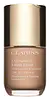
Skin ConditioningWater, Dimethicone, CI 77891, Isododecane, Butylene Glycol, Methyl Trimethicone, Titanium Dioxide, PEG-9 Polydimethylsiloxyethyl Dimethicone, Pentylene Glycol, Glycerin, Dimethicone/PEG-10/15 Crosspolymer, Polyglyceryl-3 Polydimethylsiloxyethyl Dimethicone, Sodium Chloride, Ethylhexyl Palmitate, Aluminum Hydroxide, Acrylates/Dimethicone Copolymer, Stearoxymethicone/Dimethicone Copolymer, Silica, CI 77492, Stearic Acid, Argania Spinosa Kernel Oil, Parfum, Disteardimonium Hectorite, CI 77491, Triethoxycaprylylsilane, Synthetic Fluorphlogopite, Propylene Carbonate, Ethylhexylglycerin, Tocopheryl Acetate, CI 77499, Avena Sativa Kernel Extract, Disodium EDTA, Hydroxyethyl Urea, Dimethiconol, Dipropylene Glycol, Trihydroxystearin, Phenoxyethanol, Sodium Citrate, Algin, Sodium Benzoate, Acacia Senegal Gum, Jania Rubens Extract, Cichorium Intybus Leaf Extract, Furcellaria Lumbricalis Extract, Hexylene Glycol, Sodium Hyaluronate, Camellia Sinensis Leaf Extract, Tocopherol, Caprylyl Glycol, Xanthan Gum, Lapsana Communis Flower/Leaf/Stem Extract, Maris Sal, Glucomannan
Water
Skin ConditioningPhenyl Trimethicone
Skin Conditioning
Alcohol Denat.
Antimicrobial

Dimethicone
Emollient
Talc
Abrasive
Lauryl PEG-10 Tris(Trimethylsiloxy)Silylethyl Dimethicone
Emulsifying
Diphenyl Dimethicone/Vinyl Diphenyl Dimethicone/Silsesquioxane Crosspolymer
Dicaprylyl Carbonate
EmollientGlycerin
Humectant
Saccharide Isomerate
Humectant
Mentha Aquatica Leaf Extract
Skin ConditioningMalpighia Glabra Fruit Extract
Skin ConditioningActinidia Chinensis Fruit Extract
EmollientSodium Hyaluronate
Humectant
Glucomannan
Skin ConditioningEthylhexyl Palmitate
Emollient
Polysilicone-11
Acrylates/Polytrimethylsiloxymethacrylate Copolymer
Skin ConditioningStearalkonium Hectorite
Gel FormingSynthetic Fluorphlogopite
Butyrospermum Parkii Butter
Skin Conditioning
Triethoxycaprylylsilane
Aluminum Hydroxide
EmollientPropylene Carbonate
SolventTrihydroxystearin
Skin Conditioning
Citric Acid
Buffering
Sodium Citrate
BufferingParfum
Masking
Sodium Benzoate
Masking
Potassium Sorbate
Preservative
Tocopherol
Antioxidant
CI 77891
Cosmetic ColorantIron Oxides
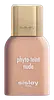
Water, Phenyl Trimethicone, Alcohol Denat., Dimethicone, Talc, Lauryl PEG-10 Tris(Trimethylsiloxy)Silylethyl Dimethicone, Diphenyl Dimethicone/Vinyl Diphenyl Dimethicone/Silsesquioxane Crosspolymer, Dicaprylyl Carbonate, Glycerin, Saccharide Isomerate, Mentha Aquatica Leaf Extract, Malpighia Glabra Fruit Extract, Actinidia Chinensis Fruit Extract, Sodium Hyaluronate, Glucomannan, Ethylhexyl Palmitate, Polysilicone-11, Acrylates/Polytrimethylsiloxymethacrylate Copolymer, Stearalkonium Hectorite, Synthetic Fluorphlogopite, Butyrospermum Parkii Butter, Triethoxycaprylylsilane, Aluminum Hydroxide, Propylene Carbonate, Trihydroxystearin, Citric Acid, Sodium Citrate, Parfum, Sodium Benzoate, Potassium Sorbate, Tocopherol, CI 77891, Iron Oxides
Reviews
Ingredients Explained
These ingredients are found in both products.
Ingredients higher up in an ingredient list are typically present in a larger amount.
Aluminum Hydroxide is a form of aluminum. It can be naturally found in nature as the mineral gibbsite. In cosmetics, Aluminum Hydroxide is used as a colorant, pH adjuster, and absorbent.
As a colorant, Aluminum Hydroxide may add opacity, or reduce the transparency. Aluminum hydroxide is contains both basic and acidic properties.
According to manufacturers, this ingredient is an emollient and humectant. This means it helps hydrate the skin.
In medicine, this ingredient is used to help relieve heartburn and help heal ulcers.
There is currently no credible scientific evidence linking aluminum hydroxide in cosmetics to increased cancer risk.
Major health organizations allow the use of aluminum hydroxide in personal care products and have not flagged it as a carcinogenic risk at typical usage levels.
Learn more about Aluminum HydroxideCi 77891 is a white pigment from Titanium dioxide. It is naturally found in minerals such as rutile and ilmenite.
It's main function is to add a white color to cosmetics. It can also be mixed with other colors to create different shades.
Ci 77891 is commonly found in sunscreens due to its ability to block UV rays.
Learn more about CI 77891Dimethicone is a type of synthetic silicone created from natural materials such as quartz. It is also known as polydimethylsiloxane.
What it does:
Dimethicone comes in different viscosities:
Depending on the viscosity, dimethicone has different properties.
Ingredients lists don't always show which type is used, so we recommend reaching out to the brand if you have questions about the viscosity.
This ingredient is unlikely to cause irritation because it does not get absorbed into skin. However, people with silicone allergies should be careful about using this ingredient.
Note: Dimethicone may contribute to pilling. This is because it is not oil or water soluble, so pilling may occur when layered with products. When mixed with heavy oils in a formula, the outcome is also quite greasy.
Learn more about DimethiconeEthylhexyl Palmitate, also known as octyl palmitate, is created from 2-ethylhexyl alcohol and palmitic acid.
In cosmetics, it plays many roles:
One thing worth noting: a controlled study found this ingredient applied under occlusion to acne-prone subjects increased microcomedones. Just keep in mind this was under occlusive conditions and don't reflect how most products are used day-to-day.
For most people, this is a well-tolerated and lightweight ingredient.
This ingredient may not be fungal acne safe because it is an ester of palmitic acid, a C16 fatty acid that falls within the C11-24 range that Malassezia can metabolize.
You'll see this one rated 4 comedogenic all over the internet. That number isn't from a single study, and the actual research is more interesting.
The original rating comes from 1980s rabbit ear tests (which are a shaky basis for anything). But Ethylhexyl Palmitate is one of the few ingredients with real human data behind it. A 2021 controlled trial found this ingredient increased microcomedones by an average of 365% over four weeks.
Just know that test used the pure ingredient under an occlusive pad on back skin; most products use it at much lower levels alongside other ingredients and plenty of people use those with no issue.
Learn more about Ethylhexyl PalmitateGlucomannan is a fiber created from the Konjac plant. It is an emulsifier and thickener.
The high polysaccharide content makes it great at adjusting the texture of products. (Kind of like starch).
Polysaccharides also help our skin stay hydrated.
This ingredient is water-soluble.
Learn more about GlucomannanGlycerin (or glycerol) is a compound naturally found in your skin. It's a powerhouse humectant that pulls water into the stratum corneum.
Topically, glycerin does several things at once:
Your skin makes glycerin on its own (mostly from sebaceous oil breakdown) and shuttles it to your outermost layer of skin, or your epidermis, via aquaporin-3.
Aquaporin-3 is a transporter that is essential for normal skin hydration, elasticity, and repair. Interestingly, mice lacking in AQP3 have dry and less elastic skin that can be fully corrected with glycerin.
This ingredient is non-irritating, plays well with almost every ingredient, and works across all skin types. Typical use is anywhere between 3-10% but can go up to 79% in some leave-on products.
Just know very high concentrations (>40%) can feel tacky in low humidity.
Glycerin is the name for this ingredient in American English. British English uses Glycerol/Glycerine.
Learn more about GlycerinParfum is a catch-all term for an ingredient or more that is used to give a scent to products.
Also called "fragrance", this ingredient can be a blend of hundreds of chemicals or plant oils. This means every product with "fragrance" or "parfum" in the ingredients list is a different mixture.
For instance, Habanolide is a proprietary trade name for a specific aroma chemical. When used as a fragrance ingredient in cosmetics, most aroma chemicals fall under the broad labeling category of “FRAGRANCE” or “PARFUM” according to EU and US regulations.
The term 'parfum' or 'fragrance' is not regulated in many countries. In many cases, it is up to the brand to define this term.
For instance, many brands choose to label themselves as "fragrance-free" because they are not using synthetic fragrances. However, their products may still contain ingredients such as essential oils that are considered a fragrance by INCI standards.
One example is Calendula flower extract. Calendula is an essential oil that still imparts a scent or 'fragrance'.
Depending on the blend, the ingredients in the mixture can cause allergies and sensitivities on the skin. Some ingredients that are known EU allergens include linalool and citronellol.
Parfum can also be used to mask or cover an unpleasant scent.
The bottom line is: not all fragrances/parfum/ingredients are created equally. If you are worried about fragrances, we recommend taking a closer look at an ingredient. And of course, we always recommend speaking with a professional.
Learn more about ParfumThis ingredient is a solvent. It helps dissolve active ingredients and alter the texture of products.
Propylene Carbonate is commonly used in makeup and with clay, such as montmorillonite or bentonite.
Studies show this ingredient to be safe for cosmetics. When it is undiluted, it can cause skin irritation. (It is always diluted in skincare and makeup). This ingredient is water-soluble.
Propylene Carbonate is created from propylene glycol and carbonic acid.
Learn more about Propylene CarbonateSodium Benzoate is a preservative. It's used in both cosmetic and food products to inhibit the growth of mold and bacteria. It is typically produced synthetically.
Both the US FDA and EU Health Committee have approved the use of sodium benzoate. In the US, levels of 0.1% (of the total product) are allowed.
Sodium benzoate works as a preservative by inhibiting the growth of bacteria inside of cells. It prevents the cell from fermenting a type of sugar using an enzyme called phosphofructokinase.
It is the salt of benzoic acid. Foods containing sodium benzoate include soda, salad dressings, condiments, fruit juices, wines, and snack foods.
Studies for using ascorbic acid and sodium benzoate in cosmetics are lacking, especially in skincare routines with multiple steps.
We always recommend speaking with a professional, such as a dermatologist, if you have any concerns.
Learn more about Sodium BenzoateSodium Citrate is the sodium salts of citric acid. In skincare, it is used to alter pH levels and acts as a preservative.
Its main functions are to maintain the pH of a product and neutralize metal ions.
The acidity of our skin is maintained by our glands and skin biome; normal pH level of skin is slightly acidic (~4.75-5.5).
Being slightly acidic allows our skin to create an "acid mantle". This acid mantle is a thin barrier that protects our skin from bacteria and contaminants.
Learn more about Sodium CitrateSodium Hyaluronate is the salt form of hyaluronic acid. It is a long sugar chain that is naturally found in your skin, joints, and connective tissue that maintains hydration and elasticity.
In skincare, it works as a humectant. It pulls water from the environment and deeper layers of skin and binds it to the surface.
Interestingly, the size of the molecule affects its behavior:
Some clinical evidence links low molecular weight versions to improved wrinkle depth, elasticity, anti-inflammatory effects, and barrier repair.
Many serums use a blend of both weights so you can get surface hydration plus longer-lasting and deeper effects.
You'll typically see concentrations between 0.1-2% for this ingredient.
Learn more about Sodium HyaluronateSynthetic Fluorphlogopite is the synthethic version of mica. It consists of fluorine, aluminum and silicate.
Synthetic Fluorphlogopite is used to add volume to products.
It is considered non-irritating on the skin.
Learn more about Synthetic FluorphlogopiteTocopherol is a fat-soluble antioxidant known as Vitamin E.
You'll find this ingredient in the vast majority of skincare (for good reason). It works to neutralize free radicals, or unstable molecules generated by UV exposure, pollution, and other environmental stressors, before they can cause oxidative damage to your skin cells.
Topically applied tocopherol has been shown to protect against UV damage by ramping up the skin's own natural defense enzymes.
It also acts as a skin conditioning agent; some studies show that regular topical use can improve the skin's water-binding capacity over 2-4 weeks.
This ingredient is especially loved for being a team player. When combined with Vitamin C, the photoprotective effect of both ingredients roughly doubles and the combo also helps reduce UV-induced DNA damage.
This ingredient has some brightening potential but it's more of a prevention ingredient than spot-fader. Cell studies show it can slow down melanin production but it's worth noting that it's not the most powerful brightener out there.
In formulations, it also serves as a stabilizer that helps protect other oxidation-prone ingredients from degrading.
Concentrations usually range from 0.1-1% in most leave-on products.
Learn more about TocopherolTriethoxycaprylylsilane is a silicon-based surface modifier that makes sunscreens feel silky and makeup stay put.
Its main job is to coat mineral particles like titanium dioxide, zinc oxide, and color pigments in a thin, oily layer so they spread smoothly, don't clump, and stick to skin better.
This ingredient is typically used at low levels (up to 2.5% in eyeshadow and 1% in lipstick).
Learn more about TriethoxycaprylylsilaneTrihydroxystearin is what you get when you fully hydrogenate castor oil into a waxy, fine powder.
It's mostly a behind-the-scenes texture enhancer that's especially good at "thixotropic" thing where the product stays thick but applies nicely.
Because of its structure, it also acts as a mild skin conditioning emollient that helps soften skin while preventing moisture loss.
Safety studies show it to be safe and non-irritation in clinical tests. It's typically used in concentrations up to 5%.
Since its an ester of a C18 fatty acid, it falls into the C11-24 range that Malassezia can potentially feed on. This makes it not fungal-acne safe.
Learn more about TrihydroxystearinWater. It's the most common cosmetic ingredient of all. You'll usually see it at the top of ingredient lists, meaning that it makes up the largest part of the product.
So why is it so popular? Water most often acts as a solvent - this means that it helps dissolve other ingredients into the formulation.
You'll also recognize water as that liquid we all need to stay alive. If you see this, drink a glass of water. Remember to stay hydrated!
Learn more about Water

