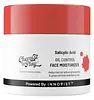
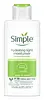
Chemist at Play Oil Control Face Moisturizer Versus Simple Skincare Kind To Skin Hydrating Light Moisturiser
This oil-control moisturizer is formulated around Niacinamide and Salicylic Acid to balance excess oil and refine the look of pores.
This barrier-repair moisturizer is formulated around Panthenol and Borago Officinalis Seed Oil to strengthen the skin barrier and hydrate skin.


What's inside
What's inside
 Key Ingredients
Benefits
Concerns
Ingredients Side-by-side
Water
Skin ConditioningNiacinamide
Smoothing











Propylene Glycol
Humectant


Cyclopentasiloxane
Emollient
Dimethicone/Vinyl Dimethicone Crosspolymer
Skin Conditioning
Coco-Caprylate/Caprate
Emollient
Propanediol
Solvent
Sodium Carbomer
Emulsion StabilisingSalicylic Acid
Masking



Dimethiconol
Emollient
Allantoin
Skin Conditioning
Azelaic Acid
Buffering
Cetearyl Olivate

Panthenol
Skin Conditioning
Sorbitan Olivate
Emulsifying
Tapioca Starch
Parfum
Masking

PEG/PPG-8/3 Laurate
EmulsifyingAcrylates/C10-30 Alkyl Acrylate Crosspolymer
Emulsion StabilisingBisabolol
Antioxidant
Zingiber Officinale Root Extract
Masking
Disodium EDTA
ChelatingSalix Alba Bark Extract
Astringent
Centella Asiatica Leaf Extract
Skin Conditioning
Sodium Hyaluronate
Humectant
Ceramide As
Skin Conditioning
Oryza Sativa Cera
Skin ConditioningPhospholipids
Skin Conditioning
Sphingolipids
Emollient
Triethylene Glycol
Masking
Sodium Hydroxide
BufferingPhenoxyethanol
Preservative
Polymethylsilsesquioxane
Hydrolyzed Adansonia Digitata Seed Extract
CI 15985
Cosmetic ColorantWater, Niacinamide, Propylene Glycol, Cyclopentasiloxane, Dimethicone/Vinyl Dimethicone Crosspolymer, Coco-Caprylate/Caprate, Propanediol, Sodium Carbomer, Salicylic Acid, Dimethiconol, Allantoin, Azelaic Acid, Cetearyl Olivate, Panthenol, Sorbitan Olivate, Tapioca Starch, Parfum, PEG/PPG-8/3 Laurate, Acrylates/C10-30 Alkyl Acrylate Crosspolymer, Bisabolol, Zingiber Officinale Root Extract, Disodium EDTA, Salix Alba Bark Extract, Centella Asiatica Leaf Extract, Sodium Hyaluronate, Ceramide As, Oryza Sativa Cera, Phospholipids, Sphingolipids, Triethylene Glycol, Sodium Hydroxide, Phenoxyethanol, Polymethylsilsesquioxane, Hydrolyzed Adansonia Digitata Seed Extract, CI 15985
Water
Skin ConditioningGlycerin
Humectant
Paraffinum Liquidum
Emollient

Polyglyceryl-3 Methylglucose Distearate
Emulsifying
Cetyl Palmitate
Emollient
Dimethicone
Emollient
Panthenol
Skin Conditioning
Tocopheryl Acetate
Antioxidant
Borago Officinalis Seed Oil
Emollient
Pantolactone
Humectant
Bisabolol
Antioxidant
Sodium Lactate
Buffering
Lactic Acid
Buffering
Serine
Masking
Urea
Buffering
Sorbitol
Humectant
Allantoin
Skin Conditioning
Sodium Chloride
MaskingPotassium Hydroxide
BufferingCarbomer
Emulsion StabilisingAcrylates/C10-30 Alkyl Acrylate Crosspolymer
Emulsion StabilisingCetyl Alcohol
Emollient
Pentylene Glycol
Skin Conditioning
Disodium EDTA
ChelatingMethylparaben
Preservative

Propylparaben
Preservative
2-Bromo-2-Nitropropane-1,3-Diol
Preservative
Mica
Cosmetic ColorantTitanium Dioxide
Cosmetic Colorant
Water, Glycerin, Paraffinum Liquidum, Polyglyceryl-3 Methylglucose Distearate, Cetyl Palmitate, Dimethicone, Panthenol, Tocopheryl Acetate, Borago Officinalis Seed Oil, Pantolactone, Bisabolol, Sodium Lactate, Lactic Acid, Serine, Urea, Sorbitol, Allantoin, Sodium Chloride, Potassium Hydroxide, Carbomer, Acrylates/C10-30 Alkyl Acrylate Crosspolymer, Cetyl Alcohol, Pentylene Glycol, Disodium EDTA, Methylparaben, Propylparaben, 2-Bromo-2-Nitropropane-1,3-Diol, Mica, Titanium Dioxide
Reviews
Ingredients Explained
These ingredients are found in both products.
Ingredients higher up in an ingredient list are typically present in a larger amount.
Acrylates/C10-30 Alkyl Acrylate Crosspolymer is a synthetic polymer. It is used to thicken, emulsify, and improve the texture of products.
As an emulsifier, it helps stabilize oil-in-water emulsions to give products an elegant feel when applied.
It can also form a thin protective film on skin. One study found that a formula using this polymer helped slow down how quickly other ingredients (like DEET) were absorbed through skin.
A 2024 study of over 1,300 patients confirmed that sensitization to this ingredient is rare. It is also non-mutagenic and has a clean track record.
Learn more about Acrylates/C10-30 Alkyl Acrylate CrosspolymerAllantoin is a soothing ingredient known for its protective and moisturizing properties; it's basically a quiet workhorse ingredient you can find in a huge range of cosmetics.
Though it can be derived from the comfrey plant, allantoin is produced synthetically for cosmetic products to ensure purity.
Research shows it can encourage your skin cells to turn over and renew by stimulating keratinocyte and fibroblast proliferation.
It also has mild keratolytic properties to help loosen and shed dead skin cells without being harsh.
Studies also suggest allantoin can help calm inflammation by dialing down some of the chemical signals your skin sends out when it is irritated.
This ingredient is typically used in the 0.1-0.5% range, and the FDA recognizes it as a skin protectant in OTC products up to 2%.
Overall, allantoin is a wonderful addition to most routines; it is stable across a wide pH range (~4-8), works well with other ingredients, and is considered non-sensitizing/non-irritating.
Fun fact: Allantoin is naturally occurring in comfrey root, beets, chamomile, and wheat sprouts. Our bodies even produce it as a byproduct of uric acid metabolism.
Learn more about AllantoinBisabolol is a gentle skin conditioner, antioxidant, and soothing ingredient.
It's primary claim to fame is soothing and research shows topically applied bisabolol can quiet the chemical messengers that cause your skin to become inflamed, helping to sooth any irritation.
A clinical study found that applying 0.5% bisabolol daily for 8 weeks produced an average 9% decrease in skin pigmentation. Researchers found it can also suppress the process that leads to excess melanin production in skin.
In vitro studies found that bisabolol combined with propylene glycol significantly increased skin permeability by increasing lipid fluidity in the stratum corneum.
You'll likely see use concentrations quite low, usually 0.1-0.2%.
Overall, this is a well-tolerated ingredient that works well in formulas designed for sensitive, reactive, or post-procedure skin.
Learn more about BisabololDisodium EDTA is a chelating agent. It grabs onto and deactivates metal ions that sneak into your products from water, packaging, or air.
This ingredient mainly works behind the scenes and helps with:
On top of that, this ingredient can counteract the effects of hard water by binding to the minerals in it.
One thing worth knowing is that Disodium EDTA has been shown to be a mild penetration enhancer. It can help other ingredients absorb into skin more effectively which can be a double-edged sword (great for actives, but can also make the active too strong if you have sensitive skin).
Clinical patch testing showed no significant skin irritation at typical use concentrations and minimal dermal absorption.
You'll most likely see this ingredient near the end of an ingredient list. It's typically found in concentrations less than 1%.
Learn more about Disodium EDTAPanthenol is a common ingredient that helps hydrate and soothe the skin. It is found naturally in our skin and hair.
There are two forms of panthenol: D and L.
D-panthenol is also known as dexpanthenol. Most cosmetics use dexpanthenol or a mixture of D and L-panthenol.
Panthenol is famous due to its ability to go deeper into the skin's layers. Using this ingredient has numerous pros (and no cons):
Like hyaluronic acid, panthenol is a humectant. Humectants are able to bind and hold large amounts of water to keep skin hydrated.
This ingredient works well for wound healing. It works by increasing tissue in the wound and helps close open wounds.
Once oxidized, panthenol converts to pantothenic acid. Panthothenic acid is found in all living cells.
This ingredient is also referred to as pro-vitamin B5.
Learn more about PanthenolWater. It's the most common cosmetic ingredient of all. You'll usually see it at the top of ingredient lists, meaning that it makes up the largest part of the product.
So why is it so popular? Water most often acts as a solvent - this means that it helps dissolve other ingredients into the formulation.
You'll also recognize water as that liquid we all need to stay alive. If you see this, drink a glass of water. Remember to stay hydrated!
Learn more about Water


