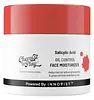
This oil-control moisturizer is formulated around Niacinamide and Salicylic Acid to balance excess oil and refine the look of pores.
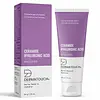
This barrier-repair moisturizer is formulated around Saccharide Isomerate and Sodium Hyaluronate to strengthen the skin barrier and hydrate skin.

What's inside
What's inside
 Key Ingredients
Benefits
Concerns
Ingredients Side-by-side
Water
Skin ConditioningNiacinamide
Smoothing











Propylene Glycol
Humectant


Cyclopentasiloxane
Emollient
Dimethicone/Vinyl Dimethicone Crosspolymer
Skin Conditioning
Coco-Caprylate/Caprate
Emollient
Propanediol
Solvent
Sodium Carbomer
Emulsion StabilisingSalicylic Acid
Masking



Dimethiconol
Emollient
Allantoin
Skin Conditioning
Azelaic Acid
Buffering
Cetearyl Olivate

Panthenol
Skin Conditioning
Sorbitan Olivate
Emulsifying
Tapioca Starch
Parfum
Masking

PEG/PPG-8/3 Laurate
EmulsifyingAcrylates/C10-30 Alkyl Acrylate Crosspolymer
Emulsion StabilisingBisabolol
Antioxidant
Zingiber Officinale Root Extract
Masking
Disodium EDTA
ChelatingSalix Alba Bark Extract
Astringent
Centella Asiatica Leaf Extract
Skin Conditioning
Sodium Hyaluronate
Humectant
Ceramide As
Skin Conditioning
Oryza Sativa Cera
Skin ConditioningPhospholipids
Skin Conditioning
Sphingolipids
Emollient
Triethylene Glycol
Masking
Sodium Hydroxide
BufferingPhenoxyethanol
Preservative
Polymethylsilsesquioxane
Hydrolyzed Adansonia Digitata Seed Extract
CI 15985
Cosmetic ColorantWater, Niacinamide, Propylene Glycol, Cyclopentasiloxane, Dimethicone/Vinyl Dimethicone Crosspolymer, Coco-Caprylate/Caprate, Propanediol, Sodium Carbomer, Salicylic Acid, Dimethiconol, Allantoin, Azelaic Acid, Cetearyl Olivate, Panthenol, Sorbitan Olivate, Tapioca Starch, Parfum, PEG/PPG-8/3 Laurate, Acrylates/C10-30 Alkyl Acrylate Crosspolymer, Bisabolol, Zingiber Officinale Root Extract, Disodium EDTA, Salix Alba Bark Extract, Centella Asiatica Leaf Extract, Sodium Hyaluronate, Ceramide As, Oryza Sativa Cera, Phospholipids, Sphingolipids, Triethylene Glycol, Sodium Hydroxide, Phenoxyethanol, Polymethylsilsesquioxane, Hydrolyzed Adansonia Digitata Seed Extract, CI 15985
Water
Skin ConditioningGlycerin
Humectant
Sodium Acrylate/Sodium Acryloyldimethyl Taurate Copolymer
Emulsion StabilisingHydrogenated Polydecene
EmollientTrideceth-6
EmulsifyingSorbitan Laurate
Emulsifying
Cetearyl Alcohol
Emollient


Caprylic/Capric Triglyceride
Masking
Saccharide Isomerate
Humectant
Citric Acid
Buffering
Sodium Citrate
BufferingBehenyl Alcohol
Emollient
Sorbitan Stearate
Emulsifying
Sucrose Cocoate
Emulsifying
Dicetyl Phosphate
EmulsifyingCeteth-10 Phosphate
CleansingCyclopentasiloxane
Emollient
Phenyl Trimethicone
Skin Conditioning
Dimethiconol
Emollient
C12-15 Alkyl Benzoate
AntimicrobialDimethicone Crosspolymer
Emulsion Stabilising
Phenoxyethanol
Preservative
Ethylhexylglycerin
Skin ConditioningAvena Sativa Kernel Flour
Abrasive
Sodium Hyaluronate
Humectant
Panthenol
Skin Conditioning
Laminaria Digitata Extract
Skin Protecting
Cetyl-Pg Hydroxyethyl Palmitamide
Skin ConditioningCeramide EOP
Skin Conditioning
Ceramide Ns
Skin Conditioning
Ceramide NP
Skin Conditioning
Ceramide AP
Skin Conditioning
Phytosterols
Skin Conditioning
Disodium EDTA
ChelatingPentaerythrityl Tetra-Di-T-Butyl Hydroxyhydrocinnamate
Antioxidant
Water, Glycerin, Sodium Acrylate/Sodium Acryloyldimethyl Taurate Copolymer, Hydrogenated Polydecene, Trideceth-6, Sorbitan Laurate, Cetearyl Alcohol, Caprylic/Capric Triglyceride, Saccharide Isomerate, Citric Acid, Sodium Citrate, Behenyl Alcohol, Sorbitan Stearate, Sucrose Cocoate, Dicetyl Phosphate, Ceteth-10 Phosphate, Cyclopentasiloxane, Phenyl Trimethicone, Dimethiconol, C12-15 Alkyl Benzoate, Dimethicone Crosspolymer, Phenoxyethanol, Ethylhexylglycerin, Avena Sativa Kernel Flour, Sodium Hyaluronate, Panthenol, Laminaria Digitata Extract, Cetyl-Pg Hydroxyethyl Palmitamide, Ceramide EOP, Ceramide Ns, Ceramide NP, Ceramide AP, Phytosterols, Disodium EDTA, Pentaerythrityl Tetra-Di-T-Butyl Hydroxyhydrocinnamate
Ingredients Explained
These ingredients are found in both products.
Ingredients higher up in an ingredient list are typically present in a larger amount.
Cyclopentasiloxane (D5) is a lightweight silicone that mostly acts as an emollient and solvent in cosmetics. Its the reason your products feel silky, fast-spreading, and non-greasy.
Since D5 is volatile, it does its thing and then evaporates off the skin quickly.
The safety profile of this ingredient is reassuring; the US CIR Expert Panel concluded D5 is safe as used in cosmetics and Health Canada concluded that D5 is not harmful to human health or the environment as currently used in cosmetics
There's a study that people mention about D5 in a rat study showing tumors. This study is related to long-term inhalation of high D5 levels.
Regulatory bodies have judged this study to be not applicable in topical skincare since skin absorption of D5 is very low and we're not really inhaling huge amounts of D5.
The only restriction for this ingredient is environmental. The European Chemicals Agency (ECHA) restricted D5 in wash-off cosmetics at or above 0.1% due to their persistence in water.
Learn more about CyclopentasiloxaneDimethiconol is a silicone that resembles the popular dimethicone. Like other silicones, it is an emollient. Emollients create a thin film on skin to prevent moisture from escaping.
This ingredient helps to create a silky texture and improve spreadability. Due to its high molecular weight and thickness, it is often combined with cyclopentasiloxane.
Disodium EDTA is a chelating agent. It grabs onto and deactivates metal ions that sneak into your products from water, packaging, or air.
This ingredient mainly works behind the scenes and helps with:
On top of that, this ingredient can counteract the effects of hard water by binding to the minerals in it.
One thing worth knowing is that Disodium EDTA has been shown to be a mild penetration enhancer. It can help other ingredients absorb into skin more effectively which can be a double-edged sword (great for actives, but can also make the active too strong if you have sensitive skin).
Clinical patch testing showed no significant skin irritation at typical use concentrations and minimal dermal absorption.
You'll most likely see this ingredient near the end of an ingredient list. It's typically found in concentrations less than 1%.
Learn more about Disodium EDTAPanthenol is a common ingredient that helps hydrate and soothe the skin. It is found naturally in our skin and hair.
There are two forms of panthenol: D and L.
D-panthenol is also known as dexpanthenol. Most cosmetics use dexpanthenol or a mixture of D and L-panthenol.
Panthenol is famous due to its ability to go deeper into the skin's layers. Using this ingredient has numerous pros (and no cons):
Like hyaluronic acid, panthenol is a humectant. Humectants are able to bind and hold large amounts of water to keep skin hydrated.
This ingredient works well for wound healing. It works by increasing tissue in the wound and helps close open wounds.
Once oxidized, panthenol converts to pantothenic acid. Panthothenic acid is found in all living cells.
This ingredient is also referred to as pro-vitamin B5.
Learn more about PanthenolPhenoxyethanol is one of the most widely used preservatives in skincare (and for good reason!).
It has a large spectrum of antimicrobial activity and especially effective bacteria, yeast, and mold while only having a weak effect on your skin's natural microbiome.
On a cellular level, it disrupts the cell membranes of microbes by poking holes that make the cell leak. This shuts down the chemical reactions the microbe needs to make energy so it can no longer survive.
Another perk of this ingredient is that it stays functional across a wide pH range (3-10).
You'll often see it paired with boosters like Ethylhexylglycerin; one study showed that a 1:9 ratio of Ethylhexylglycerin to Phenoxyethanol damages bacterial membranes as effectively as doubling the Phenoxyethanol concentration on its own.
Typical use concentrations range from 0.3-1% depending on the formula, and this ingredient is capped at 1% int the EU.
Safety-wise, the fear mongering does not hold up to the evidence. The EU's Scientific Committee on Consumer Safety and FDA consider it safe as a preservative at up to 1%, including for children of all ages.
Adverse systemic effects only showed up in animal studies at exposures roughly 200x higher than what people get from cosmetics. And despite its very widespread use, this ingredient is a rare sensitizer and allergic reactions are uncommon.
Learn more about PhenoxyethanolSodium Hyaluronate is the salt form of hyaluronic acid. It is a long sugar chain that is naturally found in your skin, joints, and connective tissue that maintains hydration and elasticity.
In skincare, it works as a humectant. It pulls water from the environment and deeper layers of skin and binds it to the surface.
Interestingly, the size of the molecule affects its behavior:
Some clinical evidence links low molecular weight versions to improved wrinkle depth, elasticity, anti-inflammatory effects, and barrier repair.
Many serums use a blend of both weights so you can get surface hydration plus longer-lasting and deeper effects.
You'll typically see concentrations between 0.1-2% for this ingredient.
Learn more about Sodium HyaluronateWater. It's the most common cosmetic ingredient of all. You'll usually see it at the top of ingredient lists, meaning that it makes up the largest part of the product.
So why is it so popular? Water most often acts as a solvent - this means that it helps dissolve other ingredients into the formulation.
You'll also recognize water as that liquid we all need to stay alive. If you see this, drink a glass of water. Remember to stay hydrated!
Learn more about Water


