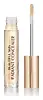
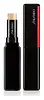
Charlotte Tilbury Beautiful Skin Radiant Concealer Versus Shiseido Synchro Skin Correcting Gelstick Concealer


What's inside
What's inside
 Key Ingredients
Benefits
Concerns
Ingredients Side-by-side
Water
Skin ConditioningDicaprylyl Ether
Emollient
Polyglyceryl-3 Polyricinoleate
Emulsifying
Glycerin
Humectant

Coco-Caprylate/Caprate
Emollient
Polyglyceryl-3 Diisostearate
Emulsifying

Niacinamide
Smoothing









Mica
Cosmetic ColorantHydrogenated Castor Oil
Emollient
Acacia Decurrens/Jojoba/Sunflower Seed Wax Polyglyceryl-3 Esters
EmollientCollagen
Moisturising
Magnesium Sulfate
Silica
Abrasive
Lauroyl Lysine
Skin Conditioning
Aluminum Hydroxide
EmollientSqualane
Emollient
Levulinic Acid
Perfuming
Sodium Dehydroacetate
Preservative
Sodium Levulinate
Skin ConditioningTocopherol
Antioxidant

Sodium Lauroyl Glutamate
Camellia Japonica Seed Oil
Emollient
Hydrolyzed Sodium Hyaluronate
Skin Conditioning
Helianthus Annuus Seed Oil
Emollient
Lysine
Skin ConditioningParfum
Masking


Magnesium Chloride
Sorbitol
Humectant
Propanediol
Solvent
Caprylic/Capric Triglyceride
Masking
Cetyl Palmitate
Emollient
1,2-Hexanediol
Skin Conditioning
Caprylyl Glycol
Emollient
Polysorbate 80
Emulsifying
Sorbitan Stearate
Emulsifying
Xanthan Gum
EmulsifyingSodium Benzoate
Masking
Citric Acid
Buffering
Hydrogenated Lecithin
Emulsifying
Ascorbic Acid
Antioxidant
Colloidal Gold
AntimicrobialGlutathione
Palmitoyl Tetrapeptide-10
Skin Conditioning
CI 77891
Cosmetic ColorantIron Oxides
Water, Dicaprylyl Ether, Polyglyceryl-3 Polyricinoleate, Glycerin, Coco-Caprylate/Caprate, Polyglyceryl-3 Diisostearate, Niacinamide, Mica, Hydrogenated Castor Oil, Acacia Decurrens/Jojoba/Sunflower Seed Wax Polyglyceryl-3 Esters, Collagen, Magnesium Sulfate, Silica, Lauroyl Lysine, Aluminum Hydroxide, Squalane, Levulinic Acid, Sodium Dehydroacetate, Sodium Levulinate, Tocopherol, Sodium Lauroyl Glutamate, Camellia Japonica Seed Oil, Hydrolyzed Sodium Hyaluronate, Helianthus Annuus Seed Oil, Lysine, Parfum, Magnesium Chloride, Sorbitol, Propanediol, Caprylic/Capric Triglyceride, Cetyl Palmitate, 1,2-Hexanediol, Caprylyl Glycol, Polysorbate 80, Sorbitan Stearate, Xanthan Gum, Sodium Benzoate, Citric Acid, Hydrogenated Lecithin, Ascorbic Acid, Colloidal Gold, Glutathione, Palmitoyl Tetrapeptide-10, CI 77891, Iron Oxides
Hydrogenated Polydecene
EmollientCI 77891
Cosmetic ColorantCI 77492
Cosmetic ColorantKaolin
Abrasive
Mica
Cosmetic ColorantCyclopentasiloxane
Emollient
Diphenylsiloxy Phenyl Trimethicone
Skin Conditioning
CI 77491
Cosmetic ColorantParaffin
Perfuming
Lithium Magnesium Sodium Silicate
AbsorbentSorbitan Sesquiisostearate
Emulsifying
Polyethylene
Abrasive
CI 77499
Cosmetic ColorantCI 77120
Cosmetic ColorantGlycerin
Humectant
Dimethicone/Vinyl Dimethicone Crosspolymer
Skin Conditioning
Copernicia Cerifera Wax
Microcrystalline Wax
Emulsion StabilisingWater
Skin ConditioningIsododecane
EmollientPhenoxyethanol
Preservative
PEG-10 Dimethicone
Skin Conditioning
Polysilicone-2
Hydrogenated Polyisobutene
EmollientAluminum Hydroxide
EmollientSynthetic Fluorphlogopite
Disteardimonium Hectorite
StabilisingEthylene/Propylene/Styrene Copolymer
Simethicone
Emollient
Butylene Glycol
Humectant
Propylene Carbonate
SolventTocopherol
Antioxidant
Agar
MaskingNacre Powder
Abrasive
Polymethylsilsesquioxane
Polyquaternium-51
Skin Conditioning
Stearic Acid
Cleansing
Triethoxysilylethyl Polydimethylsiloxyethyl Dimethicone
Skin Conditioning
Butylene/Ethylene/Styrene Copolymer
Thymus Serpyllum Extract
Skin ConditioningAlumina
Abrasive
Sericin
Skin ConditioningSodium Acetylated Hyaluronate
Humectant
BHT
Antioxidant
Citric Acid
Buffering
Potassium Sorbate
Preservative
Hydrogenated Polydecene, CI 77891, CI 77492, Kaolin, Mica, Cyclopentasiloxane, Diphenylsiloxy Phenyl Trimethicone, CI 77491, Paraffin, Lithium Magnesium Sodium Silicate, Sorbitan Sesquiisostearate, Polyethylene, CI 77499, CI 77120, Glycerin, Dimethicone/Vinyl Dimethicone Crosspolymer, Copernicia Cerifera Wax, Microcrystalline Wax, Water, Isododecane, Phenoxyethanol, PEG-10 Dimethicone, Polysilicone-2, Hydrogenated Polyisobutene, Aluminum Hydroxide, Synthetic Fluorphlogopite, Disteardimonium Hectorite, Ethylene/Propylene/Styrene Copolymer, Simethicone, Butylene Glycol, Propylene Carbonate, Tocopherol, Agar, Nacre Powder, Polymethylsilsesquioxane, Polyquaternium-51, Stearic Acid, Triethoxysilylethyl Polydimethylsiloxyethyl Dimethicone, Butylene/Ethylene/Styrene Copolymer, Thymus Serpyllum Extract, Alumina, Sericin, Sodium Acetylated Hyaluronate, BHT, Citric Acid, Potassium Sorbate
Ingredients Explained
These ingredients are found in both products.
Ingredients higher up in an ingredient list are typically present in a larger amount.
Aluminum Hydroxide is a form of aluminum. It can be naturally found in nature as the mineral gibbsite. In cosmetics, Aluminum Hydroxide is used as a colorant, pH adjuster, and absorbent.
As a colorant, Aluminum Hydroxide may add opacity, or reduce the transparency. Aluminum hydroxide is contains both basic and acidic properties.
According to manufacturers, this ingredient is an emollient and humectant. This means it helps hydrate the skin.
In medicine, this ingredient is used to help relieve heartburn and help heal ulcers.
There is currently no credible scientific evidence linking aluminum hydroxide in cosmetics to increased cancer risk.
Major health organizations allow the use of aluminum hydroxide in personal care products and have not flagged it as a carcinogenic risk at typical usage levels.
Learn more about Aluminum HydroxideCi 77891 is a white pigment from Titanium dioxide. It is naturally found in minerals such as rutile and ilmenite.
It's main function is to add a white color to cosmetics. It can also be mixed with other colors to create different shades.
Ci 77891 is commonly found in sunscreens due to its ability to block UV rays.
Learn more about CI 77891Citric Acid is an alpha hydroxy acid (AHA) naturally found in citrus fruits like oranges, lemons, and limes.
Like other AHAs, citric acid can exfoliate skin by breaking down the bonds that hold dead skin cells together. This helps reveal smoother and brighter skin underneath.
However, this exfoliating effect only happens at high concentrations (20%) which can be hard to find in cosmetic products.
Due to this, citric acid is usually included in small amounts as a pH adjuster. This helps keep products slightly more acidic and compatible with skin's natural pH.
In skincare formulas, citric acid can:
While it can provide some skin benefits, research shows lactic acid and glycolic acid are generally more effective and less irritating exfoliants.
Most citric acid used in skincare today is made by fermenting sugars (usually from molasses). This synthetic version is identical to the natural citrus form but easier to stabilize and use in formulations.
Read more about some other popular AHA's here:
Learn more about Citric AcidGlycerin (or glycerol) is a compound naturally found in your skin. It's a powerhouse humectant that pulls water into the stratum corneum.
Topically, glycerin does several things at once:
Your skin makes glycerin on its own (mostly from sebaceous oil breakdown) and shuttles it to your outermost layer of skin, or your epidermis, via aquaporin-3.
Aquaporin-3 is a transporter that is essential for normal skin hydration, elasticity, and repair. Interestingly, mice lacking in AQP3 have dry and less elastic skin that can be fully corrected with glycerin.
This ingredient is non-irritating, plays well with almost every ingredient, and works across all skin types. Typical use is anywhere between 3-10% but can go up to 79% in some leave-on products.
Just know very high concentrations (>40%) can feel tacky in low humidity.
Glycerin is the name for this ingredient in American English. British English uses Glycerol/Glycerine.
Learn more about GlycerinMica is a naturally occurring mineral used to add shimmer and color in cosmetics. It can also help improve the texture of a product or give it an opaque, white/silver color.
Serecite is the name for very fine but ragged grains of mica.
This ingredient is often coated with metal oxides like titanium dioxide. Trace amounts of heavy metals may be found in mica, but these metals are not harmful in our personal products.
Mica has been used since prehistoric times throughout the world. Ancient Egyptian, Indian, Greek, Roman, Aztec, and Chinese civilizations have used mica.
Learn more about MicaTocopherol is a fat-soluble antioxidant known as Vitamin E.
You'll find this ingredient in the vast majority of skincare (for good reason). It works to neutralize free radicals, or unstable molecules generated by UV exposure, pollution, and other environmental stressors, before they can cause oxidative damage to your skin cells.
Topically applied tocopherol has been shown to protect against UV damage by ramping up the skin's own natural defense enzymes.
It also acts as a skin conditioning agent; some studies show that regular topical use can improve the skin's water-binding capacity over 2-4 weeks.
This ingredient is especially loved for being a team player. When combined with Vitamin C, the photoprotective effect of both ingredients roughly doubles and the combo also helps reduce UV-induced DNA damage.
This ingredient has some brightening potential but it's more of a prevention ingredient than spot-fader. Cell studies show it can slow down melanin production but it's worth noting that it's not the most powerful brightener out there.
In formulations, it also serves as a stabilizer that helps protect other oxidation-prone ingredients from degrading.
Concentrations usually range from 0.1-1% in most leave-on products.
Learn more about TocopherolWater. It's the most common cosmetic ingredient of all. You'll usually see it at the top of ingredient lists, meaning that it makes up the largest part of the product.
So why is it so popular? Water most often acts as a solvent - this means that it helps dissolve other ingredients into the formulation.
You'll also recognize water as that liquid we all need to stay alive. If you see this, drink a glass of water. Remember to stay hydrated!
Learn more about Water
