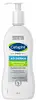
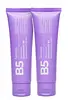
Cetaphil Pro Ad Derma Skin Restoring Moisturizer Versus Facetology Triple Care Ceramoist B5 Barrier Boost Cream


What's inside
What's inside
 Key Ingredients
Benefits
Concerns
Ingredients Side-by-side
Water
Skin ConditioningGlycerin
Humectant


Caprylic/Capric Triglyceride
Masking
Helianthus Annuus Seed Oil
Emollient


Pentylene Glycol
Skin Conditioning
Butyrospermum Parkii Butter
Skin Conditioning


Cyclopentasiloxane
Emollient
Cetearyl Alcohol
Emollient
Sorbitol
Humectant
Behenyl Alcohol
Emollient
Glyceryl Stearate
Emollient
Allantoin
Skin Conditioning

Arginine
Masking
Caprylyl Glycol
Emollient
Ceteareth-20
CleansingCetyl Alcohol
Emollient
Citric Acid
Buffering

Dimethiconol
Emollient
Disodium EDTA
Disodium Ethylene Dicocamide PEG-15 Disulfate
Cleansing
Glyceryl Stearate Citrate
Emollient
Hydroxypalmitoyl Sphinganine
Skin Conditioning
Niacinamide
Smoothing






Panthenol
Skin Conditioning
Sodium Hyaluronate
Humectant
Sodium PCA
Humectant
Sodium Polyacrylate
Absorbent
Tocopheryl Acetate
Antioxidant

Water, Glycerin, Caprylic/Capric Triglyceride, Helianthus Annuus Seed Oil, Pentylene Glycol, Butyrospermum Parkii Butter, Cyclopentasiloxane, Cetearyl Alcohol, Sorbitol, Behenyl Alcohol, Glyceryl Stearate, Allantoin, Arginine, Caprylyl Glycol, Ceteareth-20, Cetyl Alcohol, Citric Acid, Dimethiconol, Disodium EDTA, Disodium Ethylene Dicocamide PEG-15 Disulfate, Glyceryl Stearate Citrate, Hydroxypalmitoyl Sphinganine, Niacinamide, Panthenol, Sodium Hyaluronate, Sodium PCA, Sodium Polyacrylate, Tocopheryl Acetate
Water
Skin ConditioningCyclopentasiloxane
Emollient
Butylene Glycol
Humectant
Hydrogenated Polyisobutene
EmollientDimethicone
Emollient
Glycerin
Humectant
Aluminum Starch Octenylsuccinate
Absorbent
Butyrospermum Parkii Butter
Skin Conditioning
Panthenol
Skin Conditioning
Maris Aqua
HumectantCetyl PEG/PPG-10/1 Dimethicone
Emulsifying
Sodium Chloride
MaskingPhenoxyethanol
Preservative
Saccharide Isomerate
Humectant
Allantoin
Skin Conditioning
Titanium Dioxide
Cosmetic Colorant

Pentylene Glycol
Skin Conditioning
Pentaerythrityl Tetra-Di-T-Butyl Hydroxyhydrocinnamate
Antioxidant
Ceramide AP
Skin Conditioning
Ceramide As
Skin Conditioning
Ceramide EOP
Skin Conditioning
Ceramide NP
Skin Conditioning
Ceramide Ns
Skin Conditioning
Cetyl-Pg Hydroxyethyl Palmitamide
Skin ConditioningCholesterol
Emollient
Codium Tomentosum Extract
Skin ProtectingLaminaria Digitata Extract
Skin Protecting
Disodium EDTA
Trihydroxystearin
Skin Conditioning
Ethylhexylglycerin
Skin ConditioningSilica
Abrasive
1,2-Hexanediol
Skin Conditioning
Citric Acid
Buffering
Sodium Citrate
BufferingHydrogenated Lecithin
Emulsifying
Water, Cyclopentasiloxane, Butylene Glycol, Hydrogenated Polyisobutene, Dimethicone, Glycerin, Aluminum Starch Octenylsuccinate, Butyrospermum Parkii Butter, Panthenol, Maris Aqua, Cetyl PEG/PPG-10/1 Dimethicone, Sodium Chloride, Phenoxyethanol, Saccharide Isomerate, Allantoin, Titanium Dioxide, Pentylene Glycol, Pentaerythrityl Tetra-Di-T-Butyl Hydroxyhydrocinnamate, Ceramide AP, Ceramide As, Ceramide EOP, Ceramide NP, Ceramide Ns, Cetyl-Pg Hydroxyethyl Palmitamide, Cholesterol, Codium Tomentosum Extract, Laminaria Digitata Extract, Disodium EDTA, Trihydroxystearin, Ethylhexylglycerin, Silica, 1,2-Hexanediol, Citric Acid, Sodium Citrate, Hydrogenated Lecithin
Ingredients Explained
These ingredients are found in both products.
Ingredients higher up in an ingredient list are typically present in a larger amount.
Allantoin is a soothing ingredient known for its protective and moisturizing properties; it's basically a quiet workhorse ingredient you can find in a huge range of cosmetics.
Though it can be derived from the comfrey plant, allantoin is produced synthetically for cosmetic products to ensure purity.
Research shows it can encourage your skin cells to turn over and renew by stimulating keratinocyte and fibroblast proliferation.
It also has mild keratolytic properties to help loosen and shed dead skin cells without being harsh.
Studies also suggest allantoin can help calm inflammation by dialing down some of the chemical signals your skin sends out when it is irritated.
This ingredient is typically used in the 0.1-0.5% range, and the FDA recognizes it as a skin protectant in OTC products up to 2%.
Overall, allantoin is a wonderful addition to most routines; it is stable across a wide pH range (~4-8), works well with other ingredients, and is considered non-sensitizing/non-irritating.
Fun fact: Allantoin is naturally occurring in comfrey root, beets, chamomile, and wheat sprouts. Our bodies even produce it as a byproduct of uric acid metabolism.
Learn more about AllantoinThis ingredient is also known as shea butter. It is a plant-derived extract from the nuts of the Africa shea tree and one of the most well-studied emollients.
Because it has a high concentration of fatty acids (primarily oleic, stearic, and linoleic) it is able to form a protective barrier on the skin's surface. This helps seal in moisture and prevents transepidermal water loss (TEWL).
In vitro research found an increase in skin hydration by 58% and a decrease in TEWL by 37.8% after 24 hours of applying this ingredient (pretty impressive for a single ingredient!).
Besides hydration, shea butter also contains triterpenes that have anti-inflammatory potential. In particule, lupeol cinnamate has shown the highest anti-inflammatory activity in vivo.
Shea butter also contains vitamins A and E which may contribute to antioxidant activity.
While Shea Butter has an SPF rating of about 3-4, it is not a sunscreen replacement.
This ingredient may not be fungal acne safe because its fatty acids fall within the C11-C24 range that the Malassezia yeast can metabolize.
Learn more about Butyrospermum Parkii ButterCitric Acid is an alpha hydroxy acid (AHA) naturally found in citrus fruits like oranges, lemons, and limes.
Like other AHAs, citric acid can exfoliate skin by breaking down the bonds that hold dead skin cells together. This helps reveal smoother and brighter skin underneath.
However, this exfoliating effect only happens at high concentrations (20%) which can be hard to find in cosmetic products.
Due to this, citric acid is usually included in small amounts as a pH adjuster. This helps keep products slightly more acidic and compatible with skin's natural pH.
In skincare formulas, citric acid can:
While it can provide some skin benefits, research shows lactic acid and glycolic acid are generally more effective and less irritating exfoliants.
Most citric acid used in skincare today is made by fermenting sugars (usually from molasses). This synthetic version is identical to the natural citrus form but easier to stabilize and use in formulations.
Read more about some other popular AHA's here:
Learn more about Citric AcidCyclopentasiloxane (D5) is a lightweight silicone that mostly acts as an emollient and solvent in cosmetics. Its the reason your products feel silky, fast-spreading, and non-greasy.
Since D5 is volatile, it does its thing and then evaporates off the skin quickly.
The safety profile of this ingredient is reassuring; the US CIR Expert Panel concluded D5 is safe as used in cosmetics and Health Canada concluded that D5 is not harmful to human health or the environment as currently used in cosmetics
There's a study that people mention about D5 in a rat study showing tumors. This study is related to long-term inhalation of high D5 levels.
Regulatory bodies have judged this study to be not applicable in topical skincare since skin absorption of D5 is very low and we're not really inhaling huge amounts of D5.
The only restriction for this ingredient is environmental. The European Chemicals Agency (ECHA) restricted D5 in wash-off cosmetics at or above 0.1% due to their persistence in water.
Learn more about CyclopentasiloxaneDisodium EDTA is a chelating agent. It grabs onto and deactivates metal ions that sneak into your products from water, packaging, or air.
This ingredient mainly works behind the scenes and helps with:
On top of that, this ingredient can counteract the effects of hard water by binding to the minerals in it.
One thing worth knowing is that Disodium EDTA has been shown to be a mild penetration enhancer. It can help other ingredients absorb into skin more effectively which can be a double-edged sword (great for actives, but can also make the active too strong if you have sensitive skin).
Clinical patch testing showed no significant skin irritation at typical use concentrations and minimal dermal absorption.
You'll most likely see this ingredient near the end of an ingredient list. It's typically found in concentrations less than 1%.
Learn more about Disodium EDTAGlycerin (or glycerol) is a compound naturally found in your skin. It's a powerhouse humectant that pulls water into the stratum corneum.
Topically, glycerin does several things at once:
Your skin makes glycerin on its own (mostly from sebaceous oil breakdown) and shuttles it to your outermost layer of skin, or your epidermis, via aquaporin-3.
Aquaporin-3 is a transporter that is essential for normal skin hydration, elasticity, and repair. Interestingly, mice lacking in AQP3 have dry and less elastic skin that can be fully corrected with glycerin.
This ingredient is non-irritating, plays well with almost every ingredient, and works across all skin types. Typical use is anywhere between 3-10% but can go up to 79% in some leave-on products.
Just know very high concentrations (>40%) can feel tacky in low humidity.
Glycerin is the name for this ingredient in American English. British English uses Glycerol/Glycerine.
Learn more about GlycerinPanthenol is a common ingredient that helps hydrate and soothe the skin. It is found naturally in our skin and hair.
There are two forms of panthenol: D and L.
D-panthenol is also known as dexpanthenol. Most cosmetics use dexpanthenol or a mixture of D and L-panthenol.
Panthenol is famous due to its ability to go deeper into the skin's layers. Using this ingredient has numerous pros (and no cons):
Like hyaluronic acid, panthenol is a humectant. Humectants are able to bind and hold large amounts of water to keep skin hydrated.
This ingredient works well for wound healing. It works by increasing tissue in the wound and helps close open wounds.
Once oxidized, panthenol converts to pantothenic acid. Panthothenic acid is found in all living cells.
This ingredient is also referred to as pro-vitamin B5.
Learn more about PanthenolPentylene Glycol (1,2-pentanediol) is a multitasking little diol with three main roles in a formula:
Research on alkanediols (the family pentylene glycol belongs to) show they work by disrupting microbial cell membranes. This disruption helps the primary preservative system in a product work more effectively at lower doses.
On the safety side, the Cosmetic Ingredient Review Expert Panel has concluded this ingredient to be safe as used in current cosmetic practices + concentrations.
Typical use levels in a formula run about 1-5%.
Learn more about Pentylene GlycolWater. It's the most common cosmetic ingredient of all. You'll usually see it at the top of ingredient lists, meaning that it makes up the largest part of the product.
So why is it so popular? Water most often acts as a solvent - this means that it helps dissolve other ingredients into the formulation.
You'll also recognize water as that liquid we all need to stay alive. If you see this, drink a glass of water. Remember to stay hydrated!
Learn more about Water

