

What's inside
What's inside
 Key Ingredients
Benefits
Concerns
Ingredients Side-by-side
Water
Skin ConditioningGlycerin
Humectant



Caprylic/Capric Triglyceride
Masking
Helianthus Annuus Seed Oil
Emollient

Pentylene Glycol
Skin ConditioningButyrospermum Parkii Butter
Skin Conditioning

Cetearyl Alcohol
Emollient
Sorbitol
Humectant
Behenyl Alcohol
Emollient
Glyceryl Stearate
Emollient
Cyclopentasiloxane
Emollient
Tocopheryl Acetate
Antioxidant

Hydroxypalmitoyl Sphinganine
Skin Conditioning
Niacinamide
Smoothing







Allantoin
Skin Conditioning
Panthenol
Skin Conditioning
Arginine
Masking
Disodium Ethylene Dicocamide PEG-15 Disulfate
Cleansing
Glyceryl Stearate Citrate
Emollient
Sodium PCA
Humectant
Ceteareth-20
Cleansing
Sodium Polyacrylate
Absorbent
Caprylyl Glycol
Emollient
Citric Acid
Buffering


Dimethiconol
Emollient
Disodium EDTA
Sodium Hyaluronate
Humectant
Cetyl Alcohol
Emollient
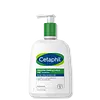
Water, Glycerin, Caprylic/Capric Triglyceride, Helianthus Annuus Seed Oil, Pentylene Glycol, Butyrospermum Parkii Butter, Cetearyl Alcohol, Sorbitol, Behenyl Alcohol, Glyceryl Stearate, Cyclopentasiloxane, Tocopheryl Acetate, Hydroxypalmitoyl Sphinganine, Niacinamide, Allantoin, Panthenol, Arginine, Disodium Ethylene Dicocamide PEG-15 Disulfate, Glyceryl Stearate Citrate, Sodium PCA, Ceteareth-20, Sodium Polyacrylate, Caprylyl Glycol, Citric Acid, Dimethiconol, Disodium EDTA, Sodium Hyaluronate, Cetyl Alcohol
Water
Skin ConditioningGlycerin
Humectant
Dipropylene Glycol
HumectantEthylhexyl Palmitate
Emollient
Methylpropanediol
SolventPolyglyceryl-3 Distearate
Emulsifying
Stearyl Alcohol
Emollient
1,2-Hexanediol
Skin Conditioning
Lonicera Japonica Flower Extract
Skin ConditioningSodium Hyaluronate
Humectant
Sodium Hyaluronate Crosspolymer
Humectant
Hydrolyzed Hyaluronic Acid
Humectant
Hyaluronic Acid
Humectant
Hydrolyzed Sodium Hyaluronate
Skin Conditioning
Hydroxypropyl Bispalmitamide Mea
Emollient
Helianthus Annuus Seed Oil
Emollient
Macadamia Ternifolia Seed Oil
Emollient
Butyrospermum Parkii Butter
Skin Conditioning
Palmitic Acid
Emollient
Sorbitan Stearate
Emulsifying
Squalane
Emollient
Caprylic/Capric Triglyceride
Masking
Olea Europaea Fruit Oil
Masking
Stearic Acid
Cleansing
Caprylyl Glycol
Emollient
Carbomer
Emulsion StabilisingGlyceryl Stearate Citrate
Emollient
Xanthan Gum
EmulsifyingMyristic Acid
Cleansing
Lauric Acid
Cleansing
Oleic Acid
Emollient
Butylene Glycol
Humectant
Pentylene Glycol
Skin ConditioningEthylhexylglycerin
Skin ConditioningTromethamine
BufferingDisodium EDTA
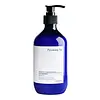
Water, Glycerin, Dipropylene Glycol, Ethylhexyl Palmitate, Methylpropanediol, Polyglyceryl-3 Distearate, Stearyl Alcohol, 1,2-Hexanediol, Lonicera Japonica Flower Extract, Sodium Hyaluronate, Sodium Hyaluronate Crosspolymer, Hydrolyzed Hyaluronic Acid, Hyaluronic Acid, Hydrolyzed Sodium Hyaluronate, Hydroxypropyl Bispalmitamide Mea, Helianthus Annuus Seed Oil, Macadamia Ternifolia Seed Oil, Butyrospermum Parkii Butter, Palmitic Acid, Sorbitan Stearate, Squalane, Caprylic/Capric Triglyceride, Olea Europaea Fruit Oil, Stearic Acid, Caprylyl Glycol, Carbomer, Glyceryl Stearate Citrate, Xanthan Gum, Myristic Acid, Lauric Acid, Oleic Acid, Butylene Glycol, Pentylene Glycol, Ethylhexylglycerin, Tromethamine, Disodium EDTA
Reviews
Ingredients Explained
These ingredients are found in both products.
Ingredients higher up in an ingredient list are typically present in a larger amount.
This ingredient is also known as shea butter. It is an effective skin hydrator and emollient.
Emollients help soothe and soften your skin. It does this by creating a protective film on your skin. This barrier helps trap moisture and keeps your skin hydrated. Emollients may be effective at treating dry or itchy skin.
Shea butter is rich in antioxidants. Antioxidants help fight free-radicals, or molecules that may harm the body. It is also full of fatty acids including stearic acid and linoleic acid. These acids help replenish the skin and keep skin moisturized.
While Shea Butter has an SPF rating of about 3-4, it is not a sunscreen replacement.
Shea butter may not be fungal acne safe. We recommend speaking with a professional if you have any concerns.
Learn more about Butyrospermum Parkii ButterThis ingredient is an emollient, solvent, and texture enhancer. It is considered a skin-softener by helping the skin prevent moisture loss.
It helps thicken a product's formula and makes it easier to spread by dissolving clumping compounds.
Caprylic Triglyceride is made by combining glycerin with coconut oil, forming a clear liquid.
While there is an assumption Caprylic Triglyceride can clog pores due to it being derived from coconut oil, there is no research supporting this.
Learn more about Caprylic/Capric TriglycerideCaprylyl Glycol is a humectant and emollient, meaning it attracts and preserves moisture.
It is a common ingredient in many products, especially those designed to hydrate skin. The primary benefits are retaining moisture, skin softening, and promoting a healthy skin barrier.
Though Caprylyl Glycol is an alcohol derived from fatty acids, it is not the kind that can dry out skin.
This ingredient is also used as a preservative to extend the life of products. It has slight antimicrobial properties.
Learn more about Caprylyl GlycolDisodium EDTA plays a role in making products more stable by aiding other preservatives.
It is a chelating agent, meaning it neutralizes metal ions that may be found in a product.
Disodium EDTA is a salt of edetic acid and is found to be safe in cosmetic ingredients.
Learn more about Disodium EDTAGlycerin is already naturally found in your skin. It helps moisturize and protect your skin.
A study from 2016 found glycerin to be more effective as a humectant than AHAs and hyaluronic acid.
As a humectant, it helps the skin stay hydrated by pulling moisture to your skin. The low molecular weight of glycerin allows it to pull moisture into the deeper layers of your skin.
Hydrated skin improves your skin barrier; Your skin barrier helps protect against irritants and bacteria.
Glycerin has also been found to have antimicrobial and antiviral properties. Due to these properties, glycerin is often used in wound and burn treatments.
In cosmetics, glycerin is usually derived from plants such as soybean or palm. However, it can also be sourced from animals, such as tallow or animal fat.
This ingredient is organic, colorless, odorless, and non-toxic.
Glycerin is the name for this ingredient in American English. British English uses Glycerol/Glycerine.
Learn more about GlycerinGlyceryl Stearate Citrate is a citric acid ester of glyceryl stearate.
It is an emulsifier, emollient, and a surfactant.
Emulsifiers help stabilize a product. It does this by preventing certain ingredients from separating. Common ingredients include oils and water, which do not mix naturally. Emulsifiers have properties that help keep ingredients such as these together.
Emollients help soothe and soften the skin. They do this by creating a protective film on your skin. This barrier helps trap moisture and keeps your skin hydrated. Emollients may be effective at treating dry or itchy skin.
Surfactants help gather oils, dirt, and other pollutants from the skin. This helps them to be easily rinsed away.
Learn more about Glyceryl Stearate CitrateHelianthus Annuus Seed Oil is the oil derived from the seeds of a Sunflower. Sunflower seed oil is non-fragrant. It is an emollient, meaning it helps to soften the skin.
Sunflower seed oil contains many fatty acids. The fatty acids found in sunflower seeds include (from highest amount to least): linoleic acid, myristic acid, palmitic acid, stearic acid, arachidic acid, oleic acid, and linolenic acid.
These fatty acids help the skin create ceramides. Ceramides play a role in repairing the skin barrier.
Helianthus Annuus Seed Oil helps moisturize the skin. This in turn helps the skin look more rejuvenated and smoother.
Sunflowers are rich in vitamin E.
Historians believe Indigenous cultures of North America domesticated sunflowers before corn. Thus they relied on sunflower oil for a variety of uses. One such use is moisturizing skin and hair.
Sunflower seed oil may not be fungal acne safe. We recommend speaking with a professional if you have any concerns.
Learn more about Helianthus Annuus Seed OilPentylene glycol is typically used within a product to thicken it. It also adds a smooth, soft, and moisturizing feel to the product. It is naturally found in plants such as sugar beets.
The hydrophilic trait of Pentylene Glycol makes it a humectant. As a humectant, Pentylene Glycol helps draw moisture from the air to your skin. This can help keep your skin hydrated.
This property also makes Pentylene Glycol a great texture enhancer. It can also help thicken or stabilize a product.
Pentylene Glycol also acts as a mild preservative and helps to keep a product microbe-free.
Some people may experience mild eye and skin irritation from Pentylene Glycol. We always recommend speaking with a professional about using this ingredient in your routine.
Pentylene Glycol has a low molecular weight and is part of the 1,2-glycol family.
Learn more about Pentylene GlycolSodium Hyaluronate is hyaluronic acid's salt form. It is commonly derived from the sodium salt of hyaluronic acid.
Like hyaluronic acid, it is great at holding water and acts as a humectant. This makes it a great skin hydrating ingredient.
Sodium Hyaluronate is naturally occurring in our bodies and is mostly found in eye fluid and joints.
These are some other common types of Hyaluronic Acid:
Learn more about Sodium HyaluronateWater. It's the most common cosmetic ingredient of all. You'll usually see it at the top of ingredient lists, meaning that it makes up the largest part of the product.
So why is it so popular? Water most often acts as a solvent - this means that it helps dissolve other ingredients into the formulation.
You'll also recognize water as that liquid we all need to stay alive. If you see this, drink a glass of water. Stay hydrated!
Learn more about Water
