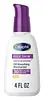
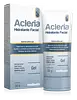
Cetaphil Dermacontrol Oil Absorbing Moisturizer SPF 30 - Sensitive & Oily Skin Versus Medihealth Acleria Facial Moisturizer
This oil-control day moisturizer is formulated around Allantoin and Aluminum Starch Octenylsuccinate to balance excess oil and calm redness.
This acne moisturizer is formulated around Galactoarabinan and Glycolic Acid to clear breakouts and refine skin texture.


What's inside
What's inside
 Key Ingredients
Benefits
Concerns
Ingredients Side-by-side
Butyl Methoxydibenzoylmethane 3%
UV Absorber
Ethylhexyl Salicylate 5%
UV Absorber
Octocrylene 7%
UV Absorber

Allantoin
Skin Conditioning




Aluminum Starch Octenylsuccinate
Absorbent
Caprylyl Glycol
Emollient
Carbomer
Emulsion StabilisingCeramide NP
Skin Conditioning

Diisopropyl Sebacate
EmollientDimethicone
Emollient
Dimethiconol
Emollient
Disodium EDTA
ChelatingGlycerin
Humectant
Glycyrrhetinic Acid
Skin Conditioning
Isopropyl Lauroyl Sarcosinate
Skin ConditioningPanthenol
Skin Conditioning
Pentylene Glycol
Skin Conditioning
Phenoxyethanol
Preservative
Polymethyl Methacrylate
Polysorbate 61
Emulsifying

Potassium Sorbate
Preservative
Silica
Abrasive

Sodium Stearoyl Glutamate
CleansingSucrose Tristearate
Emollient
Tocopheryl Acetate
Antioxidant


Triethanolamine
BufferingWater
Skin ConditioningXanthan Gum
EmulsifyingZinc Gluconate
Skin Conditioning

Butyl Methoxydibenzoylmethane 3%, Ethylhexyl Salicylate 5%, Octocrylene 7%, Allantoin, Aluminum Starch Octenylsuccinate, Caprylyl Glycol, Carbomer, Ceramide NP, Diisopropyl Sebacate, Dimethicone, Dimethiconol, Disodium EDTA, Glycerin, Glycyrrhetinic Acid, Isopropyl Lauroyl Sarcosinate, Panthenol, Pentylene Glycol, Phenoxyethanol, Polymethyl Methacrylate, Polysorbate 61, Potassium Sorbate, Silica, Sodium Stearoyl Glutamate, Sucrose Tristearate, Tocopheryl Acetate, Triethanolamine, Water, Xanthan Gum, Zinc Gluconate
Water
Skin ConditioningGlycerin
Humectant
Galactoarabinan
Phenoxyethanol
Preservative
Potassium Sorbate
Preservative
Sodium Acrylates Crosspolymer-2
AbsorbentLecithin
Emollient
Pentylene Glycol
Skin Conditioning
Tocopherol
Antioxidant
Sodium Hydroxide
BufferingIsostearyl Isostearate
Emollient

Isopentyldiol
Humectant
Glycolic Acid
Buffering

Lactic Acid
Buffering
Sodium Magnesium Silicate
Citric Acid
Buffering
Xanthan Gum
EmulsifyingHydrolyzed Wheat Protein
Skin ConditioningZinc Chloride
AntimicrobialCinnamomum Zeylanicum Bark Extract
Antimicrobial
Thymus Vulgaris Extract
Perfuming
Malva Sylvestris Flower/Leaf/Stem Extract
Skin ConditioningHamamelis Virginiana Extract
Antiseborrhoeic
Benzyl Alcohol
Perfuming


Dehydroacetic Acid
Preservative
Lactobacillus Ferment Lysate
Skin Conditioning
Sodium Benzoate
Masking
Aloe Barbadensis Leaf Juice
Skin Conditioning
Butylene Glycol
Humectant
Hyaluronic Acid
Humectant
Silanetriol
Sorbic Acid
Preservative
Hydroxyethyl Acrylate/Sodium Acryloyldimethyl Taurate Copolymer
Emulsion StabilisingPolysorbate 80
Emulsifying
Sorbitan Isostearate
Emulsifying
Hydroxyacetophenone
Antioxidant
Methyl Gluceth-20
Humectant
Caprylic/Capric Triglyceride
Masking
Morinda Citrifolia Callus Culture Lysate
Skin ConditioningZinc PCA
Humectant
Ganoderma Lucidum Extract
Skin Protecting
Propanediol
Solvent
1,2-Hexanediol
Skin Conditioning
Caprylyl Glycol
Emollient
Silica
Abrasive
Polyacrylate Crosspolymer-6
Emulsion StabilisingT-Butyl Alcohol
Perfuming
Hydroxyphenyl Propamidobenzoic Acid
Skin ConditioningAscorbyl Palmitate
Antioxidant
Panthenol
Skin Conditioning
Maltodextrin
Absorbent
Bixa Orellana Seed Extract
MaskingTitanium Dioxide
Cosmetic Colorant
Mica
Cosmetic ColorantTin Oxide
Abrasive
Disodium EDTA
ChelatingParfum
Masking
Water, Glycerin, Galactoarabinan, Phenoxyethanol, Potassium Sorbate, Sodium Acrylates Crosspolymer-2, Lecithin, Pentylene Glycol, Tocopherol, Sodium Hydroxide, Isostearyl Isostearate, Isopentyldiol, Glycolic Acid, Lactic Acid, Sodium Magnesium Silicate, Citric Acid, Xanthan Gum, Hydrolyzed Wheat Protein, Zinc Chloride, Cinnamomum Zeylanicum Bark Extract, Thymus Vulgaris Extract, Malva Sylvestris Flower/Leaf/Stem Extract, Hamamelis Virginiana Extract, Benzyl Alcohol, Dehydroacetic Acid, Lactobacillus Ferment Lysate, Sodium Benzoate, Aloe Barbadensis Leaf Juice, Butylene Glycol, Hyaluronic Acid, Silanetriol, Sorbic Acid, Hydroxyethyl Acrylate/Sodium Acryloyldimethyl Taurate Copolymer, Polysorbate 80, Sorbitan Isostearate, Hydroxyacetophenone, Methyl Gluceth-20, Caprylic/Capric Triglyceride, Morinda Citrifolia Callus Culture Lysate, Zinc PCA, Ganoderma Lucidum Extract, Propanediol, 1,2-Hexanediol, Caprylyl Glycol, Silica, Polyacrylate Crosspolymer-6, T-Butyl Alcohol, Hydroxyphenyl Propamidobenzoic Acid, Ascorbyl Palmitate, Panthenol, Maltodextrin, Bixa Orellana Seed Extract, Titanium Dioxide, Mica, Tin Oxide, Disodium EDTA, Parfum
Reviews
Ingredients Explained
These ingredients are found in both products.
Ingredients higher up in an ingredient list are typically present in a larger amount.
Caprylyl Glycol is a humectant, skin conditioner, emollient, and preservative booster derived from either caprylic acid or synthetically created.
Typical use levels vary from 0.3-1% as a preservative booster and go up to 2% to condition skin.
Because it is not a free-fatty acid, this ingredient is fungal acne safe (there's nothing for Malassezia to feed on).
Learn more about Caprylyl GlycolDisodium EDTA is a chelating agent. It grabs onto and deactivates metal ions that sneak into your products from water, packaging, or air.
This ingredient mainly works behind the scenes and helps with:
On top of that, this ingredient can counteract the effects of hard water by binding to the minerals in it.
One thing worth knowing is that Disodium EDTA has been shown to be a mild penetration enhancer. It can help other ingredients absorb into skin more effectively which can be a double-edged sword (great for actives, but can also make the active too strong if you have sensitive skin).
Clinical patch testing showed no significant skin irritation at typical use concentrations and minimal dermal absorption.
You'll most likely see this ingredient near the end of an ingredient list. It's typically found in concentrations less than 1%.
Learn more about Disodium EDTAGlycerin (or glycerol) is a compound naturally found in your skin. It's a powerhouse humectant that pulls water into the stratum corneum.
Topically, glycerin does several things at once:
Your skin makes glycerin on its own (mostly from sebaceous oil breakdown) and shuttles it to your outermost layer of skin, or your epidermis, via aquaporin-3.
Aquaporin-3 is a transporter that is essential for normal skin hydration, elasticity, and repair. Interestingly, mice lacking in AQP3 have dry and less elastic skin that can be fully corrected with glycerin.
This ingredient is non-irritating, plays well with almost every ingredient, and works across all skin types. Typical use is anywhere between 3-10% but can go up to 79% in some leave-on products.
Just know very high concentrations (>40%) can feel tacky in low humidity.
Glycerin is the name for this ingredient in American English. British English uses Glycerol/Glycerine.
Learn more about GlycerinPanthenol is a common ingredient that helps hydrate and soothe the skin. It is found naturally in our skin and hair.
There are two forms of panthenol: D and L.
D-panthenol is also known as dexpanthenol. Most cosmetics use dexpanthenol or a mixture of D and L-panthenol.
Panthenol is famous due to its ability to go deeper into the skin's layers. Using this ingredient has numerous pros (and no cons):
Like hyaluronic acid, panthenol is a humectant. Humectants are able to bind and hold large amounts of water to keep skin hydrated.
This ingredient works well for wound healing. It works by increasing tissue in the wound and helps close open wounds.
Once oxidized, panthenol converts to pantothenic acid. Panthothenic acid is found in all living cells.
This ingredient is also referred to as pro-vitamin B5.
Learn more about PanthenolPentylene Glycol (1,2-pentanediol) is a multitasking little diol with three main roles in a formula:
Research on alkanediols (the family pentylene glycol belongs to) show they work by disrupting microbial cell membranes. This disruption helps the primary preservative system in a product work more effectively at lower doses.
On the safety side, the Cosmetic Ingredient Review Expert Panel has concluded this ingredient to be safe as used in current cosmetic practices + concentrations.
Typical use levels in a formula run about 1-5%.
Learn more about Pentylene GlycolPhenoxyethanol is one of the most widely used preservatives in skincare (and for good reason!).
It has a large spectrum of antimicrobial activity and especially effective bacteria, yeast, and mold while only having a weak effect on your skin's natural microbiome.
On a cellular level, it disrupts the cell membranes of microbes by poking holes that make the cell leak. This shuts down the chemical reactions the microbe needs to make energy so it can no longer survive.
Another perk of this ingredient is that it stays functional across a wide pH range (3-10).
You'll often see it paired with boosters like Ethylhexylglycerin; one study showed that a 1:9 ratio of Ethylhexylglycerin to Phenoxyethanol damages bacterial membranes as effectively as doubling the Phenoxyethanol concentration on its own.
Typical use concentrations range from 0.3-1% depending on the formula, and this ingredient is capped at 1% int the EU.
Safety-wise, the fear mongering does not hold up to the evidence. The EU's Scientific Committee on Consumer Safety and FDA consider it safe as a preservative at up to 1%, including for children of all ages.
Adverse systemic effects only showed up in animal studies at exposures roughly 200x higher than what people get from cosmetics. And despite its very widespread use, this ingredient is a rare sensitizer and allergic reactions are uncommon.
Learn more about PhenoxyethanolPotassium Sorbate is a preservative used to prevent yeast and mold in products. It is commonly found in both cosmetic and food products.
This ingredient comes from potassium salt derived from sorbic acid. Sorbic acid is a natural antibiotic and effective against fungus.
Both potassium sorbate and sorbic acid can be found in baked goods, cheeses, dried meats, dried fruit, ice cream, pickles, wine, yogurt, and more.
You'll often find this ingredient used with other preservatives.
Learn more about Potassium SorbateSilica, also known as silicon dioxide, is a naturally occurring mineral. It is used as a fine, spherical, and porous powder in cosmetics.
Though it has exfoliant properties, the function of silica varies depending on the product.
The unique structure of silica enhances the spreadability and adds smoothness, making it a great texture enhancer.
It is also used as an active carrier, emulsifier, and mattifier due to its ability to absorb excess oil.
In some products, tiny microneedles called spicules are made from silica or hydrolyzed sponge. When you rub them in, they lightly polish away dead skin layers and enhance the penetration of active ingredients.
Learn more about SilicaWater. It's the most common cosmetic ingredient of all. You'll usually see it at the top of ingredient lists, meaning that it makes up the largest part of the product.
So why is it so popular? Water most often acts as a solvent - this means that it helps dissolve other ingredients into the formulation.
You'll also recognize water as that liquid we all need to stay alive. If you see this, drink a glass of water. Remember to stay hydrated!
Learn more about WaterXanthan gum is used as a stabilizer and thickener within cosmetic products. It helps give products a sticky, thick feeling - preventing them from being too runny.
On the technical side of things, xanthan gum is a polysaccharide - a combination consisting of multiple sugar molecules bonded together.
Xanthan gum is a pretty common and great ingredient. It is a natural, non-toxic, non-irritating ingredient that is also commonly used in food products.
Learn more about Xanthan Gum

