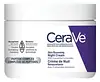
This barrier-repair night moisturizer is formulated around Ceramide NP and Niacinamide to strengthen the skin barrier and soften the look of wrinkles.
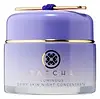
This barrier-repair night moisturizer is formulated around Squalane and Panax Ginseng Root Extract to strengthen the skin barrier and hydrate skin.

What's inside
What's inside
 Key Ingredients
Benefits
Concerns
Ingredients Side-by-side
Water
Skin ConditioningGlycerin
Humectant


Caprylic/Capric Triglyceride
Masking
Butyrospermum Parkii Butter
Skin Conditioning




Dimethicone/Vinyl Dimethicone Crosspolymer
Skin Conditioning
Cyclopentasiloxane
Emollient
Glyceryl Stearate Se
Emulsifying
Cetyl Alcohol
Emollient
Dimethicone
Emollient
Saccharide Isomerate
Humectant
Stearic Acid
Cleansing
Palmitic Acid
Emollient
Glycine Soja Sterols
Emollient
Allantoin
Skin Conditioning
Ceramide NP
Skin Conditioning

Ceramide AP
Skin Conditioning
Ceramide EOP
Skin Conditioning
Carbomer
Emulsion StabilisingNiacinamide
Smoothing






Cetearyl Alcohol
Emollient
Behentrimonium Methosulfate
SurfactantSodium Hydroxide
BufferingMyristic Acid
Cleansing
Sodium Lauroyl Lactylate
EmulsifyingSodium Benzoate
Masking
Sodium Citrate
BufferingSodium Hyaluronate
Humectant
Cholesterol
Emollient
Phenoxyethanol
Preservative
Tocopherol
Antioxidant

Tripeptide-1
Skin Conditioning
Laureth-9
EmulsifyingCitric Acid
Buffering
Caprooyl Tetrapeptide-3
Skin Protecting
Biosaccharide Gum-1
Humectant
Phytosphingosine
Skin Conditioning
Xanthan Gum
EmulsifyingDextran
Ethylhexylglycerin
Skin ConditioningButylene Glycol
Humectant
Water, Glycerin, Caprylic/Capric Triglyceride, Butyrospermum Parkii Butter, Dimethicone/Vinyl Dimethicone Crosspolymer, Cyclopentasiloxane, Glyceryl Stearate Se, Cetyl Alcohol, Dimethicone, Saccharide Isomerate, Stearic Acid, Palmitic Acid, Glycine Soja Sterols, Allantoin, Ceramide NP, Ceramide AP, Ceramide EOP, Carbomer, Niacinamide, Cetearyl Alcohol, Behentrimonium Methosulfate, Sodium Hydroxide, Myristic Acid, Sodium Lauroyl Lactylate, Sodium Benzoate, Sodium Citrate, Sodium Hyaluronate, Cholesterol, Phenoxyethanol, Tocopherol, Tripeptide-1, Laureth-9, Citric Acid, Caprooyl Tetrapeptide-3, Biosaccharide Gum-1, Phytosphingosine, Xanthan Gum, Dextran, Ethylhexylglycerin, Butylene Glycol
Water
Skin ConditioningGlycerin
Humectant
Propanediol
Solvent
Squalane
Emollient
Cyclopentasiloxane
Emollient
Triethylhexanoin
MaskingPanax Ginseng Root Extract
Emollient
Origanum Majorana Leaf Extract
AntiseborrhoeicZiziphus Jujuba Fruit Extract
Skin ConditioningThymus Serpyllum Extract
Skin ConditioningRoyal Jelly Extract
Skin Conditioning
Stearyl Glycyrrhetinate
Skin ConditioningCamellia Sinensis Leaf Extract
Antimicrobial
Algae Extract
Emollient
Scutellaria Baicalensis Root Extract
Astringent
Oryza Sativa Germ Oil
Emollient
Camellia Japonica Seed Oil
Emollient
Sericin
Skin ConditioningInositol
Humectant
Glyceryl Stearate Se
Emulsifying
Polyglyceryl-2 Diisostearate
Emulsifying
PPG-5-Ceteth-10 Phosphate
Emulsifying
Sodium Lauroyl Lactylate
EmulsifyingSorbitan Stearate
Emulsifying
Trideceth-12
EmulsifyingEthylhexylglycerin
Skin ConditioningPEG-240/Hdi Copolymer Bis-Decyltetradeceth-20 Ether
StabilisingButylene Glycol
Humectant
Behenyl Alcohol
Emollient
Parfum
Masking


Alcohol
Antimicrobial

Phenoxyethanol
Preservative
Water, Glycerin, Propanediol, Squalane, Cyclopentasiloxane, Triethylhexanoin, Panax Ginseng Root Extract, Origanum Majorana Leaf Extract, Ziziphus Jujuba Fruit Extract, Thymus Serpyllum Extract, Royal Jelly Extract, Stearyl Glycyrrhetinate, Camellia Sinensis Leaf Extract, Algae Extract, Scutellaria Baicalensis Root Extract, Oryza Sativa Germ Oil, Camellia Japonica Seed Oil, Sericin, Inositol, Glyceryl Stearate Se, Polyglyceryl-2 Diisostearate, PPG-5-Ceteth-10 Phosphate, Sodium Lauroyl Lactylate, Sorbitan Stearate, Trideceth-12, Ethylhexylglycerin, PEG-240/Hdi Copolymer Bis-Decyltetradeceth-20 Ether, Butylene Glycol, Behenyl Alcohol, Parfum, Alcohol, Phenoxyethanol
Reviews
Ingredients Explained
These ingredients are found in both products.
Ingredients higher up in an ingredient list are typically present in a larger amount.
Butylene Glycol (or BG) is used within cosmetic products for a few different reasons:
Overall, Butylene Glycol is a safe and well-rounded ingredient that works well with other ingredients.
Though this ingredient works well with most skin types, some people with sensitive skin may experience a reaction such as allergic rashes, closed comedones, or itchiness.
Learn more about Butylene GlycolCyclopentasiloxane (D5) is a lightweight silicone that mostly acts as an emollient and solvent in cosmetics. Its the reason your products feel silky, fast-spreading, and non-greasy.
Since D5 is volatile, it does its thing and then evaporates off the skin quickly.
The safety profile of this ingredient is reassuring; the US CIR Expert Panel concluded D5 is safe as used in cosmetics and Health Canada concluded that D5 is not harmful to human health or the environment as currently used in cosmetics
There's a study that people mention about D5 in a rat study showing tumors. This study is related to long-term inhalation of high D5 levels.
Regulatory bodies have judged this study to be not applicable in topical skincare since skin absorption of D5 is very low and we're not really inhaling huge amounts of D5.
The only restriction for this ingredient is environmental. The European Chemicals Agency (ECHA) restricted D5 in wash-off cosmetics at or above 0.1% due to their persistence in water.
Learn more about CyclopentasiloxaneEthylhexylglycerin is created from glycerin. It is a multitasker ingredient that:
The CIR Expert Panel found minimal skin absorption or sensitization of any kind in a safety assessment. Though this ingredient is considered well-tolerated, a small number of cases of allergic dermatitis have been published since 2002. Just be sure to patch test if you are unsure.
Industry-reported use ranges from 8% in rinse-off products and 2% in leave-on formulations.
Learn more about EthylhexylglycerinGlycerin (or glycerol) is a compound naturally found in your skin. It's a powerhouse humectant that pulls water into the stratum corneum.
Topically, glycerin does several things at once:
Your skin makes glycerin on its own (mostly from sebaceous oil breakdown) and shuttles it to your outermost layer of skin, or your epidermis, via aquaporin-3.
Aquaporin-3 is a transporter that is essential for normal skin hydration, elasticity, and repair. Interestingly, mice lacking in AQP3 have dry and less elastic skin that can be fully corrected with glycerin.
This ingredient is non-irritating, plays well with almost every ingredient, and works across all skin types. Typical use is anywhere between 3-10% but can go up to 79% in some leave-on products.
Just know very high concentrations (>40%) can feel tacky in low humidity.
Glycerin is the name for this ingredient in American English. British English uses Glycerol/Glycerine.
Learn more about GlycerinGlyceryl Stearate SE is a self-emulsifying (SE) form of Glyceryl Stearate. It comes with a small amount of soap (usually potassium or sodium stearate) that gives it the "SE" part.
That soap lets it pull oil and water together on its own which is why it shows up as an emulsifier, thickener, and emollient.
Industry survey data shows this ingredient is used around 1-5% but Glyceryl Stearate goes as high at 17% in a leave-on deodorant.
Safety-wise, it's pretty boring: it's been deemed safe for topical use in 1982 and again most recently in 2021 by the CIR. Human repeat insult patch tests come back non-irritating, non-sensitizing, non-phototoxic, and non-photoallergenic.
This ingredient does carry a comedogenic rating of 3 from the old rabbit-ear assay. Just remember testing finished products in humans showed that formulas built with "comedogenic" ingredients are not necessarily comedogenic themselves. It's worth patch testing if you're breakout prone, and always listen to your skin.
The Malassezia yeast can potentially metabolize the stearic acid in this ingredient, so it may not be fungal acne safe.
Allergy is rare: a 310-patient patch test study of common emulsifiers found this ingredient was not a meaningful reactor. Isolated case reports do exist so a true contact allergy is possible but uncommon.
Learn more about Glyceryl Stearate SePhenoxyethanol is one of the most widely used preservatives in skincare (and for good reason!).
It has a large spectrum of antimicrobial activity and especially effective bacteria, yeast, and mold while only having a weak effect on your skin's natural microbiome.
On a cellular level, it disrupts the cell membranes of microbes by poking holes that make the cell leak. This shuts down the chemical reactions the microbe needs to make energy so it can no longer survive.
Another perk of this ingredient is that it stays functional across a wide pH range (3-10).
You'll often see it paired with boosters like Ethylhexylglycerin; one study showed that a 1:9 ratio of Ethylhexylglycerin to Phenoxyethanol damages bacterial membranes as effectively as doubling the Phenoxyethanol concentration on its own.
Typical use concentrations range from 0.3-1% depending on the formula, and this ingredient is capped at 1% int the EU.
Safety-wise, the fear mongering does not hold up to the evidence. The EU's Scientific Committee on Consumer Safety and FDA consider it safe as a preservative at up to 1%, including for children of all ages.
Adverse systemic effects only showed up in animal studies at exposures roughly 200x higher than what people get from cosmetics. And despite its very widespread use, this ingredient is a rare sensitizer and allergic reactions are uncommon.
Learn more about PhenoxyethanolSodium Lauroyl Lactylate (SLL) is a mild, plant-derived surfactant made by combining lauric acid with lactic acid.
It has two main jobs in a formula:
A perk of this ingredient is that it leaves skin feeling soft and silky after rinsing. This is why you'll even see it in baby washes.
Another perk?
The lauric acid backbone gives it mild antimicrobial activity and lauric acid itself has been shown to suppress acne-causing bacteria in lab studies.
In 2023, scientists took a close look at how SLL behaves and found it can break apart the fatty outer layers of cells. This is basically why it cleans well and can fight off certain microbes.
The Cosmetic Ingredient Review (CIR) Expert Panel has reviewed it and concluded it's safe as used.
A 2017 survey showed concentrations up to 10% are used in rinse-off cleansers and roughly 0.5-5% being typical in skincare.
Animal and reconstructed-skin testing found it to be non-irritating at 10%, and it's well tolerated even on sensitive skin. The only caveat is to patch test if you have a lactic acid allergy.
As a lactylate salt used at low co-emulsifier concentrations, this ingredient is less likely to break down and release free lauric acid on skin. This ingredient is fungal acne safe.
Learn more about Sodium Lauroyl LactylateWater. It's the most common cosmetic ingredient of all. You'll usually see it at the top of ingredient lists, meaning that it makes up the largest part of the product.
So why is it so popular? Water most often acts as a solvent - this means that it helps dissolve other ingredients into the formulation.
You'll also recognize water as that liquid we all need to stay alive. If you see this, drink a glass of water. Remember to stay hydrated!
Learn more about Water

