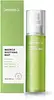
This calming toner is formulated around Niacinamide and Centella Asiatica Extract to calm redness and strengthen the skin barrier.
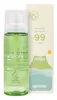
This calming toner is formulated around Centella Asiatica Extract and Panthenol to calm redness and strengthen the skin barrier.

What's inside
What's inside
 Key Ingredients
Benefits
Concerns
No concerns
Ingredients Side-by-side
Water
Skin ConditioningMethylpropanediol
Solvent2,3-Butanediol
HumectantGlycerin
Humectant


Niacinamide
Smoothing









Pentylene Glycol
Skin Conditioning
1,2-Hexanediol
Skin Conditioning
Octyldodeceth-16
EmulsifyingHydroxyacetophenone
Antioxidant
Alcohol
Antimicrobial




Sodium Citrate
BufferingEthylhexylglycerin
Skin ConditioningButylene Glycol
Humectant
Adenosine
Skin Conditioning
Citric Acid
Buffering
Portulaca Oleracea Extract
Skin Conditioning
Disodium EDTA
ChelatingMelia Azadirachta Leaf Extract
Skin ConditioningCentella Asiatica Extract
Cleansing
Panthenol
Skin Conditioning
Hydrogenated Lecithin
Emulsifying
Citrus Aurantium Bergamia Fruit Oil
Masking


Abies Sibirica Oil
Masking
Lavandula Hybrida Oil
Emollient
Citrus Aurantifolia Oil
Cleansing
Propylene Glycol
Humectant
Phellodendron Amurense Bark Extract
Skin ConditioningJuniperus Mexicana Oil
Masking
Ficus Carica Fruit Extract
Humectant
Camellia Sinensis Leaf Extract
Antimicrobial
Melia Azadirachta Flower Extract
Skin ConditioningPelargonium Graveolens Flower Oil
Masking
Dipropylene Glycol
HumectantPogostemon Cablin Leaf Oil
Masking
Litsea Cubeba Fruit Oil
Masking
Ceramide NP
Skin Conditioning
Mentha Viridis Leaf Oil
Astringent
Polyglyceryl-10 Oleate
Skin Conditioning
Madecassic Acid
Skin Conditioning
Asiaticoside
Antioxidant
Asiatic Acid
Skin Conditioning
Origanum Vulgare Leaf Extract
Skin ConditioningMentha Arvensis Leaf Extract
MaskingMelaleuca Alternifolia Leaf Extract
Perfuming
Chamaecyparis Obtusa Leaf Extract
Skin ConditioningSalix Alba Bark Extract
Astringent
Phenoxyethanol
Preservative
Piper Methysticum Leaf/Root/Stem Extract
Skin ConditioningLactobacillus/Soybean Ferment Extract
Skin ConditioningCinnamomum Cassia Bark Extract
Masking
Tocopherol
Antioxidant
Scutellaria Baicalensis Root Extract
Astringent
Eucalyptus Globulus Leaf Extract
Perfuming
Pinus Thunbergii Leaf Extract
Skin ConditioningRosmarinus Officinalis Extract
AntimicrobialSansevieria Trifasciata Leaf Extract
Skin ConditioningWater, Methylpropanediol, 2,3-Butanediol, Glycerin, Niacinamide, Pentylene Glycol, 1,2-Hexanediol, Octyldodeceth-16, Hydroxyacetophenone, Alcohol, Sodium Citrate, Ethylhexylglycerin, Butylene Glycol, Adenosine, Citric Acid, Portulaca Oleracea Extract, Disodium EDTA, Melia Azadirachta Leaf Extract, Centella Asiatica Extract, Panthenol, Hydrogenated Lecithin, Citrus Aurantium Bergamia Fruit Oil, Abies Sibirica Oil, Lavandula Hybrida Oil, Citrus Aurantifolia Oil, Propylene Glycol, Phellodendron Amurense Bark Extract, Juniperus Mexicana Oil, Ficus Carica Fruit Extract, Camellia Sinensis Leaf Extract, Melia Azadirachta Flower Extract, Pelargonium Graveolens Flower Oil, Dipropylene Glycol, Pogostemon Cablin Leaf Oil, Litsea Cubeba Fruit Oil, Ceramide NP, Mentha Viridis Leaf Oil, Polyglyceryl-10 Oleate, Madecassic Acid, Asiaticoside, Asiatic Acid, Origanum Vulgare Leaf Extract, Mentha Arvensis Leaf Extract, Melaleuca Alternifolia Leaf Extract, Chamaecyparis Obtusa Leaf Extract, Salix Alba Bark Extract, Phenoxyethanol, Piper Methysticum Leaf/Root/Stem Extract, Lactobacillus/Soybean Ferment Extract, Cinnamomum Cassia Bark Extract, Tocopherol, Scutellaria Baicalensis Root Extract, Eucalyptus Globulus Leaf Extract, Pinus Thunbergii Leaf Extract, Rosmarinus Officinalis Extract, Sansevieria Trifasciata Leaf Extract
Water
Skin ConditioningCentella Asiatica Extract
Cleansing
Butylene Glycol
Humectant
Glycerin
Humectant
Betaine
Humectant
Panthenol
Skin Conditioning
Allantoin
Skin Conditioning
Camellia Sinensis Leaf Extract
Antimicrobial
Chamomilla Recutita Flower Extract
Masking
Sodium Hyaluronate
Humectant
Aloe Barbadensis Leaf Juice
Skin Conditioning
Citric Acid
Buffering
Disodium EDTA
ChelatingPhenoxyethanol
Preservative
Ethylhexylglycerin
Skin ConditioningIngredients Explained
These ingredients are found in both products.
Ingredients higher up in an ingredient list are typically present in a larger amount.
Butylene Glycol (or BG) is used within cosmetic products for a few different reasons:
Overall, Butylene Glycol is a safe and well-rounded ingredient that works well with other ingredients.
Though this ingredient works well with most skin types, some people with sensitive skin may experience a reaction such as allergic rashes, closed comedones, or itchiness.
Learn more about Butylene GlycolCamellia Sinensis Leaf Extract (tea extract) is one of the most well-researched plant extracts in skincare with an impressive resume.
Black tea, green tea, and oolong tea are all harvested from the Camellia Sinensis plant.
Studies show green tea extract and its catechins (like epigallocatechin gallate (EGCG)) help your skin cells product energy more efficiently and reducing the number of free-radicals that can damage your skin from the inside.
In lab-grown skin models, this translated to younger, healthier, and stronger skin.
There's also good sun protection data; researchers saw less DNA damage and redness on human skin when green tea was applied before UVB exposure. And the more they applied, the better the protection.
Needless to say, this ingredient shouldn't replace your sunscreen. But it is a great supportive ingredient that you can already find in many sunscreens and antioxidant serums.
A 2009 study found a 2% green tea lotion was effective for mild-to-moderate acne thanks to its anti-inflammatory and mild antimicrobial activity.
The quality of the extract matters a lot here:
Good extracts contain 50-90% catechins while lower quality ones are mostly there for marketing. We recommend reaching out to the brand if you have questions about the quality or source of their ingredients.
Human Repeated Insult Patch Testing showed no irritation or sensitization at use concentrations (0.86% in leave-on products and up to 30% as leaf water).
Learn more about Camellia Sinensis Leaf ExtractCentella Asiatica Extract (Centella) is one of the most researched botanical extracts in skincare with decades of studies backing its effects on inflammation, collagen, and the skin barrier.
That research keeps pointing back to the same four triterpenoid saponins: Asiaticoside, Madecassoside, Asiatic Acid, and Madecassic Acid.
These compounds allow centella to dial back inflammation, encourage the skin to build and hold onto collagen, support the barrier and hydration, and bring solid antioxidant activity to protect against signs of aging.
Centella also carries a nice supporting cast of Vitamin A, vitamin C, several B vitamins, and amino acids. Put it all together and you get an ingredient that soothes, hydrates, and protects, all at once.
Most of centella's magic comes from the four big compounds (Asiaticoside, Madecassoside, Asiatic Acid, and Madecassic Acid). These are the actives doing the heavy lifting in almost every centella study.
Here is the short version of what they do in the skin:
So it is not just soothing for the sake of soothing. Centella calms the skin AND helps it rebuild.
Just FYI, not all centella on an ingredient list is the same. What you are getting actually depends on the extract:
Fun fact on the ratios: the leaves tend to be richest in Madecassoside and Asiaticoside, and lower in the two acids. The exact amounts shift with where the plant is grown and how it is processed. This means purity really does vary brand to brand.
Centella is one of the most easygoing actives out there.
It layers well with basically everything: niacinamide, hyaluronic acid, peptides, and vitamin C, and also pairs nicely with stronger actives like retinoids and exfoliating acids where it can help take the edge off irritation.
On the safety side, centella and its triterpenes are classified as weak sensitizers, meaning allergic reactions are possible but uncommon.
Patch tests at 1% and 5% came back negative in test panels, and creams at typical use levels did not cause allergic reactions across large groups of people.
But as with any new active, a patch test is still a smart move for very reactive skin.
Centella is widely used because it is effective at low percentages. For context, human safety testing found no meaningful irritation from creams containing centella extract at everyday use levels (the tested amounts were well under 1%).
The irritancy threshold in animal testing was also above 30% (so real-world formulas sit far below anything concerning).
In collagen lab studies, higher concentrations drove more collagen synthesis, so serums built around centella tend to feature it more prominently.
Bottom line: you will find centella working nicely anywhere from a fraction of a percent up to hero-ingredient levels depending on whether it is a supporting soother or the main event.
Fun fact: Centella has been used as a medicine and in food for many centuries. As a medicine, it is used to treat burns, scratches, and wounds.
Learn more about Centella Asiatica ExtractCitric Acid is an alpha hydroxy acid (AHA) naturally found in citrus fruits like oranges, lemons, and limes.
Like other AHAs, citric acid can exfoliate skin by breaking down the bonds that hold dead skin cells together. This helps reveal smoother and brighter skin underneath.
However, this exfoliating effect only happens at high concentrations (20%) which can be hard to find in cosmetic products.
Due to this, citric acid is usually included in small amounts as a pH adjuster. This helps keep products slightly more acidic and compatible with skin's natural pH.
In skincare formulas, citric acid can:
While it can provide some skin benefits, research shows lactic acid and glycolic acid are generally more effective and less irritating exfoliants.
Most citric acid used in skincare today is made by fermenting sugars (usually from molasses). This synthetic version is identical to the natural citrus form but easier to stabilize and use in formulations.
Rosacea skin has a lower threshold for acids generally, with 62.5% of rosacea subjects in one study reacting to lactic acid in a sting test. This is why we mark citric acid as a potential rosacea trigger.
However, this ingredient shows up as a pH adjuster or chelator at roughly 0.1-1% in many products. These low levels are unlikely to be an issue for rosacea skin and becomes a potential trigger at exfoliating concentrations (20%). Because everybody's skin is unique, we recommend a patch test if you are unsure.
Learn more about Citric AcidDisodium EDTA is a chelating agent. It grabs onto and deactivates metal ions that sneak into your products from water, packaging, or air.
This ingredient mainly works behind the scenes and helps with:
On top of that, this ingredient can counteract the effects of hard water by binding to the minerals in it.
One thing worth knowing is that Disodium EDTA has been shown to be a mild penetration enhancer. It can help other ingredients absorb into skin more effectively which can be a double-edged sword (great for actives, but can also make the active too strong if you have sensitive skin).
Clinical patch testing showed no significant skin irritation at typical use concentrations and minimal dermal absorption.
You'll most likely see this ingredient near the end of an ingredient list. It's typically found in concentrations less than 1%.
Learn more about Disodium EDTAEthylhexylglycerin is created from glycerin. It is a multitasker ingredient that:
The CIR Expert Panel found minimal skin absorption or sensitization of any kind in a safety assessment. Though this ingredient is considered well-tolerated, a small number of cases of allergic dermatitis have been published since 2002. Just be sure to patch test if you are unsure.
Industry-reported use ranges from 8% in rinse-off products and 2% in leave-on formulations.
Learn more about EthylhexylglycerinGlycerin (or glycerol) is a compound naturally found in your skin. It's a powerhouse humectant that pulls water into the stratum corneum.
Topically, glycerin does several things at once:
Your skin makes glycerin on its own (mostly from sebaceous oil breakdown) and shuttles it to your outermost layer of skin, or your epidermis, via aquaporin-3.
Aquaporin-3 is a transporter that is essential for normal skin hydration, elasticity, and repair. Interestingly, mice lacking in AQP3 have dry and less elastic skin that can be fully corrected with glycerin.
This ingredient is non-irritating, plays well with almost every ingredient, and works across all skin types. Typical use is anywhere between 3-10% but can go up to 79% in some leave-on products.
Just know very high concentrations (>40%) can feel tacky in low humidity.
Glycerin is the name for this ingredient in American English. British English uses Glycerol/Glycerine.
Learn more about GlycerinPanthenol is a common ingredient that helps hydrate and soothe the skin. It is found naturally in our skin and hair.
There are two forms of panthenol: D and L.
D-panthenol is also known as dexpanthenol. Most cosmetics use dexpanthenol or a mixture of D and L-panthenol.
Panthenol is famous due to its ability to go deeper into the skin's layers. Using this ingredient has numerous pros (and no cons):
Like hyaluronic acid, panthenol is a humectant. Humectants are able to bind and hold large amounts of water to keep skin hydrated.
This ingredient works well for wound healing. It works by increasing tissue in the wound and helps close open wounds.
Once oxidized, panthenol converts to pantothenic acid. Panthothenic acid is found in all living cells.
This ingredient is also referred to as pro-vitamin B5.
Learn more about PanthenolPhenoxyethanol is one of the most widely used preservatives in skincare (and for good reason!).
It has a large spectrum of antimicrobial activity and especially effective bacteria, yeast, and mold while only having a weak effect on your skin's natural microbiome.
On a cellular level, it disrupts the cell membranes of microbes by poking holes that make the cell leak. This shuts down the chemical reactions the microbe needs to make energy so it can no longer survive.
Another perk of this ingredient is that it stays functional across a wide pH range (3-10).
You'll often see it paired with boosters like Ethylhexylglycerin; one study showed that a 1:9 ratio of Ethylhexylglycerin to Phenoxyethanol damages bacterial membranes as effectively as doubling the Phenoxyethanol concentration on its own.
Typical use concentrations range from 0.3-1% depending on the formula, and this ingredient is capped at 1% int the EU.
Safety-wise, the fear mongering does not hold up to the evidence. The EU's Scientific Committee on Consumer Safety and FDA consider it safe as a preservative at up to 1%, including for children of all ages.
Adverse systemic effects only showed up in animal studies at exposures roughly 200x higher than what people get from cosmetics. And despite its very widespread use, this ingredient is a rare sensitizer and allergic reactions are uncommon.
Learn more about PhenoxyethanolWater. It's the most common cosmetic ingredient of all. You'll usually see it at the top of ingredient lists, meaning that it makes up the largest part of the product.
So why is it so popular? Water most often acts as a solvent - this means that it helps dissolve other ingredients into the formulation.
You'll also recognize water as that liquid we all need to stay alive. If you see this, drink a glass of water. Remember to stay hydrated!
Learn more about Water

