Caudalie Vinoperfect Dark Circle Brightening Eye Cream with Niacinamide Versus alpyn beauty Instant Bright Eye
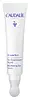
This brightening eye moisturizer is formulated around Caffeine and Niacinamide to fade the look of dark spots and brighten dull-looking skin.
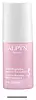
This brightening eye moisturizer is formulated around Niacinamide and Bakuchiol to brighten dull-looking skin and soften the look of wrinkles.


What's inside
What's inside
 Key Ingredients
Benefits
Concerns
Ingredients Side-by-side
Water
Skin ConditioningButylene Glycol
Humectant

Caprylic/Capric Triglyceride
Masking
Coco-Caprylate/Caprate
Emollient
Caffeine
Skin Conditioning

Cetearyl Alcohol
Emollient





Cetearyl Glucoside
Emulsifying
Niacinamide
Smoothing








Triheptanoin
Skin ConditioningHydrogenated Vegetable Oil
Emollient
Squalane
Emollient
Palmitoyl Grapevine Shoot Extract
Antioxidant
Oleic Acid
Emollient
Glyceryl Caprylate
EmollientCetyl Alcohol
Emollient
Potassium Cetyl Phosphate
EmulsifyingCarbomer
Emulsion StabilisingTerminalia Arjuna Extract
Skin ConditioningXanthan Gum
EmulsifyingHelianthus Annuus Seed Oil
Emollient
Sodium Dehydroacetate
Preservative
Tocopherol
Antioxidant
Sodium Hydroxide
BufferingLecithin
Emollient
Sodium Phytate
ChelatingWater, Butylene Glycol, Caprylic/Capric Triglyceride, Coco-Caprylate/Caprate, Caffeine, Cetearyl Alcohol, Cetearyl Glucoside, Niacinamide, Triheptanoin, Hydrogenated Vegetable Oil, Squalane, Palmitoyl Grapevine Shoot Extract, Oleic Acid, Glyceryl Caprylate, Cetyl Alcohol, Potassium Cetyl Phosphate, Carbomer, Terminalia Arjuna Extract, Xanthan Gum, Helianthus Annuus Seed Oil, Sodium Dehydroacetate, Tocopherol, Sodium Hydroxide, Lecithin, Sodium Phytate
Water
Skin ConditioningCaprylic/Capric Triglyceride
Masking
Glycerin
Humectant
Coco-Caprylate/Caprate
Emollient
Propanediol
Solvent
Tridecyl Trimellitate
EmollientHelianthus Annuus Seed Oil
Emollient
C12-16 Alcohols
EmollientGlyceryl Stearate Citrate
Emollient
Hydrogenated Lecithin
Emulsifying
Squalane
Emollient
Niacinamide
Smoothing
Bakuchiol
Antimicrobial
Chamomilla Recutita Flower Extract
Masking
Caffeine
Skin Conditioning
Acetyl Hexapeptide-8
Humectant
Polyglyceryl-3 Stearate
Emulsifying
1,2-Hexanediol
Skin Conditioning
Collagen Amino Acids
Moisturising
Cetearyl Alcohol
Emollient
Triheptanoin
Skin ConditioningSodium Hyaluronate
Humectant
Palmitic Acid
Emollient
Ceramide As
Skin Conditioning
Pullulan
Glyceryl Citrate/Lactate/Linoleate/Oleate
Emulsifying
C9-12 Alkane
SolventCentella Asiatica Extract
Cleansing
Dilinoleic Acid/Butanediol Copolymer
Caprylhydroxamic Acid
ChelatingXanthan Gum
EmulsifyingSclerotium Gum
Emulsion StabilisingCastor Oil/Ipdi Copolymer
Butyrospermum Parkii Butter
Skin Conditioning
Simmondsia Chinensis Seed Oil
Emollient
Butylene Glycol
Humectant
Ceramide NP
Skin Conditioning
2,3-Butanediol
HumectantTocopherol
Antioxidant
Glyceryl Stearate
Emollient
Leuconostoc/Radish Root Ferment Filtrate
Antimicrobial
Ceramide Ns
Skin Conditioning
Ceramide AP
Skin Conditioning
Cholesterol
Emollient
Sodium Benzoate
Masking
Citric Acid
Buffering
Nicotiana Benthamiana Hexapeptide-40 Sh-Polypeptide-76
Skin Conditioning
Ceramide EOP
Skin Conditioning
Water, Caprylic/Capric Triglyceride, Glycerin, Coco-Caprylate/Caprate, Propanediol, Tridecyl Trimellitate, Helianthus Annuus Seed Oil, C12-16 Alcohols, Glyceryl Stearate Citrate, Hydrogenated Lecithin, Squalane, Niacinamide, Bakuchiol, Chamomilla Recutita Flower Extract, Caffeine, Acetyl Hexapeptide-8, Polyglyceryl-3 Stearate, 1,2-Hexanediol, Collagen Amino Acids, Cetearyl Alcohol, Triheptanoin, Sodium Hyaluronate, Palmitic Acid, Ceramide As, Pullulan, Glyceryl Citrate/Lactate/Linoleate/Oleate, C9-12 Alkane, Centella Asiatica Extract, Dilinoleic Acid/Butanediol Copolymer, Caprylhydroxamic Acid, Xanthan Gum, Sclerotium Gum, Castor Oil/Ipdi Copolymer, Butyrospermum Parkii Butter, Simmondsia Chinensis Seed Oil, Butylene Glycol, Ceramide NP, 2,3-Butanediol, Tocopherol, Glyceryl Stearate, Leuconostoc/Radish Root Ferment Filtrate, Ceramide Ns, Ceramide AP, Cholesterol, Sodium Benzoate, Citric Acid, Nicotiana Benthamiana Hexapeptide-40 Sh-Polypeptide-76, Ceramide EOP
Reviews
Ingredients Explained
These ingredients are found in both products.
Ingredients higher up in an ingredient list are typically present in a larger amount.
Butylene Glycol (or BG) is used within cosmetic products for a few different reasons:
Overall, Butylene Glycol is a safe and well-rounded ingredient that works well with other ingredients.
Though this ingredient works well with most skin types, some people with sensitive skin may experience a reaction such as allergic rashes, closed comedones, or itchiness.
Learn more about Butylene GlycolCaffeine is a naturally occurring plant compound found in coffee beans, tea leaves, cocoa pods, and guarana.
As an antioxidant, caffeine protects your skin from free radical damage caused by UV exposure and envionrmnetal stressors.
Early research also shows that caffeine can help calm redness, soothe irritated skin, and support hair growth by stimulating microcirculation in the scalp.
You might have seen eye creams marketing caffeine as a depuffing ingredient. This is because it is a vasoconstrictor meaning it can temporarily constrict blood vessels, though clinical evidence for this specific use is still limited.
Most skincare products contain this ingredient at concentrations between 1-6%. It is able to penetrate skin easily regardless of skin type or thickness.
Just so you know, a very small number of case reports describe caffeine-induced allergy. This ingredient is generally well-tolerated, non-irritating, and non-sensitizing for the majority of people.
Learn more about CaffeineCaprylic/Capric Triglyceride (aka MCT Oil) is a lightweight emollient, solvent, and texture enhancer. It is considered a skin-softener by helping to prevent moisture loss.
Though it behaves like an oil, it is not technically one due to its chemical composition. One perk of this ingredient is that it is very stable, resistant to oxidation, and unlikely to go rancid.
In practice, that translates to a long shelf life and a consistently elegant skin feel.
While there is an assumption Caprylic Triglyceride can clog pores due to it being derived from coconut oil, there is no research supporting this. Just patch test if you have concerns.
Fractionated coconut oil and MCT Oil are both listed as Caprylic/Capric Triglyceride according to INCI. This is because INCI names are based on the ingredient’s final chemical composition and not its marketing name or source.
This ingredient is treated as the gold standard fungal acne safe oil. Even though it is coconut derived, the problematic lauric acid is stripped out.
This leaves just caprylic (C8) and capric (C10) acid. These chain lengths actually trend antifungal; a 2020 study found caprylic acid was enough to disrupt Malassezia furfur cell membrane, with a caprylic acid derivative damaging membrane structures at concentrations as low as 0.2%.
Learn more about Caprylic/Capric TriglycerideCetearyl alcohol is a waxy mixture of two fatty alcohols: cetyl alcohol and stearyl alcohol. It is an emollient and emulsifier.
Despite having "alcohol" in its name, it has nothing to do with drying solvent alcohols; the FDA also allows "alcohol-free" products to contain fatty alcohols like this ingredient.
It plays several roles in a formula:
Typical use levels for this ingredient sit around 1-10% and the Cosmetic Ingredient Review Expert Panel has affirmed safety at concentrations up to 25% in leave-on products.
Multiple assessments have found it to be non-irritating and non-sensitizing to most people.
However, there have been some cases of allergic contact dermatitis in patients with chronically compromised skin barriers.
Cetearyl alcohol has a comedogenic rating of 2 and irritancy rating of 1. Both of these numbers come from the 1989 study that used rabbit ears; a "2" means mildly comedogenic and a "1" means low irritancy.
Here's the catch: rabbit skin is more sensitive than human skin and throws a lot of false positives. A 1996 reappraisal found that ingredients rated 1-2 in the rabbit ear tests are generally safe for humans.
Remember comedogenic ratings are unable to assess the entire formula of a product or how it will react on your skin. Just be sure to patch test if you are unsure about certain ingredients.
This ingredient is not fungal acne safe. Cetearyl alcohol is a fatty alcohol with chain lengths that fall within the range that Malassezia can metabolize.
A 2019 study has also observed Malassezia growth in the presence of this ingredient, confirming it to be not-fungal acne safe.
Learn more about Cetearyl AlcoholCoco-Caprylate/Caprate is a lightweight ester created from coconut oil fatty acids, caprylic acid, and capric acid.
It is an emollient that helps soften skin and reduce transepidermal water loss (TEWL). What sets it apart from heavier emollients is its ultralight, non-greasy feel.
Once applied, this ingredient dries down quickly and leaves a dry, silky finish behind. This also helps improve spreadability and texture.
This ingredient has an excellent safety-record and is non-irritating.
Typical concentrations for cosmetics range from 0.5-62%.
Research on Malassezia growth found no growth on fatty acid esters with chain lengths shorter than 12 carbons (it prefers C11-24).
Since Coco-Caprylate/Caprate is built on C8 and C10 fatty acids, it is out of the range that Malassezia metabolizes, and therefore safe for fungal acne.
Learn more about Coco-Caprylate/CaprateHelianthus Annuus Seed Oil is a plant oil derived from the seeds of a sunflower.
It is rich in fatty acids, primarily linoleic acid and oleic acid. This gives it emollient and skin conditioning properties.
The reason this ingredient is so effective is because it forms a thin film on the skin that reduces transepidermal water loss (TEWL) while supplying linoleic acid to the stratum corneum to improve barrier strength.
The high linoleic acid content is particularly noteworthy for acne-prone skin.
Research suggests that acne-prone skin tends to be deficient in linoleic acid in sebum. Topical application may help replenish this to support a healthier follicular environment and less comedone-promoting sebum.
One randomized study found sunflower seed oil preserved skin barrier integrity in adult volunteers with and without atopic dermatitis (outperforming olive oil).
This ingredient is well-studied, gentle, and an effective emollient suitable for most skin types.
On fungal acne: This ingredient may not be Fungal acne (Malassezia folliculitis) safe. This is because it contains fatty acids with carbon chain lengths in the C11-C24 range.
Learn more about Helianthus Annuus Seed OilNiacinamide is a multitasking form of vitamin B3 that strengthens the skin barrier, reduces pores and dark spots, regulates oil, and improves signs of aging.
And the best part? It's gentle and well-tolerated by most skin types, including sensitive and reactive skin.
You might have heard of "niacin flush", or the reddening of skin that causes itchiness. Niacinamide has not been found to cause this.
In very rare cases, some individuals may not be able to tolerate niacinamide at all or experience an allergic reaction to it.
If you are experiencing flaking, irritation, and dryness with this ingredient, be sure to double check all your products as this ingredient can be found in all categories of skincare.
When incorporating niacinamide into your routine, look out for concentration amounts. Typically, 5% niacinamide provides benefits such as fading dark spots. However, if you have sensitive skin, it is better to begin with a smaller concentration.
When you apply niacinamide to your skin, your body converts it into nicotinamide adenine dinucleotide (NAD). NAD is an essential coenzyme that is already found in your cells as "fuel" and powers countless biological processes.
In your skin, NAD helps repair cell damage, produce new healthy cells, support collagen production, strengthen the skin barrier, and fight environmental stressors (like UV and pollution).
Our natural NAD levels start to decline with age, leading to slower skin repair, visible aging, and a weaker skin barrier. By providing your skin niacinamide, you're recharging your skin's NAD levels. This leads to stronger, healthier, and younger looking skin.
Another name for vitamin B3 is nicotinamide. This vitamin is water-soluble and our bodies don't store it. We obtain Vitamin B3 from either food or skincare. Meat, fish, wheat, yeast, and leafy greens contain vitamin B3.
The type of niacinamide used in skincare is synthetically created.
Learn more about NiacinamideSqualane is the hydrogenated and shelf-stable form of squalene (a lipid that naturally occurs in human sebum).
It is an emollient and skin conditioning agent that is able to integrate seamlessly into the skin's lipid barrier without clogging pores.
This is due to how structurally similar it is to what your skin already produces.
Though it is mostly an emollient that helps soften and hydrate skin, it also has some humectant and occlusive action. Humectants help the skin retain moisture while occlusives seal it in, making squalane a triple-threat moisturizer.
Research shows it has antioxidant capabilities that help protect against stressors like UV exposure, specifically UVA induced oxidative stress. This study also found that it supports collagen biosynthesis in human dermal fibroblasts.
No clinical study has reported significant adverse effects and irritation reactions are very rare from this ingredient (even at 100% concentration).
Overall, it's a fantastic ingredient for hydration and is suitable for all skin types.
This depends on the source. Squalane can be derived from both plants and animals. Most squalane used in skincare comes from plants.
Please note: the source of squalane is only known if disclosed by the brand. We recommend reaching out to the brand if you have any questions about their squalane.
Read more about squalene with an "e".
Though squalane is often called an oil, it’s technically not one. It is a hydrocarbon, meaning it is only made of carbon and hydrogen. True oils are triglycerides and made of fatty acids and glycerol.
The term “oil-free” isn’t regulated so companies can define it however they want. Some exclude all oils, while others just avoid mineral oil or comedogenic oils.
Squalane has a comedogenic rating of 1 from the original 1972 study that tested raw ingredients under occlusion on rabbit ears. This system is not standardized or peer-reviewed, and using the raw ingredients is very different from how diluted cosmetic formulations are used on human skin.
A comedogenic rating of 1 means it is "unlikely to clog pores" according to the original rating system.
The overall formula of a product matters more than the individual ingredients on whether or not it will cause clogged pores.
Learn more about SqualaneTocopherol is a fat-soluble antioxidant known as Vitamin E.
You'll find this ingredient in the vast majority of skincare (for good reason). It works to neutralize free radicals, or unstable molecules generated by UV exposure, pollution, and other environmental stressors, before they can cause oxidative damage to your skin cells.
Topically applied tocopherol has been shown to protect against UV damage by ramping up the skin's own natural defense enzymes.
It also acts as a skin conditioning agent; some studies show that regular topical use can improve the skin's water-binding capacity over 2-4 weeks.
This ingredient is especially loved for being a team player. When combined with Vitamin C, the photoprotective effect of both ingredients roughly doubles and the combo also helps reduce UV-induced DNA damage.
This ingredient has some brightening potential but it's more of a prevention ingredient than spot-fader. Cell studies show it can slow down melanin production but it's worth noting that it's not the most powerful brightener out there.
In formulations, it also serves as a stabilizer that helps protect other oxidation-prone ingredients from degrading.
Concentrations usually range from 0.1-1% in most leave-on products.
Learn more about TocopherolWe don't have a description for Triheptanoin yet.
Water. It's the most common cosmetic ingredient of all. You'll usually see it at the top of ingredient lists, meaning that it makes up the largest part of the product.
So why is it so popular? Water most often acts as a solvent - this means that it helps dissolve other ingredients into the formulation.
You'll also recognize water as that liquid we all need to stay alive. If you see this, drink a glass of water. Remember to stay hydrated!
Learn more about WaterXanthan gum is used as a stabilizer and thickener within cosmetic products. It helps give products a sticky, thick feeling - preventing them from being too runny.
On the technical side of things, xanthan gum is a polysaccharide - a combination consisting of multiple sugar molecules bonded together.
Xanthan gum is a pretty common and great ingredient. It is a natural, non-toxic, non-irritating ingredient that is also commonly used in food products.
Learn more about Xanthan Gum

