

What's inside
What's inside
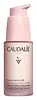 Key Ingredients
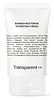
Benefits
Concerns
Ingredients Side-by-side
Water
Skin ConditioningButylene Glycol
Humectant

Glycerin
Humectant
Hexyldecanol
Emollient
Hexyldecyl Laurate
EmollientSqualane
Emollient
Tocopheryl Acetate
Antioxidant


C20-22 Alkyl Phosphate
EmulsifyingPalmitoyl Grapevine Shoot Extract
Antioxidant
C20-22 Alcohols
Emulsion Stabilising
Potassium Cetyl Phosphate
EmulsifyingPolyacrylate Crosspolymer-6
Emulsion StabilisingHelianthus Annuus Seed Oil
Emollient

Caprylyl Glycol
Emollient
Parfum
Masking



Hydrolyzed Hyaluronic Acid
Humectant
Sodium Dehydroacetate
Preservative
Hyaluronic Acid
Humectant
Adenosine
Skin Conditioning
Sodium Hydroxide
BufferingAcetyl Dipeptide-1 Cetyl Ester
Skin Conditioning

Pentylene Glycol
Skin Conditioning
Sodium Phytate
Khaya Senegalensis Bark Extract
Skin ProtectingMaltodextrin
Absorbent
Linalool
Perfuming

Limonene
Perfuming
Paeonia Lactiflora Root Extract
Skin ConditioningCoumarin
Perfuming
Nicotiana Benthamiana Hexapeptide-40 Sh-Polypeptide-47
Skin Conditioning
Water, Butylene Glycol, Glycerin, Hexyldecanol, Hexyldecyl Laurate, Squalane, Tocopheryl Acetate, C20-22 Alkyl Phosphate, Palmitoyl Grapevine Shoot Extract, C20-22 Alcohols, Potassium Cetyl Phosphate, Polyacrylate Crosspolymer-6, Helianthus Annuus Seed Oil, Caprylyl Glycol, Parfum, Hydrolyzed Hyaluronic Acid, Sodium Dehydroacetate, Hyaluronic Acid, Adenosine, Sodium Hydroxide, Acetyl Dipeptide-1 Cetyl Ester, Pentylene Glycol, Sodium Phytate, Khaya Senegalensis Bark Extract, Maltodextrin, Linalool, Limonene, Paeonia Lactiflora Root Extract, Coumarin, Nicotiana Benthamiana Hexapeptide-40 Sh-Polypeptide-47
Water
Skin ConditioningGlycerin
Humectant
C10-18 Triglycerides
Emollient
Coco-Caprylate/Caprate
Emollient
Coco-Caprylate
Emollient
Propanediol
Solvent
Cetyl Alcohol
Emollient
Oryza Sativa Starch
AbsorbentGlyceryl Stearate
Emollient
Sodium Ascorbyl Phosphate
Antioxidant


Retinyl Palmitate
Skin Conditioning
Hyaluronic Acid
Humectant
Ceramide Ng
Skin Conditioning
Madecassoside
Antioxidant
Asiaticoside
Antioxidant
Madecassic Acid
Skin Conditioning
Asiatic Acid
Skin Conditioning
Mannitol
Humectant
Xanthan Gum
EmulsifyingPEG-75 Stearate
Surfactant
Hydroxypropyl Starch Phosphate
Phosphatidylcholine
EmulsifyingCeteth-20
CleansingCholesterol
Emollient
Steareth-20
CleansingAcrylates/C10-30 Alkyl Acrylate Crosspolymer
Emulsion StabilisingHydrogenated Phosphatidylcholine
Emulsifying
Pentylene Glycol
Skin Conditioning
Decyl Glucoside
Cleansing
Tocopheryl Acetate
Antioxidant
Sodium Chloride
MaskingTocopherol
Antioxidant
Caprylyl Glycol
Emollient
Alcohol
Antimicrobial

Potassium Sorbate
Preservative
Sodium Benzoate
Masking
Ethylhexylglycerin
Skin ConditioningPhenoxyethanol
Preservative
Water, Glycerin, C10-18 Triglycerides, Coco-Caprylate/Caprate, Coco-Caprylate, Propanediol, Cetyl Alcohol, Oryza Sativa Starch, Glyceryl Stearate, Sodium Ascorbyl Phosphate, Retinyl Palmitate, Hyaluronic Acid, Ceramide Ng, Madecassoside, Asiaticoside, Madecassic Acid, Asiatic Acid, Mannitol, Xanthan Gum, PEG-75 Stearate, Hydroxypropyl Starch Phosphate, Phosphatidylcholine, Ceteth-20, Cholesterol, Steareth-20, Acrylates/C10-30 Alkyl Acrylate Crosspolymer, Hydrogenated Phosphatidylcholine, Pentylene Glycol, Decyl Glucoside, Tocopheryl Acetate, Sodium Chloride, Tocopherol, Caprylyl Glycol, Alcohol, Potassium Sorbate, Sodium Benzoate, Ethylhexylglycerin, Phenoxyethanol
Reviews
Ingredients Explained
These ingredients are found in both products.
Ingredients higher up in an ingredient list are typically present in a larger amount.
Caprylyl Glycol is a humectant, skin conditioner, emollient, and preservative booster derived from either caprylic acid or synthetically created.
Typical use levels vary from 0.3-1% as a preservative booster and go up to 2% to condition skin.
Because it is not a free-fatty acid or alcohol, this ingredient is fungal acne safe (there's nothing for Malassezia to feed on).
Learn more about Caprylyl GlycolGlycerin (or glycerol) is a compound naturally found in your skin. It's a powerhouse humectant that pulls water into the stratum corneum.
Topically, glycerin does several things at once:
Your skin makes glycerin on its own (mostly from sebaceous oil breakdown) and shuttles it to your outermost layer of skin, or your epidermis, via aquaporin-3.
Aquaporin-3 is a transporter that is essential for normal skin hydration, elasticity, and repair. Interestingly, mice lacking in AQP3 have dry and less elastic skin that can be fully corrected with glycerin.
This ingredient is non-irritating, plays well with almost every ingredient, and works across all skin types. Typical use is anywhere between 3-10% but can go up to 79% in some leave-on products.
Just know very high concentrations (>40%) can feel tacky in low humidity.
Glycerin is the name for this ingredient in American English. British English uses Glycerol/Glycerine.
Learn more about GlycerinHyaluronic acid (HA) is a glycosaminoglycan (basically a long sugar chain) that your skin already makes on its own. In your skin, HA lives in the extracellular matrix and acts as the body's moisture reservoir.
Topically, HA is a humectant that binds water and helps skin look more plump, smooth, and hydrated.
The only catch is that HA isn't a single thing; it actually comes in a wide range of molecular weights (~50 - 2,000+ kDA) and size matters.
Some clinical evidence links low molecular weight versions to improved wrinkle depth, elasticity, anti-inflammatory effects, and barrier repair.
This is why the best HA serums blend the two sizes together so you get the best of both worlds.
The majority of cosmetic HA is produced by bacterial fermentation, typically using Streptococcus or Bacillus strains. Typical use levels in skincare sit around 0.1-2%.
A clinical study using a 0.2% low-molecular weight HA gel showed improvement in facial seborrheic dermatitis with excellent tolerance.
These are some other common types of Hyaluronic Acid:
Learn more about Hyaluronic AcidPentylene glycol is typically used within a product to thicken it. It also adds a smooth, soft, and moisturizing feel to the product. It is naturally found in plants such as sugar beets.
The hydrophilic trait of Pentylene Glycol makes it a humectant. As a humectant, Pentylene Glycol helps draw moisture from the air to your skin. This can help keep your skin hydrated.
This property also makes Pentylene Glycol a great texture enhancer. It can also help thicken or stabilize a product.
Pentylene Glycol also acts as a mild preservative and helps to keep a product microbe-free.
Some people may experience mild eye and skin irritation from Pentylene Glycol. We always recommend speaking with a professional about using this ingredient in your routine.
Pentylene Glycol has a low molecular weight and is part of the 1,2-glycol family.
Learn more about Pentylene GlycolTocopheryl Acetate is AKA Vitamin E. It is an antioxidant and protects your skin from free radicals. Free radicals damage the skin by breaking down collagen.
One study found using Tocopheryl Acetate with Vitamin C decreased the number of sunburned cells.
Tocopheryl Acetate is commonly found in both skincare and dietary supplements.
Learn more about Tocopheryl AcetateWater. It's the most common cosmetic ingredient of all. You'll usually see it at the top of ingredient lists, meaning that it makes up the largest part of the product.
So why is it so popular? Water most often acts as a solvent - this means that it helps dissolve other ingredients into the formulation.
You'll also recognize water as that liquid we all need to stay alive. If you see this, drink a glass of water. Remember to stay hydrated!
Learn more about Water
