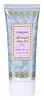
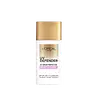
Canmake Mermaid Skin Gel UV SPF 50+ PA++++ Versus L'Oreal UV Defender UV Serum Protector Sunscreen SPF 50+


What's inside
What's inside
 Key Ingredients
Benefits
Concerns
Ingredients Side-by-side
Water
Skin ConditioningEthylhexyl Methoxycinnamate
UV Absorber


Butylene Glycol
Humectant

Diethylamino Hydroxybenzoyl Hexyl Benzoate
UV Filter
Zinc Oxide
Cosmetic Colorant
Methylheptyl Isostearate
Skin ConditioningTitanium Dioxide
Cosmetic Colorant
Dimethicone
Emollient

Bis-Ethylhexyloxyphenol Methoxyphenyl Triazine
Skin Conditioning
Polymethylsilsesquioxane
Cyclopentasiloxane
Emollient
Ammonium Acryloyldimethyltaurate/Vp Copolymer
Diisostearyl Malate
EmollientAluminum Hydroxide
EmollientPEG-60 Hydrogenated Castor Oil
Emulsifying

Stearic Acid
Cleansing
Phenoxyethanol
Preservative
Polyglyceryl-3 Polydimethylsiloxyethyl Dimethicone
Skin Conditioning
Polyhydroxystearic Acid
Emulsifying
Jojoba Esters
Emollient
Xanthan Gum
EmulsifyingArginine
Masking
Hyaluronic Acid
Humectant

Alpha-Glucan
HumectantPhytic Acid


Saxifraga Sarmentosa Extract
Skin ConditioningGlucosyl Ceramide
Skin Conditioning

Prunus Yedoensis Leaf Extract
Skin ConditioningCoix Lacryma-Jobi Ma-Yuen Seed Oil
Skin Conditioning
Morus Alba Root Extract
BleachingOenothera Biennis Seed Extract
Skin ConditioningSilver Oxide
AntimicrobialSpiraea Ulmaria Flower Extract
Skin ConditioningVaccinium Myrtillus Fruit Extract
Skin ConditioningCynara Scolymus Leaf Extract
Skin ConditioningWater, Ethylhexyl Methoxycinnamate, Butylene Glycol, Diethylamino Hydroxybenzoyl Hexyl Benzoate, Zinc Oxide, Methylheptyl Isostearate, Titanium Dioxide, Dimethicone, Bis-Ethylhexyloxyphenol Methoxyphenyl Triazine, Polymethylsilsesquioxane, Cyclopentasiloxane, Ammonium Acryloyldimethyltaurate/Vp Copolymer, Diisostearyl Malate, Aluminum Hydroxide, PEG-60 Hydrogenated Castor Oil, Stearic Acid, Phenoxyethanol, Polyglyceryl-3 Polydimethylsiloxyethyl Dimethicone, Polyhydroxystearic Acid, Jojoba Esters, Xanthan Gum, Arginine, Hyaluronic Acid, Alpha-Glucan, Phytic Acid, Saxifraga Sarmentosa Extract, Glucosyl Ceramide, Prunus Yedoensis Leaf Extract, Coix Lacryma-Jobi Ma-Yuen Seed Oil, Morus Alba Root Extract, Oenothera Biennis Seed Extract, Silver Oxide, Spiraea Ulmaria Flower Extract, Vaccinium Myrtillus Fruit Extract, Cynara Scolymus Leaf Extract
Water
Skin ConditioningEthylhexyl Methoxycinnamate
UV Absorber
Titanium Dioxide
Cosmetic Colorant
Squalane
Emollient
Glycerin
Humectant
Drometrizole Trisiloxane
UV Absorber
Terephthalylidene Dicamphor Sulfonic Acid
UV Absorber
Propylene Glycol
Humectant

Alcohol Denat.
Antimicrobial

Triethanolamine
BufferingDipropylene Glycol
HumectantMica
Cosmetic ColorantStearic Acid
Cleansing
Potassium Cetyl Phosphate
EmulsifyingTocopherol
Antioxidant



Nylon-12
CI 77891
Cosmetic ColorantNiacinamide
Smoothing



Sodium Cocoyl Sarcosinate
Cleansing
Sodium Chloride
MaskingPhenoxyethanol
Preservative
Diethylamino Hydroxybenzoyl Hexyl Benzoate
UV Filter
Paeonia Suffruticosa Root Extract
Skin ProtectingThermus Thermophillus Ferment
Skin ConditioningPEG-100 Stearate
Surfactant
Ethylhexyl Triazone
UV Absorber
Trisodium Ethylenediamine Disuccinate
Palmitic Acid
Emollient
Polysorbate 80
Emulsifying
Limonene
Perfuming

Xanthan Gum
EmulsifyingLinalool
Perfuming
Tromethamine
BufferingIsohexadecane
EmollientCaprylyl Glycol
Emollient
Alpha-Isomethyl Ionone
Perfuming
CI 77120
Cosmetic ColorantCarbomer
Emulsion StabilisingAcrylamide/Sodium Acryloyldimethyltaurate Copolymer
Emulsion StabilisingMyristic Acid
Cleansing
Sorbitan Oleate
Emulsifying
Bis-Ethylhexyloxyphenol Methoxyphenyl Triazine
Skin Conditioning
Cetyl Alcohol
Emollient
Butylene Glycol
Humectant
BHT
Antioxidant
Butyrospermum Parkii Seedcake Extract
Skin Protecting
Potassium Sorbate
Preservative
Aluminum Hydroxide
EmollientHexyl Cinnamal
Perfuming
Glyceryl Stearate
Emollient
Parfum
Masking
Water, Ethylhexyl Methoxycinnamate, Titanium Dioxide, Squalane, Glycerin, Drometrizole Trisiloxane, Terephthalylidene Dicamphor Sulfonic Acid, Propylene Glycol, Alcohol Denat., Triethanolamine, Dipropylene Glycol, Mica, Stearic Acid, Potassium Cetyl Phosphate, Tocopherol, Nylon-12, CI 77891, Niacinamide, Sodium Cocoyl Sarcosinate, Sodium Chloride, Phenoxyethanol, Diethylamino Hydroxybenzoyl Hexyl Benzoate, Paeonia Suffruticosa Root Extract, Thermus Thermophillus Ferment, PEG-100 Stearate, Ethylhexyl Triazone, Trisodium Ethylenediamine Disuccinate, Palmitic Acid, Polysorbate 80, Limonene, Xanthan Gum, Linalool, Tromethamine, Isohexadecane, Caprylyl Glycol, Alpha-Isomethyl Ionone, CI 77120, Carbomer, Acrylamide/Sodium Acryloyldimethyltaurate Copolymer, Myristic Acid, Sorbitan Oleate, Bis-Ethylhexyloxyphenol Methoxyphenyl Triazine, Cetyl Alcohol, Butylene Glycol, BHT, Butyrospermum Parkii Seedcake Extract, Potassium Sorbate, Aluminum Hydroxide, Hexyl Cinnamal, Glyceryl Stearate, Parfum
Reviews
Ingredients Explained
These ingredients are found in both products.
Ingredients higher up in an ingredient list are typically present in a larger amount.
Aluminum Hydroxide is a form of aluminum. It can be naturally found in nature as the mineral gibbsite. In cosmetics, Aluminum Hydroxide is used as a colorant, pH adjuster, and absorbent.
As a colorant, Aluminum Hydroxide may add opacity, or reduce the transparency. Aluminum hydroxide is contains both basic and acidic properties.
According to manufacturers, this ingredient is an emollient and humectant. This means it helps hydrate the skin.
In medicine, this ingredient is used to help relieve heartburn and help heal ulcers.
There is currently no credible scientific evidence linking aluminum hydroxide in cosmetics to increased cancer risk.
Major health organizations allow the use of aluminum hydroxide in personal care products and have not flagged it as a carcinogenic risk at typical usage levels.
Learn more about Aluminum HydroxideYou might know this ingredient as Tinosorb S or Bemotrizinol. It is a UV filter that covers both UVA and UVB rays.
This ingredient has two peak UV absorption peaks ( 310 and 340 nm) and is able to absorb both UV-A and UV-B rays. This ingredient works by preventing UV rays from reaching and damaging your skin.
On top of that - it is highly photostable and helps prevent the photodegration of other sunscreen ingredients such as avobenzone.
Tinosorb S is allowed in the EU, Australia, and Asia. It is close to being approved by the FDA and we'll hopefully get this ingredient in the U.S. by late 2026.
Fun fact: Tinosorb S is the most effective UV absorber at maximum concentration (measured by SPF) permitted in the EU.
This ingredient is oil-soluble, so your oil-cleansers will take this right off at night.
Learn more about Bis-Ethylhexyloxyphenol Methoxyphenyl TriazineButylene Glycol (or BG) is used within cosmetic products for a few different reasons:
Overall, Butylene Glycol is a safe and well-rounded ingredient that works well with other ingredients.
Though this ingredient works well with most skin types, some people with sensitive skin may experience a reaction such as allergic rashes, closed comedones, or itchiness.
Learn more about Butylene GlycolDiethylamino Hydroxybenzoyl Hexyl Benzoate (DHHB) is a chemical UV-A absorber. It is formulated for high UVA protection (320-400 nm).
DHHB is well-liked for:
DHHB has been approved by the EU, Japan, Taiwan, and South America for use up to 10%. Unfortunately, it has not been approved for use in the US or Canada due to slow regulatory processes.
This ingredient is soluble in oils, fats, and lipids.
Learn more about Diethylamino Hydroxybenzoyl Hexyl BenzoateEthylhexyl Methoxycinnamate is an organic compound that provides UVB protection. It often goes by the more common name of octinoxate. It is created from methoxycinnamic acid and 2-ethylhexanol.
Ethylhexyl Methoxycinnamate absorbs UVB rays with wavelengths between 280-320 nm. UV absorbers protect your skin by using chemical reactions to convert UV rays into heat and energy.
UVB (290-320 nm) rays emit more energy than UVA rays. They are capable of damaging DNA, causing sunburns and are thought to be linked to skin cancer.
The state of Hawaii has banned sunscreens containing octinoxate due to its potential impact on coral reefs. More research is needed to bridge gaps in this research. The European Union allows higher levels of octinoxate in sunscreens than the US and Australia.
Ethylhexyl Methoxycinnamate is oil soluble. It is not stable and may lose efficacy when exposed to sunlight.
Learn more about Ethylhexyl MethoxycinnamatePhenoxyethanol is a preservative that has germicide, antimicrobial, and aromatic properties. Studies show that phenoxyethanol can prevent microbial growth. By itself, it has a scent that is similar to that of a rose.
It's often used in formulations along with Caprylyl Glycol to preserve the shelf life of products.
Stearic Acid is a fatty acid that is already found in your skin. It's one of the free fatty acids that works alongside ceramides and cholesterols to maintain your barrier.
In cosmetics, it is a multitasker:
Safety-wise, the CIR Expert Panel has concluded it to be safe in cosmetics when formulated to be non-irritating and non-sensitizing.
Free stearic acid is a C18 fatty acid that the Malassezia yeast can substrate, so this ingredient may not be fungal acne safe.
Learn more about Stearic AcidTitanium dioxide is a mineral UV filter widely used in sunscreens and cosmetics.
It is one of only two UV filters officially classified as “mineral” by regulatory agencies, the other being zinc oxide.
Titanium dioxide provides broad-spectrum protection mostly in the UVB and UVAII range, with some protection in the UVAI range.
While its UVA protection isn’t as strong as zinc oxide’s, the difference is minor.
A common myth is that mineral UV filters reflect UV light. However, modern research shows titanium dioxide absorbs UV radiation like chemical filters (~95% absorption & 5% reflection).
Thanks to its non-irritating nature, titanium dioxide is suitable for sensitive, acne-prone, or redness-prone skin. It is unlikely to cause "eye sting" like other sunscreen ingredients.
A major drawback of this ingredient is its white cast and thick texture. This is why mineral sunscreens often leave a white cast and are less cosmetically elegant than chemical/hybrid sunscreens.
To improve white cast and spreadability, micronized or nano-sized titanium dioxide is often used.
There are ongoing concerns surrounding nano-titanium oxide's impact on marine ecosystems.
There is no conclusive evidence that any form of titanium oxide (or any other sunscreen ingredients) will cause harm to marine ecosystems or coral reefs. The science is still developing but many consumers are keeping a close eye on this issue.
Please note, many destinations have reef-safety sunscreen rules. For instance, the U.S. Virgin Islands advises all visitors to use non-nano mineral sunscreens.
Nano mineral sunscreens once raised safety concerns about absorption into skin.
Extensive research has shown that they do not penetrate healthy or damaged skin; they remain safely on the surface and the top layer of dead skin (stratum corneum).
You'll likely find titanium dioxide bundled with alumina, silica, or dimethicone. These ingredients help make titanium dioxide highly photostable; this prevents it from interacting with other formula components under UV light.
Learn more about Titanium DioxideWater. It's the most common cosmetic ingredient of all. You'll usually see it at the top of ingredient lists, meaning that it makes up the largest part of the product.
So why is it so popular? Water most often acts as a solvent - this means that it helps dissolve other ingredients into the formulation.
You'll also recognize water as that liquid we all need to stay alive. If you see this, drink a glass of water. Remember to stay hydrated!
Learn more about WaterXanthan gum is used as a stabilizer and thickener within cosmetic products. It helps give products a sticky, thick feeling - preventing them from being too runny.
On the technical side of things, xanthan gum is a polysaccharide - a combination consisting of multiple sugar molecules bonded together.
Xanthan gum is a pretty common and great ingredient. It is a natural, non-toxic, non-irritating ingredient that is also commonly used in food products.
Learn more about Xanthan Gum
