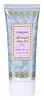
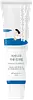
Canmake Mermaid Skin Gel UV SPF 50+ PA++++ Versus Round Lab Birch Moisturizing Sunscreen SPF 50+ PA++++


What's inside
What's inside
 Key Ingredients
Benefits
Concerns
Ingredients Side-by-side
Water
Skin ConditioningEthylhexyl Methoxycinnamate
UV Absorber


Butylene Glycol
Humectant

Diethylamino Hydroxybenzoyl Hexyl Benzoate
UV Filter
Zinc Oxide
Cosmetic Colorant
Methylheptyl Isostearate
Skin ConditioningTitanium Dioxide
Cosmetic Colorant
Dimethicone
Emollient

Bis-Ethylhexyloxyphenol Methoxyphenyl Triazine
Skin Conditioning
Polymethylsilsesquioxane
Cyclopentasiloxane
Emollient
Ammonium Acryloyldimethyltaurate/Vp Copolymer
Diisostearyl Malate
EmollientAluminum Hydroxide
EmollientPEG-60 Hydrogenated Castor Oil
Emulsifying

Stearic Acid
Cleansing
Phenoxyethanol
Preservative
Polyglyceryl-3 Polydimethylsiloxyethyl Dimethicone
Skin Conditioning
Polyhydroxystearic Acid
Emulsifying
Jojoba Esters
Emollient
Xanthan Gum
EmulsifyingArginine
Masking
Hyaluronic Acid
Humectant

Alpha-Glucan
HumectantPhytic Acid


Saxifraga Sarmentosa Extract
Skin ConditioningGlucosyl Ceramide
Skin Conditioning

Prunus Yedoensis Leaf Extract
Skin ConditioningCoix Lacryma-Jobi Ma-Yuen Seed Oil
Skin Conditioning
Morus Alba Root Extract
BleachingOenothera Biennis Seed Extract
Skin ConditioningSilver Oxide
AntimicrobialSpiraea Ulmaria Flower Extract
Skin ConditioningVaccinium Myrtillus Fruit Extract
Skin ConditioningCynara Scolymus Leaf Extract
Skin ConditioningWater, Ethylhexyl Methoxycinnamate, Butylene Glycol, Diethylamino Hydroxybenzoyl Hexyl Benzoate, Zinc Oxide, Methylheptyl Isostearate, Titanium Dioxide, Dimethicone, Bis-Ethylhexyloxyphenol Methoxyphenyl Triazine, Polymethylsilsesquioxane, Cyclopentasiloxane, Ammonium Acryloyldimethyltaurate/Vp Copolymer, Diisostearyl Malate, Aluminum Hydroxide, PEG-60 Hydrogenated Castor Oil, Stearic Acid, Phenoxyethanol, Polyglyceryl-3 Polydimethylsiloxyethyl Dimethicone, Polyhydroxystearic Acid, Jojoba Esters, Xanthan Gum, Arginine, Hyaluronic Acid, Alpha-Glucan, Phytic Acid, Saxifraga Sarmentosa Extract, Glucosyl Ceramide, Prunus Yedoensis Leaf Extract, Coix Lacryma-Jobi Ma-Yuen Seed Oil, Morus Alba Root Extract, Oenothera Biennis Seed Extract, Silver Oxide, Spiraea Ulmaria Flower Extract, Vaccinium Myrtillus Fruit Extract, Cynara Scolymus Leaf Extract
Water
Skin ConditioningDibutyl Adipate
EmollientPropanediol
Solvent
Diethylamino Hydroxybenzoyl Hexyl Benzoate
UV Filter
Polymethylsilsesquioxane
Ethylhexyl Triazone
UV Absorber
Niacinamide
Smoothing





Methylene Bis-Benzotriazolyl Tetramethylbutylphenol
UV Filter
Coco-Caprylate/Caprate
Emollient
Caprylyl Methicone
Skin Conditioning
Diethylhexyl Butamido Triazone
UV Absorber
Glycerin
Humectant
1,2-Hexanediol
Skin Conditioning
Butylene Glycol
Humectant
Betula Platyphylla Japonica Juice
Skin Conditioning
Sodium Hyaluronate
Humectant
Hyaluronic Acid
Humectant
Glyceryl Glucoside
Humectant
Dipotassium Glycyrrhizate
Humectant
Allantoin
Skin Conditioning
Portulaca Oleracea Extract
Skin Conditioning
Artemisia Annua Extract
MaskingPinus Sylvestris Leaf Oil
Masking
Anthemis Nobilis Flower Oil
Masking
Acrylates/C10-30 Alkyl Acrylate Crosspolymer
Emulsion StabilisingSodium Stearoyl Glutamate
CleansingPolyacrylate Crosspolymer-6
Emulsion StabilisingEthylhexylglycerin
Skin ConditioningAscorbic Acid
Antioxidant

Adenosine
Skin Conditioning
Pentylene Glycol
Skin Conditioning
Behenyl Alcohol
Emollient
Poly C10-30 Alkyl Acrylate
Emulsion StabilisingPolyglyceryl-3 Methylglucose Distearate
Emulsifying
Decyl Glucoside
Cleansing
Tromethamine
BufferingXanthan Gum
EmulsifyingT-Butyl Alcohol
Perfuming

Tocopherol
Antioxidant
Carbomer
Emulsion StabilisingWater, Dibutyl Adipate, Propanediol, Diethylamino Hydroxybenzoyl Hexyl Benzoate, Polymethylsilsesquioxane, Ethylhexyl Triazone, Niacinamide, Methylene Bis-Benzotriazolyl Tetramethylbutylphenol, Coco-Caprylate/Caprate, Caprylyl Methicone, Diethylhexyl Butamido Triazone, Glycerin, 1,2-Hexanediol, Butylene Glycol, Betula Platyphylla Japonica Juice, Sodium Hyaluronate, Hyaluronic Acid, Glyceryl Glucoside, Dipotassium Glycyrrhizate, Allantoin, Portulaca Oleracea Extract, Artemisia Annua Extract, Pinus Sylvestris Leaf Oil, Anthemis Nobilis Flower Oil, Acrylates/C10-30 Alkyl Acrylate Crosspolymer, Sodium Stearoyl Glutamate, Polyacrylate Crosspolymer-6, Ethylhexylglycerin, Ascorbic Acid, Adenosine, Pentylene Glycol, Behenyl Alcohol, Poly C10-30 Alkyl Acrylate, Polyglyceryl-3 Methylglucose Distearate, Decyl Glucoside, Tromethamine, Xanthan Gum, T-Butyl Alcohol, Tocopherol, Carbomer
Reviews
Ingredients Explained
These ingredients are found in both products.
Ingredients higher up in an ingredient list are typically present in a larger amount.
Butylene Glycol (or BG) is used within cosmetic products for a few different reasons:
Overall, Butylene Glycol is a safe and well-rounded ingredient that works well with other ingredients.
Though this ingredient works well with most skin types, some people with sensitive skin may experience a reaction such as allergic rashes, closed comedones, or itchiness.
Learn more about Butylene GlycolDiethylamino Hydroxybenzoyl Hexyl Benzoate (DHHB) is a chemical UV-A absorber. It is formulated for high UVA protection (320-400 nm).
DHHB is well-liked for:
DHHB has been approved by the EU, Japan, Taiwan, and South America for use up to 10%. Unfortunately, it has not been approved for use in the US or Canada due to slow regulatory processes.
This ingredient is soluble in oils, fats, and lipids.
Learn more about Diethylamino Hydroxybenzoyl Hexyl BenzoateHyaluronic acid (HA) is a glycosaminoglycan (basically a long sugar chain) that your skin already makes on its own. In your skin, HA lives in the extracellular matrix and acts as the body's moisture reservoir.
Topically, HA is a humectant that binds water and helps skin look more plump, smooth, and hydrated.
The only catch is that HA isn't a single thing; it actually comes in a wide range of molecular weights (~50 - 2,000+ kDA) and size matters.
Some clinical evidence links low molecular weight versions to improved wrinkle depth, elasticity, anti-inflammatory effects, and barrier repair.
This is why the best HA serums blend the two sizes together so you get the best of both worlds.
The majority of cosmetic HA is produced by bacterial fermentation, typically using Streptococcus or Bacillus strains. Typical use levels in skincare sit around 0.1-2%.
A clinical study using a 0.2% low-molecular weight HA gel showed improvement in facial seborrheic dermatitis with excellent tolerance.
These are some other common types of Hyaluronic Acid:
Learn more about Hyaluronic AcidPolymethylsilsesquioxane is a silicone used as a film forming agent.
When applied to the skin, this ingredient creates an invisible film on the surface. This film still allows oxygen to pass through, but prevents moisture from escaping. This can help condition and hydrate the skin. It also leaves a silky feel when applied.
Polymethylsilsesquioxane has not been shown to clog pores. It has been deemed safe to use up to 55%, but most cosmetics use much less.
If you have concerns about using this ingredient, we recommend speaking with a professional.
Learn more about PolymethylsilsesquioxaneWater. It's the most common cosmetic ingredient of all. You'll usually see it at the top of ingredient lists, meaning that it makes up the largest part of the product.
So why is it so popular? Water most often acts as a solvent - this means that it helps dissolve other ingredients into the formulation.
You'll also recognize water as that liquid we all need to stay alive. If you see this, drink a glass of water. Remember to stay hydrated!
Learn more about WaterXanthan gum is used as a stabilizer and thickener within cosmetic products. It helps give products a sticky, thick feeling - preventing them from being too runny.
On the technical side of things, xanthan gum is a polysaccharide - a combination consisting of multiple sugar molecules bonded together.
Xanthan gum is a pretty common and great ingredient. It is a natural, non-toxic, non-irritating ingredient that is also commonly used in food products.
Learn more about Xanthan Gum
