This chemical sunscreen covers most of the UV range, lighter on the deep UVA that drives aging.
This chemical sunscreen covers the full UV range and blocks ~98% of UVB at SPF 50.


What's inside
What's inside
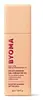 Key Ingredients
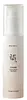
Benefits
Concerns
Ingredients Side-by-side
Butyl Methoxydibenzoylmethane 3%
UV Absorber
Homosalate 10%
Skin Conditioning
Ethylhexyl Salicylate 5%
UV Absorber
Water
Skin ConditioningGlycerin
Humectant


Butyloctyl Salicylate
Skin Conditioning
Propanediol
Solvent
Dimethicone
Emollient
Beta-Glucan
Skin Conditioning

Sodium Hyaluronate
Humectant

Caprylhydroxamic Acid
ChelatingCaprylic/Capric Triglyceride
Masking
Ceramide NP
Skin Conditioning
Cholesterol
Emollient
Phytosphingosine
Skin Conditioning
Caprylyl Glycol
Emollient
Dextrin Palmitate
Emulsifying

Dibutyl Ethylhexanoyl Glutamide
Skin ConditioningStearic Acid
Cleansing
Oleic Acid
Emollient

Dibutyl Lauroyl Glutamide
Skin ConditioningDimethicone/Vinyl Dimethicone Crosspolymer
Skin Conditioning
Hydrogenated Lecithin
Emulsifying
Eugenia Caryophyllus Bud Extract
Perfuming
Hydroxyacetophenone
Antioxidant
Lactic Acid
Buffering






Lecithin
Emollient
Octyldodecanol
Emollient
1,2-Hexanediol
Skin Conditioning
Panthenol
Skin Conditioning
Poly C10-30 Alkyl Acrylate
Emulsion StabilisingPullulan
Sclerotium Gum
Emulsion StabilisingSodium Polyacryloyldimethyl Taurate
Emulsion StabilisingSolidago Virgaurea Extract
Skin ConditioningTocopherol
Antioxidant
Xanthan Gum
EmulsifyingButyl Methoxydibenzoylmethane 3%, Homosalate 10%, Ethylhexyl Salicylate 5%, Water, Glycerin, Butyloctyl Salicylate, Propanediol, Dimethicone, Beta-Glucan, Sodium Hyaluronate, Caprylhydroxamic Acid, Caprylic/Capric Triglyceride, Ceramide NP, Cholesterol, Phytosphingosine, Caprylyl Glycol, Dextrin Palmitate, Dibutyl Ethylhexanoyl Glutamide, Stearic Acid, Oleic Acid, Dibutyl Lauroyl Glutamide, Dimethicone/Vinyl Dimethicone Crosspolymer, Hydrogenated Lecithin, Eugenia Caryophyllus Bud Extract, Hydroxyacetophenone, Lactic Acid, Lecithin, Octyldodecanol, 1,2-Hexanediol, Panthenol, Poly C10-30 Alkyl Acrylate, Pullulan, Sclerotium Gum, Sodium Polyacryloyldimethyl Taurate, Solidago Virgaurea Extract, Tocopherol, Xanthan Gum
Water
Skin ConditioningButylene Glycol
Humectant
Dibutyl Adipate
EmollientDiethylamino Hydroxybenzoyl Hexyl Benzoate
UV Filter
Bis-Ethylhexyloxyphenol Methoxyphenyl Triazine
UV Absorber
Alcohol
Antimicrobial

Acrylates Copolymer
Butyloctyl Salicylate
Skin Conditioning
C12-15 Alkyl Benzoate
AntimicrobialEthylhexyl Triazone
UV Absorber
Phenethyl Benzoate
Emollient
Arbutin
Antioxidant
1,2-Hexanediol
Skin Conditioning
Silica
Abrasive
Methylpropanediol
SolventIsoamyl P-Methoxycinnamate
UV Absorber
Polysilicone-15
UV Filter
Polymethylsilsesquioxane
Panax Ginseng Root Extract
Emollient
Pentylene Glycol
Skin Conditioning
Dibutyl Ethylhexanoyl Glutamide
Skin ConditioningDibutyl Lauroyl Glutamide
Skin ConditioningC30-45 Alkyldimethylsilyl Polypropylsilsesquioxane
Ammonium Acryloyldimethyltaurate/Vp Copolymer
Sodium Acrylates Crosspolymer-2
AbsorbentSodium Polyacryloyldimethyl Taurate
Emulsion StabilisingEthyl Hexanediol
SolventHydroxyacetophenone
Antioxidant
Panax Ginseng Berry Extract
Skin Conditioning
Panax Ginseng Extract
Antioxidant
Panax Ginseng Leaf/Stem Extract
Skin ConditioningAdenosine
Skin Conditioning
Xanthan Gum
EmulsifyingDisodium EDTA
ChelatingEthylhexylglycerin
Skin ConditioningGlycerin
Humectant
Tocopherol
Antioxidant
Water, Butylene Glycol, Dibutyl Adipate, Diethylamino Hydroxybenzoyl Hexyl Benzoate, Bis-Ethylhexyloxyphenol Methoxyphenyl Triazine, Alcohol, Acrylates Copolymer, Butyloctyl Salicylate, C12-15 Alkyl Benzoate, Ethylhexyl Triazone, Phenethyl Benzoate, Arbutin, 1,2-Hexanediol, Silica, Methylpropanediol, Isoamyl P-Methoxycinnamate, Polysilicone-15, Polymethylsilsesquioxane, Panax Ginseng Root Extract, Pentylene Glycol, Dibutyl Ethylhexanoyl Glutamide, Dibutyl Lauroyl Glutamide, C30-45 Alkyldimethylsilyl Polypropylsilsesquioxane, Ammonium Acryloyldimethyltaurate/Vp Copolymer, Sodium Acrylates Crosspolymer-2, Sodium Polyacryloyldimethyl Taurate, Ethyl Hexanediol, Hydroxyacetophenone, Panax Ginseng Berry Extract, Panax Ginseng Extract, Panax Ginseng Leaf/Stem Extract, Adenosine, Xanthan Gum, Disodium EDTA, Ethylhexylglycerin, Glycerin, Tocopherol
Reviews
Ingredients Explained
These ingredients are found in both products.
Ingredients higher up in an ingredient list are typically present in a larger amount.
1,2-Hexanediol is a synthetic liquid and another multi-functional powerhouse.
It is a:
- Humectant, drawing moisture into the skin
- Emollient, helping to soften skin
- Solvent, dispersing and stabilizing formulas
- Preservative booster, enhancing the antimicrobial activity of other preservatives
Butyloctyl Salicylate is a chemical UV filter structurally similar to octisalate. It is a photostabilizer, SPF booster, emollient and solvent. This ingredient helps evenly spread out ingredients.
According to a manufacturer, it is suitable for pairing with micro Titanium Dioxide, Zinc Oxide, and pigments.
Photostabilizers help stabilize UV-filters and prevents them from degrading quickly.
Learn more about Butyloctyl SalicylateWe don't have a description for Dibutyl Ethylhexanoyl Glutamide yet.
We don't have a description for Dibutyl Lauroyl Glutamide yet.
Glycerin (or glycerol) is a compound naturally found in your skin. It's a powerhouse humectant that pulls water into the stratum corneum.
Topically, glycerin does several things at once:
Your skin makes glycerin on its own (mostly from sebaceous oil breakdown) and shuttles it to your outermost layer of skin, or your epidermis, via aquaporin-3.
Aquaporin-3 is a transporter that is essential for normal skin hydration, elasticity, and repair. Interestingly, mice lacking in AQP3 have dry and less elastic skin that can be fully corrected with glycerin.
This ingredient is non-irritating, plays well with almost every ingredient, and works across all skin types. Typical use is anywhere between 3-10% but can go up to 79% in some leave-on products.
Just know very high concentrations (>40%) can feel tacky in low humidity.
Glycerin is the name for this ingredient in American English. British English uses Glycerol/Glycerine.
Learn more about GlycerinHydroxyacetophenone is a small phenolic molecule that earns its place in a formulas as an antioxidant and preservative booster.
As a phenol, it is able to neutralize free radicals to protect both the product and the skin from oxidative stress.
Though it can't kill microbes on its own, it works as a good supporting agent when combined with other preservatives like Phenoxyethanol or 1,2-Hexanediol.
This ingredient naturally occurs as piceol in Norwegian spruce needles (~0.4-1.1% dry weight and in cloudberries). Though the cosmetic-grade material is synthesized for purity and consistency.
You'll usually see it used at low levels and suppliers recommend up to 1% added to a water phase.
Safety testing was done at concentrations like 0.05% in SPF products and 0.5% in a Human Repeated Insult Patch Test. The safety evidence is assuring; this ingredient is safe for cosmetics in current use and also holds safety status as a food flavoring as well.
An honest caveat: the "soothing" and "anti-inflammatory" claims come mostly from supplier marketing rather than published clinical trials. The Cosmetic Ingredient Review's own literature search found no useful efficacy studies on this ingredient.
So the antioxidant and preservative-boosting roles are the well supported ones while the calming benefit is plausible but thinly evidenced.
Overall, this is a well-tolerated, low-irritation multitasker that quietly helps a formula stay fresh and stable.
Learn more about HydroxyacetophenoneThis is a lab-made ingredient that plays a huge role in improving the texture of a formula.
It's used to thicken watery gel-creams, prevent water + oil from separating, and give products a silky, non-greasy glide.
Safety-wise, a panel of independent toxicologists reviewed this ingredient and concluded it to be safe in cosmetics in the present practices of use and concentration.
A separate sensitization patch test on humans also showed no evidence of allergic reactivity, and a true allergy to this ingredient is considered rare.
Typical usage levels range from 0.015%-3% in leave-on products and 0.078%-3.2% in rinse-off products.
Learn more about Sodium Polyacryloyldimethyl TaurateTocopherol is a fat-soluble antioxidant known as Vitamin E.
You'll find this ingredient in the vast majority of skincare (for good reason). It works to neutralize free radicals, or unstable molecules generated by UV exposure, pollution, and other environmental stressors, before they can cause oxidative damage to your skin cells.
Topically applied tocopherol has been shown to protect against UV damage by ramping up the skin's own natural defense enzymes.
It also acts as a skin conditioning agent; some studies show that regular topical use can improve the skin's water-binding capacity over 2-4 weeks.
This ingredient is especially loved for being a team player. When combined with Vitamin C, the photoprotective effect of both ingredients roughly doubles and the combo also helps reduce UV-induced DNA damage.
This ingredient has some brightening potential but it's more of a prevention ingredient than spot-fader. Cell studies show it can slow down melanin production but it's worth noting that it's not the most powerful brightener out there.
In formulations, it also serves as a stabilizer that helps protect other oxidation-prone ingredients from degrading.
Concentrations usually range from 0.1-1% in most leave-on products.
Learn more about TocopherolWater. It's the most common cosmetic ingredient of all. You'll usually see it at the top of ingredient lists, meaning that it makes up the largest part of the product.
So why is it so popular? Water most often acts as a solvent - this means that it helps dissolve other ingredients into the formulation.
You'll also recognize water as that liquid we all need to stay alive. If you see this, drink a glass of water. Remember to stay hydrated!
Learn more about WaterXanthan gum is used as a stabilizer and thickener within cosmetic products. It helps give products a sticky, thick feeling - preventing them from being too runny.
On the technical side of things, xanthan gum is a polysaccharide - a combination consisting of multiple sugar molecules bonded together.
Xanthan gum is a pretty common and great ingredient. It is a natural, non-toxic, non-irritating ingredient that is also commonly used in food products.
Learn more about Xanthan Gum

