
What's inside
What's inside
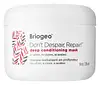 Key Ingredients
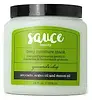
No key ingredients
Benefits
Concerns
Ingredients Side-by-side
Water
Skin ConditioningCetyl Alcohol
Emollient



Brassica Alcohol
Emollient
Propanediol
Solvent

Stearyl Alcohol
Emollient
Cetearyl Alcohol
Emollient


Persea Gratissima Oil
Skin Conditioning
Prunus Amygdalus Dulcis Oil
Skin Conditioning
Rosa Canina Fruit Oil
Emollient
Argania Spinosa Kernel Oil
Emollient


Aloe Barbadensis Leaf Juice
Skin Conditioning
Panthenol
Skin Conditioning
Leuconostoc/Radish Root Ferment Filtrate
Antimicrobial
Biotin
AntiseborrhoeicHydrolyzed Corn Protein
Skin ConditioningHydrolyzed Wheat Protein
Skin ConditioningHydrolyzed Soy Protein
Humectant
Panax Ginseng Root Extract
Emollient
Calendula Officinalis Flower Extract
Masking
Laurus Nobilis Leaf Extract
MaskingPalmaria Palmata Extract
Skin Protecting
Santalum Album Oil
Masking

Amyris Balsamifera Bark Oil
Masking
Pogostemon Cablin Leaf Oil
Masking
Elettaria Cardamomum Seed Oil
Masking
Ferula Galbaniflua Resin Oil
Antimicrobial
Guar Hydroxypropyltrimonium Chloride
Skin ConditioningCetyl Esters
Emollient
Isododecane
EmollientCetrimonium Chloride
Antimicrobial
Behentrimonium Methosulfate
SurfactantBrassicyl Isoleucinate Esylate
Emulsion StabilisingCitric Acid
Buffering

Isopropyl Myristate
Emollient
Butylene Glycol
Humectant
Glycerin
Humectant
Parfum
Masking
Sodium Hydroxide
BufferingDehydroacetic Acid
Preservative
Benzyl Alcohol
Perfuming
Water, Cetyl Alcohol, Brassica Alcohol, Propanediol, Stearyl Alcohol, Cetearyl Alcohol, Persea Gratissima Oil, Prunus Amygdalus Dulcis Oil, Rosa Canina Fruit Oil, Argania Spinosa Kernel Oil, Aloe Barbadensis Leaf Juice, Panthenol, Leuconostoc/Radish Root Ferment Filtrate, Biotin, Hydrolyzed Corn Protein, Hydrolyzed Wheat Protein, Hydrolyzed Soy Protein, Panax Ginseng Root Extract, Calendula Officinalis Flower Extract, Laurus Nobilis Leaf Extract, Palmaria Palmata Extract, Santalum Album Oil, Amyris Balsamifera Bark Oil, Pogostemon Cablin Leaf Oil, Elettaria Cardamomum Seed Oil, Ferula Galbaniflua Resin Oil, Guar Hydroxypropyltrimonium Chloride, Cetyl Esters, Isododecane, Cetrimonium Chloride, Behentrimonium Methosulfate, Brassicyl Isoleucinate Esylate, Citric Acid, Isopropyl Myristate, Butylene Glycol, Glycerin, Parfum, Sodium Hydroxide, Dehydroacetic Acid, Benzyl Alcohol
Water
Skin ConditioningGlycerin
Humectant
Dimethicone
Emollient
Cyclopentasiloxane
Emollient
Cetyl Alcohol
Emollient
Isopropyl Palmitate
Emollient
Behentrimonium Chloride
Preservative
Methyl Gluceth-20
Humectant
Honey
Humectant
Persea Gratissima Oil
Skin Conditioning
Argania Spinosa Kernel Oil
Emollient
Gardenia Taitensis Flower Extract
Skin ConditioningCocos Nucifera Oil
Masking
Ricinus Communis Seed Oil
Masking
Tocopheryl Acetate
Antioxidant

Retinyl Palmitate
Skin Conditioning
Phenoxyethanol
Preservative
Ethylhexylglycerin
Skin ConditioningParfum
Masking
Citric Acid
Buffering
CI 42090
Cosmetic ColorantCI 19140
Cosmetic ColorantCI 17200
Cosmetic ColorantWater, Glycerin, Dimethicone, Cyclopentasiloxane, Cetyl Alcohol, Isopropyl Palmitate, Behentrimonium Chloride, Methyl Gluceth-20, Honey, Persea Gratissima Oil, Argania Spinosa Kernel Oil, Gardenia Taitensis Flower Extract, Cocos Nucifera Oil, Ricinus Communis Seed Oil, Tocopheryl Acetate, Retinyl Palmitate, Phenoxyethanol, Ethylhexylglycerin, Parfum, Citric Acid, CI 42090, CI 19140, CI 17200
Reviews
Ingredients Explained
These ingredients are found in both products.
Ingredients higher up in an ingredient list are typically present in a larger amount.
You may know this ingredient as argan oil. It has emollient and skin conditioning properties that help soften skin and reinforce the lipid barrier.
The fatty acid profile of argan oil is roughly 45-55% oleic acid, 28-36% linoleic acid, 10-15% palmitic acid, and 5-7% stearic acid. It also contains vitamin E, sterols, squalene, and polyphenols like ferulic acid.
Two clinical studies in postmenopausal women found that applying argan oil for 60 days significantly improved skin elasticity and moisturization (reduced transepidermal water loss and increased epidermal water content).
Since it is high in oleic and linoleic acid, this ingredient may not be fungal acne safe. Both of these fall in the C11-C24 range that Malassezia yeast can metabolize.
Learn more about Argania Spinosa Kernel OilCetyl Alcohol is a fatty alcohol. Fatty Alcohols are most often used as an emollient or to thicken a product.
Its main roles are:
Though it has "alcohol" in the name, it is not related to denatured alcohol or ethyl alcohol.
The FDA allows products labeled "alcohol-free" to have fatty alcohols.
This ingredient may not be fungal acne safe. It is a primary fatty alcohol with a chain length above 12 carbons. A study from 2019 show Malassezia can feed on fatty alcohols in this range, so it may trigger fungal acne in those prone to it.
Learn more about Cetyl AlcoholCitric Acid is an alpha hydroxy acid (AHA) naturally found in citrus fruits like oranges, lemons, and limes.
Like other AHAs, citric acid can exfoliate skin by breaking down the bonds that hold dead skin cells together. This helps reveal smoother and brighter skin underneath.
However, this exfoliating effect only happens at high concentrations (20%) which can be hard to find in cosmetic products.
Due to this, citric acid is usually included in small amounts as a pH adjuster. This helps keep products slightly more acidic and compatible with skin's natural pH.
In skincare formulas, citric acid can:
While it can provide some skin benefits, research shows lactic acid and glycolic acid are generally more effective and less irritating exfoliants.
Most citric acid used in skincare today is made by fermenting sugars (usually from molasses). This synthetic version is identical to the natural citrus form but easier to stabilize and use in formulations.
Rosacea skin has a lower threshold for acids generally, with 62.5% of rosacea subjects in one study reacting to lactic acid in a sting test. This is why we mark citric acid as a potential rosacea trigger.
However, this ingredient shows up as a pH adjuster or chelator at roughly 0.1-1% in many products. These low levels are unlikely to be an issue for rosacea skin and becomes a potential trigger at exfoliating concentrations (20%). Because everybody's skin is unique, we recommend a patch test if you are unsure.
Learn more about Citric AcidGlycerin (or glycerol) is a compound naturally found in your skin. It's a powerhouse humectant that pulls water into the stratum corneum.
Topically, glycerin does several things at once:
Your skin makes glycerin on its own (mostly from sebaceous oil breakdown) and shuttles it to your outermost layer of skin, or your epidermis, via aquaporin-3.
Aquaporin-3 is a transporter that is essential for normal skin hydration, elasticity, and repair. Interestingly, mice lacking in AQP3 have dry and less elastic skin that can be fully corrected with glycerin.
This ingredient is non-irritating, plays well with almost every ingredient, and works across all skin types. Typical use is anywhere between 3-10% but can go up to 79% in some leave-on products.
Just know very high concentrations (>40%) can feel tacky in low humidity.
Glycerin is the name for this ingredient in American English. British English uses Glycerol/Glycerine.
Learn more about GlycerinParfum is a catch-all term for an ingredient or more that is used to give a scent to products.
Also called "fragrance", this ingredient can be a blend of hundreds of chemicals or plant oils. This means every product with "fragrance" or "parfum" in the ingredients list is a different mixture.
For instance, Habanolide is a proprietary trade name for a specific aroma chemical. When used as a fragrance ingredient in cosmetics, most aroma chemicals fall under the broad labeling category of “FRAGRANCE” or “PARFUM” according to EU and US regulations.
The term 'parfum' or 'fragrance' is not regulated in many countries. In many cases, it is up to the brand to define this term.
For instance, many brands choose to label themselves as "fragrance-free" because they are not using synthetic fragrances. However, their products may still contain ingredients such as essential oils that are considered a fragrance by INCI standards.
One example is Calendula flower extract. Calendula is an essential oil that still imparts a scent or 'fragrance'.
Depending on the blend, the ingredients in the mixture can cause allergies and sensitivities on the skin. Some ingredients that are known EU allergens include linalool and citronellol.
Parfum can also be used to mask or cover an unpleasant scent.
The bottom line is: not all fragrances/parfum/ingredients are created equally. If you are worried about fragrances, we recommend taking a closer look at an ingredient. And of course, we always recommend speaking with a professional.
Learn more about ParfumThis ingredient is also known as Avocado oil. It's the cold-pressed oil from the flesh of the avocado fruit packed with fatty acids (mostly oleic acid).
The rich fatty acid profile allows it to function as a skin conditioning agent and emollient; it helps soften and smooth skin while reducing water loss.
Preclinical research has found that topical avocado oil increased collagen synthesis and reduced inflammation during wound healing, giving it some skin-repairing credibility.
The unsaponifiable fraction of the oil is also interesting: studies on avocado unsaponifiables showed that it helped skin produce more collagen and other structural compounds that support healing.
The CIR Expert Panel has found this ingredient to be non-irritating in formulations.
It's a great ingredient for dry or compromised skin. Just know it may not be fungal acne safe. This is because the oleic acid content falls within the range that Malassezia can use as a food source.
Learn more about Persea Gratissima OilWater. It's the most common cosmetic ingredient of all. You'll usually see it at the top of ingredient lists, meaning that it makes up the largest part of the product.
So why is it so popular? Water most often acts as a solvent - this means that it helps dissolve other ingredients into the formulation.
You'll also recognize water as that liquid we all need to stay alive. If you see this, drink a glass of water. Remember to stay hydrated!
Learn more about Water

