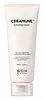
This barrier-repair moisturizer is formulated around Squalane and Panthenol to strengthen the skin barrier and hydrate skin.
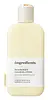
This barrier-repair moisturizer is formulated around Centella Asiatica Extract and Copper Tripeptide-1 to strengthen the skin barrier and calm redness.

What's inside
What's inside
 Key Ingredients
Benefits
Concerns
Ingredients Side-by-side
Water
Skin ConditioningGlycerin
Humectant


Butylene Glycol
Humectant
Cetyl Ethylhexanoate
EmollientCaprylic/Capric Triglyceride
Masking
1,2-Hexanediol
Skin Conditioning
C14-22 Alcohols
Emulsion Stabilising
Squalane
Emollient
Palmitic Acid
Emollient




Stearic Acid
Cleansing
Panthenol
Skin Conditioning

Vinyldimethicone

Ceramide NP
Skin Conditioning
Ceramide Ns
Skin Conditioning
Ceramide As
Skin Conditioning
Ceramide AP
Skin Conditioning
Ceramide EOP
Skin Conditioning
Cichorium Intybus Root Extract
MaskingLactobacillus Ferment Lysate
Skin Conditioning
Lactococcus Ferment Lysate
Skin Conditioning
Lactobacillus Ferment
Skin Conditioning
Lactococcus Ferment
Skin ConditioningAgave Tequilana Leaf Extract
AstringentCynara Scolymus Leaf Extract
Skin ConditioningSodium PCA
Humectant
Magnesium Sulfate
Glyceryl Glucoside
Humectant
Beta-Glucan
Skin Conditioning
Phytosphingosine
Skin Conditioning
Glyceryl Stearate
Emollient
Hydrogenated Lecithin
Emulsifying
Butyrospermum Parkii Butter
Skin Conditioning
C12-20 Alkyl Glucoside
EmulsifyingCetearyl Alcohol
Emollient
Dipropylene Glycol
HumectantCarbomer
Emulsion StabilisingArginine
Masking
Sodium Polyacryloyldimethyl Taurate
Emulsion StabilisingDicaprylyl Ether
Emollient
Sodium Stearoyl Glutamate
CleansingXanthan Gum
EmulsifyingEthylhexylglycerin
Skin ConditioningDisodium EDTA
ChelatingPolyglyceryl-10 Dilaurate
Surfactant
Pantolactone
Humectant
Malt Extract
Skin Protecting2,3-Butanediol
HumectantBetaine
Humectant
Polyglutamic Acid
Skin Conditioning
Sodium Hyaluronate
Humectant
Cholesterol
Emollient
Water, Glycerin, Butylene Glycol, Cetyl Ethylhexanoate, Caprylic/Capric Triglyceride, 1,2-Hexanediol, C14-22 Alcohols, Squalane, Palmitic Acid, Stearic Acid, Panthenol, Vinyldimethicone, Ceramide NP, Ceramide Ns, Ceramide As, Ceramide AP, Ceramide EOP, Cichorium Intybus Root Extract, Lactobacillus Ferment Lysate, Lactococcus Ferment Lysate, Lactobacillus Ferment, Lactococcus Ferment, Agave Tequilana Leaf Extract, Cynara Scolymus Leaf Extract, Sodium PCA, Magnesium Sulfate, Glyceryl Glucoside, Beta-Glucan, Phytosphingosine, Glyceryl Stearate, Hydrogenated Lecithin, Butyrospermum Parkii Butter, C12-20 Alkyl Glucoside, Cetearyl Alcohol, Dipropylene Glycol, Carbomer, Arginine, Sodium Polyacryloyldimethyl Taurate, Dicaprylyl Ether, Sodium Stearoyl Glutamate, Xanthan Gum, Ethylhexylglycerin, Disodium EDTA, Polyglyceryl-10 Dilaurate, Pantolactone, Malt Extract, 2,3-Butanediol, Betaine, Polyglutamic Acid, Sodium Hyaluronate, Cholesterol
Water
Skin ConditioningGlycerin
Humectant
Propanediol
Solvent
Caprylic/Capric Triglyceride
Masking
Cetyl Ethylhexanoate
Emollient1,2-Hexanediol
Skin Conditioning
Glyceryl Stearate
Emollient
Phenyl Trimethicone
Skin Conditioning
C14-22 Alcohols
Emulsion Stabilising
Polysorbate 60
Emulsifying
Arginine
Masking
Coptis Japonica Root Extract
Skin ConditioningCarbomer
Emulsion StabilisingButylene Glycol
Humectant
Corchorus Olitorius Leaf Extract
Skin ConditioningDaucus Carota Sativa Root Extract
Skin Conditioning
Ilex Paraguariensis Leaf Extract
Perfuming
Borago Officinalis Extract
Emollient
C12-20 Alkyl Glucoside
EmulsifyingCentella Asiatica Extract
Cleansing
Glucose
Humectant
Polyglyceryl-10 Laurate
Skin Conditioning
Ethylhexylglycerin
Skin ConditioningTripeptide-1
Skin Conditioning
Copper Tripeptide-1
Skin Conditioning
Palmitoyl Pentapeptide-4
Skin Conditioning
Palmitoyl Tripeptide-1
Skin Conditioning
Hexapeptide-9
Skin Conditioning
Hexapeptide-11
Skin Conditioning
Acetyl Tetrapeptide-2
Skin Conditioning
Acetyl Tetrapeptide-5
Humectant
Palmitoyl Tripeptide-5
Skin Conditioning
Water, Glycerin, Propanediol, Caprylic/Capric Triglyceride, Cetyl Ethylhexanoate, 1,2-Hexanediol, Glyceryl Stearate, Phenyl Trimethicone, C14-22 Alcohols, Polysorbate 60, Arginine, Coptis Japonica Root Extract, Carbomer, Butylene Glycol, Corchorus Olitorius Leaf Extract, Daucus Carota Sativa Root Extract, Ilex Paraguariensis Leaf Extract, Borago Officinalis Extract, C12-20 Alkyl Glucoside, Centella Asiatica Extract, Glucose, Polyglyceryl-10 Laurate, Ethylhexylglycerin, Tripeptide-1, Copper Tripeptide-1, Palmitoyl Pentapeptide-4, Palmitoyl Tripeptide-1, Hexapeptide-9, Hexapeptide-11, Acetyl Tetrapeptide-2, Acetyl Tetrapeptide-5, Palmitoyl Tripeptide-5
Reviews
Ingredients Explained
These ingredients are found in both products.
Ingredients higher up in an ingredient list are typically present in a larger amount.
1,2-Hexanediol is a synthetic liquid and another multi-functional powerhouse.
It is a:
- Humectant, drawing moisture into the skin
- Emollient, helping to soften skin
- Solvent, dispersing and stabilizing formulas
- Preservative booster, enhancing the antimicrobial activity of other preservatives
Arginine is a semi-essential amino acid. This just means our bodies can product a bit on its own, but sometimes needs a little boost from food sources.
It is a part of your skin's natural moisturizing factor (NMF), or the water-loving molecules in your outermost layer of skin (stratum corneum) that keeps everything hydrated and happy.
Here's an interesting thing about Arginine: your skin converts it into urea through the Krebs-Henseleit urea cycle. Urea is one of the most effective humectants your skin naturally produces.
A clinical study showed applying 2.5% arginine hydrochloride to atopic dermatitis skin showed significant urea levels in the stratum corneum and improved moisture in just four weeks.
Arginine is also a precursor to nitric oxide; nitric oxide improves microcirculation and supports wound healing and collagen synthesis.
One study found that an amino acid complex containing Arginine reduced skin irritation, improved hydration, and accelerated skin repair in clinical / in-vivo studies.
Arginine itself is an amino acid and not a fatty acid, oil, or ester. On its own, it's not a direct food source for Malassezia, or the yeast that causes fungal acne.
Learn more about ArginineButylene Glycol (or BG) is used within cosmetic products for a few different reasons:
Overall, Butylene Glycol is a safe and well-rounded ingredient that works well with other ingredients.
Though this ingredient works well with most skin types, some people with sensitive skin may experience a reaction such as allergic rashes, closed comedones, or itchiness.
Learn more about Butylene GlycolWe don't have a description for C12-20 Alkyl Glucoside yet.
This ingredient is a blend of long-chain fatty alcohols (myristyl, cetyl, stearyl, arachidyl, and behenyl). It is an emulsion stabilizer with emollient properties.
Don't let the word "alcohol" scare you: fatty alcohols are nothing like the drying solvents. This ingredient actually helps soften and smooth the skin.
By the way, the FDA allows products to be labeled "alcohol-free" even when they contain fatty alcohols like this one.
In a formula, it prevents the water and oil phases from separating over time while also contributing to a pleasant, non-greasy slip.
Interestingly, this ingredient can organize into the structures that mimic the skin's own lipid architecture to help support barrier function and reduce transepidermal water loss (TEWL).
The CIR Expert Panel has thoroughly assess the individual fatty alcohols that make up this blend and found no significant toxicity or dermal irritation.
Learn more about C14-22 AlcoholsCaprylic/Capric Triglyceride (aka MCT Oil) is a lightweight emollient, solvent, and texture enhancer. It is considered a skin-softener by helping to prevent moisture loss.
Though it behaves like an oil, it is not technically one due to its chemical composition. One perk of this ingredient is that it is very stable, resistant to oxidation, and unlikely to go rancid.
In practice, that translates to a long shelf life and a consistently elegant skin feel.
While there is an assumption Caprylic Triglyceride can clog pores due to it being derived from coconut oil, there is no research supporting this. Just patch test if you have concerns.
Fractionated coconut oil and MCT Oil are both listed as Caprylic/Capric Triglyceride according to INCI. This is because INCI names are based on the ingredient’s final chemical composition and not its marketing name or source.
This ingredient is treated as the gold standard fungal acne safe oil. Even though it is coconut derived, the problematic lauric acid is stripped out.
This leaves just caprylic (C8) and capric (C10) acid. These chain lengths actually trend antifungal; a 2020 study found caprylic acid was enough to disrupt Malassezia furfur cell membrane, with a caprylic acid derivative damaging membrane structures at concentrations as low as 0.2%.
Learn more about Caprylic/Capric TriglycerideCarbomer is a synthetic thickening and gelling agent. It's basically the ingredient that gives a lot of serums, gels, creams, and sunscreens their smooth, non-sticky texture.
Although legally permitted at very high levels, carbomers are normally used at concentrations below 1%.
It also needs to be neutralized to actually thicken, and because it is a large molecule, it doesn't really penetrate the skin barrier.
Allergy-wise, the risk is very low. Clinical studies show carbomers have low potential for skin irritation/sensitization even at concentrations up to 100%.
A 2024 UK study patch-tested 1,302 patients and found true allergy to the parent group of carbomer to be rare with no confirmed relevant reactions.
Learn more about CarbomerCetyl Ethylhexanoate is an emollient ester. It comes from cetearyl alcohol and 2-ethylhexanoic acid.
Cetyl Ethylhexanoate is an emollient that adds a velvety feel to skin without being greasy or oily. Emollients help trap moisture into your skin, keeping your skin soft and hydrated.
Ethylhexylglycerin is created from glycerin. It is a multitasker ingredient that:
The CIR Expert Panel found minimal skin absorption or sensitization of any kind in a safety assessment. Though this ingredient is considered well-tolerated, a small number of cases of allergic dermatitis have been published since 2002. Just be sure to patch test if you are unsure.
Industry-reported use ranges from 8% in rinse-off products and 2% in leave-on formulations.
Learn more about EthylhexylglycerinGlycerin (or glycerol) is a compound naturally found in your skin. It's a powerhouse humectant that pulls water into the stratum corneum.
Topically, glycerin does several things at once:
Your skin makes glycerin on its own (mostly from sebaceous oil breakdown) and shuttles it to your outermost layer of skin, or your epidermis, via aquaporin-3.
Aquaporin-3 is a transporter that is essential for normal skin hydration, elasticity, and repair. Interestingly, mice lacking in AQP3 have dry and less elastic skin that can be fully corrected with glycerin.
This ingredient is non-irritating, plays well with almost every ingredient, and works across all skin types. Typical use is anywhere between 3-10% but can go up to 79% in some leave-on products.
Just know very high concentrations (>40%) can feel tacky in low humidity.
Glycerin is the name for this ingredient in American English. British English uses Glycerol/Glycerine.
Learn more about GlycerinGlyceryl Stearate is made by reacting glycerin with stearic acid (typically sourced from plant oils like palm or coconut). It's an emulsifier, emollient, and mild occlusive.
Emulsifiers help ingredients like oil and water stay mixed so your formula stays nicely blended and uniform in texture.
This ingredient is typically used in concentrations between 1-10%. Studies have found it to be non-sensitizing, non-phototoxic, and non-photoallergenic.
A close cousin of this ingredient is Glyceryl Stearate SE ("self-emulsifying"). This just has a small amount of sodium or potassium stearate added so it can emulsify without a co-emulsifier.
Since this ingredient is an ester of a C18 fatty acid, it may not be fungal acne safe. The Malassezia yeast can potentially metabolize within the C11-C24 range.
Fun fact: The human body also creates Glyceryl Stearate naturally.
Learn more about Glyceryl StearateWater. It's the most common cosmetic ingredient of all. You'll usually see it at the top of ingredient lists, meaning that it makes up the largest part of the product.
So why is it so popular? Water most often acts as a solvent - this means that it helps dissolve other ingredients into the formulation.
You'll also recognize water as that liquid we all need to stay alive. If you see this, drink a glass of water. Remember to stay hydrated!
Learn more about Water

