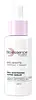
This brightening serum is formulated around 3-O-Ethyl Ascorbic Acid and Resveratrol to brighten dull-looking skin and fade the look of dark spots.
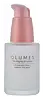
This anti-aging emulsion is formulated around Niacinamide and Ceramide NP to soften the look of wrinkles and strengthen the skin barrier.


What's inside
What's inside
 Key Ingredients
Benefits
Concerns
Ingredients Side-by-side
Water
Skin ConditioningPanthenol
Skin Conditioning




Methylpropanediol
SolventBetaine
Humectant
3-O-Ethyl Ascorbic Acid
Skin Conditioning



Hydroxypropyl Cyclodextrin
MaskingCyclodextrin
AbsorbentPolydextrose
HumectantResveratrol
Antioxidant

PEG-12 Dimethicone
Skin Conditioning
Sclerotium Gum
Emulsion StabilisingSodium Polyacryloyldimethyl Taurate
Emulsion StabilisingBis-PEG-18 Methyl Ether Dimethyl Silane
EmollientSodium Hyaluronate
Humectant
Glyceryl Stearate
Emollient

Alpha-Arbutin
Antioxidant

Polysorbate 80
Emulsifying
Ethylhexylglycerin
Skin ConditioningLimonia Acidissima Extract
Skin ConditioningNiacinamide
Smoothing


Pentylene Glycol
Skin Conditioning
Broussonetia Papyrifera Bark Extract
Skin ConditioningAcetyl Glucosamine
Skin Conditioning
Morus Alba Bark Extract
Skin ConditioningPyrus Malus Fruit Extract
Skin Conditioning
Camellia Japonica Flower Extract
EmollientCamellia Sinensis Leaf Extract
Antimicrobial
Madecassoside
Antioxidant
Rhus Semialata Extract
Skin ConditioningTricholoma Matsutake Extract
Skin ConditioningLactic Acid
Buffering


Butylene Glycol
Humectant
Dextran
Nonapeptide-1
Skin Conditioning
Euglena Gracilis Extract
Skin ConditioningPotassium Sorbate
Preservative
Tocopherol
Antioxidant
Phenoxyethanol
Preservative
Chlorphenesin
Antimicrobial
Sodium Metabisulfite
Antioxidant
Disodium EDTA
ChelatingWater, Panthenol, Methylpropanediol, Betaine, 3-O-Ethyl Ascorbic Acid, Hydroxypropyl Cyclodextrin, Cyclodextrin, Polydextrose, Resveratrol, PEG-12 Dimethicone, Sclerotium Gum, Sodium Polyacryloyldimethyl Taurate, Bis-PEG-18 Methyl Ether Dimethyl Silane, Sodium Hyaluronate, Glyceryl Stearate, Alpha-Arbutin, Polysorbate 80, Ethylhexylglycerin, Limonia Acidissima Extract, Niacinamide, Pentylene Glycol, Broussonetia Papyrifera Bark Extract, Acetyl Glucosamine, Morus Alba Bark Extract, Pyrus Malus Fruit Extract, Camellia Japonica Flower Extract, Camellia Sinensis Leaf Extract, Madecassoside, Rhus Semialata Extract, Tricholoma Matsutake Extract, Lactic Acid, Butylene Glycol, Dextran, Nonapeptide-1, Euglena Gracilis Extract, Potassium Sorbate, Tocopherol, Phenoxyethanol, Chlorphenesin, Sodium Metabisulfite, Disodium EDTA
Water
Skin ConditioningNiacinamide
Smoothing
Glycerin
Humectant
C12-15 Alkyl Benzoate
AntimicrobialButylene Glycol
Humectant
Caprylic/Capric Triglyceride
Masking
Polyacrylamide
Dimethicone
Emollient
Tocopheryl Acetate
Antioxidant
Ceramide NP
Skin Conditioning
Sodium Ascorbyl Phosphate
Antioxidant
Acetyl Tetrapeptide-5
Humectant
Palmitoyl Pentapeptide-4
Skin Conditioning
Pyridoxine Hcl
Skin ConditioningPalmitoyl Tetrapeptide-7
Skin Conditioning
Hexapeptide-9
Skin Conditioning
Acetyl Hexapeptide-8
Humectant
Maltodextrin
Absorbent
Tripeptide-1
Skin Conditioning
Calcium Pantothenate
Acetyl Tetrapeptide-2
Skin Conditioning
Polyglyceryl-10 Stearate
Skin Conditioning
Copper Tripeptide-1
Skin Conditioning
Adenosine
Skin Conditioning
Tripeptide-32
Skin Conditioning
Pentylene Glycol
Skin Conditioning
Nonapeptide-1
Skin Conditioning
Palmitoyl Tripeptide-1
Skin Conditioning
Hydroxypropyl Bispalmitamide Mea
Emollient
Xanthan Gum
EmulsifyingPhytosterols
Skin Conditioning
C13-14 Isoparaffin
Emollient
Glyceryl Caprylate
EmollientPalmitoyl Tripeptide-5
Skin Conditioning
Disteardimonium Hectorite
StabilisingStearic Acid
Cleansing
Lecithin
Emollient
Sodium Starch Octenylsuccinate
AbsorbentSilica
Abrasive
Polyglyceryl-10 Laurate
Skin Conditioning
Laureth-7
Emulsifying1,2-Hexanediol
Skin Conditioning
Phenoxyethanol
Preservative
Ethylhexylglycerin
Skin ConditioningDisodium EDTA
ChelatingWater, Niacinamide, Glycerin, C12-15 Alkyl Benzoate, Butylene Glycol, Caprylic/Capric Triglyceride, Polyacrylamide, Dimethicone, Tocopheryl Acetate, Ceramide NP, Sodium Ascorbyl Phosphate, Acetyl Tetrapeptide-5, Palmitoyl Pentapeptide-4, Pyridoxine Hcl, Palmitoyl Tetrapeptide-7, Hexapeptide-9, Acetyl Hexapeptide-8, Maltodextrin, Tripeptide-1, Calcium Pantothenate, Acetyl Tetrapeptide-2, Polyglyceryl-10 Stearate, Copper Tripeptide-1, Adenosine, Tripeptide-32, Pentylene Glycol, Nonapeptide-1, Palmitoyl Tripeptide-1, Hydroxypropyl Bispalmitamide Mea, Xanthan Gum, Phytosterols, C13-14 Isoparaffin, Glyceryl Caprylate, Palmitoyl Tripeptide-5, Disteardimonium Hectorite, Stearic Acid, Lecithin, Sodium Starch Octenylsuccinate, Silica, Polyglyceryl-10 Laurate, Laureth-7, 1,2-Hexanediol, Phenoxyethanol, Ethylhexylglycerin, Disodium EDTA
Reviews
Ingredients Explained
These ingredients are found in both products.
Ingredients higher up in an ingredient list are typically present in a larger amount.
Butylene Glycol (or BG) is used within cosmetic products for a few different reasons:
Overall, Butylene Glycol is a safe and well-rounded ingredient that works well with other ingredients.
Though this ingredient works well with most skin types, some people with sensitive skin may experience a reaction such as allergic rashes, closed comedones, or itchiness.
Learn more about Butylene GlycolDisodium EDTA is a chelating agent. It grabs onto and deactivates metal ions that sneak into your products from water, packaging, or air.
This ingredient mainly works behind the scenes and helps with:
On top of that, this ingredient can counteract the effects of hard water by binding to the minerals in it.
One thing worth knowing is that Disodium EDTA has been shown to be a mild penetration enhancer. It can help other ingredients absorb into skin more effectively which can be a double-edged sword (great for actives, but can also make the active too strong if you have sensitive skin).
Clinical patch testing showed no significant skin irritation at typical use concentrations and minimal dermal absorption.
You'll most likely see this ingredient near the end of an ingredient list. It's typically found in concentrations less than 1%.
Learn more about Disodium EDTAEthylhexylglycerin is created from glycerin. It is a multitasker ingredient that:
The CIR Expert Panel found minimal skin absorption or sensitization of any kind in a safety assessment. Though this ingredient is considered well-tolerated, a small number of cases of allergic dermatitis have been published since 2002. Just be sure to patch test if you are unsure.
Industry-reported use ranges from 8% in rinse-off products and 2% in leave-on formulations.
Learn more about EthylhexylglycerinNiacinamide is a multitasking form of vitamin B3 that strengthens the skin barrier, reduces pores and dark spots, regulates oil, and improves signs of aging.
And the best part? It's gentle and well-tolerated by most skin types, including sensitive and reactive skin.
You might have heard of "niacin flush", or the reddening of skin that causes itchiness. Niacinamide has not been found to cause this.
In very rare cases, some individuals may not be able to tolerate niacinamide at all or experience an allergic reaction to it.
If you are experiencing flaking, irritation, and dryness with this ingredient, be sure to double check all your products as this ingredient can be found in all categories of skincare.
When incorporating niacinamide into your routine, look out for concentration amounts. Typically, 5% niacinamide provides benefits such as fading dark spots. However, if you have sensitive skin, it is better to begin with a smaller concentration.
When you apply niacinamide to your skin, your body converts it into nicotinamide adenine dinucleotide (NAD). NAD is an essential coenzyme that is already found in your cells as "fuel" and powers countless biological processes.
In your skin, NAD helps repair cell damage, produce new healthy cells, support collagen production, strengthen the skin barrier, and fight environmental stressors (like UV and pollution).
Our natural NAD levels start to decline with age, leading to slower skin repair, visible aging, and a weaker skin barrier. By providing your skin niacinamide, you're recharging your skin's NAD levels. This leads to stronger, healthier, and younger looking skin.
Another name for vitamin B3 is nicotinamide. This vitamin is water-soluble and our bodies don't store it. We obtain Vitamin B3 from either food or skincare. Meat, fish, wheat, yeast, and leafy greens contain vitamin B3.
The type of niacinamide used in skincare is synthetically created.
Learn more about NiacinamideNonapeptide-1 is created from amino acids including arginine and lysine.
It has antioxidant and antimicrobial properties.
Emerging studies show Nonapeptide-1 to help with reducing pigmentation and brightening the skin. It has shown to prevent the activation of tyrosinase, an enzyme in the skin that begins the process of melanin creation. Melanin is responsible for giving skin a tan or dark spots.
Learn more about Nonapeptide-1Pentylene Glycol (1,2-pentanediol) is a multitasking little diol with three main roles in a formula:
Research on alkanediols (the family pentylene glycol belongs to) show they work by disrupting microbial cell membranes. This disruption helps the primary preservative system in a product work more effectively at lower doses.
On the safety side, the Cosmetic Ingredient Review Expert Panel has concluded this ingredient to be safe as used in current cosmetic practices + concentrations.
Typical use levels in a formula run about 1-5%.
Learn more about Pentylene GlycolPhenoxyethanol is one of the most widely used preservatives in skincare (and for good reason!).
It has a large spectrum of antimicrobial activity and especially effective bacteria, yeast, and mold while only having a weak effect on your skin's natural microbiome.
On a cellular level, it disrupts the cell membranes of microbes by poking holes that make the cell leak. This shuts down the chemical reactions the microbe needs to make energy so it can no longer survive.
Another perk of this ingredient is that it stays functional across a wide pH range (3-10).
You'll often see it paired with boosters like Ethylhexylglycerin; one study showed that a 1:9 ratio of Ethylhexylglycerin to Phenoxyethanol damages bacterial membranes as effectively as doubling the Phenoxyethanol concentration on its own.
Typical use concentrations range from 0.3-1% depending on the formula, and this ingredient is capped at 1% int the EU.
Safety-wise, the fear mongering does not hold up to the evidence. The EU's Scientific Committee on Consumer Safety and FDA consider it safe as a preservative at up to 1%, including for children of all ages.
Adverse systemic effects only showed up in animal studies at exposures roughly 200x higher than what people get from cosmetics. And despite its very widespread use, this ingredient is a rare sensitizer and allergic reactions are uncommon.
Learn more about PhenoxyethanolWater. It's the most common cosmetic ingredient of all. You'll usually see it at the top of ingredient lists, meaning that it makes up the largest part of the product.
So why is it so popular? Water most often acts as a solvent - this means that it helps dissolve other ingredients into the formulation.
You'll also recognize water as that liquid we all need to stay alive. If you see this, drink a glass of water. Remember to stay hydrated!
Learn more about Water

