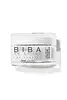
This barrier-repair moisturizer is formulated around Butyrospermum Parkii Butter and Palmitoyl Tripeptide-38 to strengthen the skin barrier and hydrate skin.
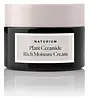
This barrier-repair moisturizer is formulated around Phospholipids and Sphingolipids to strengthen the skin barrier and hydrate skin.

What's inside
What's inside
 Key Ingredients
Benefits
Concerns
Ingredients Side-by-side
Water
Skin ConditioningTrioctyldodecyl Citrate
EmollientCaprylic/Capric Triglyceride
Masking


Glycerin
Humectant
Beeswax
Emulsion Stabilising




Polyglyceryl-2 Oleate
Emulsifying
Polyhydroxystearic Acid
Emulsifying
Butyrospermum Parkii Butter
Skin Conditioning
Buddleja Davidii Extract
Skin ConditioningPalmitoyl Tripeptide-38
Skin Conditioning


Saccharomyces Lysate Extract
Humectant
Phospholipids
Skin Conditioning
Xylitylglucoside
Humectant
Anhydroxylitol
Humectant
Xylitol
Humectant
Oryza Sativa Bran Extract
Skin Conditioning
Helianthus Annuus Extract
Emollient
Rosmarinus Officinalis Leaf Extract
AntimicrobialTocopherol
Antioxidant




Thymus Vulgaris Extract
Perfuming
Citrus Paradisi Juice
Perfuming
Polyglyceryl-2 Stearate
Emulsifying
Hydroxypropyl Cyclodextrin
MaskingMagnesium Sulfate
Zinc Stearate
Cosmetic ColorantPhenoxyethanol
Preservative
Ethylhexylglycerin
Skin ConditioningDisodium EDTA
ChelatingCananga Odorata Flower Oil
Masking



Cymbopogon Flexuosus Oil
Masking
Liquidambar Styraciflua Oil
Masking
Ocimum Basilicum Oil
Masking
Pelargonium Graveolens Flower Oil
Masking
Piper Nigrum Seed Oil
Astringent
Rosmarinus Officinalis Leaf Oil
Masking
Viola Odorata Extract
Skin ConditioningWater, Trioctyldodecyl Citrate, Caprylic/Capric Triglyceride, Glycerin, Beeswax, Polyglyceryl-2 Oleate, Polyhydroxystearic Acid, Butyrospermum Parkii Butter, Buddleja Davidii Extract, Palmitoyl Tripeptide-38, Saccharomyces Lysate Extract, Phospholipids, Xylitylglucoside, Anhydroxylitol, Xylitol, Oryza Sativa Bran Extract, Helianthus Annuus Extract, Rosmarinus Officinalis Leaf Extract, Tocopherol, Thymus Vulgaris Extract, Citrus Paradisi Juice, Polyglyceryl-2 Stearate, Hydroxypropyl Cyclodextrin, Magnesium Sulfate, Zinc Stearate, Phenoxyethanol, Ethylhexylglycerin, Disodium EDTA, Cananga Odorata Flower Oil, Cymbopogon Flexuosus Oil, Liquidambar Styraciflua Oil, Ocimum Basilicum Oil, Pelargonium Graveolens Flower Oil, Piper Nigrum Seed Oil, Rosmarinus Officinalis Leaf Oil, Viola Odorata Extract
Water
Skin ConditioningGlycerin
Humectant
Oleic/Linoleic/Linolenic Polyglycerides
Emollient
Ethylhexyl Olivate
Skin Conditioning
Behenyl Alcohol
Emollient
C12-16 Alcohols
EmollientButyrospermum Parkii Butter
Skin Conditioning
Caprylic/Capric Triglyceride
Masking
Hydrogenated Olive Oil Decyl Esters
Emulsion Stabilising
Isostearyl Alcohol
Emollient
C13-15 Alkane
SolventButylene Glycol Cocoate
Emulsifying
Hydrogenated Lecithin
Emulsifying
Palmitic Acid
Emollient
Phospholipids
Skin Conditioning
Sphingolipids
Emollient
Crambe Abyssinica Seed Oil
Skin Conditioning
Squalane
Emollient
Linoleic Acid
Cleansing
Linolenic Acid
Cleansing
Microcrystalline Cellulose
AbsorbentCitric Acid
Buffering
Oryza Sativa Bran Extract
Skin Conditioning
Caprylyl Glycol
Emollient
Ethylcellulose
Helianthus Annuus Extract
Emollient
Sodium Hyaluronate
Humectant
Tocopherol
Antioxidant
Caprylhydroxamic Acid
ChelatingXanthan Gum
EmulsifyingPhenoxyethanol
Preservative
Sodium Phytate
ChelatingPotassium Sorbate
Preservative
Rosmarinus Officinalis Leaf Extract
AntimicrobialSodium Citrate
BufferingWater, Glycerin, Oleic/Linoleic/Linolenic Polyglycerides, Ethylhexyl Olivate, Behenyl Alcohol, C12-16 Alcohols, Butyrospermum Parkii Butter, Caprylic/Capric Triglyceride, Hydrogenated Olive Oil Decyl Esters, Isostearyl Alcohol, C13-15 Alkane, Butylene Glycol Cocoate, Hydrogenated Lecithin, Palmitic Acid, Phospholipids, Sphingolipids, Crambe Abyssinica Seed Oil, Squalane, Linoleic Acid, Linolenic Acid, Microcrystalline Cellulose, Citric Acid, Oryza Sativa Bran Extract, Caprylyl Glycol, Ethylcellulose, Helianthus Annuus Extract, Sodium Hyaluronate, Tocopherol, Caprylhydroxamic Acid, Xanthan Gum, Phenoxyethanol, Sodium Phytate, Potassium Sorbate, Rosmarinus Officinalis Leaf Extract, Sodium Citrate
Reviews
Ingredients Explained
These ingredients are found in both products.
Ingredients higher up in an ingredient list are typically present in a larger amount.
This ingredient is also known as shea butter. It is a plant-derived extract from the nuts of the Africa shea tree and one of the most well-studied emollients.
Because it has a high concentration of fatty acids (primarily oleic, stearic, and linoleic) it is able to form a protective barrier on the skin's surface. This helps seal in moisture and prevents transepidermal water loss (TEWL).
In vitro research found an increase in skin hydration by 58% and a decrease in TEWL by 37.8% after 24 hours of applying this ingredient (pretty impressive for a single ingredient!).
Besides hydration, shea butter also contains triterpenes that have anti-inflammatory potential. In particule, lupeol cinnamate has shown the highest anti-inflammatory activity in vivo.
Shea butter also contains vitamins A and E which may contribute to antioxidant activity.
While Shea Butter has an SPF rating of about 3-4, it is not a sunscreen replacement.
This ingredient may not be fungal acne safe because its fatty acids fall within the C11-C24 range that the Malassezia yeast can metabolize.
This ingredient shows up on a lot of "pore-clogging" lists but there's no real evidence behind that. It doesn't even have a comedogenic rating from an actual study; the numbers you'll find online come from blogs citing other blogs.
Ratings for other ingredients mostly come from a 1980s rabbit ear test. This test doesn't translate well to human skin or to real products because the ingredient sits at a much lower percentage.
Some people still find it breaks them out. So if that's you, definitely trust your skin. Just know this one's based on experience and not evidence.
Learn more about Butyrospermum Parkii ButterCaprylic/Capric Triglyceride (aka MCT Oil) is a lightweight emollient, solvent, and texture enhancer. It is considered a skin-softener by helping to prevent moisture loss.
Though it behaves like an oil, it is not technically one due to its chemical composition. One perk of this ingredient is that it is very stable, resistant to oxidation, and unlikely to go rancid.
In practice, that translates to a long shelf life and a consistently elegant skin feel.
While there is an assumption Caprylic Triglyceride can clog pores due to it being derived from coconut oil, there is no research supporting this. Just patch test if you have concerns.
Fractionated coconut oil and MCT Oil are both listed as Caprylic/Capric Triglyceride according to INCI. This is because INCI names are based on the ingredient’s final chemical composition and not its marketing name or source.
This ingredient is treated as the gold standard fungal acne safe oil. Even though it is coconut derived, the problematic lauric acid is stripped out.
This leaves just caprylic (C8) and capric (C10) acid. These chain lengths actually trend antifungal; a 2020 study found caprylic acid was enough to disrupt Malassezia furfur cell membrane, with a caprylic acid derivative damaging membrane structures at concentrations as low as 0.2%.
Learn more about Caprylic/Capric TriglycerideGlycerin (or glycerol) is a compound naturally found in your skin. It's a powerhouse humectant that pulls water into the stratum corneum.
Topically, glycerin does several things at once:
Your skin makes glycerin on its own (mostly from sebaceous oil breakdown) and shuttles it to your outermost layer of skin, or your epidermis, via aquaporin-3.
Aquaporin-3 is a transporter that is essential for normal skin hydration, elasticity, and repair. Interestingly, mice lacking in AQP3 have dry and less elastic skin that can be fully corrected with glycerin.
This ingredient is non-irritating, plays well with almost every ingredient, and works across all skin types. Typical use is anywhere between 3-10% but can go up to 79% in some leave-on products.
Just know very high concentrations (>40%) can feel tacky in low humidity.
Glycerin is the name for this ingredient in American English. British English uses Glycerol/Glycerine.
Learn more about GlycerinHelianthus Annuus Extract comes from the common sunflower.
Sunflowers are rich in vitamin E. Studies show sunflowers contain antimicrobial and antioxidant properties.
The fatty acids found in sunflowers include (from highest amount to least): linoleic acid, myristic acid, palmitic acid, stearic acid, arachidic acid, oleic acid, and linolenic acid.
These fatty acids hydrate your skin. Emollients create a film on the skin to prevent moisture from escaping.
Learn more about Helianthus Annuus ExtractOryza Sativa Bran Extract comes from the outer layer of a rice kernel. It is a byproduct of milling rice, or the operation to produce a whole grain rice product.
This ingredient has moisturizing properties due to its components of polysaccharides and omega-3 fatty acids. It also contains calcium, selenium, phosphorus, iron, and zinc.
Oryza Sativa Bran Extract contains numerous antioxidants such as ferulic acid. Antioxidants help fight free-radical molecules. Free-radical molecules are capable of damaging our cells and other genetic material.
Learn more about Oryza Sativa Bran ExtractPhenoxyethanol is one of the most widely used preservatives in skincare (and for good reason!).
It has a large spectrum of antimicrobial activity and especially effective bacteria, yeast, and mold while only having a weak effect on your skin's natural microbiome.
On a cellular level, it disrupts the cell membranes of microbes by poking holes that make the cell leak. This shuts down the chemical reactions the microbe needs to make energy so it can no longer survive.
Another perk of this ingredient is that it stays functional across a wide pH range (3-10).
You'll often see it paired with boosters like Ethylhexylglycerin; one study showed that a 1:9 ratio of Ethylhexylglycerin to Phenoxyethanol damages bacterial membranes as effectively as doubling the Phenoxyethanol concentration on its own.
Typical use concentrations range from 0.3-1% depending on the formula, and this ingredient is capped at 1% int the EU.
Safety-wise, the fear mongering does not hold up to the evidence. The EU's Scientific Committee on Consumer Safety and FDA consider it safe as a preservative at up to 1%, including for children of all ages.
Adverse systemic effects only showed up in animal studies at exposures roughly 200x higher than what people get from cosmetics. And despite its very widespread use, this ingredient is a rare sensitizer and allergic reactions are uncommon.
Learn more about PhenoxyethanolPhospholipids are a family of skin-identical lipids that makeup the structural backbone of every cell membrane in your body.
In cosmetics, they function as skin conditioning agents with emulsifier and surfactant properties. They're typically sourced from soybean or sunflower lecithin (or sometimes egg yolk or marine sources).
Because they mirror the lipids naturally found in the deeper layers of your skin, topical phospholipids help reinforce the lipid matrix, reduce transepidermal water loss, and leave skin feeling conditioned.
They're also used to form liposomes, or tiny self-assembling vesible used to stabilize actives like vitamin c or retinol. This helps these ingredients integrate into the upper layers of skin more easily.
Phospholipids are compatible with everything and the CIR Expert Panel has concluded them to be safe at current use levels.
Some types of phospholipids include:
Learn more about PhospholipidsThis is a botanical extract from the rosemary plant (the same one you cook with). In skincare, it mostly works as a skin conditioning agent.
Its activity comes from a handful of polyphenols, carnosic acid, carnosol, and rosmarinic acid. Almost 90% of the antioxidant activity of this ingredient can be attributed to canosol and carnosic acid.
These compounds protect your skin two ways:
1) They fight off free radicals, or the unstable molecules from things like sun and pollution that age and damage skin.
2) They help calm inflammation by switching off the chemical signals that tell skin to get red and irritated.
Lab studies also suggest that rosmarinic acid may help protect collagen and slow sugar-related damage to it.
The Cosmetic Ingredient Review has concluded rosemary-derived ingredients to be safe when formulated to be non-sensitizing.
Rosemary can occasionally cause allergic contact dermatitis (due to carnosol), so be sure to patch test if you have reactive or fragrance-sensitive skin.
Learn more about Rosmarinus Officinalis Leaf ExtractTocopherol is a fat-soluble antioxidant known as Vitamin E.
You'll find this ingredient in the vast majority of skincare (for good reason). It works to neutralize free radicals, or unstable molecules generated by UV exposure, pollution, and other environmental stressors, before they can cause oxidative damage to your skin cells.
Topically applied tocopherol has been shown to protect against UV damage by ramping up the skin's own natural defense enzymes.
It also acts as a skin conditioning agent; some studies show that regular topical use can improve the skin's water-binding capacity over 2-4 weeks.
This ingredient is especially loved for being a team player. When combined with Vitamin C, the photoprotective effect of both ingredients roughly doubles and the combo also helps reduce UV-induced DNA damage.
This ingredient has some brightening potential but it's more of a prevention ingredient than spot-fader. Cell studies show it can slow down melanin production but it's worth noting that it's not the most powerful brightener out there.
In formulations, it also serves as a stabilizer that helps protect other oxidation-prone ingredients from degrading.
Concentrations usually range from 0.1-1% in most leave-on products.
Learn more about TocopherolWater. It's the most common cosmetic ingredient of all. You'll usually see it at the top of ingredient lists, meaning that it makes up the largest part of the product.
So why is it so popular? Water most often acts as a solvent - this means that it helps dissolve other ingredients into the formulation.
You'll also recognize water as that liquid we all need to stay alive. If you see this, drink a glass of water. Remember to stay hydrated!
Learn more about Water

