
What's inside
What's inside
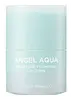 Key Ingredients
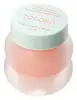
Benefits
Concerns
Ingredients Side-by-side
Diisostearyl Malate
EmollientTriethylhexanoin
MaskingPhytosteryl/Isostearyl/Cetyl/Stearyl/Behenyl Dimer Dilinoleate
Skin Conditioning
Bis-Diglyceryl Polyacyladipate-2
Emollient
Dextrin Palmitate
Emulsifying
Dipentaerythrityl Hexahydroxystearate/Hexastearate/Hexarosinate
Skin ConditioningGlyceryl Behenate/Eicosadioate
Emollient
Silica Dimethyl Silylate
EmollientWater
Skin Conditioning1,2-Hexanediol
Skin Conditioning
Sorbitan Stearate
Emulsifying
Cedrol
EmollientMenthoxypropanediol
Masking

Dimethicone
Emollient

Gluconolactone
Skin Conditioning






Glycerin
Humectant
Protease
Exfoliating

Serine
Masking
Butylene Glycol
Humectant
Cholesterol
Emollient
Hydrogenated Lecithin
Emulsifying
Squalane
Emollient
Butyrospermum Parkii Butter
Skin Conditioning

Glyceryl Glucoside
Humectant
Alcohol Denat.
Antimicrobial


Cetearyl Alcohol
Emollient

Stearic Acid
Cleansing
Hydrolyzed Sodium Hyaluronate
Skin Conditioning
Hydrolyzed Hyaluronic Acid
Humectant
Hydroxypropyltrimonium Hyaluronate
Anthriscus Sylvestris Extract
Skin ConditioningAcetyl Tetrapeptide-9
Skin Conditioning
Ceramide NP
Skin Conditioning

Pentylene Glycol
Skin Conditioning
Caprylyl Glycol
Emollient
Ceramide Ns
Skin Conditioning
Phytosphingosine
Skin Conditioning
Acetyl Hexapeptide-8
Humectant
Ceramide AP
Skin Conditioning
Ceramide As
Skin Conditioning
Ethylhexylglycerin
Skin ConditioningSodium Hyaluronate
Humectant
Sodium Hyaluronate Crosspolymer
Humectant
Soluble Proteoglycan
Skin ConditioningDesamido Collagen
Skin Conditioning
Ceramide EOP
Skin Conditioning
Diisostearyl Malate, Triethylhexanoin, Phytosteryl/Isostearyl/Cetyl/Stearyl/Behenyl Dimer Dilinoleate, Bis-Diglyceryl Polyacyladipate-2, Dextrin Palmitate, Dipentaerythrityl Hexahydroxystearate/Hexastearate/Hexarosinate, Glyceryl Behenate/Eicosadioate, Silica Dimethyl Silylate, Water, 1,2-Hexanediol, Sorbitan Stearate, Cedrol, Menthoxypropanediol, Dimethicone, Gluconolactone, Glycerin, Protease, Serine, Butylene Glycol, Cholesterol, Hydrogenated Lecithin, Squalane, Butyrospermum Parkii Butter, Glyceryl Glucoside, Alcohol Denat., Cetearyl Alcohol, Stearic Acid, Hydrolyzed Sodium Hyaluronate, Hydrolyzed Hyaluronic Acid, Hydroxypropyltrimonium Hyaluronate, Anthriscus Sylvestris Extract, Acetyl Tetrapeptide-9, Ceramide NP, Pentylene Glycol, Caprylyl Glycol, Ceramide Ns, Phytosphingosine, Acetyl Hexapeptide-8, Ceramide AP, Ceramide As, Ethylhexylglycerin, Sodium Hyaluronate, Sodium Hyaluronate Crosspolymer, Soluble Proteoglycan, Desamido Collagen, Ceramide EOP
Hydrogenated Polyisobutene
EmollientEthylene/Propylene/Styrene Copolymer
Butylene/Ethylene/Styrene Copolymer
Pentaerythrityl Tetra-Di-T-Butyl Hydroxyhydrocinnamate
Antioxidant
Phytosteryl/Isostearyl/Cetyl/Stearyl/Behenyl Dimer Dilinoleate
Skin Conditioning
Diisostearyl Malate
EmollientPolyglyceryl-2 Triisostearate
Emulsifying
Microcrystalline Wax
Emulsion StabilisingHydrogenated Poly(C6-14 Olefin)
EmollientOlea Europaea Fruit Oil
Masking

Bis-Behenyl/Isostearyl/Phytosteryl Dimer Dilinoleyl Dimer Dilinoleate
EmollientPolyethylene
Abrasive
Silica Dimethyl Silylate
EmollientSorbitan Sesquioleate
Emulsifying
Tocopheryl Acetate
Antioxidant
Eclipta Prostrata Extract
Skin Conditioning
Melia Azadirachta Leaf Extract
Skin ConditioningMoringa Oleifera Seed Oil
Emollient
Hippophae Rhamnoides Fruit Oil
Skin Protecting
Parfum
Masking
Dehydroacetic Acid
Preservative
Dimethicone
Emollient
Simmondsia Chinensis Seed Oil
Emollient
Punica Granatum Flower Extract
Skin Conditioning
Raspberry Seed Oil/Tocopheryl Succinate Aminopropanediol Esters
Skin Conditioning
Water
Skin ConditioningButylene Glycol
Humectant
1,2-Hexanediol
Skin Conditioning
Lactobionic Acid
Buffering
Hydrogenated Polyisobutene, Ethylene/Propylene/Styrene Copolymer, Butylene/Ethylene/Styrene Copolymer, Pentaerythrityl Tetra-Di-T-Butyl Hydroxyhydrocinnamate, Phytosteryl/Isostearyl/Cetyl/Stearyl/Behenyl Dimer Dilinoleate, Diisostearyl Malate, Polyglyceryl-2 Triisostearate, Microcrystalline Wax, Hydrogenated Poly(C6-14 Olefin), Olea Europaea Fruit Oil, Bis-Behenyl/Isostearyl/Phytosteryl Dimer Dilinoleyl Dimer Dilinoleate, Polyethylene, Silica Dimethyl Silylate, Sorbitan Sesquioleate, Tocopheryl Acetate, Eclipta Prostrata Extract, Melia Azadirachta Leaf Extract, Moringa Oleifera Seed Oil, Hippophae Rhamnoides Fruit Oil, Parfum, Dehydroacetic Acid, Dimethicone, Simmondsia Chinensis Seed Oil, Punica Granatum Flower Extract, Raspberry Seed Oil/Tocopheryl Succinate Aminopropanediol Esters, Water, Butylene Glycol, 1,2-Hexanediol, Lactobionic Acid
Reviews
Ingredients Explained
These ingredients are found in both products.
Ingredients higher up in an ingredient list are typically present in a larger amount.
1,2-Hexanediol is a synthetic liquid and another multi-functional powerhouse.
It is a:
- Humectant, drawing moisture into the skin
- Emollient, helping to soften skin
- Solvent, dispersing and stabilizing formulas
- Preservative booster, enhancing the antimicrobial activity of other preservatives
Butylene Glycol (or BG) is used within cosmetic products for a few different reasons:
Overall, Butylene Glycol is a safe and well-rounded ingredient that works well with other ingredients.
Though this ingredient works well with most skin types, some people with sensitive skin may experience a reaction such as allergic rashes, closed comedones, or itchiness.
Learn more about Butylene GlycolDiisostearyl Malate is an emollient and most often used in lip products. It comes from isostearyl alcohol, a fatty acid, and malic acid, an AHA.
As an emollient, Diisostearyl Malate helps create a thin film on your skin to trap moisture in. This helps keep your skin soft and smooth.
Dimethicone is a type of synthetic silicone created from natural materials such as quartz. It is also known as polydimethylsiloxane.
What it does:
Dimethicone comes in different viscosities:
Depending on the viscosity, dimethicone has different properties.
Ingredients lists don't always show which type is used, so we recommend reaching out to the brand if you have questions about the viscosity.
This ingredient is unlikely to cause irritation because it does not get absorbed into skin. However, people with silicone allergies should be careful about using this ingredient.
Note: Dimethicone may contribute to pilling. This is because it is not oil or water soluble, so pilling may occur when layered with products. When mixed with heavy oils in a formula, the outcome is also quite greasy.
Learn more about DimethiconeThis is a plant-derived ester that functions as a skin conditioner. It's basically a two linoleic acid molecules combined with fatty alcohols.
In practice, it works as a rich emollient that helps reduce moisture loss and give skin a soft appearance.
The phytosterol part of this ingredient brings an added structural bonus: phytosterols are structurally similar to cholesterol so they can fit right into the stratum corneum's lipid matrix to help reinforce the skin barrier.
Due to its molecular structure, this ingredient delivers a cushiony and glossy feeling without being excessively greasy.
It did not produce skin irritation or sensitization in clinical studies, and this ingredient is deemed safe to use in cosmetics at current practices.
Because this ingredient contains C16, C18, and C22 fatty chains, it may not be Malassezia/fungal acne safe. The Malassezia yeast potentially feeds on fatty acids in the C11-C24 range.
Learn more about Phytosteryl/Isostearyl/Cetyl/Stearyl/Behenyl Dimer DilinoleateThis silica is mainly used to thicken oils and suspend particles in oils. It is not water soluble.
According to the manufacturer, it:
The manufacturer also claims this ingredient to be useful in makeup.
In lipstick formulations, this ingredient improves color payoff, reduces pigment settling, and reduces oil bleeding. This ingredient also improves the grip of powder products such as dry shampoos.
Learn more about Silica Dimethyl SilylateWater. It's the most common cosmetic ingredient of all. You'll usually see it at the top of ingredient lists, meaning that it makes up the largest part of the product.
So why is it so popular? Water most often acts as a solvent - this means that it helps dissolve other ingredients into the formulation.
You'll also recognize water as that liquid we all need to stay alive. If you see this, drink a glass of water. Remember to stay hydrated!
Learn more about Water
