
What's inside
What's inside
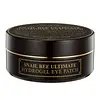 Key Ingredients
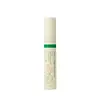
Benefits
Concerns
No concerns
Ingredients Side-by-side
Water
Skin ConditioningGlycerin
Humectant



Dipropylene Glycol
HumectantNiacinamide
Smoothing







Carrageenan

Saccharomyces/Snail Secretion Filtrate Ferment Filtrate
Skin Conditioning
Butylene Glycol
Humectant
Charcoal Powder
Abrasive
Glucose
Humectant
Potassium Chloride

Hydroxyethylcellulose
Emulsion StabilisingDiamond Powder
Abrasive
Propanediol
Solvent
Sodium Hyaluronate
Humectant
Pearl Powder
Citrus Unshiu Peel Extract
MaskingP-Anisic Acid
MaskingBeta-Glucan
Skin Conditioning
Gold
Cosmetic ColorantLevulinic Acid
Perfuming
Melaleuca Alternifolia Leaf Water
Antimicrobial
Eucalyptus Globulus Leaf Extract
Perfuming
Althaea Rosea Flower Extract
Skin ConditioningAloe Barbadensis Leaf Extract
Emollient
Punica Granatum Fruit Extract
Antioxidant
Porphyra Yezoensis Extract
Skin ConditioningChlorella Vulgaris Extract
Skin Conditioning
Laminaria Japonica Extract
Skin Protecting
Chamomilla Recutita Flower Extract
Masking
Glycine Soja Phytoplacenta Extract
Skin ConditioningCamellia Sinensis Leaf Extract
Antimicrobial
Copper Tripeptide-1
Skin Conditioning

Dextrin
AbsorbentCeratonia Siliqua Gum
EmollientCyamopsis Tetragonoloba Gum
Emulsion StabilisingMica
Cosmetic Colorant
Titanium Dioxide
Cosmetic Colorant

Iron Oxides
Panthenol
Skin Conditioning
Arginine
Masking
Bee Venom
Astringent
Ethylhexylglycerin
Skin ConditioningAdenosine
Skin Conditioning
1,2-Hexanediol
Skin Conditioning
Aniba Rosodora Wood Oil
Astringent
Water, Glycerin, Dipropylene Glycol, Niacinamide, Carrageenan, Saccharomyces/Snail Secretion Filtrate Ferment Filtrate, Butylene Glycol, Charcoal Powder, Glucose, Potassium Chloride, Hydroxyethylcellulose, Diamond Powder, Propanediol, Sodium Hyaluronate, Pearl Powder, Citrus Unshiu Peel Extract, P-Anisic Acid, Beta-Glucan, Gold, Levulinic Acid, Melaleuca Alternifolia Leaf Water, Eucalyptus Globulus Leaf Extract, Althaea Rosea Flower Extract, Aloe Barbadensis Leaf Extract, Punica Granatum Fruit Extract, Porphyra Yezoensis Extract, Chlorella Vulgaris Extract, Laminaria Japonica Extract, Chamomilla Recutita Flower Extract, Glycine Soja Phytoplacenta Extract, Camellia Sinensis Leaf Extract, Copper Tripeptide-1, Dextrin, Ceratonia Siliqua Gum, Cyamopsis Tetragonoloba Gum, Mica, Titanium Dioxide, Iron Oxides, Panthenol, Arginine, Bee Venom, Ethylhexylglycerin, Adenosine, 1,2-Hexanediol, Aniba Rosodora Wood Oil
Water
Skin ConditioningMethylpropanediol
SolventGlycerin
Humectant
1,2-Hexanediol
Skin Conditioning
Niacinamide
Smoothing
Adenosine
Skin Conditioning
Collagen
Moisturising
Sodium Hyaluronate
Humectant
Hydrolyzed Hyaluronic Acid
Humectant
Sodium Acetylated Hyaluronate
Humectant
Tripeptide-1
Skin Conditioning
Palmitoyl Pentapeptide-4
Skin Conditioning
Hexapeptide-9
Skin Conditioning
Acetyl Hexapeptide-8
Humectant
Copper Tripeptide-1
Skin Conditioning
Pyrus Malus Fruit Extract
Skin Conditioning
Prunus Mume Fruit Extract
Humectant
Vitis Vinifera Fruit Extract
Skin ConditioningHelianthus Annuus Seed Oil
Emollient
Simmondsia Chinensis Seed Oil
Emollient
Limnanthes Alba Seed Oil
Skin Conditioning
Carica Papaya Fruit Extract
Skin ConditioningCentella Asiatica Extract
Cleansing
Ficus Carica Fruit Extract
Humectant
Ulmus Davidiana Root Extract
Skin Conditioning
Amaranthus Caudatus Seed Extract
Skin Conditioning
Ceramide NP
Skin Conditioning
Hydrogenated Lecithin
Emulsifying
Leuconostoc/Radish Root Ferment Filtrate
Antimicrobial
Butylene Glycol
Humectant
Hydroxyethyl Acrylate/Sodium Acryloyldimethyl Taurate Copolymer
Emulsion StabilisingC13-14 Alkane
SolventSodium Acrylic Acid/Ma Copolymer
C15-23 Alkane
SolventEthylhexylglycerin
Skin ConditioningDecyl Glucoside
CleansingCaprylyl Glycol
Emollient
Polyglyceryl-10 Stearate
Skin Conditioning
Tocopherol
Antioxidant
Water, Methylpropanediol, Glycerin, 1,2-Hexanediol, Niacinamide, Adenosine, Collagen, Sodium Hyaluronate, Hydrolyzed Hyaluronic Acid, Sodium Acetylated Hyaluronate, Tripeptide-1, Palmitoyl Pentapeptide-4, Hexapeptide-9, Acetyl Hexapeptide-8, Copper Tripeptide-1, Pyrus Malus Fruit Extract, Prunus Mume Fruit Extract, Vitis Vinifera Fruit Extract, Helianthus Annuus Seed Oil, Simmondsia Chinensis Seed Oil, Limnanthes Alba Seed Oil, Carica Papaya Fruit Extract, Centella Asiatica Extract, Ficus Carica Fruit Extract, Ulmus Davidiana Root Extract, Amaranthus Caudatus Seed Extract, Ceramide NP, Hydrogenated Lecithin, Leuconostoc/Radish Root Ferment Filtrate, Butylene Glycol, Hydroxyethyl Acrylate/Sodium Acryloyldimethyl Taurate Copolymer, C13-14 Alkane, Sodium Acrylic Acid/Ma Copolymer, C15-23 Alkane, Ethylhexylglycerin, Decyl Glucoside, Caprylyl Glycol, Polyglyceryl-10 Stearate, Tocopherol
Reviews
Ingredients Explained
These ingredients are found in both products.
Ingredients higher up in an ingredient list are typically present in a larger amount.
1,2-Hexanediol is a synthetic liquid and another multi-functional powerhouse.
It is a:
- Humectant, drawing moisture into the skin
- Emollient, helping to soften skin
- Solvent, dispersing and stabilizing formulas
- Preservative booster, enhancing the antimicrobial activity of other preservatives
Adenosine is in every living organism. It is one of four components in nucleic acids that helps store our DNA.
Adenosine has many benefits when used. These benefits include hydrating the skin, smoothing skin, and reducing wrinkles. Once applied, adenosine increases collagen production. It also helps with improving firmness and tissue repair.
Studies have found adenosine may also help with wound healing.
In skincare products, Adenosine is usually derived from yeast.
Learn more about AdenosineButylene Glycol (or BG) is used within cosmetic products for a few different reasons:
Overall, Butylene Glycol is a safe and well-rounded ingredient that works well with other ingredients.
Though this ingredient works well with most skin types, some people with sensitive skin may experience a reaction such as allergic rashes, closed comedones, or itchiness.
Learn more about Butylene GlycolCopper Tripeptide-1 (GHK-Cu) is a skin repairing ingredient known for its ability to boost collagen, improve firmness, and support skin regeneration.
It is a complex made up of a naturally occurring peptide (glycine-histidine-lysine) and copper, an essential trace element.
While studying wound healing, researchers noticed GHK-Cu stimulated hair follicle enlargement and growth by keeping hair in its active growth phase longer. This has made it a promising ingredient for hair regrowth treatments.
Some people have reported increased facial hair. While GHK-Cu can make your hair follicles bigger, it usually doesn’t turn soft, barely-visible facial hairs into thick, dark ones.
Anecdotal reports suggest that overusing copper peptides might lead to premature aging due to excess free copper or enzyme imbalances. This claim isn’t backed by large-scale studies.
Unfortunately, there are limited human studies for this ingredient. While early results are promising, many studies are either small, in-vitro, or not rigorously controlled.
For example, there is a 1998 study that explored the effects of copper tripeptide, vitamin C, tretinoin, and melatonin on skin repair and collagen synthesis.
After one month, increased procollagen production was seen in 7 out of 10 participants using copper tripeptide (more than those using vitamin C, melatonin, or tretinoin.
While the study was exploratory, it offers early evidence that copper tripeptide may support collagen production. Larger, well-designed trials are still needed to confirm its potential and understand individual responses.
Read more about other common types of peptides here:
Learn more about Copper Tripeptide-1Ethylhexylglycerin (we can't pronounce this either) is commonly used as a preservative and skin softener. It is derived from glyceryl.
You might see Ethylhexylglycerin often paired with other preservatives such as phenoxyethanol. Ethylhexylglycerin has been found to increase the effectiveness of these other preservatives.
Glycerin is already naturally found in your skin. It helps moisturize and protect your skin.
A study from 2016 found glycerin to be more effective as a humectant than AHAs and hyaluronic acid.
As a humectant, it helps the skin stay hydrated by pulling moisture to your skin. The low molecular weight of glycerin allows it to pull moisture into the deeper layers of your skin.
Hydrated skin improves your skin barrier; Your skin barrier helps protect against irritants and bacteria.
Glycerin has also been found to have antimicrobial and antiviral properties. Due to these properties, glycerin is often used in wound and burn treatments.
In cosmetics, glycerin is usually derived from plants such as soybean or palm. However, it can also be sourced from animals, such as tallow or animal fat.
This ingredient is organic, colorless, odorless, and non-toxic.
Glycerin is the name for this ingredient in American English. British English uses Glycerol/Glycerine.
Learn more about GlycerinNiacinamide is a multitasking form of vitamin B3 that strengthens the skin barrier, reduces pores and dark spots, regulates oil, and improves signs of aging.
And the best part? It's gentle and well-tolerated by most skin types, including sensitive and reactive skin.
You might have heard of "niacin flush", or the reddening of skin that causes itchiness. Niacinamide has not been found to cause this.
In very rare cases, some individuals may not be able to tolerate niacinamide at all or experience an allergic reaction to it.
If you are experiencing flaking, irritation, and dryness with this ingredient, be sure to double check all your products as this ingredient can be found in all categories of skincare.
When incorporating niacinamide into your routine, look out for concentration amounts. Typically, 5% niacinamide provides benefits such as fading dark spots. However, if you have sensitive skin, it is better to begin with a smaller concentration.
When you apply niacinamide to your skin, your body converts it into nicotinamide adenine dinucleotide (NAD). NAD is an essential coenzyme that is already found in your cells as "fuel" and powers countless biological processes.
In your skin, NAD helps repair cell damage, produce new healthy cells, support collagen production, strengthen the skin barrier, and fight environmental stressors (like UV and pollution).
Our natural NAD levels start to decline with age, leading to slower skin repair, visible aging, and a weaker skin barrier. By providing your skin niacinamide, you're recharging your skin's NAD levels. This leads to stronger, healthier, and younger looking skin.
Another name for vitamin B3 is nicotinamide. This vitamin is water-soluble and our bodies don't store it. We obtain Vitamin B3 from either food or skincare. Meat, fish, wheat, yeast, and leafy greens contain vitamin B3.
The type of niacinamide used in skincare is synthetically created.
Learn more about NiacinamideSodium Hyaluronate is hyaluronic acid's salt form. It is commonly derived from the sodium salt of hyaluronic acid.
Like hyaluronic acid, it is great at holding water and acts as a humectant. This makes it a great skin hydrating ingredient.
Sodium Hyaluronate is naturally occurring in our bodies and is mostly found in eye fluid and joints.
These are some other common types of Hyaluronic Acid:
Learn more about Sodium HyaluronateWater. It's the most common cosmetic ingredient of all. You'll usually see it at the top of ingredient lists, meaning that it makes up the largest part of the product.
So why is it so popular? Water most often acts as a solvent - this means that it helps dissolve other ingredients into the formulation.
You'll also recognize water as that liquid we all need to stay alive. If you see this, drink a glass of water. Stay hydrated!
Learn more about Water
