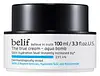
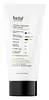
This calming moisturizer is formulated around Avena Sativa Kernel Extract and Calendula Officinalis Flower Extract to calm redness and hydrate skin.

What's inside
What's inside
 Key Ingredients
Benefits
Concerns
Ingredients Side-by-side
Water
Skin ConditioningDipropylene Glycol
HumectantGlycerin
Humectant


Methyl Trimethicone
Skin Conditioning
Alcohol Denat.
Antimicrobial




Dimethicone
Emollient
Cyclopentasiloxane
Emollient
1,2-Hexanediol
Skin Conditioning
Caprylic/Capric Triglyceride
Masking
PEG/PPG/Polybutylene Glycol-8/5/3 Glycerin
HumectantPentaerythrityl Tetraethylhexanoate
Emollient
Avena Sativa Kernel Extract
Abrasive



Calendula Officinalis Flower Extract
Masking
Nepeta Cataria Extract
TonicRubus Idaeus Leaf Extract
Skin ConditioningBaptisia Tinctoria Root Extract
Skin ConditioningStellaria Media Extract
Skin ConditioningAlchemilla Vulgaris Leaf Extract
Antioxidant
Equisetum Arvense Leaf Extract
AstringentUrtica Dioica Leaf Extract
Skin ConditioningSodium Hyaluronate
Humectant

Niacinamide
Smoothing






Polymethylsilsesquioxane
Panthenol
Skin Conditioning
PEG-150
HumectantPentaerythrityl Tetraisostearate
Emollient
Phenyl Trimethicone
Skin Conditioning
Hydroxyethyl Acrylate/Sodium Acryloyldimethyl Taurate Copolymer
Emulsion StabilisingCarbomer
Emulsion StabilisingTromethamine
BufferingSqualane
Emollient
PEG-40 Hydrogenated Castor Oil
Emulsifying
Dimethiconol
Emollient
Acrylates/C10-30 Alkyl Acrylate Crosspolymer
Emulsion StabilisingC14-22 Alcohols
Emulsion Stabilising
Polysorbate 60
Emulsifying
Butylene Glycol
Humectant
Macadamia Ternifolia Seed Oil
Emollient
Malachite Extract
Antioxidant
Triethylhexanoin
MaskingTrisodium EDTA
ChelatingArachidyl Glucoside
EmulsifyingButyrospermum Parkii Butter
Skin Conditioning

Hydrogenated Lecithin
Emulsifying
Sorbitan Isostearate
Emulsifying
Glyceryl Stearate
Emollient
Stearic Acid
Cleansing
Ceramide NP
Skin Conditioning
Cholesterol
Emollient
PEG-100 Stearate
Surfactant
Rosmarinus Officinalis Leaf Oil
Masking
Citrus Aurantifolia Oil
Cleansing
Pelargonium Graveolens Flower Oil
Masking
Citrus Aurantium Dulcis Peel Oil
Masking
Citral
Perfuming
Citronellol
Perfuming
Limonene
Perfuming
Geraniol
Perfuming
Linalool
Perfuming
Water, Dipropylene Glycol, Glycerin, Methyl Trimethicone, Alcohol Denat., Dimethicone, Cyclopentasiloxane, 1,2-Hexanediol, Caprylic/Capric Triglyceride, PEG/PPG/Polybutylene Glycol-8/5/3 Glycerin, Pentaerythrityl Tetraethylhexanoate, Avena Sativa Kernel Extract, Calendula Officinalis Flower Extract, Nepeta Cataria Extract, Rubus Idaeus Leaf Extract, Baptisia Tinctoria Root Extract, Stellaria Media Extract, Alchemilla Vulgaris Leaf Extract, Equisetum Arvense Leaf Extract, Urtica Dioica Leaf Extract, Sodium Hyaluronate, Niacinamide, Polymethylsilsesquioxane, Panthenol, PEG-150, Pentaerythrityl Tetraisostearate, Phenyl Trimethicone, Hydroxyethyl Acrylate/Sodium Acryloyldimethyl Taurate Copolymer, Carbomer, Tromethamine, Squalane, PEG-40 Hydrogenated Castor Oil, Dimethiconol, Acrylates/C10-30 Alkyl Acrylate Crosspolymer, C14-22 Alcohols, Polysorbate 60, Butylene Glycol, Macadamia Ternifolia Seed Oil, Malachite Extract, Triethylhexanoin, Trisodium EDTA, Arachidyl Glucoside, Butyrospermum Parkii Butter, Hydrogenated Lecithin, Sorbitan Isostearate, Glyceryl Stearate, Stearic Acid, Ceramide NP, Cholesterol, PEG-100 Stearate, Rosmarinus Officinalis Leaf Oil, Citrus Aurantifolia Oil, Pelargonium Graveolens Flower Oil, Citrus Aurantium Dulcis Peel Oil, Citral, Citronellol, Limonene, Geraniol, Linalool
Myristic Acid
Cleansing
Water
Skin ConditioningGlycerin
Humectant
Butylene Glycol
Humectant
Stearic Acid
Cleansing
Potassium Hydroxide
BufferingGlyceryl Stearate
Emollient
PEG-100 Stearate
Surfactant
Sodium Methyl Cocoyl Taurate
Cleansing
PEG-40 Hydrogenated Castor Oil
Emulsifying
Hydrogenated Polydecene
EmollientAvena Sativa Kernel Extract
Abrasive
Calendula Officinalis Flower Extract
Masking
Nepeta Cataria Extract
TonicRubus Idaeus Leaf Extract
Skin ConditioningBaptisia Tinctoria Root Extract
Skin ConditioningStellaria Media Extract
Skin ConditioningSaponaria Officinalis Leaf Extract
AntimicrobialSapindus Mukorossi Fruit Extract
Skin ConditioningBenincasa Cerifera Seed Extract
Skin ConditioningAcorus Calamus Root Extract
Perfuming
Artemisia Princeps Leaf Powder
Tocopheryl Acetate
Antioxidant
Polyquaternium-7
1,2-Hexanediol
Skin Conditioning
Trisodium EDTA
ChelatingParfum
Masking
Citronellol
Perfuming
Limonene
Perfuming
Myristic Acid, Water, Glycerin, Butylene Glycol, Stearic Acid, Potassium Hydroxide, Glyceryl Stearate, PEG-100 Stearate, Sodium Methyl Cocoyl Taurate, PEG-40 Hydrogenated Castor Oil, Hydrogenated Polydecene, Avena Sativa Kernel Extract, Calendula Officinalis Flower Extract, Nepeta Cataria Extract, Rubus Idaeus Leaf Extract, Baptisia Tinctoria Root Extract, Stellaria Media Extract, Saponaria Officinalis Leaf Extract, Sapindus Mukorossi Fruit Extract, Benincasa Cerifera Seed Extract, Acorus Calamus Root Extract, Artemisia Princeps Leaf Powder, Tocopheryl Acetate, Polyquaternium-7, 1,2-Hexanediol, Trisodium EDTA, Parfum, Citronellol, Limonene
Reviews
Ingredients Explained
These ingredients are found in both products.
Ingredients higher up in an ingredient list are typically present in a larger amount.
1,2-Hexanediol is a synthetic liquid and another multi-functional powerhouse.
It is a:
- Humectant, drawing moisture into the skin
- Emollient, helping to soften skin
- Solvent, dispersing and stabilizing formulas
- Preservative booster, enhancing the antimicrobial activity of other preservatives
Avena Sativa Kernel Extract is is derived from colloidal oatmeal. Besides being a healthy breakfast, oats have many benefits in skincare too.
This ingredient helps sooth, hydrate, and protect the skin. The starches in colloidal oatmeal are able to bind water, keeping the skin hydrated.
The cellulose and fiber in colloidal oatmeal help reduce inflammation. This can also help the skin feel softer.
Colloidal Oatmeal is also an antioxidant. Antioxidants protect our skin from free-radical damage.
Oatmeal also contains beneficial compounds:
This ingredient is created by mixing grounded oatmeal and a liquid base.
Learn more about Avena Sativa Kernel ExtractThis ingredient is also known as wild indigo.
Butylene Glycol (or BG) is used within cosmetic products for a few different reasons:
Overall, Butylene Glycol is a safe and well-rounded ingredient that works well with other ingredients.
Though this ingredient works well with most skin types, some people with sensitive skin may experience a reaction such as allergic rashes, closed comedones, or itchiness.
Learn more about Butylene GlycolCalendula Officinalis Flower Extract comes from the marigold flower and has been used on skin for centuries for its calming effect.
In the lab, its active compounds appear to calm inflammation and support the early "healing" phase of minor wounds.
This is why Europe's medicines regulator has approved calendula extracts as a traditional remedy for minor skin inflammation and healing small wounds.
The stronger human evidence is around would/ulcer care rather than everyday cosmetic claims; a review that pulled together 14 studies found that calendula helped calm the early, inflamed stage of a wound and helped new skin tissue form faster.
Two studies also showed it shrank leg ulcers (the kind caused by poor circulation). Results were mixed for burns and for the skin irritation people get from radiation treatment, so it's not a sure thing there.
In cosmetics, it's mostly a skin conditioning and soothing agent.
The Cosmetic Ingredient Review panel concluded that calendula-derived ingredients are safe as used and that the ingredients are not irritating, sensitizing, or photosensitizing in clinical tests (though they may be mild eye irritants).
Typical use levels are quite low; industry data reported it used at under 0.5% (one supplier noted a 10-25% extract blend used at 1-10% in the finished product). Historical use goes up to 10%.
The only thing to keep in mind is if you have daisy/ragweed allergies. Calendula is in the same family and one patch-test study found 2% of dermatitis patients reacted to marigold. Be sure to patch test if you have sensitive or allergy-prone skin.
Learn more about Calendula Officinalis Flower ExtractCitronellol is a naturally occurring alcohol found in Rose and Geranium oils. In cosmetics, it functions purely as a fragrance ingredient.
The scent of this ingredient is described as "fresh, rosey, and citrusy".
Typical use levels are very low since the total fragrance load in a product is usually well under 1% and citronellol is only a small fraction of that.
The EU asks brands to name it on the label once it goes above 0.001% in leave-on products of 0.01% in rinse-off ones.
It is one of the EU's labeled fragrance allergens but real-world patch testing has shown it to be fairly weak and an infrequent allergen; positive reactions land around 0.1-0.9% of patients across recent European dermatitis clinic studies.
The bigger nuance is oxidation. Citronellol forms hydroperoxides when it reacts with air. These hydroperoxides are more sensitizing than the fresh ingredient, and patch test studies confirmed oxidized Citronellol causes more reactions than purified.
This means good packaging and freshness matter more than the molecule itself.
Fragrance can be irritating to very reactive or compromised skin, so people with sensitive skin may still prefer to skip it.
Learn more about CitronellolGlycerin (or glycerol) is a compound naturally found in your skin. It's a powerhouse humectant that pulls water into the stratum corneum.
Topically, glycerin does several things at once:
Your skin makes glycerin on its own (mostly from sebaceous oil breakdown) and shuttles it to your outermost layer of skin, or your epidermis, via aquaporin-3.
Aquaporin-3 is a transporter that is essential for normal skin hydration, elasticity, and repair. Interestingly, mice lacking in AQP3 have dry and less elastic skin that can be fully corrected with glycerin.
This ingredient is non-irritating, plays well with almost every ingredient, and works across all skin types. Typical use is anywhere between 3-10% but can go up to 79% in some leave-on products.
Just know very high concentrations (>40%) can feel tacky in low humidity.
Glycerin is the name for this ingredient in American English. British English uses Glycerol/Glycerine.
Learn more about GlycerinGlyceryl Stearate is made by reacting glycerin with stearic acid (typically sourced from plant oils like palm or coconut). It's an emulsifier, emollient, and mild occlusive.
Emulsifiers help ingredients like oil and water stay mixed so your formula stays nicely blended and uniform in texture.
This ingredient is typically used in concentrations between 1-10%. Studies have found it to be non-sensitizing, non-phototoxic, and non-photoallergenic.
A close cousin of this ingredient is Glyceryl Stearate SE ("self-emulsifying"). This just has a small amount of sodium or potassium stearate added so it can emulsify without a co-emulsifier.
Since this ingredient is an ester of a C18 fatty acid, it may not be fungal acne safe. The Malassezia yeast can potentially metabolize within the C11-C24 range.
Fun fact: The human body also creates Glyceryl Stearate naturally.
Learn more about Glyceryl StearateLimonene is the compound that gives citrus peel its smell.
In skincare, it shows up as a standalone fragrance ingredient or as a natural compound of citrus and other essential oils.
You'll typically see this ingredient used in very small amounts; anything above 0.001% in a leave-on product or 0.01% in a rinse-off has to be named on the label in the EU. The citrus oils that carry it sit around 0.5-1% in a finished formula.
Fresh limonene is a weak allergen; the real issue is that it slowly reacts with air and then breaks down from oxidation to create hydroperoxides (which are strong sensitizers). This is why suppliers are required to keep the peroxide value below 20 mmol.
Positive reactions in people being investigated for eczema vary:
It's worth skipping if you have a known fragrance allergy or a compromised barrier, but the risk is low for most people.
Older or long-opened products are also more likely to bother you than fresh ones due to oxidation.
Learn more about LimoneneCatnip has antioxidant and antimicrobial properties.
Fun fact: This plant is called "cataria" or "catnip" because 2/3 of all cats are attracted to this plant.
Peg-100 Stearate is an emollient and emulsifier. As an emollient, it helps keep skin soft by trapping moisture in. On the other hand, emulsifiers help prevent oil and water from separating in a product.
PEGS are a hydrophilic polyether compound . There are 100 ethylene oxide monomers in Peg-100 Stearate. Peg-100 Stearate is polyethylene glycol ester of stearic acid.
PEG-40 Hydrogenated Castor Oil is an emulsifier derived from castor oil.
As an emulsifying agent, it helps other ingredients like fragrances and fat-soluble vitamins dissolve cohesively.
Due to its large molecule size, it doesn't penetrate beyond the skin's surface.
This ingredient has a solid regulatory track record; the CIR Expert Panel first concluded it was safe for use in cosmetics at concentrations up to 100% in 1997. A 2012 reassessment reaffirmed that finding. Safety studies have also found no irritation or evidence of toxicity.
A 2019 study did find this ingredient to grow Malassezia, so this ingredient may not be fungal acne safe.
Learn more about PEG-40 Hydrogenated Castor OilWe don't have a description for Rubus Idaeus Leaf Extract yet.
Stearic Acid is a fatty acid that is already found in your skin. It's one of the free fatty acids that works alongside ceramides and cholesterols to maintain your barrier.
In cosmetics, it is a multitasker:
Safety-wise, the CIR Expert Panel has concluded it to be safe in cosmetics when formulated to be non-irritating and non-sensitizing.
Free stearic acid is a C18 fatty acid that the Malassezia yeast can substrate, so this ingredient may not be fungal acne safe.
This ingredient does have a comedogenic rating of 2-3, but this doesn't mean a formula with this ingredient will clog pores.
Human testing has proved that any finished product with this ingredient won't automatically make you break out; it really comes down to concentration, formula, and your skin.
Learn more about Stearic AcidWe don't have a description for Stellaria Media Extract yet.
Trisodium EDTA is one of those quietly essential helper ingredients that most people have never heard of. You'll most likely spot it near the end of ingredient lists in almost every category of skincare.
So what does it actually do?
Its main job is chelation; this is a fancy word to say it grabs onto metal ions and neutralizes them. This is because even purified water in cosmetics contains trace amounts of metals that can cause big problems in a formula.
These trace metals can break down actives faster, cause discoloration, promote rancidity in oils, and make preservatives less effective. Trisodium EDTA binds to these metals and takes them out of the equation so your products can stay stable and effective for longer.
There's also an added bonus: by neutralizing the metals ions that bacteria need to thrive, this ingredient also acts as a preservative booster.
The Cosmetic Ingredient Review has concluded this ingredient to be safe as used in cosmetic formulations. It is not considered an irritant, sensitizer, and is barely absorbed through the skin.
Learn more about Trisodium EDTAWater. It's the most common cosmetic ingredient of all. You'll usually see it at the top of ingredient lists, meaning that it makes up the largest part of the product.
So why is it so popular? Water most often acts as a solvent - this means that it helps dissolve other ingredients into the formulation.
You'll also recognize water as that liquid we all need to stay alive. If you see this, drink a glass of water. Remember to stay hydrated!
Learn more about Water

