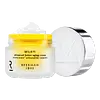
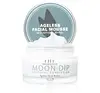
Beekman 1802 Milk RX Advanced Better Aging Cream Versus FarmHouse Fresh Moon Dip Youthful Complexion Ageless Facial Mousse
This anti-aging moisturizer is formulated around Niacinamide and Ceramide NP to soften the look of wrinkles and strengthen the skin barrier.
This anti-aging moisturizer is formulated around Aloe Barbadensis Leaf Juice and Palmitoyl Tetrapeptide-7 to soften the look of wrinkles and hydrate skin.

What's inside
What's inside
 Key Ingredients
Benefits
Concerns
Ingredients Side-by-side
Water
Skin ConditioningC15-19 Alkane
SolventStearic Acid
Cleansing



Caprylic/Capric Triglyceride
Masking

Glycerin
Humectant
Coco-Caprylate/Caprate
Emollient
Butyrospermum Parkii Butter
Skin Conditioning

Glyceryl Stearate Se
Emulsifying
Cetyl Alcohol
Emollient
Squalane
Emollient
Propanediol
Solvent
Butylene Glycol
Humectant
1,2-Hexanediol
Skin Conditioning
Cetearyl Olivate
Mangifera Indica Seed Butter
Skin Conditioning
Sorbitan Olivate
Emulsifying
Niacinamide
Smoothing








Caprylhydroxamic Acid
ChelatingCarbomer
Emulsion StabilisingTrichilia Emetica Seed Butter
Emollient
Ethylene/Propylene/Styrene Copolymer
Caprae Lac
Skin ConditioningAllantoin
Skin Conditioning
Xanthan Gum
EmulsifyingLactose
HumectantBifida Ferment Lysate
Skin Conditioning
Milk Protein
Skin ConditioningCitrus Aurantium Bergamia Fruit Oil
Masking



Sodium Hydroxide
BufferingHydrolyzed Collagen
Emollient
Butylene/Ethylene/Styrene Copolymer
Polyglutamic Acid
Skin Conditioning
Caprylyl Glycol
Emollient
Ceramide NP
Skin Conditioning
2,3-Butanediol
HumectantTocopherol
Antioxidant

Hydrogenated Lecithin
Emulsifying
Pentaerythrityl Tetra-Di-T-Butyl Hydroxyhydrocinnamate
Antioxidant
Glyceryl Stearate
Emollient
Sodium Carbonate
BufferingCholesterol
Emollient
Ceramide As
Skin Conditioning
Ceramide AP
Skin Conditioning
Ceramide Ns
Skin Conditioning
Nicotiana Benthamiana Hexapeptide-40 Sh-Polypeptide-76
Skin Conditioning
Ceramide EOP
Skin Conditioning
Water, C15-19 Alkane, Stearic Acid, Caprylic/Capric Triglyceride, Glycerin, Coco-Caprylate/Caprate, Butyrospermum Parkii Butter, Glyceryl Stearate Se, Cetyl Alcohol, Squalane, Propanediol, Butylene Glycol, 1,2-Hexanediol, Cetearyl Olivate, Mangifera Indica Seed Butter, Sorbitan Olivate, Niacinamide, Caprylhydroxamic Acid, Carbomer, Trichilia Emetica Seed Butter, Ethylene/Propylene/Styrene Copolymer, Caprae Lac, Allantoin, Xanthan Gum, Lactose, Bifida Ferment Lysate, Milk Protein, Citrus Aurantium Bergamia Fruit Oil, Sodium Hydroxide, Hydrolyzed Collagen, Butylene/Ethylene/Styrene Copolymer, Polyglutamic Acid, Caprylyl Glycol, Ceramide NP, 2,3-Butanediol, Tocopherol, Hydrogenated Lecithin, Pentaerythrityl Tetra-Di-T-Butyl Hydroxyhydrocinnamate, Glyceryl Stearate, Sodium Carbonate, Cholesterol, Ceramide As, Ceramide AP, Ceramide Ns, Nicotiana Benthamiana Hexapeptide-40 Sh-Polypeptide-76, Ceramide EOP
Water
Skin ConditioningAloe Barbadensis Leaf Juice
Skin Conditioning
Stearic Acid
Cleansing
Glycine Soja Oil
Emollient
Sorbitol
Humectant
Glycerin
Humectant
Butylene Glycol
Humectant
Carbomer
Emulsion StabilisingPolysorbate 20
Emulsifying
Palmitoyl Oligopeptide
Cleansing
Palmitoyl Tetrapeptide-7
Skin Conditioning
Isopropyl Palmitate
Emollient
Retinol
Skin Conditioning
Lecithin
Emollient
Cetyl Alcohol
Emollient
Simmondsia Chinensis Seed Oil
Emollient
Cucumis Sativus Fruit Extract
Emollient
Parfum
Masking
Beeswax
Emulsion Stabilising
Butyrospermum Parkii Butter
Skin Conditioning
Allantoin
Skin Conditioning
Retinyl Palmitate
Skin Conditioning
Tocopheryl Acetate
Antioxidant
Phenoxyethanol
Preservative
Caprylyl Glycol
Emollient
Sodium Hydroxide
BufferingWater, Aloe Barbadensis Leaf Juice, Stearic Acid, Glycine Soja Oil, Sorbitol, Glycerin, Butylene Glycol, Carbomer, Polysorbate 20, Palmitoyl Oligopeptide, Palmitoyl Tetrapeptide-7, Isopropyl Palmitate, Retinol, Lecithin, Cetyl Alcohol, Simmondsia Chinensis Seed Oil, Cucumis Sativus Fruit Extract, Parfum, Beeswax, Butyrospermum Parkii Butter, Allantoin, Retinyl Palmitate, Tocopheryl Acetate, Phenoxyethanol, Caprylyl Glycol, Sodium Hydroxide
Reviews
Ingredients Explained
These ingredients are found in both products.
Ingredients higher up in an ingredient list are typically present in a larger amount.
Allantoin is a soothing ingredient known for its protective and moisturizing properties; it's basically a quiet workhorse ingredient you can find in a huge range of cosmetics.
Though it can be derived from the comfrey plant, allantoin is produced synthetically for cosmetic products to ensure purity.
Research shows it can encourage your skin cells to turn over and renew by stimulating keratinocyte and fibroblast proliferation.
It also has mild keratolytic properties to help loosen and shed dead skin cells without being harsh.
Studies also suggest allantoin can help calm inflammation by dialing down some of the chemical signals your skin sends out when it is irritated.
This ingredient is typically used in the 0.1-0.5% range, and the FDA recognizes it as a skin protectant in OTC products up to 2%.
Overall, allantoin is a wonderful addition to most routines; it is stable across a wide pH range (~4-8), works well with other ingredients, and is considered non-sensitizing/non-irritating.
Fun fact: Allantoin is naturally occurring in comfrey root, beets, chamomile, and wheat sprouts. Our bodies even produce it as a byproduct of uric acid metabolism.
Learn more about AllantoinButylene Glycol (or BG) is used within cosmetic products for a few different reasons:
Overall, Butylene Glycol is a safe and well-rounded ingredient that works well with other ingredients.
Though this ingredient works well with most skin types, some people with sensitive skin may experience a reaction such as allergic rashes, closed comedones, or itchiness.
Learn more about Butylene GlycolThis ingredient is also known as shea butter. It is a plant-derived extract from the nuts of the Africa shea tree and one of the most well-studied emollients.
Because it has a high concentration of fatty acids (primarily oleic, stearic, and linoleic) it is able to form a protective barrier on the skin's surface. This helps seal in moisture and prevents transepidermal water loss (TEWL).
In vitro research found an increase in skin hydration by 58% and a decrease in TEWL by 37.8% after 24 hours of applying this ingredient (pretty impressive for a single ingredient!).
Besides hydration, shea butter also contains triterpenes that have anti-inflammatory potential. In particule, lupeol cinnamate has shown the highest anti-inflammatory activity in vivo.
Shea butter also contains vitamins A and E which may contribute to antioxidant activity.
While Shea Butter has an SPF rating of about 3-4, it is not a sunscreen replacement.
This ingredient may not be fungal acne safe because its fatty acids fall within the C11-C24 range that the Malassezia yeast can metabolize.
This ingredient shows up on a lot of "pore-clogging" lists but there's no real evidence behind that. It doesn't even have a comedogenic rating from an actual study; the numbers you'll find online come from blogs citing other blogs.
Ratings for other ingredients mostly come from a 1980s rabbit ear test. This test doesn't translate well to human skin or to real products because the ingredient sits at a much lower percentage.
Some people still find it breaks them out. So if that's you, definitely trust your skin. Just know this one's based on experience and not evidence.
Learn more about Butyrospermum Parkii ButterCaprylyl Glycol is a humectant, skin conditioner, emollient, and preservative booster derived from either caprylic acid or synthetically created.
Typical use levels vary from 0.3-1% as a preservative booster and go up to 2% to condition skin.
Because it is not a free-fatty acid, this ingredient is fungal acne safe (there's nothing for Malassezia to feed on).
Learn more about Caprylyl GlycolCarbomer is a synthetic thickening and gelling agent. It's basically the ingredient that gives a lot of serums, gels, creams, and sunscreens their smooth, non-sticky texture.
Although legally permitted at very high levels, carbomers are normally used at concentrations below 1%.
It also needs to be neutralized to actually thicken, and because it is a large molecule, it doesn't really penetrate the skin barrier.
Allergy-wise, the risk is very low. Clinical studies show carbomers have low potential for skin irritation/sensitization even at concentrations up to 100%.
A 2024 UK study patch-tested 1,302 patients and found true allergy to the parent group of carbomer to be rare with no confirmed relevant reactions.
Learn more about CarbomerCetyl Alcohol is a fatty alcohol. Fatty Alcohols are most often used as an emollient or to thicken a product.
Its main roles are:
Though it has "alcohol" in the name, it is not related to denatured alcohol or ethyl alcohol.
The FDA allows products labeled "alcohol-free" to have fatty alcohols.
This ingredient may not be fungal acne safe. It is a primary fatty alcohol with a chain length above 12 carbons. A study from 2019 show Malassezia can feed on fatty alcohols in this range, so it may trigger fungal acne in those prone to it.
Learn more about Cetyl AlcoholGlycerin (or glycerol) is a compound naturally found in your skin. It's a powerhouse humectant that pulls water into the stratum corneum.
Topically, glycerin does several things at once:
Your skin makes glycerin on its own (mostly from sebaceous oil breakdown) and shuttles it to your outermost layer of skin, or your epidermis, via aquaporin-3.
Aquaporin-3 is a transporter that is essential for normal skin hydration, elasticity, and repair. Interestingly, mice lacking in AQP3 have dry and less elastic skin that can be fully corrected with glycerin.
This ingredient is non-irritating, plays well with almost every ingredient, and works across all skin types. Typical use is anywhere between 3-10% but can go up to 79% in some leave-on products.
Just know very high concentrations (>40%) can feel tacky in low humidity.
Glycerin is the name for this ingredient in American English. British English uses Glycerol/Glycerine.
Learn more about GlycerinSodium Hydroxide is also known as lye or caustic soda. It is used to adjust the pH of products; many ingredients require a specific pH to be effective.
In small amounts, sodium hydroxide is considered safe to use. However, large amounts may cause chemical burns due to its high alkaline.
Your skin has a natural pH and acid mantle. This acid mantle helps prevent harmful bacteria from breaking through. The acid mantle also helps keep your skin hydrated.
"Alkaline" refers to a high pH level. A low pH level would be considered acidic.
Learn more about Sodium HydroxideStearic Acid is a fatty acid that is already found in your skin. It's one of the free fatty acids that works alongside ceramides and cholesterols to maintain your barrier.
In cosmetics, it is a multitasker:
Safety-wise, the CIR Expert Panel has concluded it to be safe in cosmetics when formulated to be non-irritating and non-sensitizing.
Free stearic acid is a C18 fatty acid that the Malassezia yeast can substrate, so this ingredient may not be fungal acne safe.
This ingredient does have a comedogenic rating of 2-3, but this doesn't mean a formula with this ingredient will clog pores.
Human testing has proved that any finished product with this ingredient won't automatically make you break out; it really comes down to concentration, formula, and your skin.
Learn more about Stearic AcidWater. It's the most common cosmetic ingredient of all. You'll usually see it at the top of ingredient lists, meaning that it makes up the largest part of the product.
So why is it so popular? Water most often acts as a solvent - this means that it helps dissolve other ingredients into the formulation.
You'll also recognize water as that liquid we all need to stay alive. If you see this, drink a glass of water. Remember to stay hydrated!
Learn more about Water

