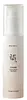
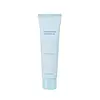
Beauty of Joseon Ginseng Moist Sun Serum SPF 50+ PA++++ Versus KLAVUU UV Protection Fresh Sun Gel SPF50+ PA++++
This chemical sunscreen covers the full UV range and blocks ~98% of UVB at SPF 50.
This chemical sunscreen covers the full UV range and blocks ~98% of UVB at SPF 50.

What's inside
What's inside
 Key Ingredients
Benefits
Concerns
Ingredients Side-by-side
Water
Skin ConditioningButylene Glycol
Humectant

Dibutyl Adipate
EmollientDiethylamino Hydroxybenzoyl Hexyl Benzoate
UV Filter
Bis-Ethylhexyloxyphenol Methoxyphenyl Triazine
UV Absorber
Alcohol
Antimicrobial




Acrylates Copolymer
Butyloctyl Salicylate
Skin Conditioning
C12-15 Alkyl Benzoate
AntimicrobialEthylhexyl Triazone
UV Absorber
Phenethyl Benzoate
Emollient

Arbutin
Antioxidant




1,2-Hexanediol
Skin Conditioning
Silica
Abrasive


Methylpropanediol
SolventIsoamyl P-Methoxycinnamate
UV Absorber
Polysilicone-15
UV Filter
Polymethylsilsesquioxane
Panax Ginseng Root Extract
Emollient

Pentylene Glycol
Skin Conditioning
Dibutyl Ethylhexanoyl Glutamide
Skin ConditioningDibutyl Lauroyl Glutamide
Skin ConditioningC30-45 Alkyldimethylsilyl Polypropylsilsesquioxane
Ammonium Acryloyldimethyltaurate/Vp Copolymer
Sodium Acrylates Crosspolymer-2
AbsorbentSodium Polyacryloyldimethyl Taurate
Emulsion StabilisingEthyl Hexanediol
SolventHydroxyacetophenone
Antioxidant
Panax Ginseng Berry Extract
Skin Conditioning
Panax Ginseng Extract
Antioxidant
Panax Ginseng Leaf/Stem Extract
Skin ConditioningAdenosine
Skin Conditioning
Xanthan Gum
EmulsifyingDisodium EDTA
ChelatingEthylhexylglycerin
Skin ConditioningGlycerin
Humectant
Tocopherol
Antioxidant
Water, Butylene Glycol, Dibutyl Adipate, Diethylamino Hydroxybenzoyl Hexyl Benzoate, Bis-Ethylhexyloxyphenol Methoxyphenyl Triazine, Alcohol, Acrylates Copolymer, Butyloctyl Salicylate, C12-15 Alkyl Benzoate, Ethylhexyl Triazone, Phenethyl Benzoate, Arbutin, 1,2-Hexanediol, Silica, Methylpropanediol, Isoamyl P-Methoxycinnamate, Polysilicone-15, Polymethylsilsesquioxane, Panax Ginseng Root Extract, Pentylene Glycol, Dibutyl Ethylhexanoyl Glutamide, Dibutyl Lauroyl Glutamide, C30-45 Alkyldimethylsilyl Polypropylsilsesquioxane, Ammonium Acryloyldimethyltaurate/Vp Copolymer, Sodium Acrylates Crosspolymer-2, Sodium Polyacryloyldimethyl Taurate, Ethyl Hexanediol, Hydroxyacetophenone, Panax Ginseng Berry Extract, Panax Ginseng Extract, Panax Ginseng Leaf/Stem Extract, Adenosine, Xanthan Gum, Disodium EDTA, Ethylhexylglycerin, Glycerin, Tocopherol
Water
Skin ConditioningButylene Glycol
Humectant
Alcohol
Antimicrobial
Ethylhexyl Salicylate
UV Absorber
Homosalate
Skin Conditioning
Dibutyl Adipate
EmollientBis-Ethylhexyloxyphenol Methoxyphenyl Triazine
UV Absorber
Cyclopentasiloxane
Emollient
Methylene Bis-Benzotriazolyl Tetramethylbutylphenol
UV Filter
Polysilicone-15
UV Filter
Diethylamino Hydroxybenzoyl Hexyl Benzoate
UV Filter
Centella Asiatica Extract
Cleansing
Portulaca Oleracea Extract
Skin Conditioning
Houttuynia Cordata Extract
Skin Conditioning
Pearl Extract
Antioxidant
Caulerpa Lentillifera Extract

Sea Water
HumectantUndaria Pinnatifida Extract
Skin ConditioningEcklonia Cava Extract
Skin Conditioning
Enteromorpha Compressa Extract
Skin Protecting
Laminaria Japonica Extract
Skin Protecting
Codium Fragile Extract
Skin Conditioning
Ceteth-10
EmulsifyingTromethamine
BufferingDecyl Glucoside
Cleansing
Acrylates/C10-30 Alkyl Acrylate Crosspolymer
Emulsion StabilisingCarbomer
Emulsion StabilisingCaprylic/Capric Triglyceride
Masking
Cetyl PEG/PPG-10/1 Dimethicone
Emulsifying
Propanediol
Solvent
Propylene Glycol
Humectant
1,2-Hexanediol
Skin Conditioning
Xanthan Gum
EmulsifyingSodium Hyaluronate
Humectant
Sodium Acetylated Hyaluronate
Humectant
Ethylhexylglycerin
Skin ConditioningHydrolyzed Hyaluronic Acid
Humectant
Parfum
Masking
Phenoxyethanol
Preservative
Butylphenyl Methylpropional
Perfuming
Linalool
Perfuming
2-Methylpropanol
Perfuming
Water, Butylene Glycol, Alcohol, Ethylhexyl Salicylate, Homosalate, Dibutyl Adipate, Bis-Ethylhexyloxyphenol Methoxyphenyl Triazine, Cyclopentasiloxane, Methylene Bis-Benzotriazolyl Tetramethylbutylphenol, Polysilicone-15, Diethylamino Hydroxybenzoyl Hexyl Benzoate, Centella Asiatica Extract, Portulaca Oleracea Extract, Houttuynia Cordata Extract, Pearl Extract, Caulerpa Lentillifera Extract, Sea Water, Undaria Pinnatifida Extract, Ecklonia Cava Extract, Enteromorpha Compressa Extract, Laminaria Japonica Extract, Codium Fragile Extract, Ceteth-10, Tromethamine, Decyl Glucoside, Acrylates/C10-30 Alkyl Acrylate Crosspolymer, Carbomer, Caprylic/Capric Triglyceride, Cetyl PEG/PPG-10/1 Dimethicone, Propanediol, Propylene Glycol, 1,2-Hexanediol, Xanthan Gum, Sodium Hyaluronate, Sodium Acetylated Hyaluronate, Ethylhexylglycerin, Hydrolyzed Hyaluronic Acid, Parfum, Phenoxyethanol, Butylphenyl Methylpropional, Linalool, 2-Methylpropanol
Reviews
Ingredients Explained
These ingredients are found in both products.
Ingredients higher up in an ingredient list are typically present in a larger amount.
1,2-Hexanediol is a synthetic liquid and another multi-functional powerhouse.
It is a:
- Humectant, drawing moisture into the skin
- Emollient, helping to soften skin
- Solvent, dispersing and stabilizing formulas
- Preservative booster, enhancing the antimicrobial activity of other preservatives
This ingredient is also called ethanol or ethyl alcohol. It is denatured, meaning made undrinkable for cosmetic use.
In formulas, it:
Is it bad for your skin?
The answer comes down to concentration. Patch and wash studies have found highly concentrated alcohol-based hand rubs (60-100%) cause less barrier disruption than washing with a basic detergent like SLS. The only measurable effect in these studies was a temporary dip in skin hydration.
Concentrations below 12-15% in leave-on cosmetics is generally well-tolerated. Concentrations above start to see increased transepidermal water loss (TEWL) and reduced hydration.
In concentrations about 58%, it creates temporary channels in your skin's lipid layers to become more permeable and allow other ingredients to slip through easily.
This ingredient can be up to 80% of the formula in alcohol-based perfumes.
Overall, this ingredient is probably harmless if found lower down an ingredients list but worth side-eyeing if it's high up (especially if your barrier is already struggling).
Alcohol can worsen dry skin, eczema, and oily skin, especially at higher concentrations. This is because it can increase transepidermal water loss and decrease hydration to disrupt the skin barrier.
According to the National Rosacea Society based in the US, you should be mindful of products with these alcohols in the top half of ingredients.
True allergic contact dermatitis to ethanol is uncommon, but be sure to patch test if you have dry or sensitive skin.
Learn more about AlcoholThis ingredient is better known as bemotrizinol or Tinosorb S and is one of the best broad-spectrum UV filters in modern sunscreen.
It works by absorbing UV light across a whole range (280-400 nm) with peaks around 310 nm (UVB) and 340-345 nm (UVA). This means it covers UVB plus the deeper UVA wavelengths that drive photoaging and pigmentation.
Another pro?
It's exceptionally photostable, barely degrades in sunlight, and acts as a "bodyguard" for less stable filters.
That's why you'll see it paired with avobenzone or octinoxate; this team up ensures they keep working through sun exposure.
Safety reviews have been reassuring across the board. This ingredient shows low absorption through the skin, rarely irritates, and lab studies found it doesn't act like a hormone in the body (a concern that's been raised about some older sunscreen filters).
On maximum concentrations:
In 2026, the US F.D.A finally added it as an OTC sunscreen ingredient at concentrations up to 6% for adults / children 6 months and older
Learn more about Bis-Ethylhexyloxyphenol Methoxyphenyl TriazineButylene Glycol (or BG) is used within cosmetic products for a few different reasons:
Overall, Butylene Glycol is a safe and well-rounded ingredient that works well with other ingredients.
Though this ingredient works well with most skin types, some people with sensitive skin may experience a reaction such as allergic rashes, closed comedones, or itchiness.
Learn more about Butylene GlycolDibutyl Adipate is a lightweight, oil-soluble ester that acts as an emollient and solvent. It helps products spread more easily and leaves a soft, silky, dry-touch finish without being greasy.
You'll likely see this ingredient in sunscreens because it does a nice job dissolving UV filters and keeping them evenly distributed.
This ingredient has been found to be safe as used in cosmetics, wasn't a skin or eye irritant in clinical patch testing, and wasn't phototoxic.
In a clinical comedogenicity test, this ingredient tested negative so it isn't likely to clog pores.
Typical use levels are about 5-8% for sunscreens + nail products, but can range from 0.005%-8% depending on the product.
Learn more about Dibutyl AdipateDiethylamino Hydroxybenzoyl Hexyl Benzoate (DHHB) is a chemical UV-A absorber. It is formulated for high UVA protection (320-400 nm).
DHHB is well-liked for:
DHHB has been approved by the EU, Japan, Taiwan, and South America for use up to 10%. Unfortunately, it has not been approved for use in the US or Canada due to slow regulatory processes.
This ingredient is soluble in oils, fats, and lipids.
Learn more about Diethylamino Hydroxybenzoyl Hexyl BenzoateEthylhexylglycerin is created from glycerin. It is a multitasker ingredient that:
The CIR Expert Panel found minimal skin absorption or sensitization of any kind in a safety assessment. Though this ingredient is considered well-tolerated, a small number of cases of allergic dermatitis have been published since 2002. Just be sure to patch test if you are unsure.
Industry-reported use ranges from 8% in rinse-off products and 2% in leave-on formulations.
Learn more about EthylhexylglycerinPolysilicone-15 (trade name: Parsol SLX) is a silicone-based UVB filter that soaks up UVB light (~280-320nm) with a peak around 310nm.
It's a fairly modest sunscreen filter so formulators mostly use it as an SPF booster and "light stabilizer". This just means it helps keep other light-sensitive ingredients from breaking down in sunlight.
A 2007 study measured the in-vitro SPF of 18 filters and found Polysilicone-15 contributed an SPF of about 3.64 at its maximum legal concentration (though worth noting its maker points out that in-vitro tests tend to underestimate its real performance because of its large polymeric structure).
Usage levels vary; it's approved up to 10% as a UV filter in the EU, China, Japan, Australia, ASEAN, and Mercosur countries. In the US, it's only permitted up to 1% as a light stabilizer because the FDA hasn't reviewed it as a sunscreen active.
Typical use levels range from 1-3%.
The EU's scientific committee concluded that this ingredient is safe for use as a UV absorber up to 10%, and tests came back negative for irritation, phototoxicity, and photoallergy.
There is one case of allergic lip inflammation from a lip balm with this ingredient, though this is rare.
Learn more about Polysilicone-15Water. It's the most common cosmetic ingredient of all. You'll usually see it at the top of ingredient lists, meaning that it makes up the largest part of the product.
So why is it so popular? Water most often acts as a solvent - this means that it helps dissolve other ingredients into the formulation.
You'll also recognize water as that liquid we all need to stay alive. If you see this, drink a glass of water. Remember to stay hydrated!
Learn more about WaterXanthan gum is used as a stabilizer and thickener within cosmetic products. It helps give products a sticky, thick feeling - preventing them from being too runny.
On the technical side of things, xanthan gum is a polysaccharide - a combination consisting of multiple sugar molecules bonded together.
Xanthan gum is a pretty common and great ingredient. It is a natural, non-toxic, non-irritating ingredient that is also commonly used in food products.
Learn more about Xanthan Gum

