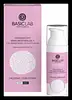
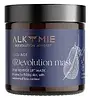
BasicLab Ceramidowy Krem Regenerujący Z 5% Prebiotykiem i 3% Pantenolem "Ukojenie i Odbudowa" Versus Alkmie Revolution Mask Time Reverse Lift Mask
This barrier-repair moisturizer is formulated around Inulin and Panthenol to strengthen the skin barrier and calm redness.
This wash off mask is made with Algae and Biosaccharide Gum-1 for a rinse-off hydration boost.

What's inside
What's inside
 Key Ingredients
Benefits
Concerns
Ingredients Side-by-side
Water
Skin ConditioningSqualane
Emollient


Tripelargonin
EmollientInulin
Skin Conditioning
Panthenol
Skin Conditioning


Cetearyl Alcohol
Emollient






Caprylic/Capric Triglyceride
Masking
Pentylene Glycol
Skin Conditioning
Alpha-Glucan Oligosaccharide
Cleansing
Ceramide NP
Skin Conditioning
Ceramide AP
Skin Conditioning
Phytosphingosine
Skin Conditioning
Sodium Lactate
Buffering
Sodium PCA
Humectant
Arginine
Masking
Glycine
Buffering
Fructose
Humectant
Urea
Buffering

Niacinamide
Smoothing





Saccharide Isomerate
Humectant
Borago Officinalis Seed Oil
Emollient
Persea Gratissima Oil
Skin Conditioning
Vitis Vinifera Seed Oil
Emollient
Allantoin
Skin Conditioning
Cannabis Sativa Seed Oil
Emollient
Tocopherol
Antioxidant

Inositol
Humectant
Glucose
Humectant
Lactic Acid
Buffering

Potassium Cetyl Phosphate
EmulsifyingCetearyl Glucoside
Emulsifying
Xanthan Gum
EmulsifyingHydroxyacetophenone
Antioxidant
Sodium Citrate
BufferingCitric Acid
Buffering
Sodium Benzoate
Masking
Water, Squalane, Tripelargonin, Inulin, Panthenol, Cetearyl Alcohol, Caprylic/Capric Triglyceride, Pentylene Glycol, Alpha-Glucan Oligosaccharide, Ceramide NP, Ceramide AP, Phytosphingosine, Sodium Lactate, Sodium PCA, Arginine, Glycine, Fructose, Urea, Niacinamide, Saccharide Isomerate, Borago Officinalis Seed Oil, Persea Gratissima Oil, Vitis Vinifera Seed Oil, Allantoin, Cannabis Sativa Seed Oil, Tocopherol, Inositol, Glucose, Lactic Acid, Potassium Cetyl Phosphate, Cetearyl Glucoside, Xanthan Gum, Hydroxyacetophenone, Sodium Citrate, Citric Acid, Sodium Benzoate
Algae
Skin Conditioning
Biosaccharide Gum-1
Humectant
Silk
Simmondsia Chinensis Seed Oil
Emollient
Persea Gratissima Oil
Skin Conditioning
Silicon
Abrasive
Water
Skin ConditioningGlycerin
Humectant
Avena Sativa Kernel Flour
Abrasive
Cetearyl Olivate
Cetearyl Alcohol
Emollient
Sorbitan Olivate
Emulsifying
Triticum Vulgare Germ Oil
Emollient
C13-14 Alkane
SolventMaltodextrin
Absorbent
Cetyl Palmitate
Emollient
Hydrogenated Olive Oil
Skin Conditioning
Sorbitan Palmitate
Emulsifying
Olea Europaea Fruit Oil
Masking
Sorbitan Oleate
Emulsifying
Olea Europaea Oil Unsaponifiables
Skin Conditioning
Xanthan Gum
EmulsifyingHelianthus Annuus Seed Oil
Emollient
Rosmarinus Officinalis Leaf Extract
AntimicrobialKappaphycus Alvarezii Extract
Skin Conditioning
Caesalpinia Spinosa Fruit Extract
Skin ProtectingCoenochloris Signiensis Extract
Skin ConditioningLecithin
Emollient
Parfum
Masking
Tocopherol
Antioxidant
Benzyl Alcohol
Perfuming

Dehydroacetic Acid
Preservative
Tetrasodium Glutamate Diacetate
ChelatingBenzyl Salicylate
Perfuming
Coumarin
Perfuming
Linalool
Perfuming
Limonene
Perfuming
Alpha-Isomethyl Ionone
Perfuming
Algae, Biosaccharide Gum-1, Silk, Simmondsia Chinensis Seed Oil, Persea Gratissima Oil, Silicon, Water, Glycerin, Avena Sativa Kernel Flour, Cetearyl Olivate, Cetearyl Alcohol, Sorbitan Olivate, Triticum Vulgare Germ Oil, C13-14 Alkane, Maltodextrin, Cetyl Palmitate, Hydrogenated Olive Oil, Sorbitan Palmitate, Olea Europaea Fruit Oil, Sorbitan Oleate, Olea Europaea Oil Unsaponifiables, Xanthan Gum, Helianthus Annuus Seed Oil, Rosmarinus Officinalis Leaf Extract, Kappaphycus Alvarezii Extract, Caesalpinia Spinosa Fruit Extract, Coenochloris Signiensis Extract, Lecithin, Parfum, Tocopherol, Benzyl Alcohol, Dehydroacetic Acid, Tetrasodium Glutamate Diacetate, Benzyl Salicylate, Coumarin, Linalool, Limonene, Alpha-Isomethyl Ionone
Reviews
Ingredients Explained
These ingredients are found in both products.
Ingredients higher up in an ingredient list are typically present in a larger amount.
Cetearyl alcohol is a waxy mixture of two fatty alcohols: cetyl alcohol and stearyl alcohol. It is an emollient and emulsifier.
Despite having "alcohol" in its name, it has nothing to do with drying solvent alcohols; the FDA also allows "alcohol-free" products to contain fatty alcohols like this ingredient.
It plays several roles in a formula:
Typical use levels for this ingredient sit around 1-10% and the Cosmetic Ingredient Review Expert Panel has affirmed safety at concentrations up to 25% in leave-on products.
Multiple assessments have found it to be non-irritating and non-sensitizing to most people.
However, there have been some cases of allergic contact dermatitis in patients with chronically compromised skin barriers.
Cetearyl alcohol has a comedogenic rating of 2 and irritancy rating of 1. Both of these numbers come from the 1989 study that used rabbit ears; a "2" means mildly comedogenic and a "1" means low irritancy.
Here's the catch: rabbit skin is more sensitive than human skin and throws a lot of false positives. A 1996 reappraisal found that ingredients rated 1-2 in the rabbit ear tests are generally safe for humans.
Remember comedogenic ratings are unable to assess the entire formula of a product or how it will react on your skin. Just be sure to patch test if you are unsure about certain ingredients.
This ingredient is not fungal acne safe. Cetearyl alcohol is a fatty alcohol with chain lengths that fall within the range that Malassezia can metabolize.
A 2019 study has also observed Malassezia growth in the presence of this ingredient, confirming it to be not-fungal acne safe.
Learn more about Cetearyl AlcoholThis ingredient is also known as Avocado oil. It's the cold-pressed oil from the flesh of the avocado fruit packed with fatty acids (mostly oleic acid).
The rich fatty acid profile allows it to function as a skin conditioning agent and emollient; it helps soften and smooth skin while reducing water loss.
Preclinical research has found that topical avocado oil increased collagen synthesis and reduced inflammation during wound healing, giving it some skin-repairing credibility.
The unsaponifiable fraction of the oil is also interesting: studies on avocado unsaponifiables showed that it helped skin produce more collagen and other structural compounds that support healing.
The CIR Expert Panel has found this ingredient to be non-irritating in formulations.
This ingredient may not be fungal acne safe. This is because the oleic acid content falls within the range that Malassezia can use as a food source.
This ingredient does have a comedogenic rating of 0-3, but this doesn't mean a formula with this ingredient will clog pores. Human testing has proved that any finished product with a comedogenic ingredient won't automatically make you break out; it really comes down to concentration, formula, and your skin.
Learn more about Persea Gratissima OilTocopherol is a fat-soluble antioxidant known as Vitamin E.
You'll find this ingredient in the vast majority of skincare (for good reason). It works to neutralize free radicals, or unstable molecules generated by UV exposure, pollution, and other environmental stressors, before they can cause oxidative damage to your skin cells.
Topically applied tocopherol has been shown to protect against UV damage by ramping up the skin's own natural defense enzymes.
It also acts as a skin conditioning agent; some studies show that regular topical use can improve the skin's water-binding capacity over 2-4 weeks.
This ingredient is especially loved for being a team player. When combined with Vitamin C, the photoprotective effect of both ingredients roughly doubles and the combo also helps reduce UV-induced DNA damage.
This ingredient has some brightening potential but it's more of a prevention ingredient than spot-fader. Cell studies show it can slow down melanin production but it's worth noting that it's not the most powerful brightener out there.
In formulations, it also serves as a stabilizer that helps protect other oxidation-prone ingredients from degrading.
Concentrations usually range from 0.1-1% in most leave-on products.
Learn more about TocopherolWater. It's the most common cosmetic ingredient of all. You'll usually see it at the top of ingredient lists, meaning that it makes up the largest part of the product.
So why is it so popular? Water most often acts as a solvent - this means that it helps dissolve other ingredients into the formulation.
You'll also recognize water as that liquid we all need to stay alive. If you see this, drink a glass of water. Remember to stay hydrated!
Learn more about WaterXanthan gum is used as a stabilizer and thickener within cosmetic products. It helps give products a sticky, thick feeling - preventing them from being too runny.
On the technical side of things, xanthan gum is a polysaccharide - a combination consisting of multiple sugar molecules bonded together.
Xanthan gum is a pretty common and great ingredient. It is a natural, non-toxic, non-irritating ingredient that is also commonly used in food products.
Learn more about Xanthan Gum

