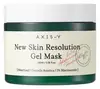
This wash off mask is made with Niacinamide and Centella Asiatica Extract for a rinse-off calming boost.
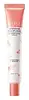
This brightening moisturizer is formulated around Niacinamide and Arbutin to brighten dull-looking skin and fade the look of dark spots.

What's inside
What's inside
 Key Ingredients
Benefits
Concerns
Ingredients Side-by-side
Water
Skin ConditioningGlycerin
Humectant


Methylpropanediol
SolventBetaine
Humectant
1,2-Hexanediol
Skin Conditioning
Niacinamide
Smoothing








Diglycerin
Humectant
Centella Asiatica Extract
Cleansing
Ficus Carica Fruit Extract
Humectant
Laminaria Japonica Extract
Skin Protecting
Eclipta Prostrata Leaf Extract
Skin ConditioningMelia Azadirachta Leaf Extract
Skin ConditioningMelia Azadirachta Flower Extract
Skin ConditioningTheobroma Cacao Seed Extract
Antioxidant
Artemisia Princeps Extract
Skin Conditioning
Dioscorea Japonica Root Extract
Skin Conditioning
Calendula Officinalis Flower Extract
Masking
Portulaca Oleracea Extract
Skin Conditioning
Houttuynia Cordata Extract
Skin Conditioning
Spiraea Ulmaria Extract
AstringentHydrogenated Lecithin
Emulsifying
Lavandula Angustifolia Oil
Masking



Citrus Paradisi Peel Oil
Masking

Rosmarinus Officinalis Leaf Oil
Masking
Helianthus Annuus Seed Oil
Emollient

Anthemis Nobilis Flower Oil
Masking
Aniba Rosodora Wood Oil
Astringent
Polyglyceryl-10 Laurate
Skin Conditioning
Tromethamine
BufferingCarbomer
Emulsion StabilisingPanthenol
Skin Conditioning
Houttuynia Cordata Powder
Skin ConditioningGlyceryl Polymethacrylate
Allantoin
Skin Conditioning
Glyceryl Polyacrylate
Disodium EDTA
ChelatingFructooligosaccharides
Humectant
Dextrin
AbsorbentBeta-Glucan
Skin Conditioning
Ceramide NP
Skin Conditioning
Hydrolyzed Hyaluronic Acid
Humectant
Madecassoside
Antioxidant
Propanediol
Solvent
Butylene Glycol
Humectant
Ethylhexylglycerin
Skin ConditioningWater, Glycerin, Methylpropanediol, Betaine, 1,2-Hexanediol, Niacinamide, Diglycerin, Centella Asiatica Extract, Ficus Carica Fruit Extract, Laminaria Japonica Extract, Eclipta Prostrata Leaf Extract, Melia Azadirachta Leaf Extract, Melia Azadirachta Flower Extract, Theobroma Cacao Seed Extract, Artemisia Princeps Extract, Dioscorea Japonica Root Extract, Calendula Officinalis Flower Extract, Portulaca Oleracea Extract, Houttuynia Cordata Extract, Spiraea Ulmaria Extract, Hydrogenated Lecithin, Lavandula Angustifolia Oil, Citrus Paradisi Peel Oil, Rosmarinus Officinalis Leaf Oil, Helianthus Annuus Seed Oil, Anthemis Nobilis Flower Oil, Aniba Rosodora Wood Oil, Polyglyceryl-10 Laurate, Tromethamine, Carbomer, Panthenol, Houttuynia Cordata Powder, Glyceryl Polymethacrylate, Allantoin, Glyceryl Polyacrylate, Disodium EDTA, Fructooligosaccharides, Dextrin, Beta-Glucan, Ceramide NP, Hydrolyzed Hyaluronic Acid, Madecassoside, Propanediol, Butylene Glycol, Ethylhexylglycerin
Rosa Centifolia Flower Water
Skin ConditioningButylene Glycol
Humectant
Glycerin
Humectant
Dimethicone
Emollient
CI 77891
Cosmetic ColorantNiacinamide
Smoothing
Hydrolyzed Viola Tricolor Extract
Skin ProtectingLaminaria Japonica Extract
Skin Protecting
Saccharomyces Ferment Filtrate
Humectant
Portulaca Oleracea Extract
Skin Conditioning
Citrus Paradisi Fruit Extract
Skin ConditioningSaccharide Isomerate
Humectant
Panthenol
Skin Conditioning
Allantoin
Skin Conditioning
Glutathione
Arbutin
Antioxidant
Adenosine
Skin Conditioning
Cyanocobalamin
Skin ConditioningIsohexadecane
EmollientCyclopentasiloxane
Emollient
Dimethiconol
Emollient
Polysorbate 80
Emulsifying
Sodium Acrylate/Sodium Acryloyldimethyl Taurate Copolymer
Emulsion StabilisingTriethoxycaprylylsilane
Benzyl Glycol
SolventEthylhexylglycerin
Skin ConditioningRaspberry Ketone
Masking
Disodium EDTA
ChelatingRosa Centifolia Flower Water, Butylene Glycol, Glycerin, Dimethicone, CI 77891, Niacinamide, Hydrolyzed Viola Tricolor Extract, Laminaria Japonica Extract, Saccharomyces Ferment Filtrate, Portulaca Oleracea Extract, Citrus Paradisi Fruit Extract, Saccharide Isomerate, Panthenol, Allantoin, Glutathione, Arbutin, Adenosine, Cyanocobalamin, Isohexadecane, Cyclopentasiloxane, Dimethiconol, Polysorbate 80, Sodium Acrylate/Sodium Acryloyldimethyl Taurate Copolymer, Triethoxycaprylylsilane, Benzyl Glycol, Ethylhexylglycerin, Raspberry Ketone, Disodium EDTA
Reviews
Ingredients Explained
These ingredients are found in both products.
Ingredients higher up in an ingredient list are typically present in a larger amount.
Allantoin is a soothing ingredient known for its protective and moisturizing properties; it's basically a quiet workhorse ingredient you can find in a huge range of cosmetics.
Though it can be derived from the comfrey plant, allantoin is produced synthetically for cosmetic products to ensure purity.
Research shows it can encourage your skin cells to turn over and renew by stimulating keratinocyte and fibroblast proliferation.
It also has mild keratolytic properties to help loosen and shed dead skin cells without being harsh.
Studies also suggest allantoin can help calm inflammation by dialing down some of the chemical signals your skin sends out when it is irritated.
This ingredient is typically used in the 0.1-0.5% range, and the FDA recognizes it as a skin protectant in OTC products up to 2%.
Overall, allantoin is a wonderful addition to most routines; it is stable across a wide pH range (~4-8), works well with other ingredients, and is considered non-sensitizing/non-irritating.
Fun fact: Allantoin is naturally occurring in comfrey root, beets, chamomile, and wheat sprouts. Our bodies even produce it as a byproduct of uric acid metabolism.
Learn more about AllantoinButylene Glycol (or BG) is used within cosmetic products for a few different reasons:
Overall, Butylene Glycol is a safe and well-rounded ingredient that works well with other ingredients.
Though this ingredient works well with most skin types, some people with sensitive skin may experience a reaction such as allergic rashes, closed comedones, or itchiness.
Learn more about Butylene GlycolDisodium EDTA is a chelating agent. It grabs onto and deactivates metal ions that sneak into your products from water, packaging, or air.
This ingredient mainly works behind the scenes and helps with:
On top of that, this ingredient can counteract the effects of hard water by binding to the minerals in it.
One thing worth knowing is that Disodium EDTA has been shown to be a mild penetration enhancer. It can help other ingredients absorb into skin more effectively which can be a double-edged sword (great for actives, but can also make the active too strong if you have sensitive skin).
Clinical patch testing showed no significant skin irritation at typical use concentrations and minimal dermal absorption.
You'll most likely see this ingredient near the end of an ingredient list. It's typically found in concentrations less than 1%.
Learn more about Disodium EDTAEthylhexylglycerin is created from glycerin. It is a multitasker ingredient that:
The CIR Expert Panel found minimal skin absorption or sensitization of any kind in a safety assessment. Though this ingredient is considered well-tolerated, a small number of cases of allergic dermatitis have been published since 2002. Just be sure to patch test if you are unsure.
Industry-reported use ranges from 8% in rinse-off products and 2% in leave-on formulations.
Learn more about EthylhexylglycerinGlycerin (or glycerol) is a compound naturally found in your skin. It's a powerhouse humectant that pulls water into the stratum corneum.
Topically, glycerin does several things at once:
Your skin makes glycerin on its own (mostly from sebaceous oil breakdown) and shuttles it to your outermost layer of skin, or your epidermis, via aquaporin-3.
Aquaporin-3 is a transporter that is essential for normal skin hydration, elasticity, and repair. Interestingly, mice lacking in AQP3 have dry and less elastic skin that can be fully corrected with glycerin.
This ingredient is non-irritating, plays well with almost every ingredient, and works across all skin types. Typical use is anywhere between 3-10% but can go up to 79% in some leave-on products.
Just know very high concentrations (>40%) can feel tacky in low humidity.
Glycerin is the name for this ingredient in American English. British English uses Glycerol/Glycerine.
Learn more about GlycerinLaminaria Japonica Extract is an extract of Japanese kelp, the same brown seaweed sold as kombu.
This ingredient is usually extracted from dried, ground kelp with water or a water/glycol mix. Most of what ends up in your bottle is mostly big sugar molecules, minerals, and amino acids rather than oils.
Those sugars help hold water and form a light film on the skin's surface, giving it humectant and mild-barrier supporting properties.
The best human data is a small Korean study where a cream with 10% extract upped skin hydration about 14% over placebo and cut water loss through the skin for up to eight hours.
Beyond this study, most of the anti-aging and anti-inflammatory claims come from mouse and cell studies; these studies found that topical kelp sugars preserved collagen in aging mice and the extract calmed UVB-triggered inflammation markers in cultured skin cells.
Though this sounds promising, it isn't the same as proof on human faces.
Industry data shows this ingredient is usually used anywhere from 0.0005% - 5%. Most leave-on products sit well under 1% and the 5% end mostly shows up in bath products.
Allergy-risk for this ingredient looks low as well. A cream with 10% extract patch-tested on 25 people caused no irritation and there have been no sensitization reports either.
There is one real allergy report on "laminaria" that involves medical cervical dilators made from whole dried kelp stems inserted internally; though this is a very different exposure from a few tenths of a percent in a serum.
Learn more about Laminaria Japonica ExtractNiacinamide is a multitasking form of vitamin B3 that strengthens the skin barrier, reduces pores and dark spots, regulates oil, and improves signs of aging.
And the best part? It's gentle and well-tolerated by most skin types, including sensitive and reactive skin.
You might have heard of "niacin flush", or the reddening of skin that causes itchiness. Niacinamide has not been found to cause this.
In very rare cases, some individuals may not be able to tolerate niacinamide at all or experience an allergic reaction to it.
If you are experiencing flaking, irritation, and dryness with this ingredient, be sure to double check all your products as this ingredient can be found in all categories of skincare.
When incorporating niacinamide into your routine, look out for concentration amounts. Typically, 5% niacinamide provides benefits such as fading dark spots. However, if you have sensitive skin, it is better to begin with a smaller concentration.
When you apply niacinamide to your skin, your body converts it into nicotinamide adenine dinucleotide (NAD). NAD is an essential coenzyme that is already found in your cells as "fuel" and powers countless biological processes.
In your skin, NAD helps repair cell damage, produce new healthy cells, support collagen production, strengthen the skin barrier, and fight environmental stressors (like UV and pollution).
Our natural NAD levels start to decline with age, leading to slower skin repair, visible aging, and a weaker skin barrier. By providing your skin niacinamide, you're recharging your skin's NAD levels. This leads to stronger, healthier, and younger looking skin.
Another name for vitamin B3 is nicotinamide. This vitamin is water-soluble and our bodies don't store it. We obtain Vitamin B3 from either food or skincare. Meat, fish, wheat, yeast, and leafy greens contain vitamin B3.
The type of niacinamide used in skincare is synthetically created.
Learn more about NiacinamidePanthenol is a common ingredient that helps hydrate and soothe the skin. It is found naturally in our skin and hair.
There are two forms of panthenol: D and L.
D-panthenol is also known as dexpanthenol. Most cosmetics use dexpanthenol or a mixture of D and L-panthenol.
Panthenol is famous due to its ability to go deeper into the skin's layers. Using this ingredient has numerous pros (and no cons):
Like hyaluronic acid, panthenol is a humectant. Humectants are able to bind and hold large amounts of water to keep skin hydrated.
This ingredient works well for wound healing. It works by increasing tissue in the wound and helps close open wounds.
Once oxidized, panthenol converts to pantothenic acid. Panthothenic acid is found in all living cells.
This ingredient is also referred to as pro-vitamin B5.
Learn more about PanthenolThis extract comes from Purslane, a succulent. It has anti-inflammatory, antioxidant, and hydrating properties.
Purslane is very nutritious. It contains omega-3 fatty acids, NMFs, many vitamins, minerals, and antioxidants. The vitamins found in purslane include: Vitamin C, Vitamin A, and Vitamin E.
Fun fact: Purslane is a succulent with an extensive habitat. It is used in traditional Korean medicine to treat irritated skin.
Nowadays, purslane is becoming a superfood due to its highly nutritious content.
Learn more about Portulaca Oleracea Extract

