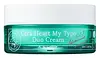
This barrier-repair moisturizer is formulated around Houttuynia Cordata Extract and Centella Asiatica Extract to strengthen the skin barrier and calm redness.
This acne treatment is formulated around Kaolin and Salicylic Acid to clear breakouts and balance excess oil.


What's inside
What's inside
 Key Ingredients
Benefits
Concerns
Ingredients Side-by-side
Propanediol
Solvent

Glycerin
Humectant
Sodium Hyaluronate
Humectant


Butylene Glycol
Humectant
Sorbitol
Humectant
Isohexadecane
EmollientCaprylic/Capric Triglyceride
Masking
Houttuynia Cordata Extract
Skin Conditioning
Betaine
Humectant
Centella Asiatica Extract
Cleansing
Glyceryl Stearate
Emollient

Salvia Officinalis Extract
Antimicrobial
Glycyrrhiza Glabra Root Extract
Bleaching

Sorghum Bicolor Leaf/Stem Extract
Skin ConditioningAspergillus Ferment
Skin ConditioningChlorphenesin
Antimicrobial
Arginine
Masking
Acrylates/C10-30 Alkyl Acrylate Crosspolymer
Emulsion StabilisingAllantoin
Skin Conditioning
Sorbitan Sesquioleate
Emulsifying

Ethylhexylglycerin
Skin ConditioningXanthan Gum
EmulsifyingGuaiazulene
Antimicrobial

Cetyl Ethylhexanoate
EmollientEthylhexyl Stearate
Emollient
Macadamia Ternifolia Seed Oil
Emollient
Ceramide NP
Skin Conditioning
Cetyl Alcohol
Emollient
Sorbitan Stearate
Emulsifying
Butyrospermum Parkii Butter
Skin Conditioning
Olea Europaea Fruit Oil
Masking
Microcrystalline Wax
Emulsion StabilisingCandelilla Cera
Emollient
Portulaca Oleracea Extract
Skin Conditioning
Salicornia Herbacea Extract
Skin ConditioningPhragmites Communis Extract
Skin ConditioningAloe Barbadensis Leaf Extract
Emollient
Dioscorea Japonica Root Extract
Skin Conditioning
Laminaria Japonica Extract
Skin Protecting
1,2-Hexanediol
Skin Conditioning
Arachidyl Alcohol
Emollient
Behenyl Alcohol
Emollient
Arachidyl Glucoside
EmulsifyingCarbomer
Emulsion StabilisingPropanediol, Glycerin, Sodium Hyaluronate, Butylene Glycol, Sorbitol, Isohexadecane, Caprylic/Capric Triglyceride, Houttuynia Cordata Extract, Betaine, Centella Asiatica Extract, Glyceryl Stearate, Salvia Officinalis Extract, Glycyrrhiza Glabra Root Extract, Sorghum Bicolor Leaf/Stem Extract, Aspergillus Ferment, Chlorphenesin, Arginine, Acrylates/C10-30 Alkyl Acrylate Crosspolymer, Allantoin, Sorbitan Sesquioleate, Ethylhexylglycerin, Xanthan Gum, Guaiazulene, Cetyl Ethylhexanoate, Ethylhexyl Stearate, Macadamia Ternifolia Seed Oil, Ceramide NP, Cetyl Alcohol, Sorbitan Stearate, Butyrospermum Parkii Butter, Olea Europaea Fruit Oil, Microcrystalline Wax, Candelilla Cera, Portulaca Oleracea Extract, Salicornia Herbacea Extract, Phragmites Communis Extract, Aloe Barbadensis Leaf Extract, Dioscorea Japonica Root Extract, Laminaria Japonica Extract, 1,2-Hexanediol, Arachidyl Alcohol, Behenyl Alcohol, Arachidyl Glucoside, Carbomer
Water
Skin ConditioningKaolin
Abrasive



Cetyl Alcohol
Emollient
Glyceryl Stearate Se
Emulsifying
Stearic Acid
Cleansing
Glycerin
Humectant
Succinic Acid
BufferingSalicylic Acid
Masking


Propanediol
Solvent
Sodium Stearoyl Glutamate
CleansingChamomilla Recutita Flower Extract
Masking
Sodium Anisate
AntimicrobialSodium Levulinate
Skin ConditioningAcacia Senegal Gum
MaskingGlyceryl Caprylate
EmollientSodium Salicylate
Preservative
Sclerotium Gum
Emulsion StabilisingXanthan Gum
EmulsifyingWater, Kaolin, Cetyl Alcohol, Glyceryl Stearate Se, Stearic Acid, Glycerin, Succinic Acid, Salicylic Acid, Propanediol, Sodium Stearoyl Glutamate, Chamomilla Recutita Flower Extract, Sodium Anisate, Sodium Levulinate, Acacia Senegal Gum, Glyceryl Caprylate, Sodium Salicylate, Sclerotium Gum, Xanthan Gum
Reviews
Ingredients Explained
These ingredients are found in both products.
Ingredients higher up in an ingredient list are typically present in a larger amount.
Cetyl Alcohol is a fatty alcohol. Fatty Alcohols are most often used as an emollient or to thicken a product.
Its main roles are:
Though it has "alcohol" in the name, it is not related to denatured alcohol or ethyl alcohol.
The FDA allows products labeled "alcohol-free" to have fatty alcohols.
This ingredient may not be fungal acne safe. It is a primary fatty alcohol with a chain length above 12 carbons. A study from 2019 show Malassezia can feed on fatty alcohols in this range, so it may trigger fungal acne in those prone to it.
Learn more about Cetyl AlcoholGlycerin (or glycerol) is a compound naturally found in your skin. It's a powerhouse humectant that pulls water into the stratum corneum.
Topically, glycerin does several things at once:
Your skin makes glycerin on its own (mostly from sebaceous oil breakdown) and shuttles it to your outermost layer of skin, or your epidermis, via aquaporin-3.
Aquaporin-3 is a transporter that is essential for normal skin hydration, elasticity, and repair. Interestingly, mice lacking in AQP3 have dry and less elastic skin that can be fully corrected with glycerin.
This ingredient is non-irritating, plays well with almost every ingredient, and works across all skin types. Typical use is anywhere between 3-10% but can go up to 79% in some leave-on products.
Just know very high concentrations (>40%) can feel tacky in low humidity.
Glycerin is the name for this ingredient in American English. British English uses Glycerol/Glycerine.
Learn more about GlycerinPropanediol is an all-star ingredient. It softens, hydrates, and smooths the skin.
It’s often used to:
Propanediol is not likely to cause sensitivity and considered safe to use. It is derived from corn or petroleum with a clear color and no scent.
Learn more about PropanediolXanthan gum is used as a stabilizer and thickener within cosmetic products. It helps give products a sticky, thick feeling - preventing them from being too runny.
On the technical side of things, xanthan gum is a polysaccharide - a combination consisting of multiple sugar molecules bonded together.
Xanthan gum is a pretty common and great ingredient. It is a natural, non-toxic, non-irritating ingredient that is also commonly used in food products.
Learn more about Xanthan Gum

